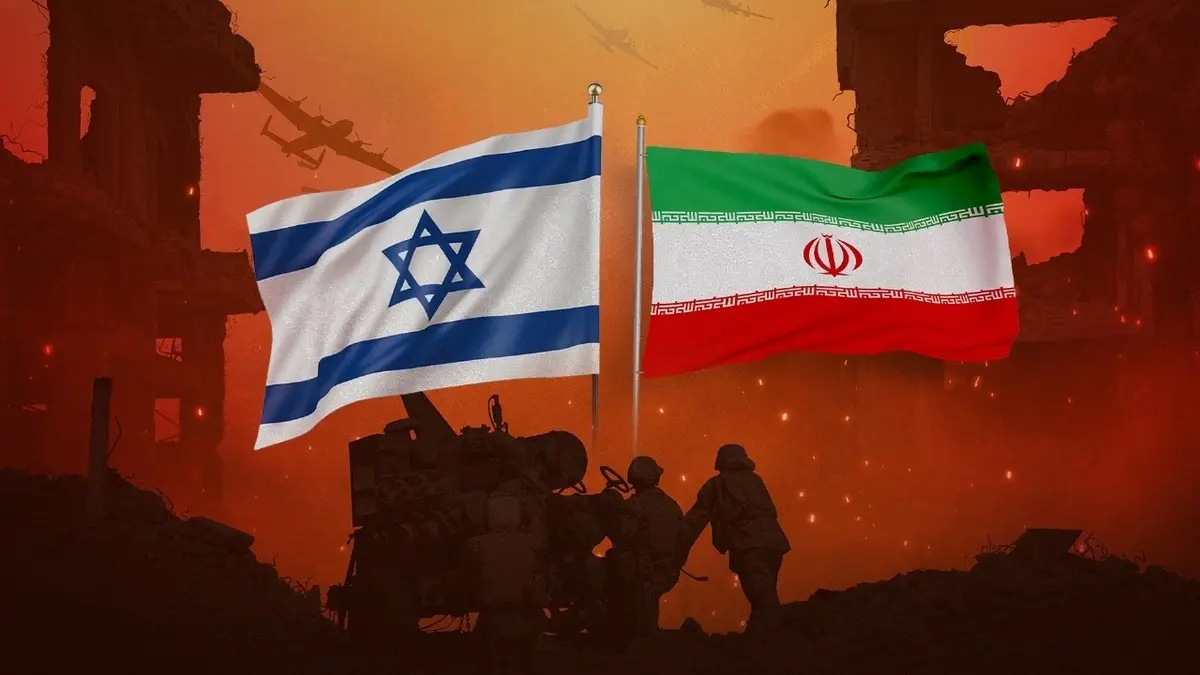
The conflict between Iran and Israel has entered an unprecedented phase, with both countries engaging in direct and large-scale military strikes and a full-scale confrontation.
Over the past four days, missiles have rained down on cities, air and missile strikes have lit up the skies of Tehran and Israel, and fears of a wider regional war are intensifying. With nuclear talks suspended and no sign of de-escalation from either side, the situation has reached a critical point.
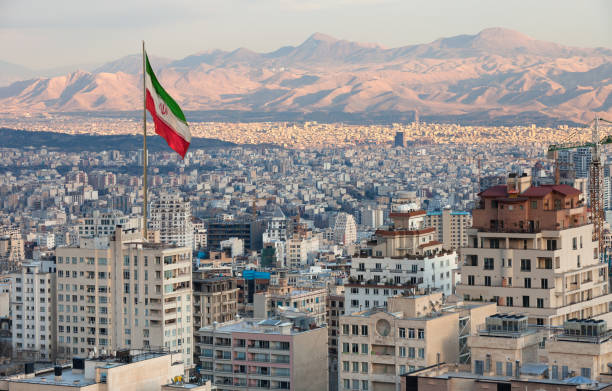
The fighting began on Friday with a surprise Israeli airstrike targeting Tehran’s nuclear and military infrastructure. The attacks were aimed at top Iranian commanders and sensitive facilities connected to the country’s nuclear programme.
According to Iran’s ambassador to the United Nations, the initial Israeli wave of strikes killed at least 78 people and wounded more than 320 others. Among the targets were Iranian military housing units and nuclear development sites.
Tehran responded swiftly. On Saturday, Iran launched over 200 ballistic missiles and deployed dozens of armed drones toward Israel. While Israeli air defences managed to intercept many of them, dozens of missiles struck key Israeli installations, including airbases used for aerial refuelling. Iranian media reported that the Revolutionary Guards were behind the strikes, which killed at least ten people in Israel.
Simultaneously, Israel continued to expand its campaign inside Iran. Explosions lit up the skies over Tehran as Israeli fighter jets struck a major gas depot, a building linked to the Ministry of Defence, and additional nuclear-related facilities. The attacks also targeted cities beyond Tehran, including Natanz, a key uranium enrichment site; Tabriz, where explosions occurred near a nuclear research centre and two military bases; Isfahan; Arak; and Kermanshah, where an underground ballistic missile depot was reportedly hit.
The scope of Israel’s offensive widened as the military began hitting Iran’s critical energy infrastructure. Two large fuel depots in Tehran’s Shahran district were engulfed in flames, and further attacks were carried out on Iranian air defence systems. Israeli military officials stated that they had achieved “freedom of action” over Tehran, indicating that their aircraft could operate without significant resistance.
Israel also expanded its campaign regionally. On Saturday night, it bombed a meeting of Houthi leaders in Yemen in a clear message to Iran’s proxies. This came hours after the Iran-backed Houthi militia announced that they had launched missiles toward Israel.
POLITICAL CONSEQUENCES:
The intensifying military campaign had immediate political consequences. Nuclear negotiations between Tehran and Washington, which were scheduled to resume in Oman on Sunday, were cancelled.
Iranian President Masoud Pezeshkian made it clear that Tehran would not engage in talks as long as Israel continued its attacks. Foreign Minister Abbas Araghchi said that Israel had crossed a red line by striking nuclear sites and accused the West, particularly the United Nations’ nuclear watchdog, of remaining silent on the Israeli strikes. He added that Israel had never wanted a diplomatic solution and had deliberately tried to derail the process.
International concerns have mounted as the threat of escalation spreads beyond the immediate participants. Iraq, a close ally of Tehran but also a strategic partner of the United States, has reached out to both Washington and Tehran in an attempt to prevent regional spillover.
Saudi Arabia’s Crown Prince Mohammed bin Salman has reportedly spoken with the Iranian president, urging restraint. US President Donald Trump claimed in a press statement that he could negotiate peace between the two arch-rivals, although no official response came from either side. Later, Trump warned that Iran would face the full force of the US military if it attacked American assets, while also claiming the United States had nothing to do with the Israeli strikes.
MILITARY CAPACITY:
In terms of military capacity, Israel retains a significant advantage with access to Western-made weaponry, superior intelligence, and air supremacy. Iranian officials, however, have touted the effectiveness of their domestically developed missile systems. Among them is the Khaibar Shikan missile, with a range of 900 miles and a 500-kilogram warhead. Iran has also used the Haj Qasem missile, a heavy ballistic weapon weighing around seven tonnes. While Iran continues to rely on its indigenous defence technology and missiles, its operational reach is restricted by regional airspace closures from neighbouring countries.
Both countries have also engaged in cyber and intelligence warfare. Iranian authorities have claimed the arrest of dozens of foreign spies (media reports said Indians) allegedly linked to Israel. Some Iranian analysts have raised questions about how Israel was able to strike so precisely inside Tehran, suggesting internal sabotage or cyber infiltration. The port city of Chabahar has reportedly emerged as a central point in Israel’s alleged intelligence network inside Iran.
CONSEQUENCES FOR THE WORLD:
The consequences of this conflict are already being felt globally. Oil prices surged to 77 US dollars per barrel amid concerns over shipping through the Persian Gulf and potential supply disruptions. Over 1,800 international flights were cancelled or rerouted due to airspace closures over Iran, Iraq, Jordan, and Israel. Global stock markets, including Wall Street, took a hit. The Iranian rial plummeted, crossing the threshold of 960,000 rials per US dollar. The United Kingdom and Greece issued maritime advisories for the Red Sea and the Strait of Hormuz.
NUCLEAR FACILITIES:
One of the most dangerous developments in this conflict is the direct targeting of nuclear facilities. Experts warn that any strike causing damage to uranium enrichment sites or nuclear storage areas could lead to radioactive leaks, explosions, or long-term environmental contamination. Iran’s decision to reduce cooperation with the UN’s nuclear agency has raised concerns that the current military confrontation could push Tehran further away from compliance with the international non-proliferation regime.
ISRAEL TO CONTINUE MILITARY OPERATIONS:
Israel has made clear that it will continue its military operations. Israeli Defence Minister Israel Katz said that residents near weapons production sites in Tehran had been warned to evacuate, echoing tactics previously used during Israeli campaigns in Lebanon. He further warned that “Tehran will burn” if Iran continues its missile attacks on Israel.
IRAN DETERMINED TO RETALIATE:
Iran, for its part, appears equally determined to continue its retaliation. In a televised speech, Supreme Leader Ayatollah Khamenei declared that Israel would be brought to ruin. With no sign of either side backing down, and with diplomacy sidelined, the region is now facing a prolonged and unpredictable military confrontation that risks dragging in other powers and setting off a broader war in the Middle East.
THE ROLE OF THE UNITED STATES:
The United States has long maintained a strategic alliance with Israel, rooted in shared political values, military cooperation, and regional security concerns. In the ongoing Iran-Israel escalation, the U.S. has publicly distanced itself from direct involvement in Israeli strikes on Iranian soil, but its broader posture signals continued political and logistical backing for Israel.
Washington sees Iran as a destabilizing actor in the Middle East, particularly due to its nuclear ambitions, support for armed proxies like Hezbollah and the Houthis, and open hostility toward Israel. As a result, successive U.S. administrations have supported policies aimed at containing Iran, including sanctions, diplomatic isolation, and military deterrence. Israel, in this framework, is viewed as a key ally and regional counterweight to Iran.
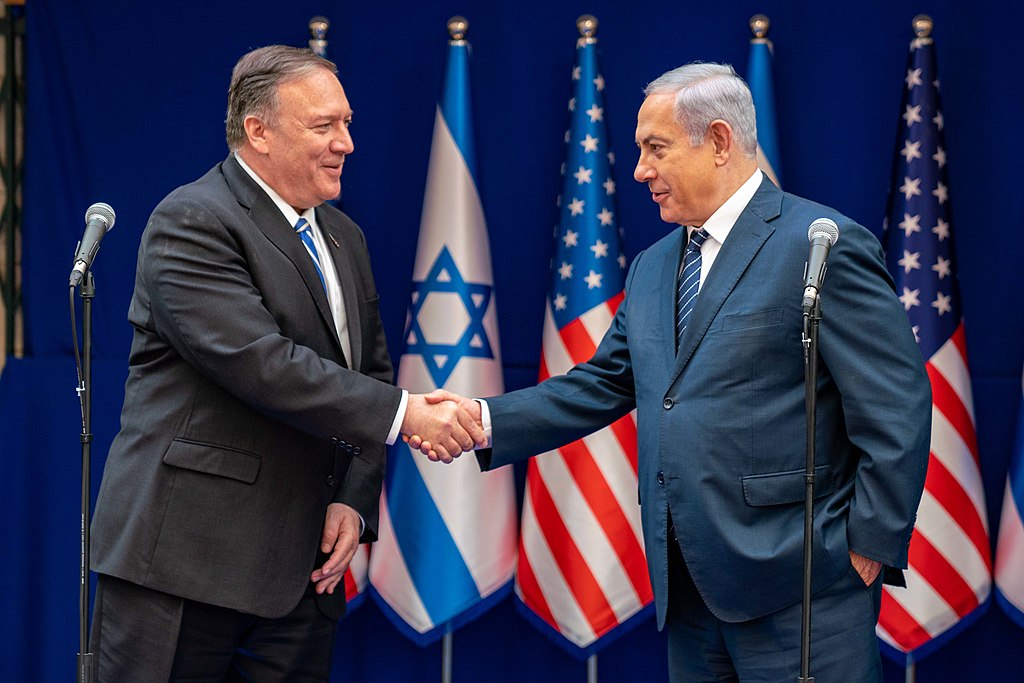
U.S. Secretary of State Michael R. Pompeo meets with Israeli Prime Minister Benjamin Netanyahu in Israel, on October 18, 2019 – Credits – Wikimedia Commons
However, U.S. support for Israel is not without controversy. While Washington justifies its position on grounds of national security and the protection of its ally, critics argue that the U.S. stance often ignores disproportionate use of force or civilian impact. American-made weapons used by Israel and diplomatic cover in international forums have drawn scrutiny, especially when the conflict leads to high civilian casualties or threatens broader regional stability.
Domestically, bipartisan political support for Israel in Congress, a strong pro-Israel lobby, and public opinion shaped by historical and religious ties contribute to the continuity of U.S. backing. Yet, recent years have seen a growing debate within the U.S. about the costs and ethics of unconditional support, particularly as public awareness of Palestinian suffering and concerns over a wider Middle East war increases.
In this crisis, the U.S. finds itself in a delicate position — reaffirming support for Israeli security while trying to avoid direct involvement in a war with Iran, which could spiral into a larger regional or even global conflict. It has urged restraint publicly but continues to provide military and intelligence cooperation. The challenge now is whether the U.S. can leverage its influence to de-escalate the situation, or whether its close alignment with Israel will limit its role to that of a partisan actor in an increasingly volatile confrontation.
CONCLUSION:
Both sides have warned of a protracted fight, dismissing international calls to de-escalate the conflict. The path to diplomacy appears limited after officials called off talks set for Sunday between Tehran and Washington on the future of Iran’s nuclear program.
As Bangladesh heads toward pivotal elections, a student-led uprising, shifting alliances, and youth-driven politics are redefining power at home and Read more…