WEB REPORT: June 21,2025
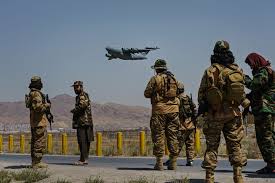
When Russia invaded Ukraine in February 2022, it was not the first time the Kremlin sent tanks across borders with grand ambitions of reshaping the global order. In 1979, the Soviet Union marched into Afghanistan, convinced it could restore stability through military might. That war ended in a bruising withdrawal, economic crisis, and political collapse.
Decades later, history appears to be repeating itself, but with new stakes.
The war in Ukraine has become a test of Russia’s endurance, ideology, and geopolitical relevance. Just as the Soviet misadventure in Afghanistan accelerated the end of an empire, some analysts argue that the war in Ukraine could become a similar turning point, either marking Russia’s resurgence or sowing the seeds of its decline.
Why Ukraine Matters: Russia’s National Identity Crisis:
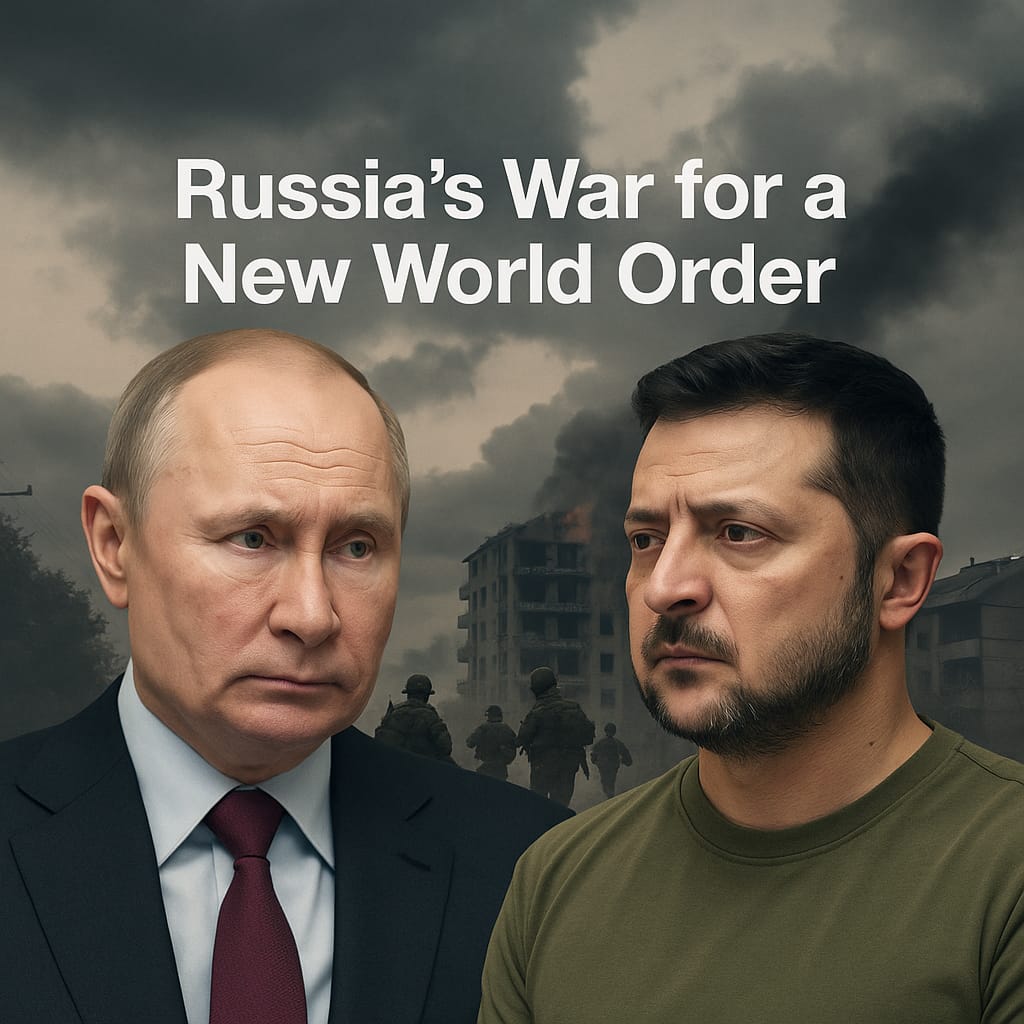
Ukraine is not just another neighbor for Russia—it is a symbol. For President Vladimir Putin, Ukraine represents the lost glory of a once-unified Slavic world, a nation that he insists has been severed from Russia by Western conspiracy and historical injustice.
The annexation of Crimea in 2014 and the subsequent full-scale invasion eight years later were not isolated moves. They were part of a larger vision: restoring Russia’s sphere of influence, dismantling NATO’s post–Cold War advances, and proving that Moscow can still redraw borders in the 21st century.
Putin views Ukraine not only as a geopolitical buffer but as the linchpin of a revived empire. Victory would not just erase a Western-aligned government, it would realign global power, elevate Russia’s role as a counterbalance to the U.S., and cement Putin’s place in history.
But as the war drags on, comparisons with the Soviet experience in Afghanistan grow louder, and more troubling for the Kremlin.
Déjà Vu: Ukraine and the Ghost of Afghanistan:
The war in Ukraine is increasingly viewed through the lens of the Soviet-Afghan conflict, with analysts noting the striking similarities in both the miscalculations and the long-term consequences.
Similarities Between the Two Wars:
Initial Overconfidence: In both Afghanistan and Ukraine, Moscow believed it could achieve a swift victory. In both cases, it underestimated the strength and resilience of local resistance.
Foreign Support Misread: The Kremlin misjudged the scale of outside involvement. In Afghanistan, in Ukraine, it is overt and massive, financial, military, and diplomatic.
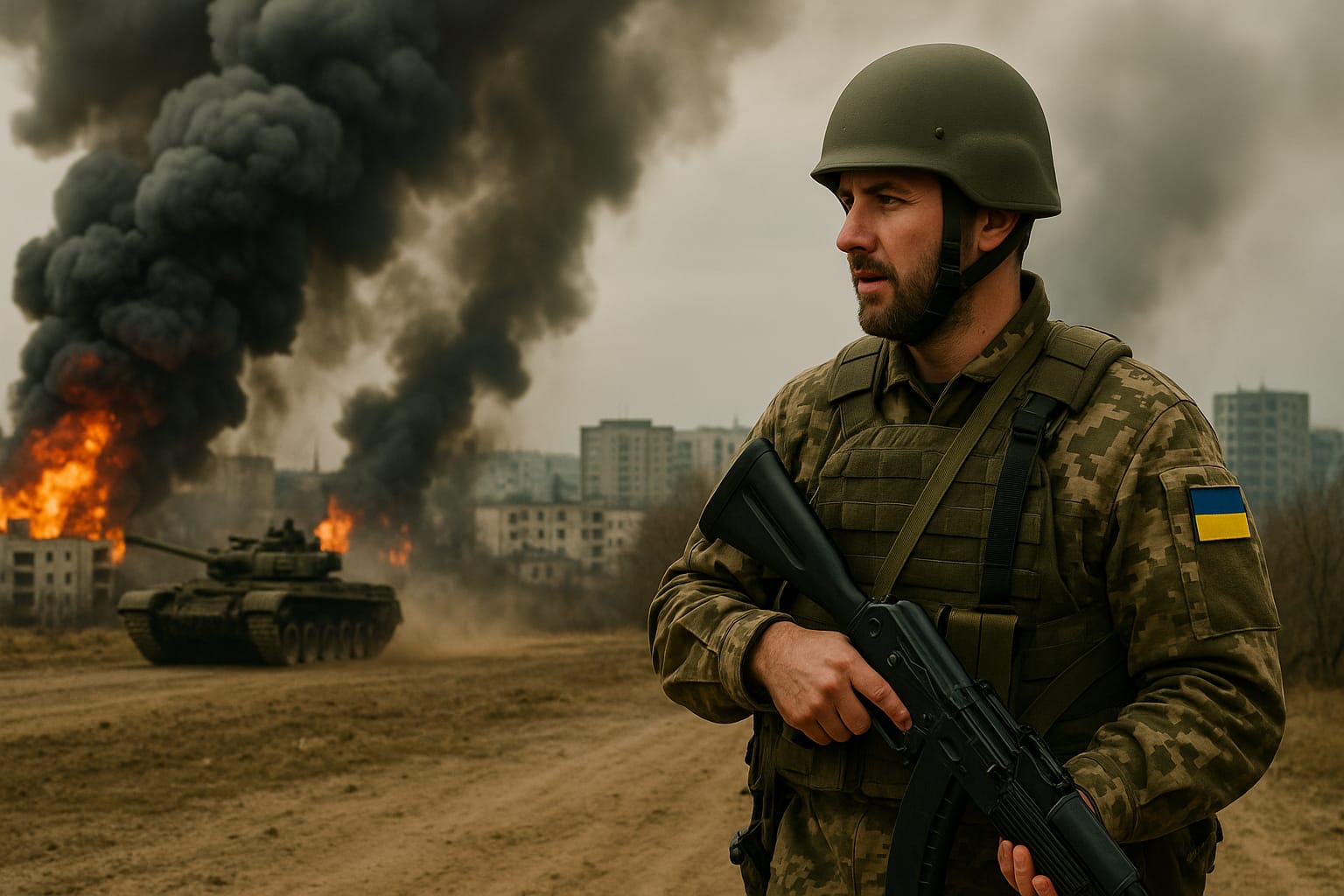
Tactical Failures: Strategic missteps, logistical challenges, and underprepared troops have plagued both campaigns, leading to high casualties and stalled advances
Protracted Conflict: What was expected to be a swift operation has turned into a grinding, open-ended war.
Rising Economic Pressure: Just as the Soviet economy buckled under the weight of war, today’s Russia is contending with sanctions, capital flight, and inflation.
Key Differences:
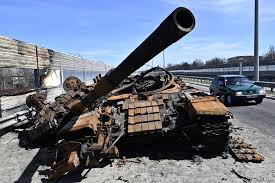
Geopolitical Context: The Cold War was the backdrop in Afghanistan. In Ukraine, we are witnessing a multipolar contest involving shifting alliances and the rise of non-Western powers.
Resistance Character: The Afghan resistance was fragmented and tribal. Ukraine is nationally unified, drawing from a powerful civic identity.
Global Involvement: Support for Ukraine has been direct and unprecedented, including lethal aid, satellite intelligence, and billions in economic assistance.
Modern Warfare: Drones, cyber attacks, and real-time information warfare have changed the battlefield in ways the Soviets never faced in the 1980s.
Still, the lesson echoes: prolonged wars fought under flawed assumptions tend to produce painful reckonings.
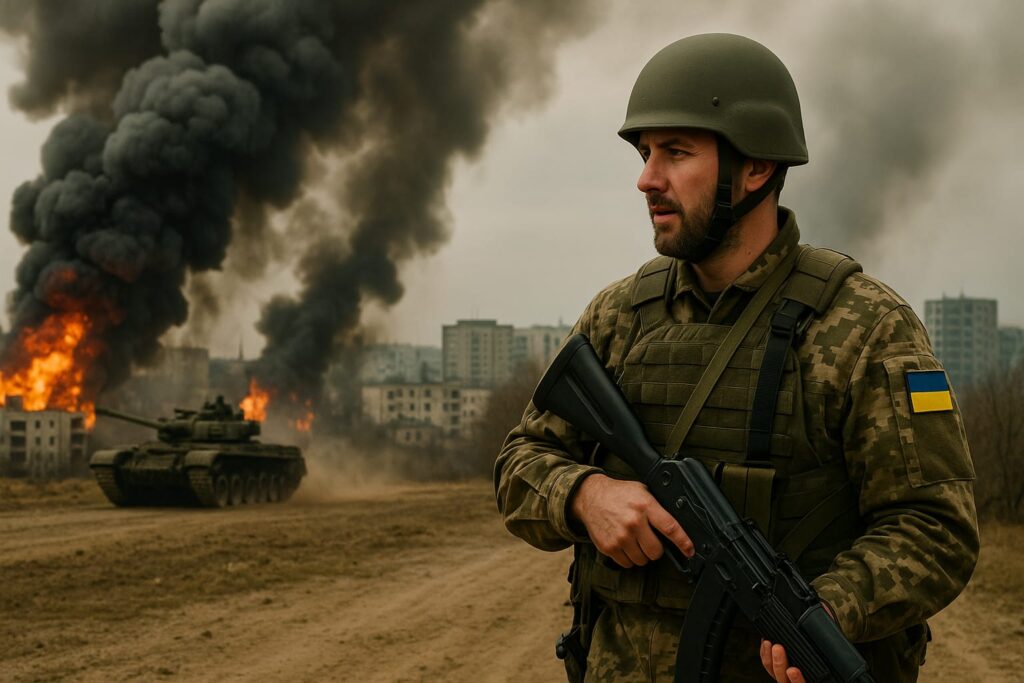
A War of Global Realignment:
Despite setbacks, Russia has not been completely isolated. While relations with the West have collapsed, ties with China have deepened, and Moscow has found alignment with Iran, North Korea, and segments of the Global South.
This emerging bloc of revisionist powers seeks to challenge Western norms and institutions, advocating for a multipolar world where the U.S. no longer writes the rules.
The war has also become a cultural crusade. The Kremlin presents itself as a guardian of “traditional values,” positioning Russia as an alternative to the West’s liberal democracies. This ideological narrative has found resonance in parts of Africa, Latin America, and even within Western populist movements.
Just as Afghanistan became a theater for Cold War proxy battles, Ukraine today is the center stage for an ideological and strategic confrontation that transcends borders.
Germany and the End of Ostpolitik:
One of the most dramatic shifts has come from Berlin. Once Russia’s top energy partner and advocate in Europe, Germany reversed course after the invasion. It froze Nord Stream II, cut energy dependence, and pledged support for Ukraine, a break from decades of post-Cold War Ostpolitik.
Yet political winds are shifting. While mainstream parties still support Ukraine, far-right parties sympathetic to Moscow are gaining traction. The endurance of Western support remains a critical question for both Ukraine and Russia’s future strategy.
A War That Will Define Putin’s Legacy:
For Putin, this is not just a war over land; it is a war for relevance. Domestically, the conflict has been used to consolidate power, suppress dissent, and redefine patriotism. Internationally, it has allowed Russia to pivot toward China and position itself as the vanguard of a rising anti-Western coalition.
But the cost has been enormous. Lives lost. Economies strained. Alliances fractured. The longer the war lasts, the higher the stakes, for Ukraine, for Russia, and for the world.
The Afghan Lesson Russia Ignored:
In the late 1980s, Soviet forces quietly withdrew from Afghanistan, defeated not by battlefield losses alone, but by the sheer exhaustion of a misjudged war. That moment accelerated the collapse of a superpower.
Putin believes Ukraine is different. That this war will redeem Russia, not ruin it. But the echoes of Afghanistan grow louder by the day. If the Kremlin has miscalculated again, the consequences may stretch far beyond the Donbas.
Ukraine may be the first battlefield, but it may not be the last. (ST)