ISLAMABAD: June 22, 2025
WEB REPORT
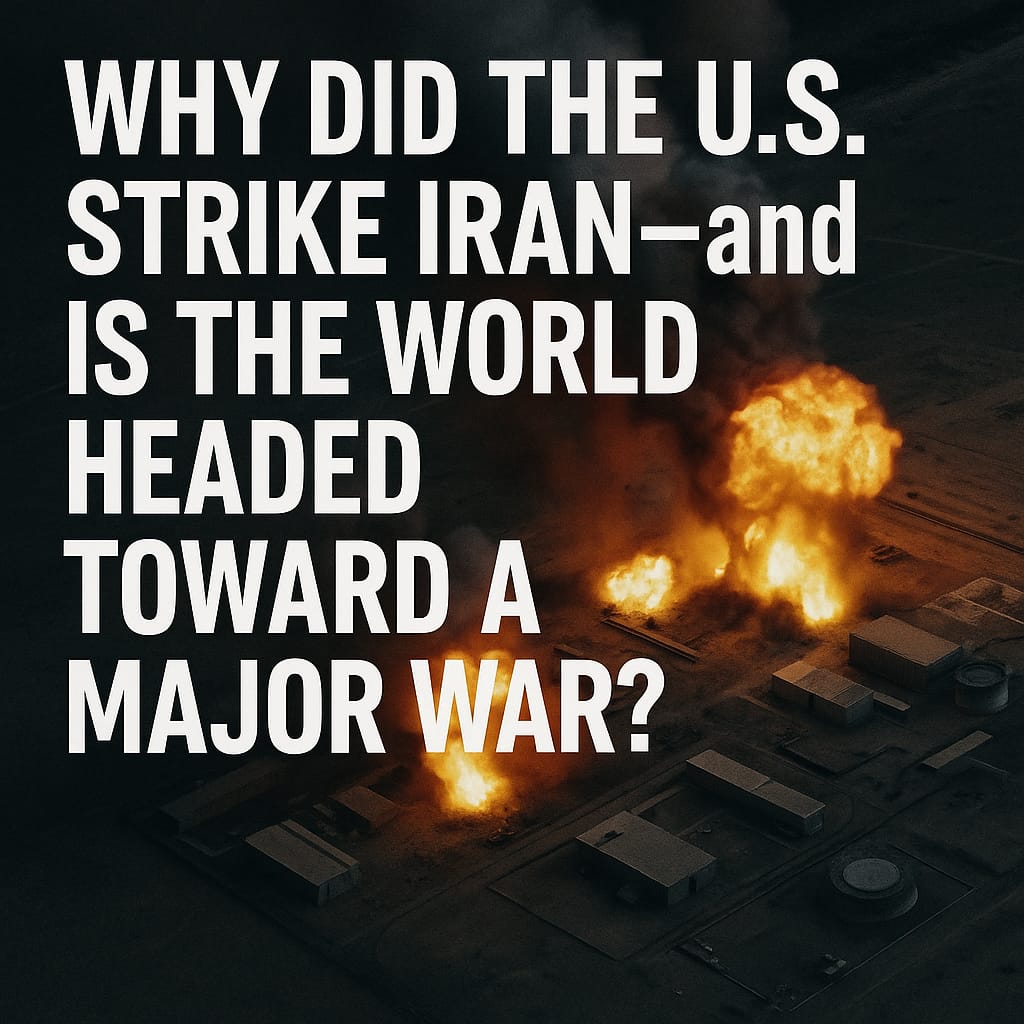
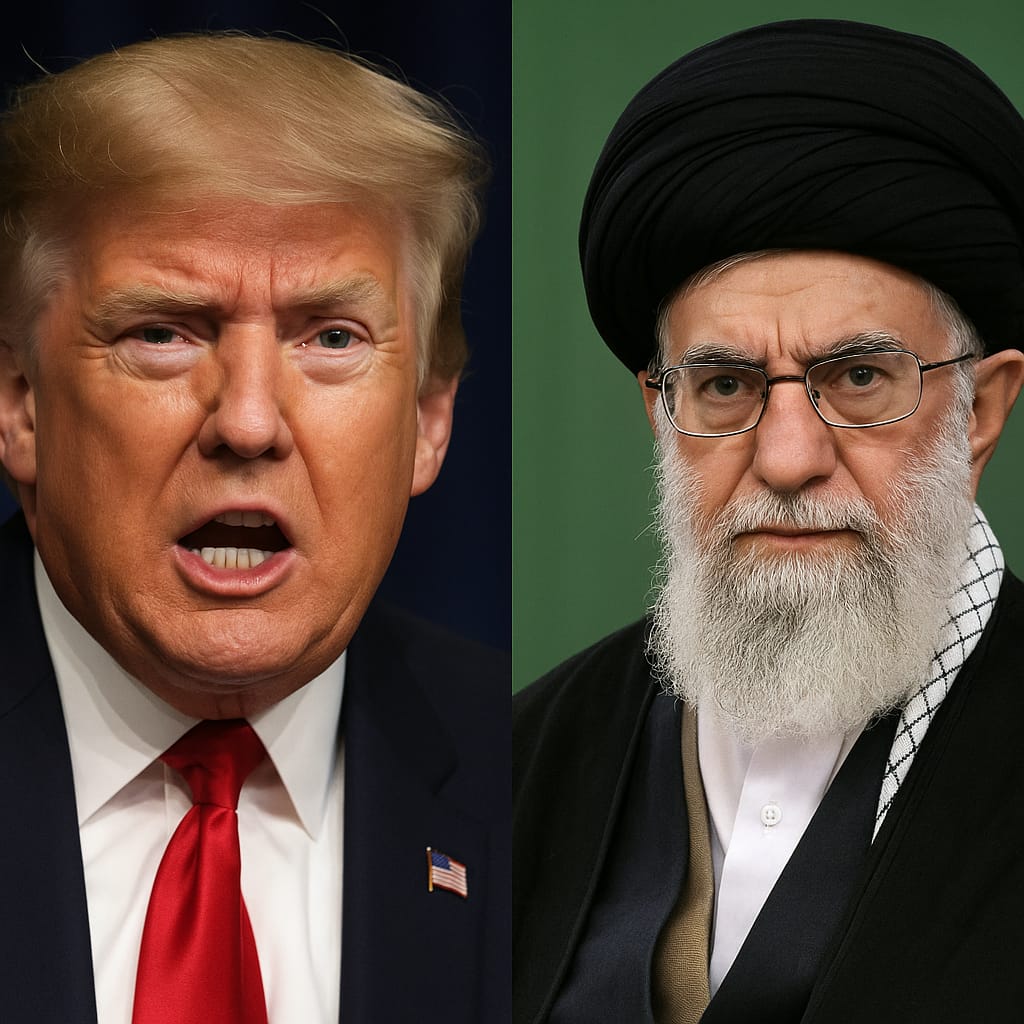
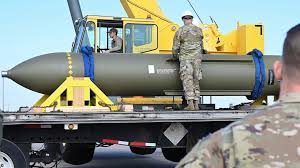
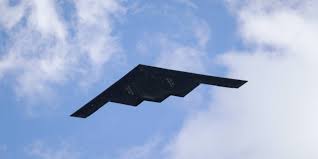
In a move that has shocked the international community, the United States has launched airstrikes on three major Iranian nuclear facilities, Fordow, Natanz, and Isfahan, joining Israel in its escalating war against Iran. The strikes, conducted using B-2 stealth bombers and bunker-buster bombs, were described by former President Donald Trump as a “spectacular military success.”
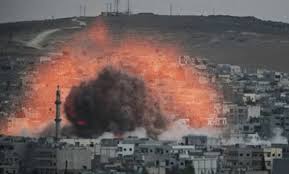
Iran has condemned the strikes as “outrageous” and “a betrayal of diplomacy,” warning of “everlasting consequences.” More than 400 people have reportedly been killed in Iran, while retaliatory Iranian strikes have killed at least 24 in Israel. The region stands on the brink of wider war.
Why did the U.S. Bomb Iran?
The U.S. claims the strikes were a pre-emptive measure to dismantle Iran’s nuclear enrichment capacity. Trump said the objective was “the destruction of Iran’s nuclear enrichment capability,” and claimed success, though international monitors like the IAEA have yet to verify this. Iran insists its program is for peaceful energy purposes.
Nuclear double standards?
Iran is a signatory to the Nuclear Non-Proliferation Treaty (NPT). It argues that the West’s refusal to let it pursue civilian nuclear energy, while countries like the U.S., Israel, and India hold undeclared or unregulated nuclear arsenals, reflects hypocrisy. The 2015 Iran nuclear deal was designed to limit enrichment, but Trump pulled the U.S. out in 2018, prompting Iran to ramp up uranium enrichment to 60%.
What sites were hit?
Fordow, buried deep near Qom, is one of Iran’s most fortified nuclear sites.
Natanz is Iran’s largest enrichment complex.
Isfahan contains uranium conversion facilities and research centers.
The IAEA has confirmed no increase in radiation levels. Iranian officials say Fordow had been evacuated ahead of time, minimizing damage.
Will Iran retaliate?
Iranian leaders have promised to respond. Foreign Minister Abbas Araghchi called the attacks “a grave violation” and said Iran reserves the right to defend its people and sovereignty. Supreme Leader Ayatollah Khamenei warned last week that U.S. intervention would lead to “irreparable consequences.” Tehran has already used its Kheibar Shekan missile system to target Israel and may now withdraw from the NPT.
Expert opinions:
The Atlantic Council called the strikes a “spectacular success” but warned of unpredictable consequences. Richard Nephew, a former U.S. official, noted that while some damage may be significant, Fordow’s depth may have protected it. A Fortune analyst warned that “any escalation could become the strategic equivalent of a suicide bombing.” Stephen Zunes of the University of San Francisco emphasized U.S. vulnerabilities, including 40,000 troops and fleets within missile range.
Economic impact:
Global markets are already reacting. Oil prices spiked immediately after news of the strikes. Any disruption in the Strait of Hormuz could cripple energy flows, fuel inflation, and derail supply chains, affecting everything from food to transportation costs globally.
Is World War III possible?
With Israel and Iran exchanging fire, the U.S. now fully engaged, and threats of NPT withdrawal, analysts warn this is the most dangerous military escalation in decades. UN Secretary-General António Guterres called the situation “a direct threat to international peace.”
Summary:
U.S. joined Israel in bombing Iranian nuclear sites.
Iran sees the attacks as illegal and vows to retaliate.
Global nuclear double standards are under renewed scrutiny.
Escalation risks include economic fallout and wider war.
Experts warn the U.S. may be dragged into a prolonged regional conflict.
(ST)