Dr. Muhammad Ilyas Ansari (PhD in International Relations)
June 23, 2025
U.S. Attack: Symbolic and Legal Implications
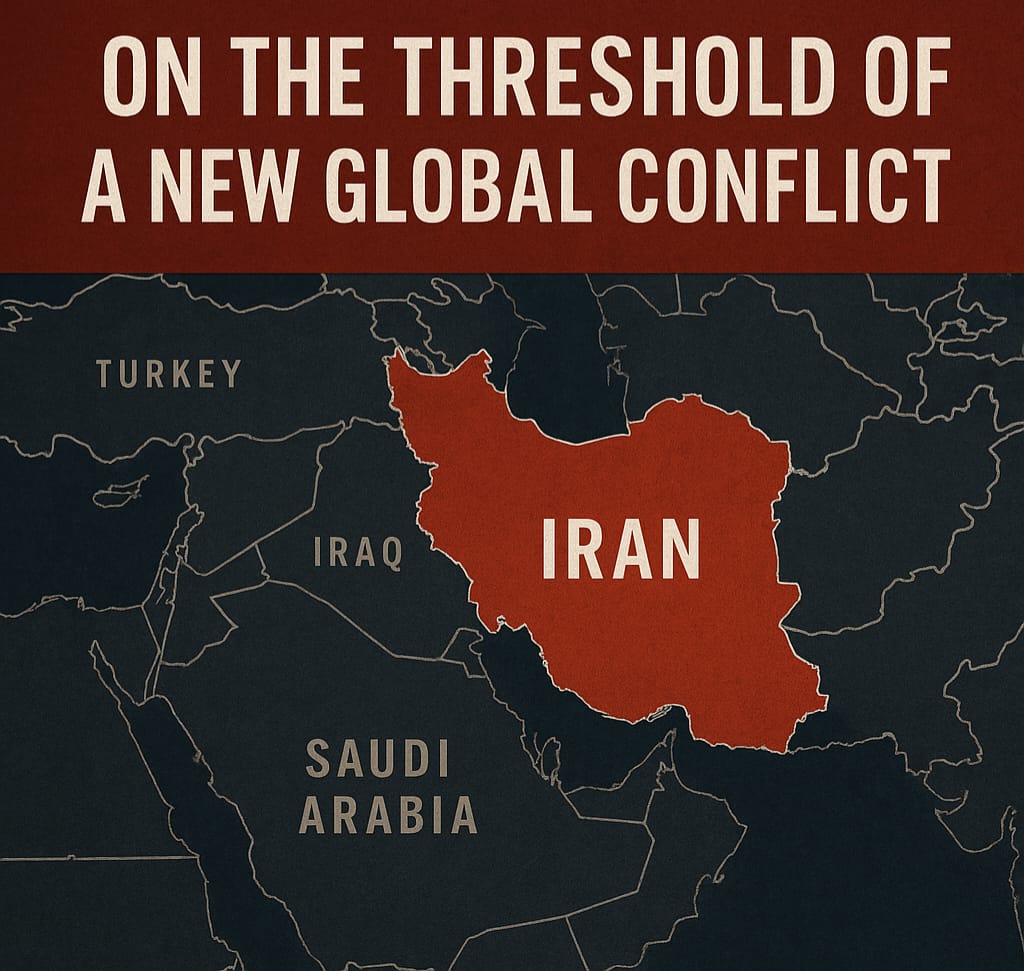
Although the recent U.S. attack on Iran did not cause significant material destruction, Iran has labeled it a blatant violation of international law and the UN Charter, calling it outright aggression. The attack is being viewed more for its political and symbolic implications than for the physical damage, severely undermining the credibility of global norms.
Iran’s Response: Military Continuity and Strategic Thinking
Iran responded immediately with missile and drone strikes, targeting Israeli assets. A more calculated and deliberate response to the U.S. is being prepared, with emphasis on prudence and strategy over emotional reaction.
Nuclear Policy and Withdrawal from the NPT
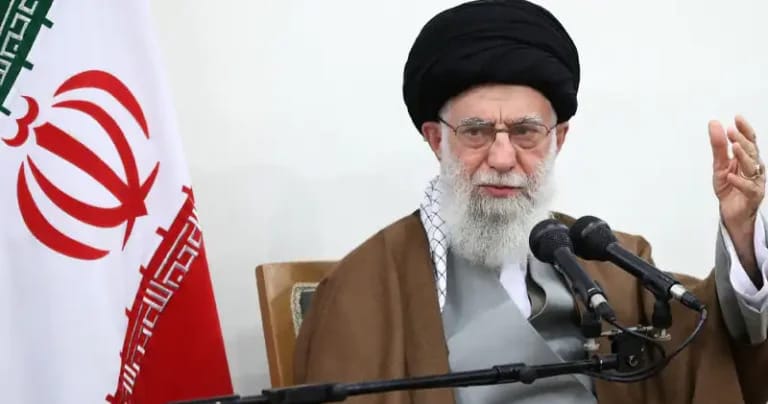
Iran is reviewing its position on the Non-Proliferation Treaty (NPT) and its cooperation with the International Atomic Energy Agency (IAEA). Iran argues that the IAEA has become a politically biased institution under Western influence, leaking nuclear data to its adversaries and threatening Iran’s sovereignty.
The Undermining of the UN Charter
In contrast to the West’s labeling of Russia’s attack on Ukraine as “illegal aggression,” the silence over the attack on Iran is being condemned as sheer hypocrisy. This double standard is eroding the authority of the UN Charter, rendering it a mere piece of paper in the eyes of many.
Support from the Global South and Iran’s Image
Countries of the Global South, especially members of the BRICS bloc, along with public opinion in some Western nations, are expressing sympathy toward Iran. Iran aims to present itself not only as a powerful state but also as a responsible, lawful defender of the international order.
Balanced Retaliation and Global Perception
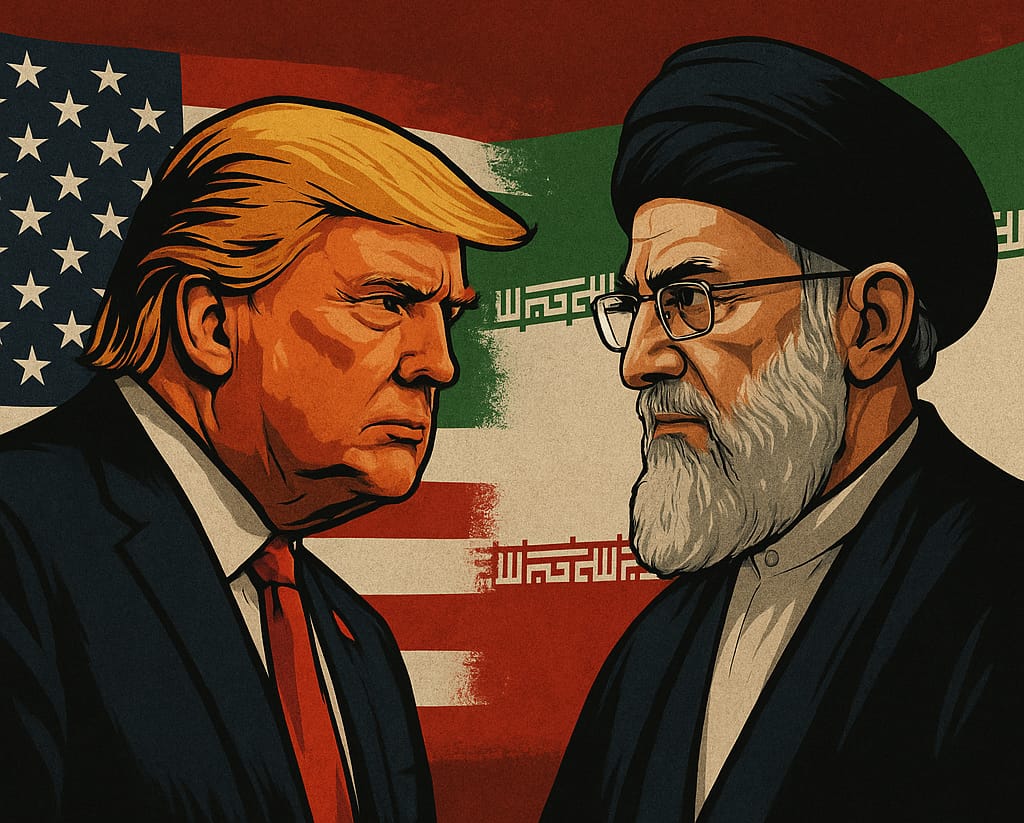
Iranian leadership seeks a carefully balanced retaliation. The objective is to deter future U.S. aggression while preserving Iran’s image as a responsible and strategically minded nation. Actions against Israel and the U.S. will follow separate tactical considerations.
Gulf States’ Involvement and Vulnerability
Gulf states are seen as implicated in the conflict due to hosting U.S. military bases. Iran regards these governments as weak and unreliable, incapable of defending themselves in a major conflict. Nevertheless, Iran will proceed cautiously to avoid triggering a broader regional war.
Regional Allies in Action
Iran’s allied countries and groups—such as Yemen, Iraq, and Hezbollah—are already mobilized for potential retaliation. Anti-American sentiment is strong in these regions, and Iran is leveraging these alliances to enhance its military presence. Israel’s defense vulnerabilities are tilting the strategic balance in Iran’s favor.
Iran’s Military Capabilities and U.S. Assets
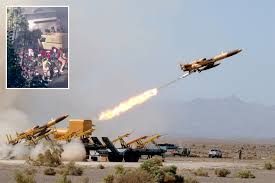
Iran possesses thousands of long-range missiles and advanced drones capable of targeting U.S. military bases abroad, including Diego Garcia. Iran’s defense systems have been developed over the past two decades with potential conflict with the U.S. in mind.
Avoiding Full-Scale War, but Fully Prepared
While Iran does not seek full-scale war, it maintains that a weak response would embolden its enemies. Thus, any retaliation will be powerful, calculated, and mindful of international perception. Iran believes that aggression must be countered not only militarily but also through diplomatic and moral channels.
Potential Global Impact and Regional Shifts
The U.S. actions risk not only regional destabilization but also global shifts. If, under historical claims, Yemen or Iraq were to occupy parts of Saudi Arabia or Kuwait, the legal basis for U.S. or UN intervention would be questionable. Such developments could initiate a scenario disastrous for the global order.
Concluding Analysis
If the situation is not contained, it could lead to a broader global conflict, economic instability, and a decline in U.S. influence.
*-Iran has faced a limited but serious attack, to which it assigns legal and moral significance.
*-Iran’s strategy is based on a strong but balanced response to maintain international support.
*-Iran’s regional allies are active, and its military capacity could play a decisive role.
*-The credibility of international law is under threat, and Western double standards are eroding global trust.