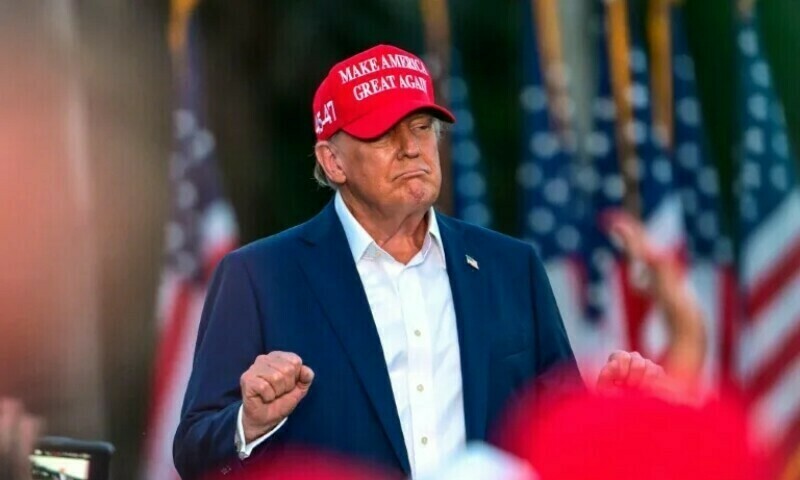
Pakistani politicians voiced strong objections on Sunday after the government nominated former US President Donald Trump for the 2026 Nobel Peace Prize, just days after US forces launched strikes on Iranian nuclear facilities.
The nomination was originally framed as a tribute to Trump’s “decisive diplomatic intervention” during last month’s India-Pakistan standoff. According to the official statement, Trump’s mediation efforts were credited with de-escalating tensions between the nuclear-armed neighbours and preventing the conflict from spiraling into war.
However, following Washington’s military strikes on Iran’s Fordow, Isfahan, and Natanz nuclear sites, accompanied by Trump’s declaration that the facilities were “totally obliterated,” reactions across Pakistan’s political spectrum quickly turned critical.
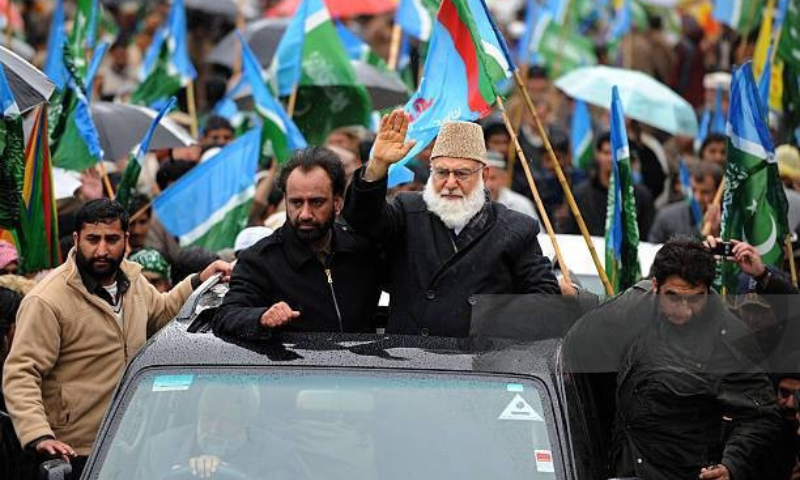
Fazlur Rehman: ‘Withdraw the Nomination’
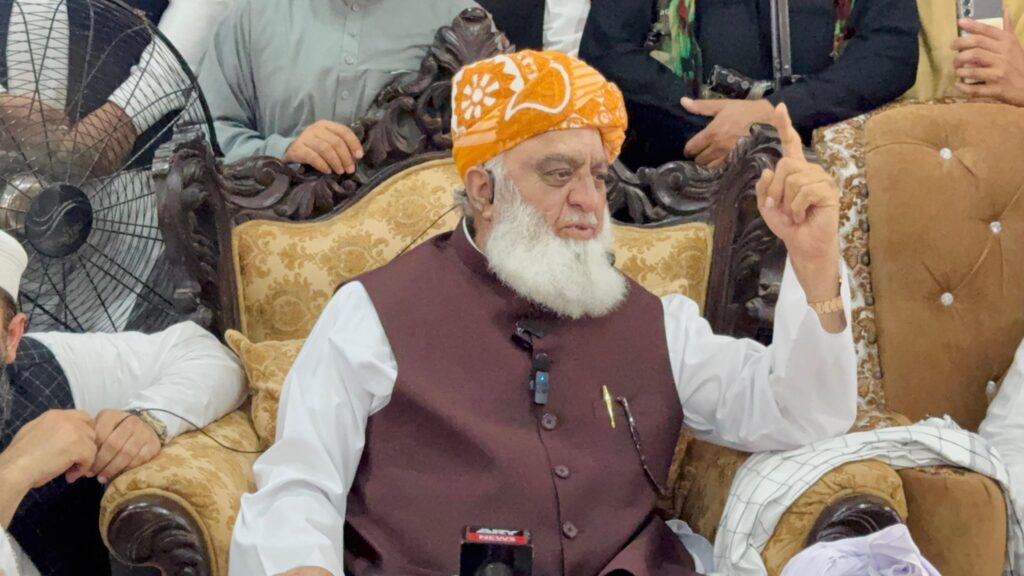
Jamiat Ulema-e-Islam (JUI-F) leader Maulana Fazlur Rehman demanded the immediate withdrawal of Trump’s nomination, stating that the former president’s “claim to peace” had been disproven.
“Trump once won votes under the slogan of peace, but his support for Israeli attacks in Palestine, Syria, Lebanon, and now Iran discredits that entirely,” he said at a party gathering in Murree. “How can a man with blood on his hands be hailed as a peacemaker?”
Hafiz Naeem: ‘National Dignity Undermined’
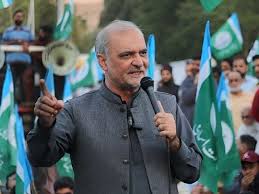
Hafiz Naeem ur Rehman, Ameer Jamaat-e-Islami, condemned the move, stating that the decision “undermines our national dignity and grace.” He criticized the government for previously praising Trump as a “messenger of peace,” and added, “That same Trump is now dropping bombs weighing over 2,000 kilograms. How can this be reconciled with the values of peace and justice?”
Mushahid Hussain: ‘Trump Is No Peacemaker’
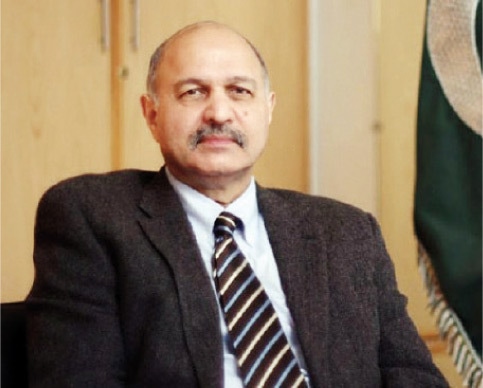
Veteran politician and former senator Mushahid Hussain Syed echoed these concerns in a series of posts on X (formerly Twitter), declaring that Trump is “no longer a potential peacemaker” but rather “a leader who has willfully unleashed an illegal war.”
He added: “This nomination must be reviewed, rescinded, and revoked.”
Calling Trump’s actions “the biggest blunder of his presidency,” Mushahid argued that the US president has “betrayed his promise not to start new wars” and accused him of falling under the influence of Israeli Prime Minister Benjamin Netanyahu and the Israeli war lobby.
Asif Luqman Qazi, Director of Foreign Affairs, Jamaat-e-Islami Pakistan:
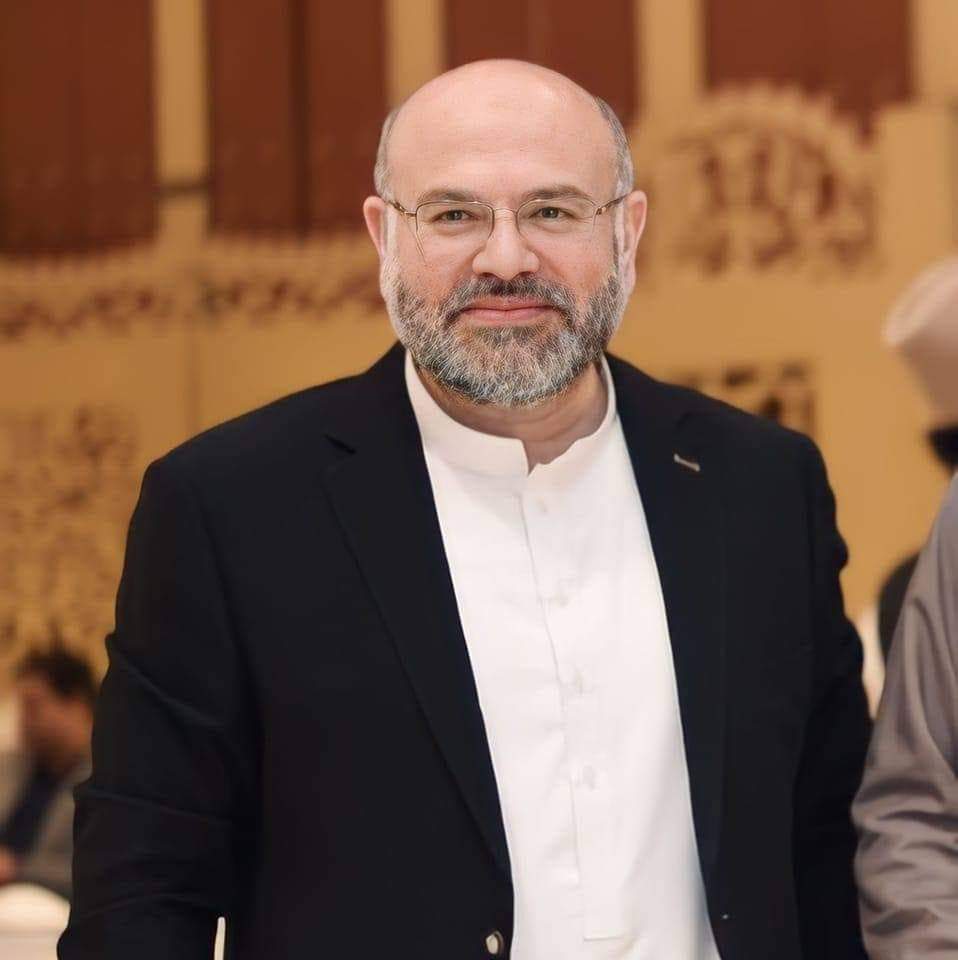
Asif Luqman Qazi, Director of Foreign Affairs, Jamaat-e-Islami Pakistan, strongly opposed the government’s decision to recommend Donald Trump for the 2026 Nobel Peace Prize.
“Trump has consistently supported Israel’s brutal campaign of genocide against Palestinians. Under his leadership, the U.S. provided weapons, intelligence, and diplomatic backing, vetoing ceasefire resolutions and even endorsing plans to empty Gaza of its people.
Recommending such a person for a peace prize is a betrayal of the martyrs of Gaza and an insult to the people of Pakistan.
PTI: A Decision of ‘Shame and Embarrassment’
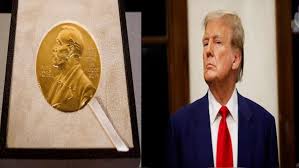
The opposition Pakistan Tehreek-e-Insaf (PTI) party also condemned the US strikes on Iran and called for a review of the Nobel nomination.
PTI lawmaker Ali Muhammad Khan posted “RECONSIDER” in all caps on social media, while senior party leader Raoof Hasan said the decision was “a cause of unmitigated shame and embarrassment” for those behind it. He also criticized the US for its “total disregard for international law and covenants.”
Broader Political and Civil Society Reactions
Former US ambassador Maleeha Lodhi called the move “unfortunate” and said it did not reflect the sentiment of the Pakistani public.
Activist Fatima Bhutto asked pointedly, “Will Pakistan withdraw its nomination for him to receive the Nobel Peace Prize?”
Journalist Mariana Baabar described the situation as “embarrassing,” sharing the government’s original post announcing the nomination.
Background and Global Context
Trump has long expressed frustration over not receiving the Nobel Peace Prize, often comparing himself to former US President Barack Obama, who won the award in 2009. During his current campaign, Trump has claimed he would quickly end wars in Ukraine and Gaza through negotiation, though both conflicts remain ongoing.
Notably, the United States has repeatedly vetoed ceasefire resolutions for Gaza at the UN Security Council, the most recent occurring earlier this month.
Conclusion:
As Washington’s military actions fuel regional instability, Pakistan’s decision to nominate Trump has triggered widespread domestic backlash, calling into question the government’s diplomatic judgment. Amid growing calls for withdrawal, the controversy highlights the risks of premature political endorsements in volatile geopolitical climates. (ST)