June 25, 2025
SPECIAL REPORT
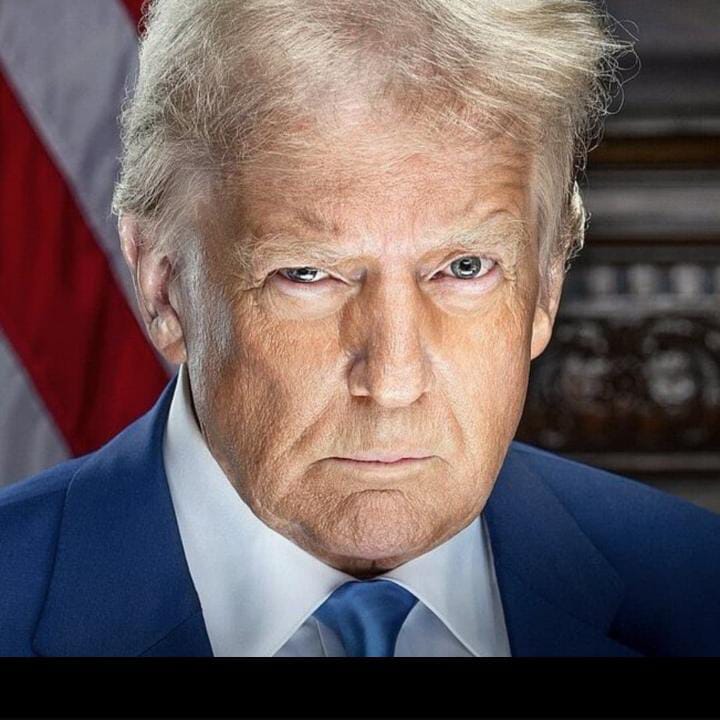
As the world breathes a cautious sigh of relief over the US-brokered ceasefire between Iran and Israel, one question remains glaringly unanswered: if President Donald Trump could enforce a truce between two sworn enemies, why does Gaza continue to burn?
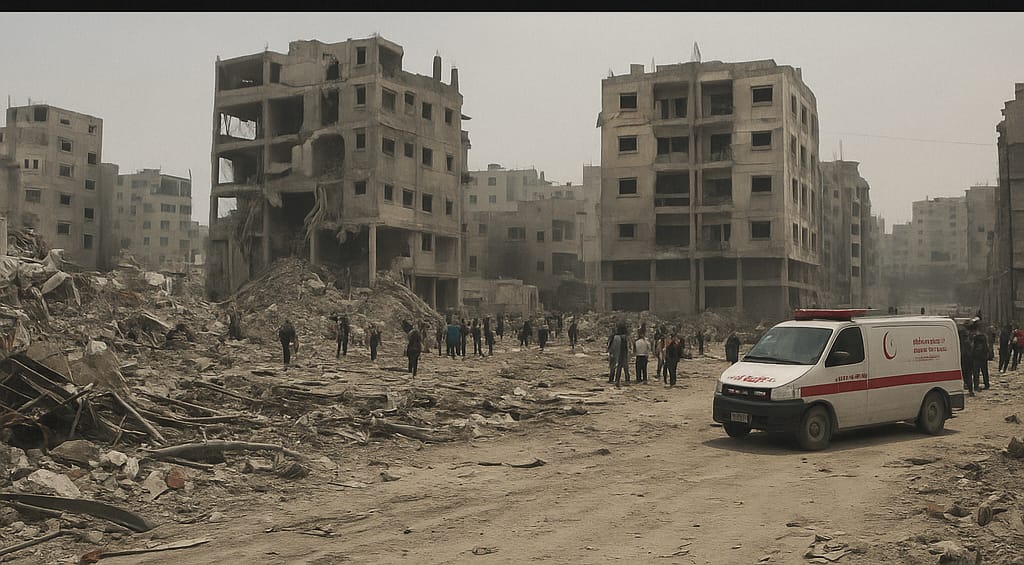
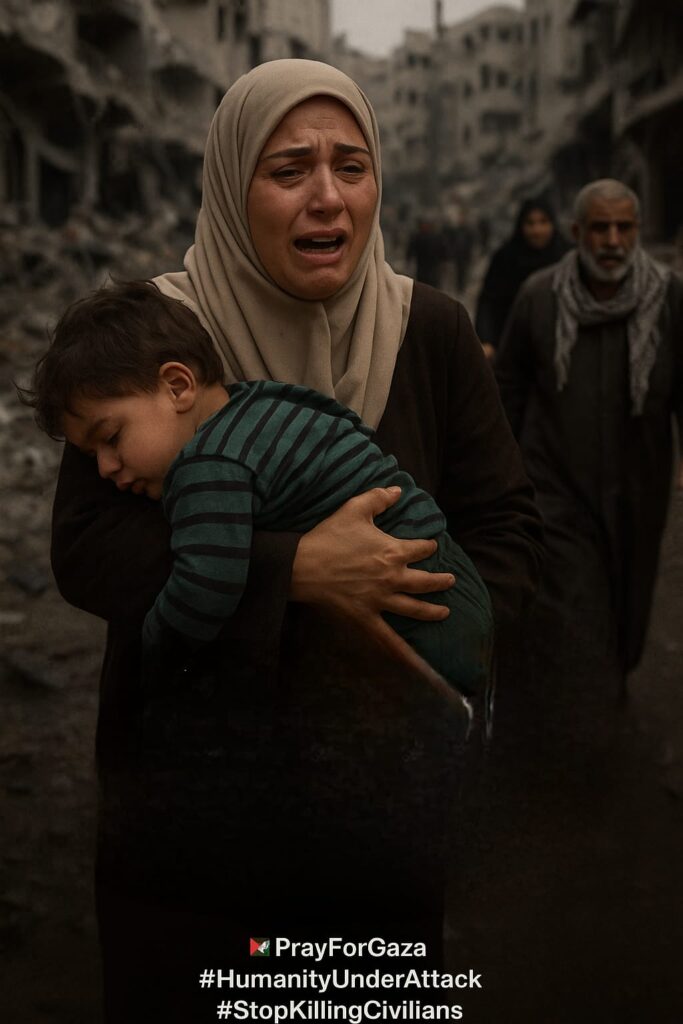
The ceasefire, hailed by the White House as a diplomatic victory, came after 12 days of air raids and missile strikes between Israel and Iran. With a few phone calls and diplomatic backchannels, Trump appeared to have halted a regional war. But for the besieged 2.1 million Palestinians in Gaza, no such intervention has come. The Israeli military operation, now stretching beyond 20 months, continues with full force. Since June 13 alone, over 860 Palestinians have been killed.
So why can’t the same influence be used to stop Israeli operations in Gaza? The answer lies at the heart of global power dynamics, a paralyzed United Nations, the unyielding grip of the Israeli lobby in Washington, and a selective interpretation of international law.
The Power of Veto: A Paralyzed United Nations
The United Nations has passed dozens of resolutions since 1948 condemning Israeli actions in the occupied Palestinian territories. Security Council Resolution 242 (1967) called for Israel to withdraw from territories occupied in the Six-Day War. Resolution 1860 (2009) demanded a ceasefire during the Gaza conflict.
But none of these resolutions have teeth, not because they lack moral clarity, but because the United States exercises its veto power consistently to shield Israel. In December 2023, the US vetoed a widely supported resolution calling for an immediate humanitarian ceasefire in Gaza, despite backing from 13 out of 15 Security Council members.
Even the International Court of Justice (ICJ), which in 2024 ruled Israel’s occupation and expansion in Gaza and the West Bank as potentially violating international law, cannot enforce its ruling. It relies on the Security Council, which has been blocked again by the US veto.
Geneva Convention and the Case of Gaza
According to the Fourth Geneva Convention, targeting civilians, collective punishment, and forced displacement are war crimes. Article 49 explicitly prohibits the transfer of an occupying power’s population into occupied territories, which many legal scholars say applies to Israel’s settlement policy.
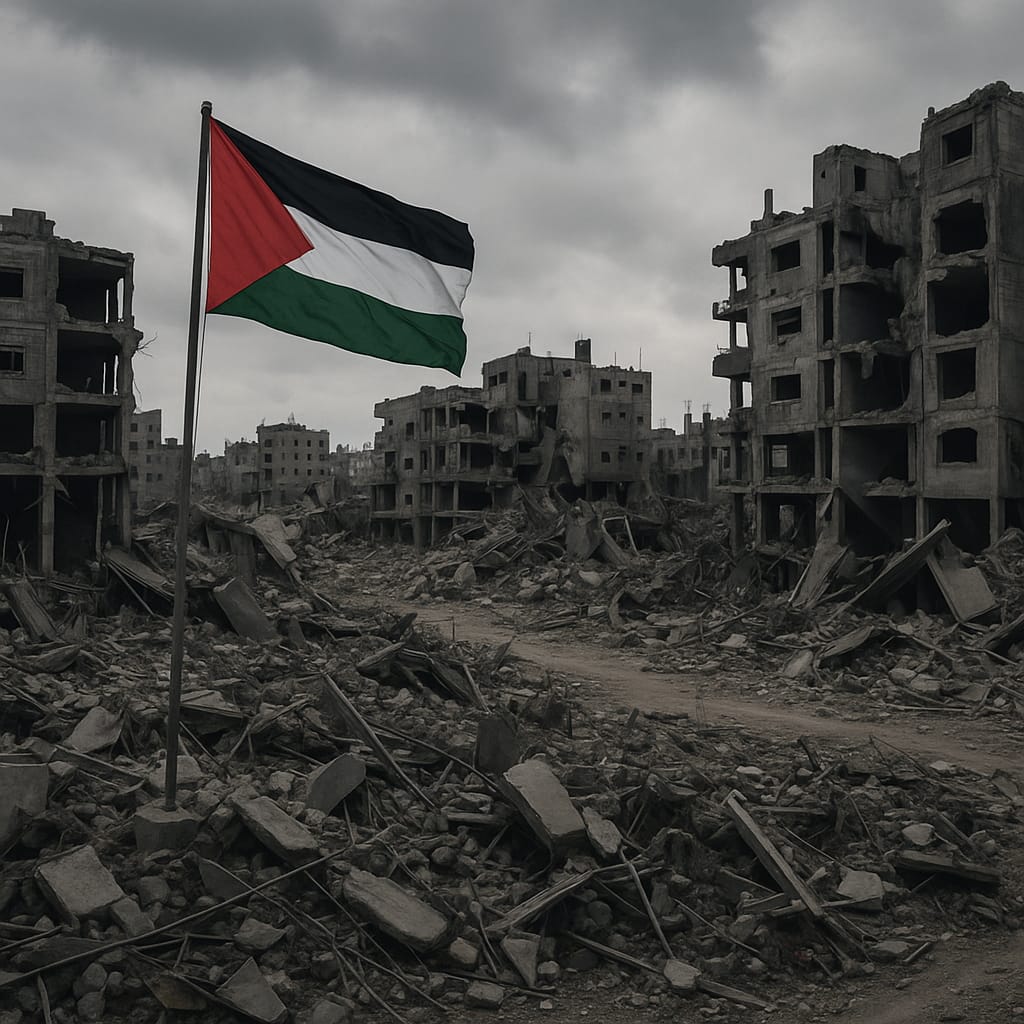
Despite this, Gaza has endured decades of siege, with hospitals bombed, journalists targeted, and residential towers reduced to rubble, all under the eyes of a silent world order. The legal frameworks are there; what’s missing is enforcement.
The Israeli Lobby: A Shadow Government in Washington?
The strength of the Israeli lobby in US politics is often understated yet deeply entrenched. Organizations like AIPAC (American Israel Public Affairs Committee) wield enormous influence over US lawmakers. Analysts argue that no presidential candidate can afford to alienate pro-Israel donors, especially in an election year.
Military aid to Israel remains untouchable. The US currently provides over $3.8 billion annually in military assistance, even as international human rights organizations document potential war crimes in Gaza.
This backing gives Israel near-absolute impunity, allowing its military campaigns to continue while the international community offers little more than statements of concern.
Mass Protests in the West — And Voices in Tel Aviv
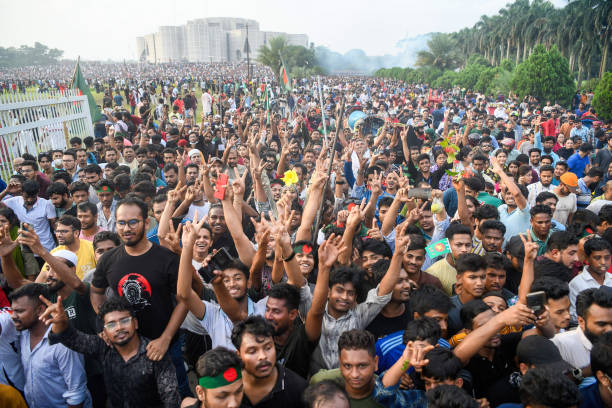
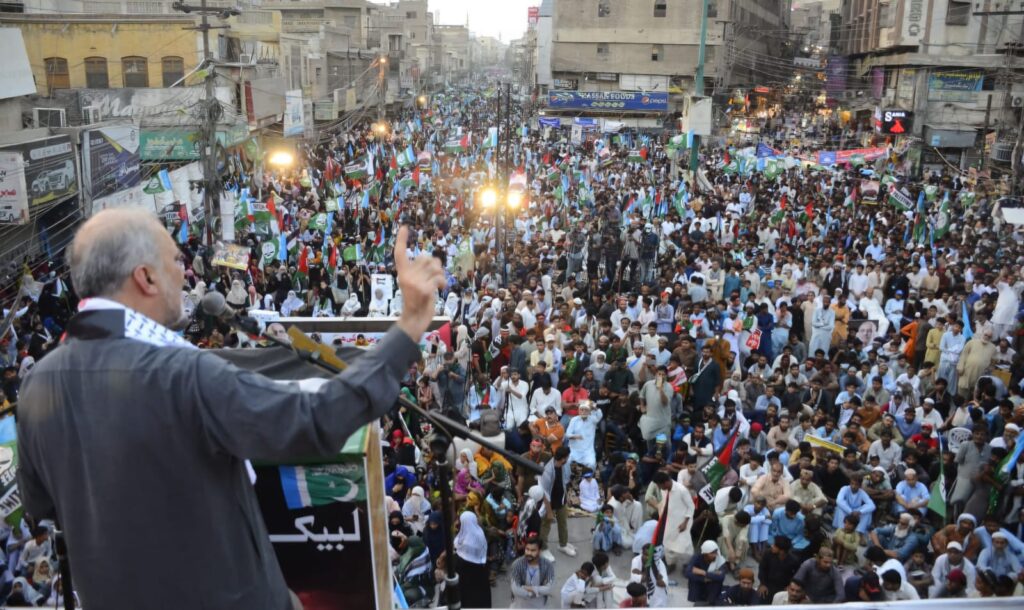
Despite this silence from leadership, the people are speaking. From London, Paris, Berlin to New York, millions have poured into the streets, demanding a ceasefire in Gaza. University campuses in the US have been rocked by pro-Palestinian sit-ins, some of the largest since the Iraq War.
And inside Israel itself, a minority of brave activists have stood up. “Not in Our Name” protests have erupted in Tel Aviv, where Israeli Jews, Arab citizens, and families of hostages have demanded an end to the bloodshed and a humanitarian truce. However, these voices are often vilified, marginalized, or silenced under Israel’s sweeping anti-dissent laws.
Conclusion: A World of Selective Justice
The ease with which Donald Trump enforced a ceasefire between Iran and Israel highlights a painful truth: international diplomacy only works where power allows it to. Gaza, devoid of strategic value to Western interests, remains a testing ground for modern warfare, with no protection from international law.
If the US can stop bombs from falling on Tehran, it can stop them from falling on Rafah and Gaza City. But it chooses not to.
Until global powers, especially the United States, align their moral rhetoric with real-world policy, Gaza will continue to suffer, not from a lack of law, but from a deliberate lack of will. (ST)