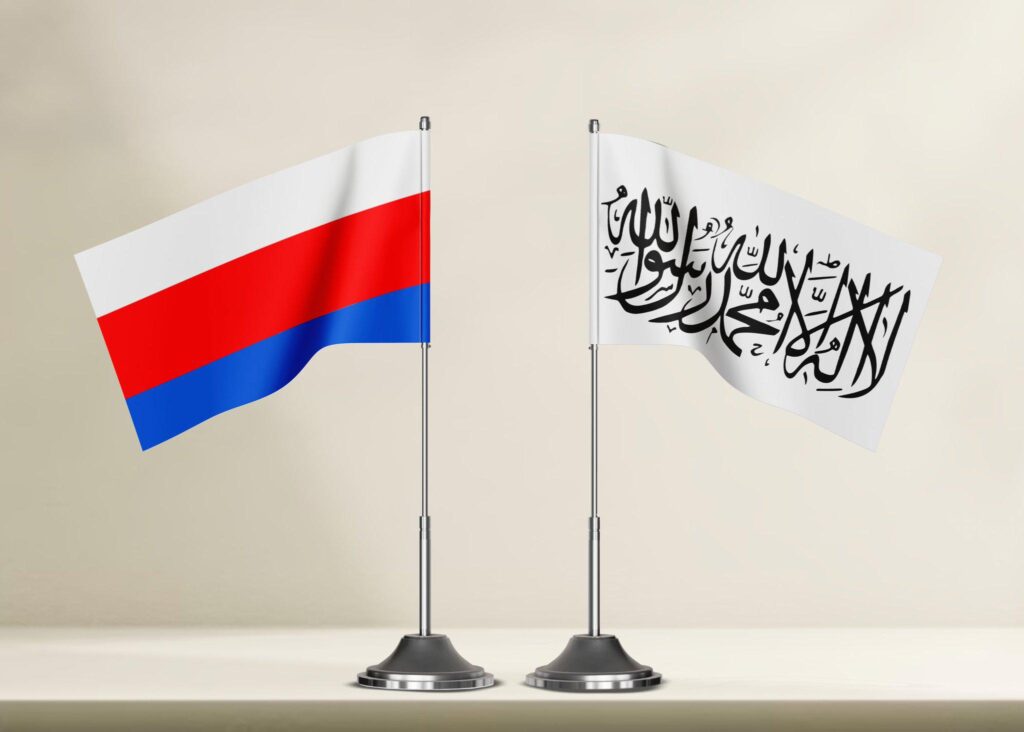
The Russian Foreign Ministry announced it had accepted the credentials of Afghanistan’s new ambassador, officially acknowledging the Islamic Emirate of Afghanistan.
“We believe that the act of official recognition will give impetus to the development of productive bilateral cooperation between our countries in various fields,” the ministry said.
The move marks a significant shift in international engagement with the Taliban, who seized power in August 2021.
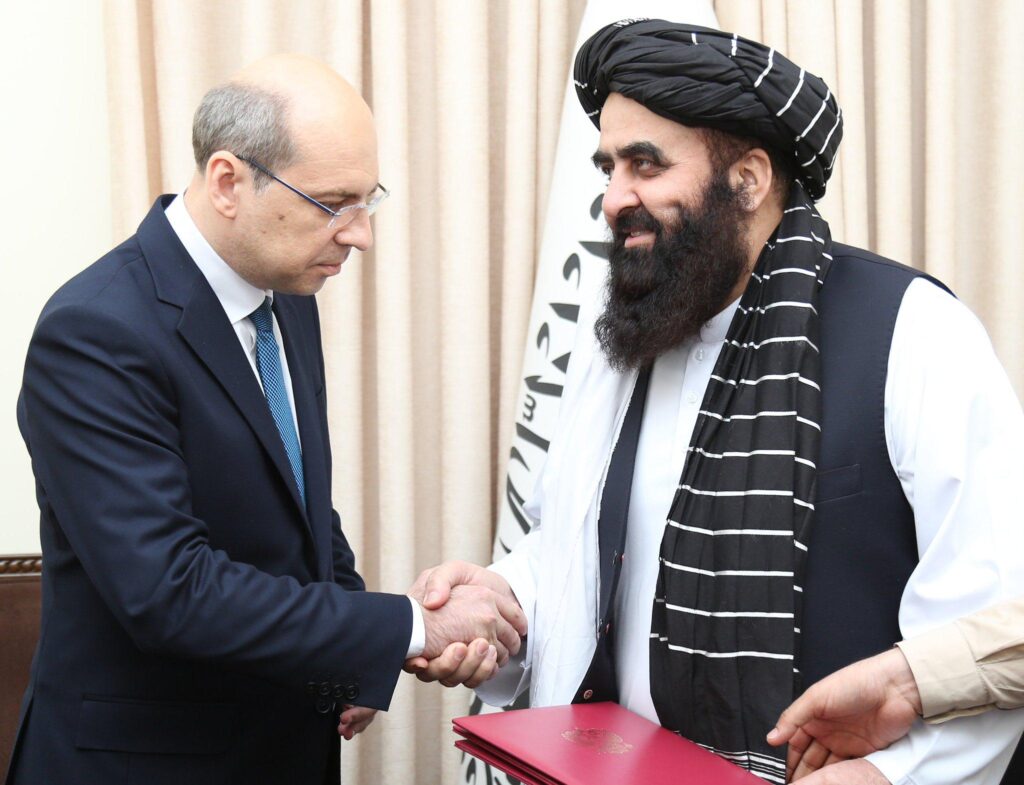
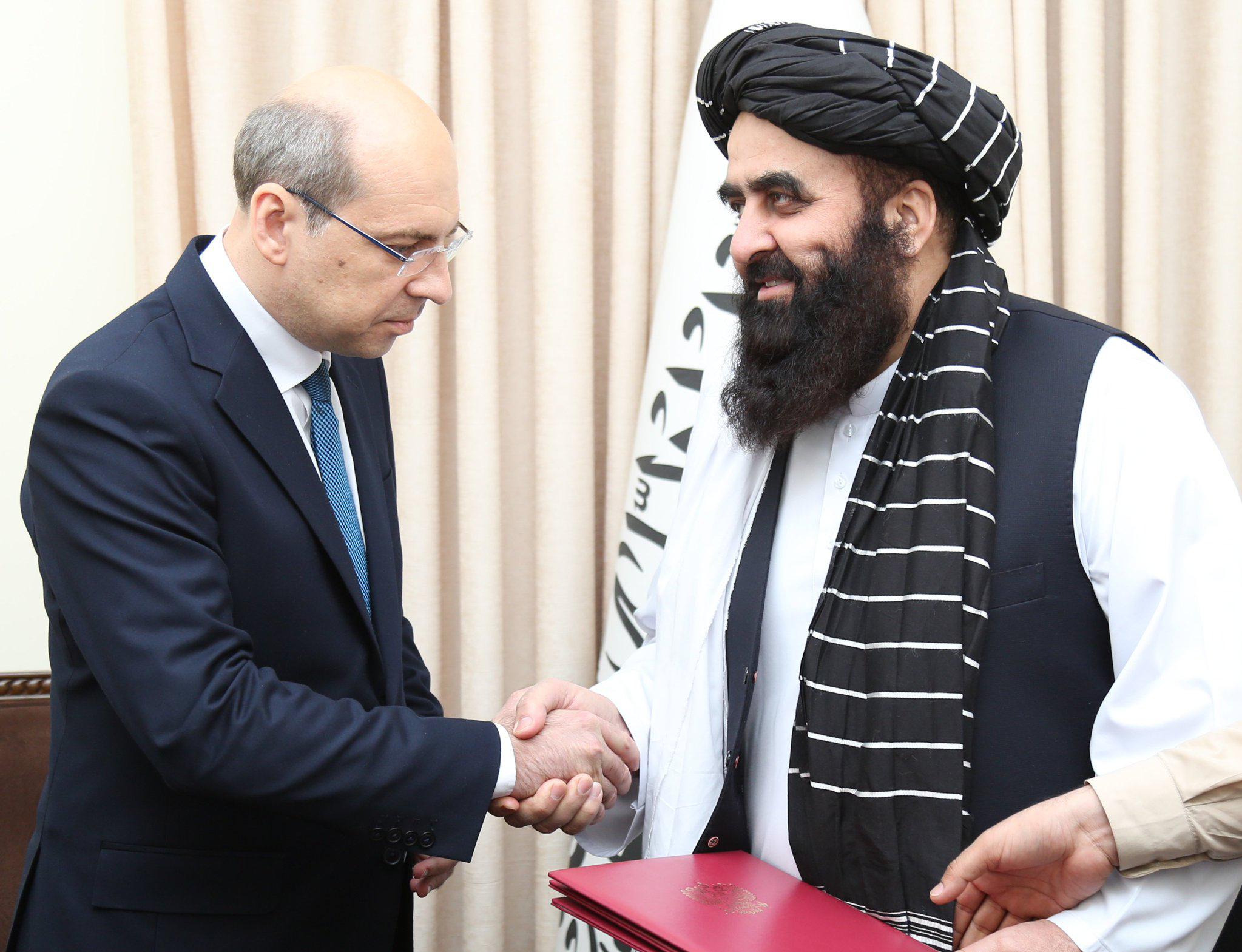
According to Afghan officials, Russian Ambassador Dmitry Zhirnov met Afghanistan’s Foreign Minister, Mawlawi Amir Khan Muttaqi, to formally deliver the Russian government’s decision to recognise the Islamic Emirate of Afghanistan.
During the meeting, Ambassador Zhirnov highlighted the significance of this step, describing it as a historic move to strengthen relations between Moscow and Kabal.
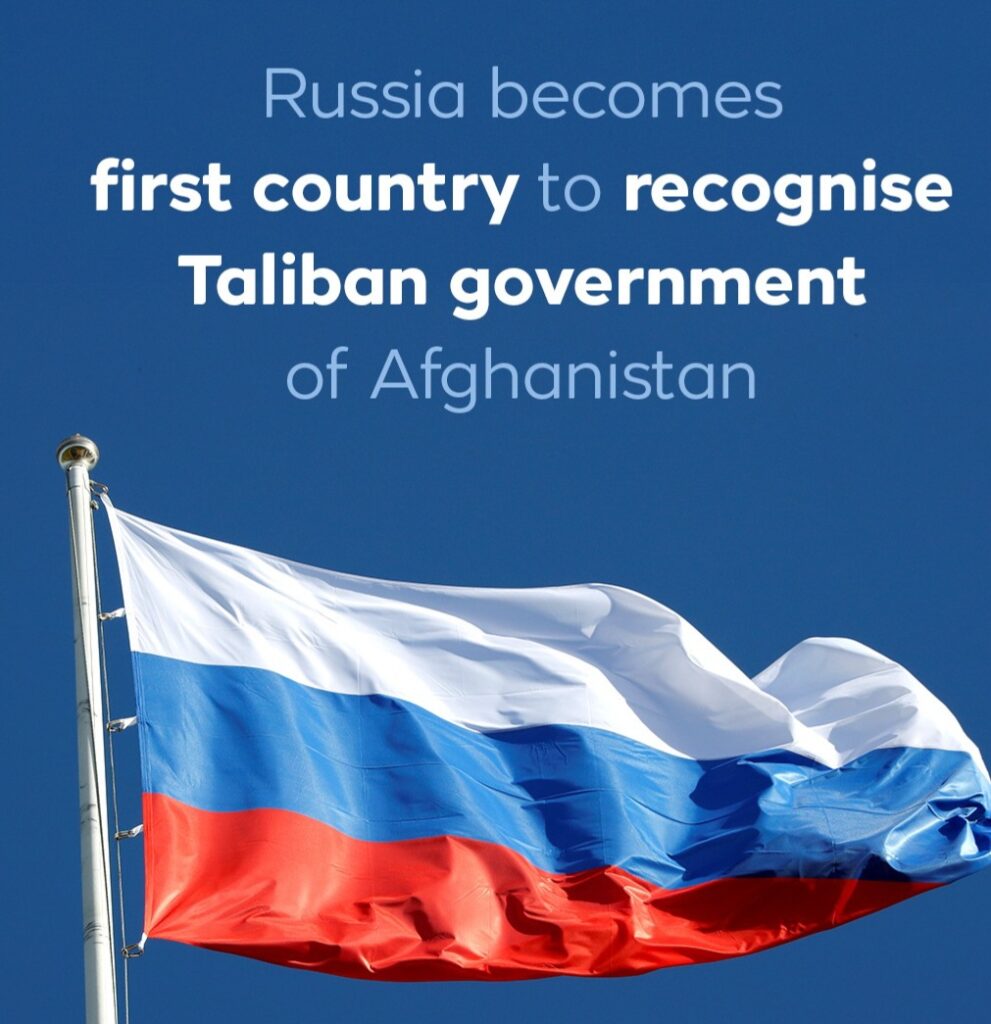
Foreign Minister Muttaqi welcomed Russia’s decision, calling it the start of a new phase of positive relations, mutual respect, and constructive cooperation between the two countries. He said the “realistic” recognition would be remembered as an important development in the history of bilateral ties and would set a positive example for other nations to follow.
“With this step, bilateral cooperation between our two countries will further expand,” Muttaqi added.
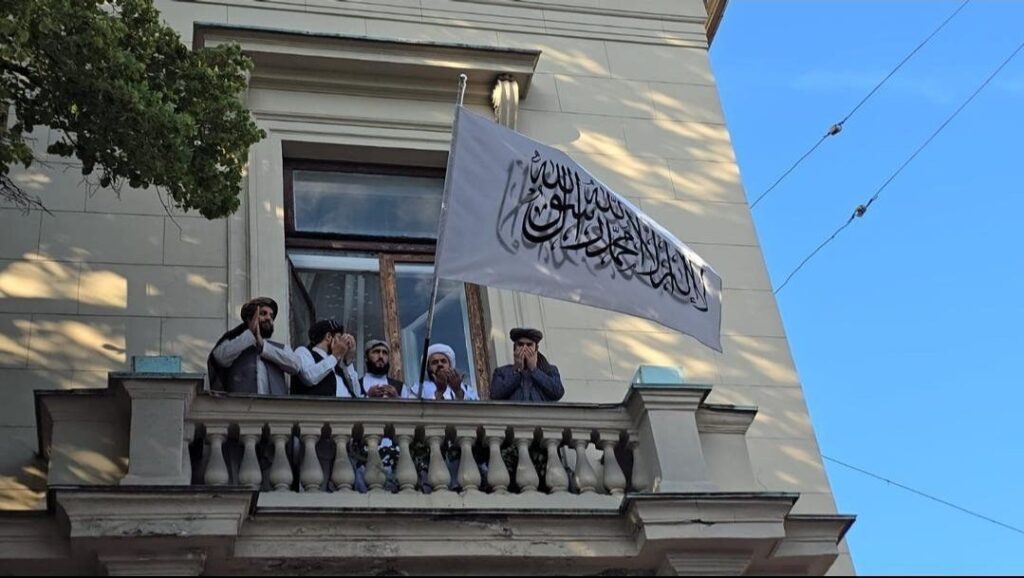
Taliban officials have long appealed to the international community to grant them formal recognition, arguing it would help Afghanistan overcome years of isolation and economic hardship. However, most governments, including the United States and European powers, have refused to do so, citing concerns over human rights and restrictions imposed on women and girls.
Russia maintained diplomatic contacts with the Taliban after their return to power in August 2021 and has hosted Taliban representatives for regional security talks.
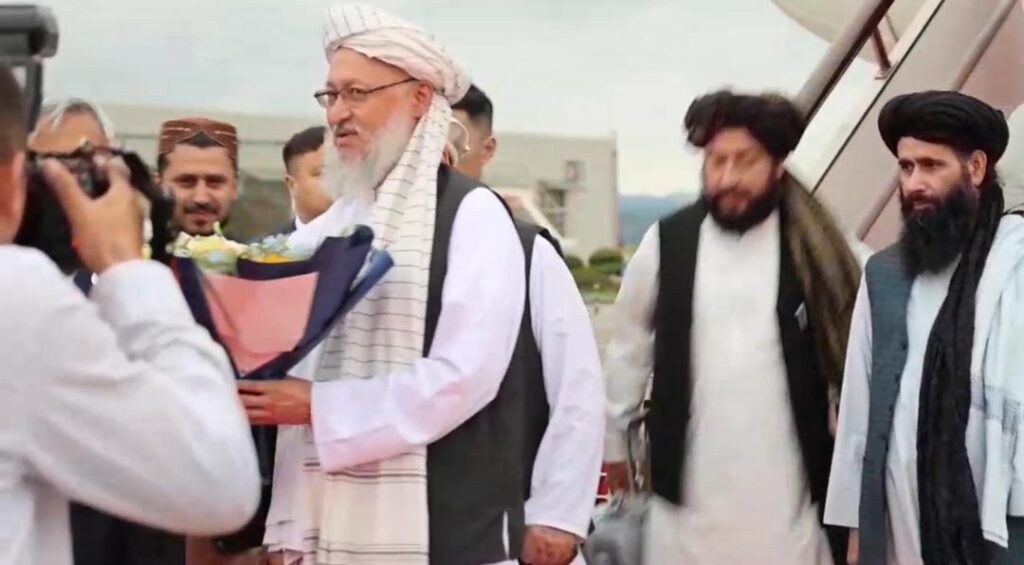
Analysts say Moscow’s decision could bolster the Taliban’s quest for legitimacy and encourage other regional powers to engage more openly with Kabul.
The development is expected to have far-reaching implications for Afghanistan’s relations with its neighbours and the wider international community. (ST)