Sajjad Tarakzai
As Israeli Prime Minister Benjamin Netanyahu, wanted by the International Criminal Court for alleged war crimes in Gaza, nominates US President Donald Trump for the Nobel Peace Prize, critics are asking: Has the Nobel Peace Prize lost its way?
Once regarded as the pinnacle of human achievement in diplomacy, peacebuilding, and humanitarianism, the Peace Prize has increasingly become a flashpoint of political controversy, ethical contradictions, and subjective judgment.
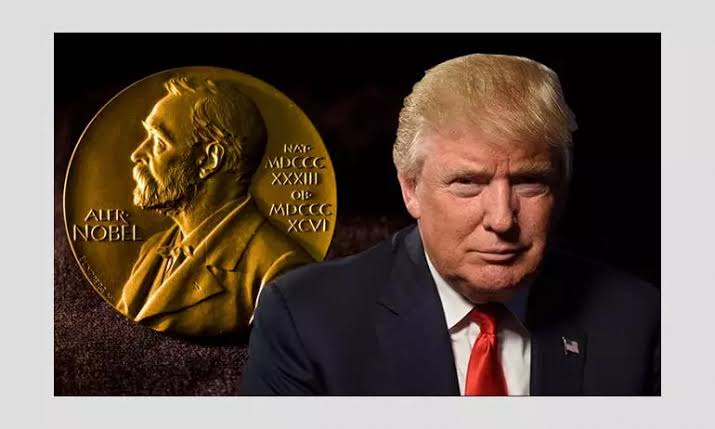
During a high-profile meeting at the White House on July 7, Netanyahu handed Trump an envelope containing a letter to the Norwegian Nobel Committee. This nomination, both supporters and critics say, carries heavy symbolic weight. While Netanyahu hailed it as a gesture of recognition for Trump’s role in diplomacy, analysts and observers around the world have decried the move as a grim farce.
“Wow, coming from you, in particular, this is very meaningful,” Trump responded, visibly pleased, as Netanyahu praised his “well-deserved” candidacy for the prize.
But beneath the public smiles lies a far deeper unease. Netanyahu, under the shadow of ICC proceedings for overseeing military actions that have killed thousands in Gaza and devastated civilian infrastructure, is not only a highly polarizing figure on the world stage but also widely condemned by human rights groups for his government’s sustained and disproportionate use of force.
From Dynamite to Diplomacy
Founded in the will of Swedish industrialist Alfred Nobel, the inventor of dynamite, the Peace Prize was meant to honor those who “shall have done the most or the best work for fraternity between nations, for the abolition or reduction of standing armies, and for the holding and promotion of peace congresses.”
Yet more than a century later, that original vision seems blurred. Nobel’s desire to leave behind a legacy of peace has, at times, collided with the harsh realities of politics and war.
Nominations – and Endless Questions
In the backdrop of the nomination of President Trump, Israel’s war in Gaza has entered its 21st month, with death tolls mounting and infrastructure collapsing. In June, the ICC issued warrants for Netanyahu and former Defense Minister Yoav Gallant, citing evidence of war crimes, including the deliberate targeting of civilians, the use of starvation as a weapon, and disproportionate force.
Meanwhile, tensions with Iran have escalated following a 12-day conflict in which both nations exchanged missile fire, and Israeli airstrikes hit targets in southern Lebanon. As the region teeters on the edge of wider war, Netanyahu’s endorsement of Trump, delivered in his Washington visit, has prompted what some are calling an ethical crisis for the Nobel Committee.
A Peace Prize Amid Bloodshed
This irony is not lost on observers: a wartime leader nominating another polarizing figure whose presidency saw border wall construction, international isolationism, and the abandonment of key treaties like the Paris Climate Accord.
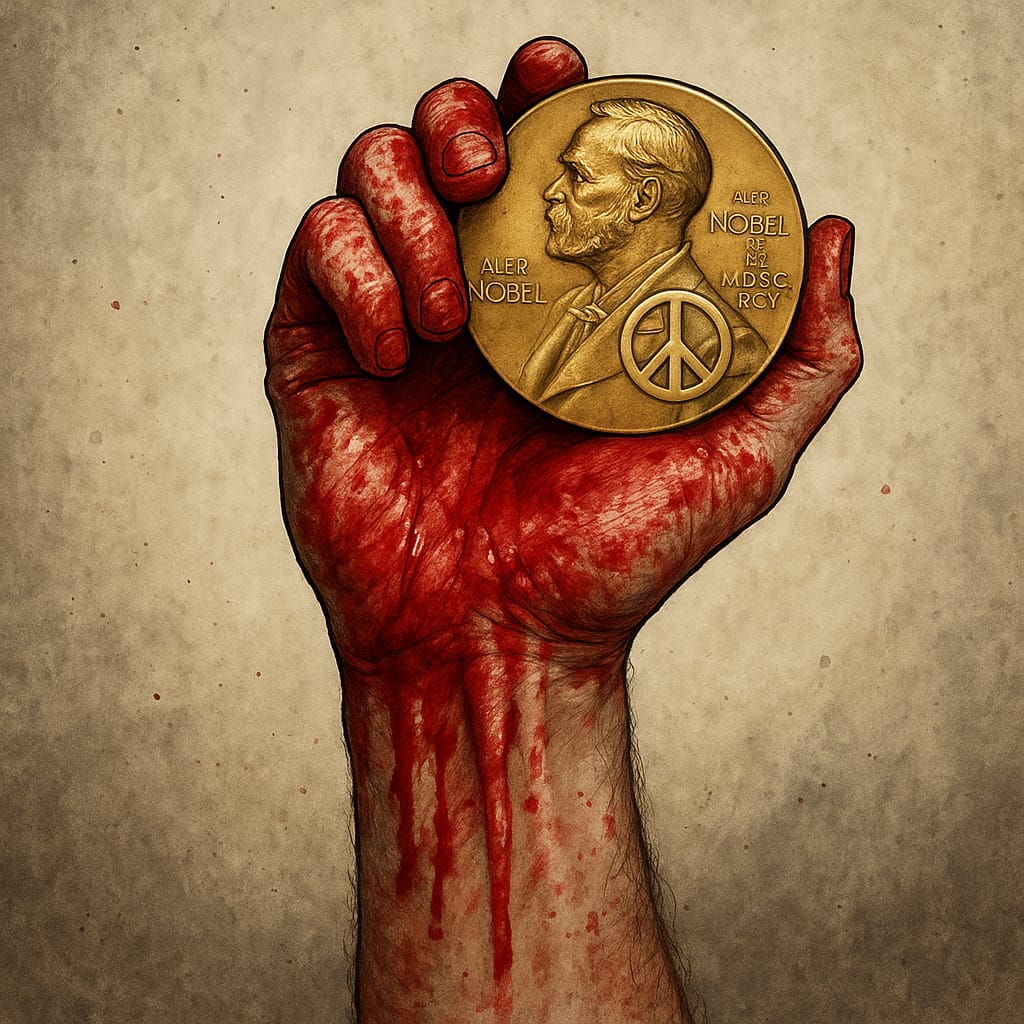
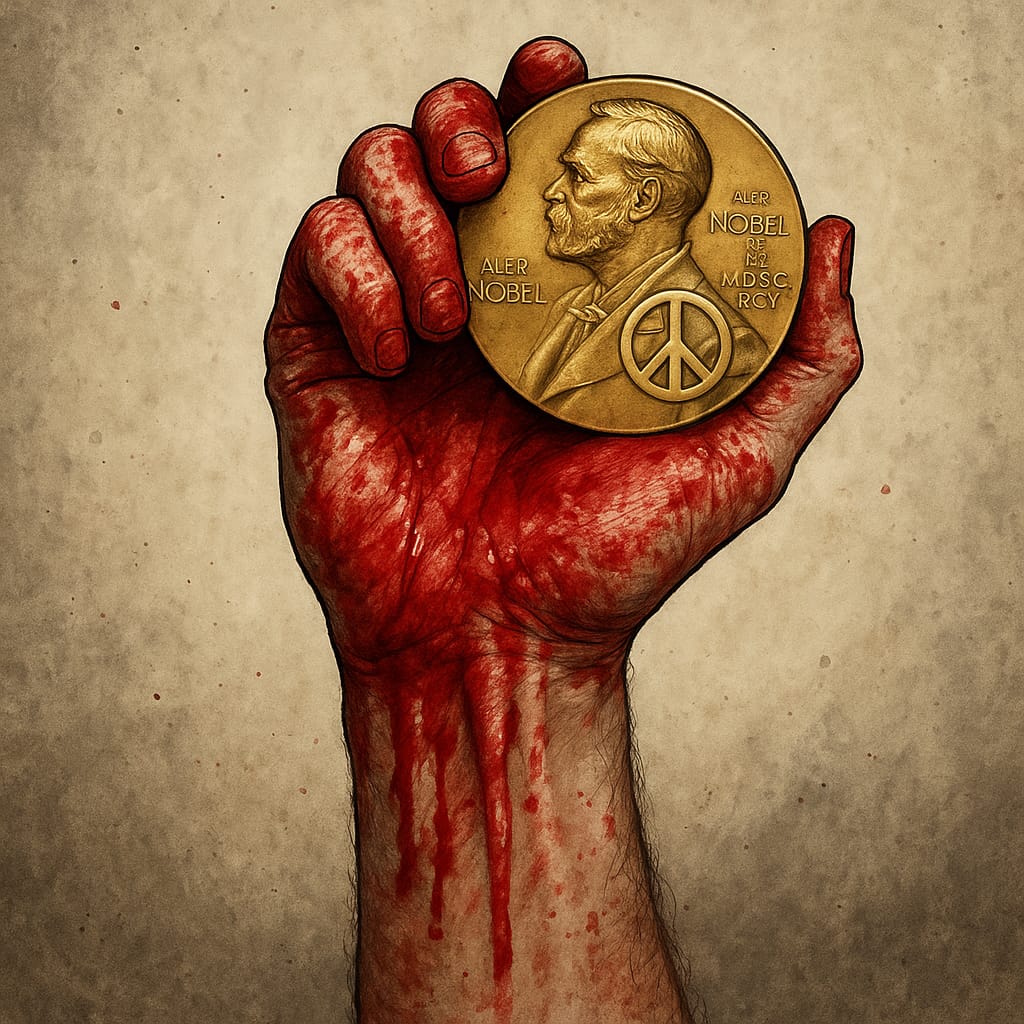
“It’s grotesque,” says one analyst. “A man whose hands are stained with blood, nominating someone for peace?”
A Pattern of Controversy
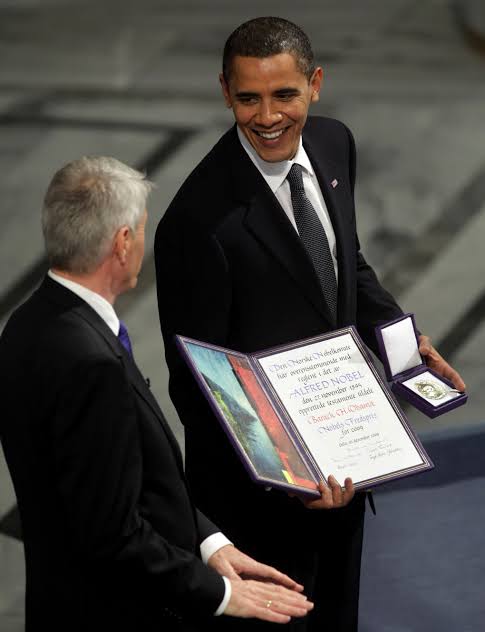
This isn’t the first time the Peace Prize has raised eyebrows. In 2009, Barack Obama received the award just nine months into his presidency, even as the US continued wars in Iraq and Afghanistan and launched drone strikes in Pakistan and Yemen.
Henry Kissinger received it in 1973 for ending the Vietnam War, despite allegations of war crimes tied to bombings in Cambodia and elsewhere.
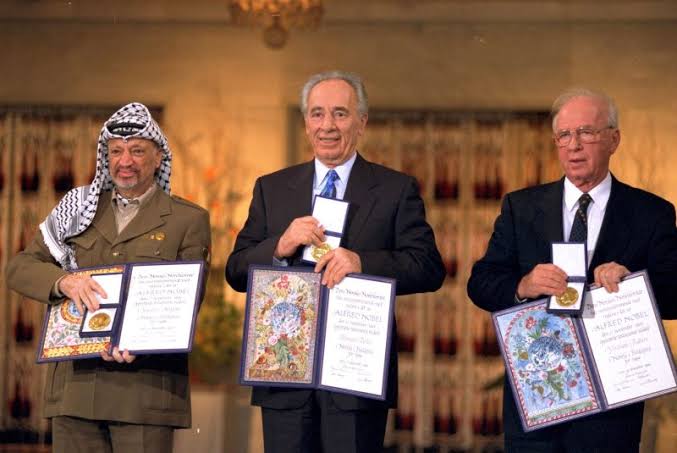
Some laureates have turned from heroes to villains. Ethiopian Prime Minister Abiy Ahmed won the prize in 2019 for making peace with Eritrea, only to launch a brutal military campaign in the Tigray region the following year, marred by allegations of war crimes.
Even Aung San Suu Kyi, once hailed as a global icon of democracy, faced global condemnation over her silence and complicity in the genocide of the Rohingya Muslims.
In each case, the committee’s choices, often aspirational, have backfired when reality caught up.
Opaque Decisions, Lasting Consequences
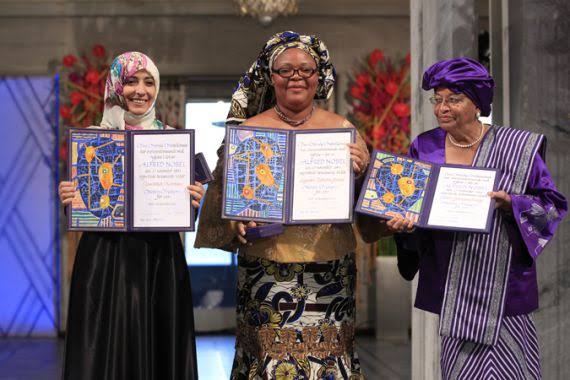
The Norwegian Nobel Committee, a five-member body appointed by the Norwegian parliament, chooses the Peace Prize winners in strict secrecy. Nomination records remain sealed for 50 years.
Qualified nominators include sitting heads of state, lawmakers, academics, and former laureates, meaning even controversial or indicted figures, like Netanyahu, are technically allowed to nominate.
But as one human rights activist puts it: “Just because you can nominate, doesn’t mean you should. Allowing war criminals to nominate peacemakers is an insult to victims everywhere.”
A Prize at a Crossroads
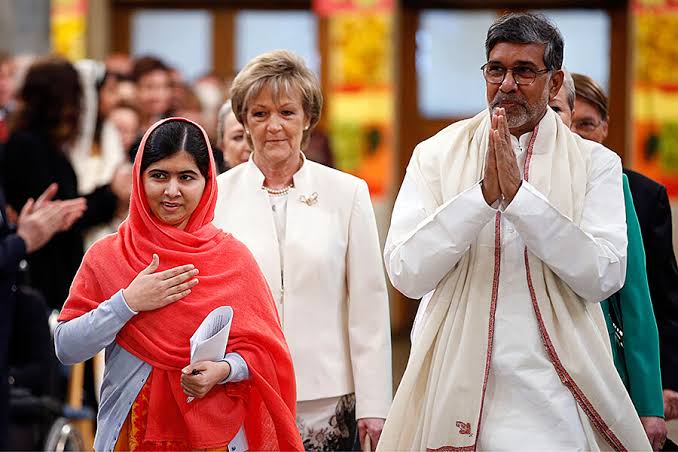
Each laureate receives a gold medal, a diploma, and nearly $900,000, awarded on December 10, the anniversary of Alfred Nobel’s death. But the symbolic value of the Peace Prize may be its most fragile asset.
As Trump receives yet another nomination, now from one of the world’s most divisive and indicted leaders, the Nobel Peace Prize faces a hard reckoning:
Can a prize for peace still retain its credibility in a world at war, especially when its gatekeepers ignore the blood on the hands of those who hand out the nominations?.