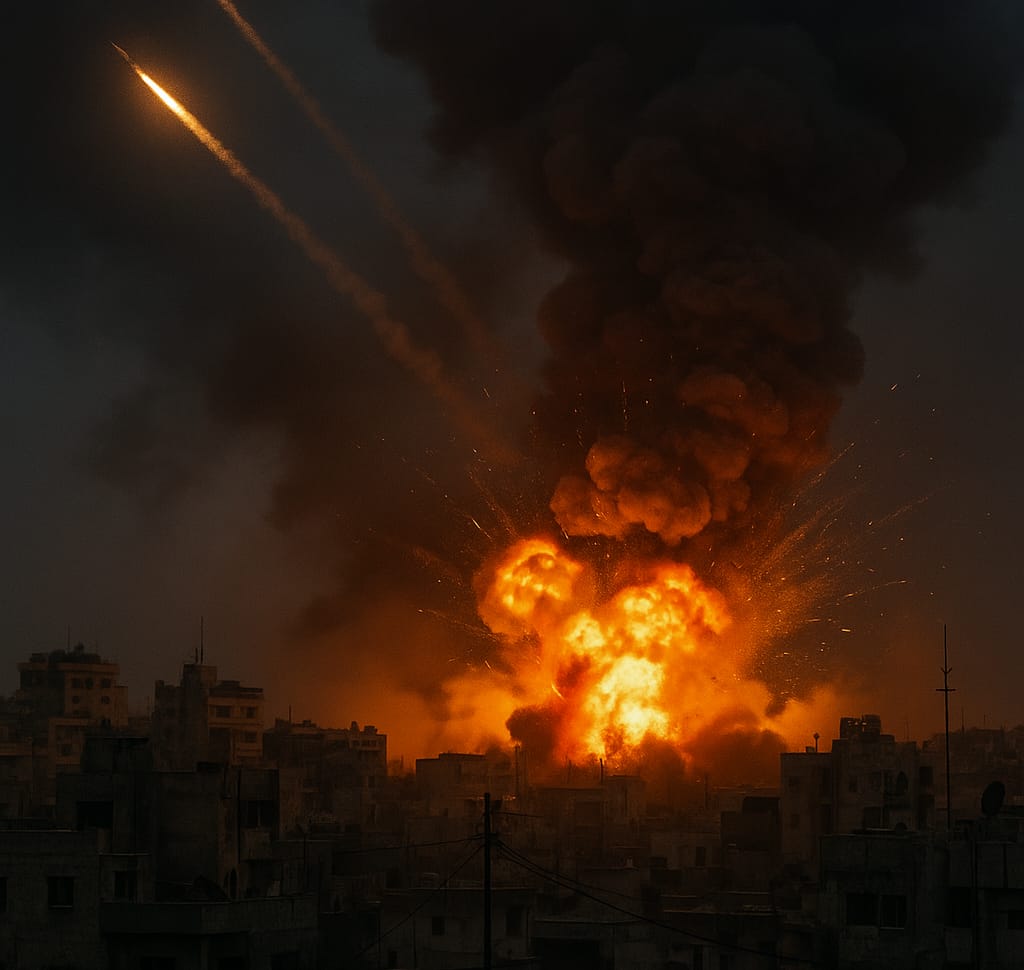
Israel’s latest airstrikes on Syria’s capital, Damascus, including direct hits on the Defence Ministry and areas surrounding the presidential palace, have left the region shaken and the international community questioning the motives behind this sudden escalation. Officially, Tel Aviv claims the strikes were aimed at protecting the Druze minority in southern Syria. But regional analysts, local leaders, and rights groups paint a different picture, one that suggests political opportunism, regional hegemony, and a disregard for international law.
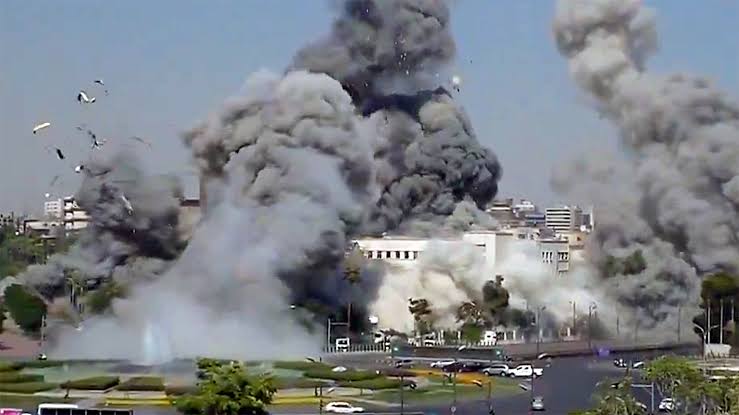
The July 16 attacks killed at least three people and injured 34 others, according to Syrian authorities, who condemned the strikes as a “dangerous escalation” and “flagrant violation” of Syria’s sovereignty. But what pushed Israel to strike with such force, and why now?
Official Claims vs Strategic Realities
The Israeli government maintains that its strikes were a response to clashes between Syrian government forces and Druze fighters in Suwayda province, near the borders with Israel and Jordan. Fighting there, which has claimed more than 250 lives in the past week, began after a breakdown in tribal relations between Druze and Bedouin communities.
Israel says its goal is to protect the Druze, a minority with religious and historical ties to the region, from repression by Syrian state forces. However, Druze leaders in Syria have largely dismissed this claim, calling Israel’s involvement unwanted and provocative.
“Israel is trying to weaponize our identity to justify its aggression,” one Druze elder in Suwayda told local media. “We do not seek its protection, and we do not wish to be pawns in its regional games.”
A Calculated Strike on a Fragile State
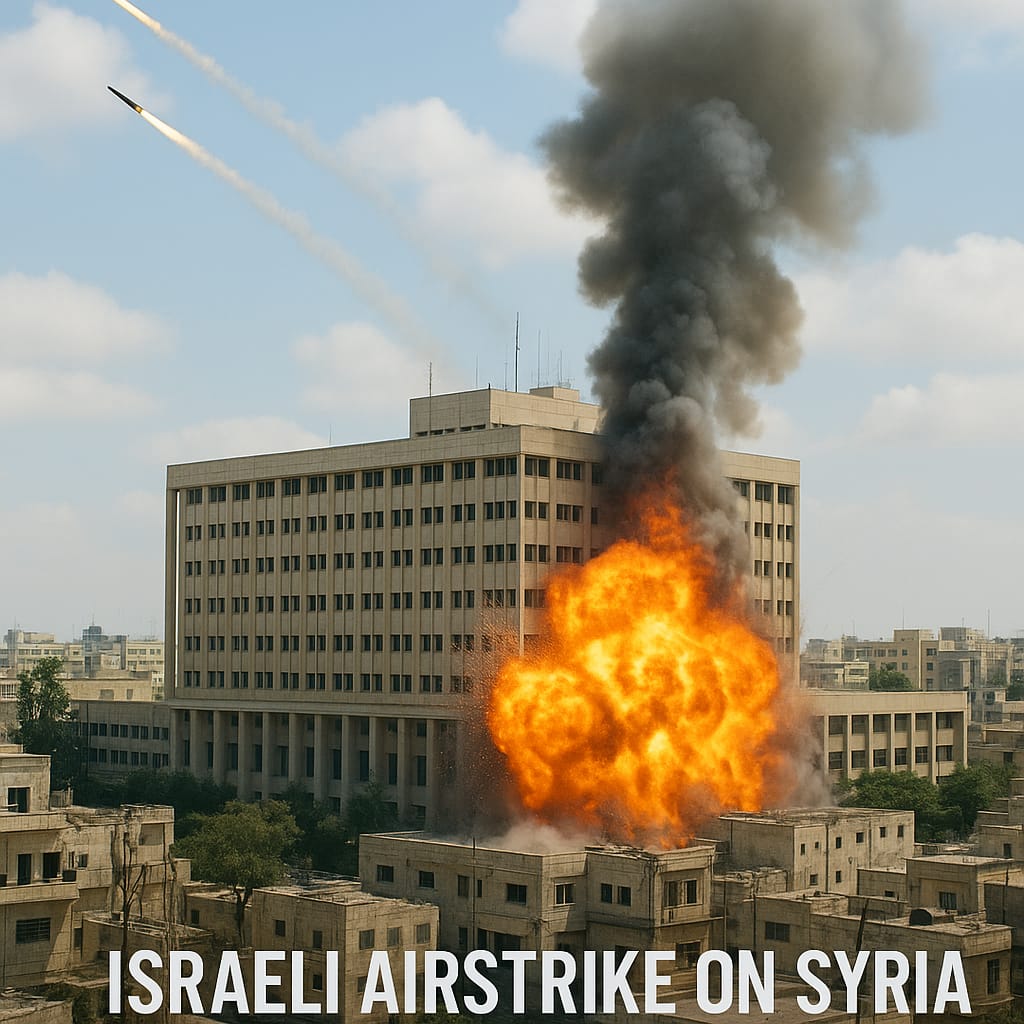
The location and timing of the strikes reveal deeper strategic intentions. Airstrikes hit the Ministry of Defence in central Damascus, the General Staff compound, and areas near the presidential palace, not just military units near Suwayda. The message appears clear: Israel is not just intervening in southern Syria, it is challenging the very authority of Syria’s new post-Assad government.
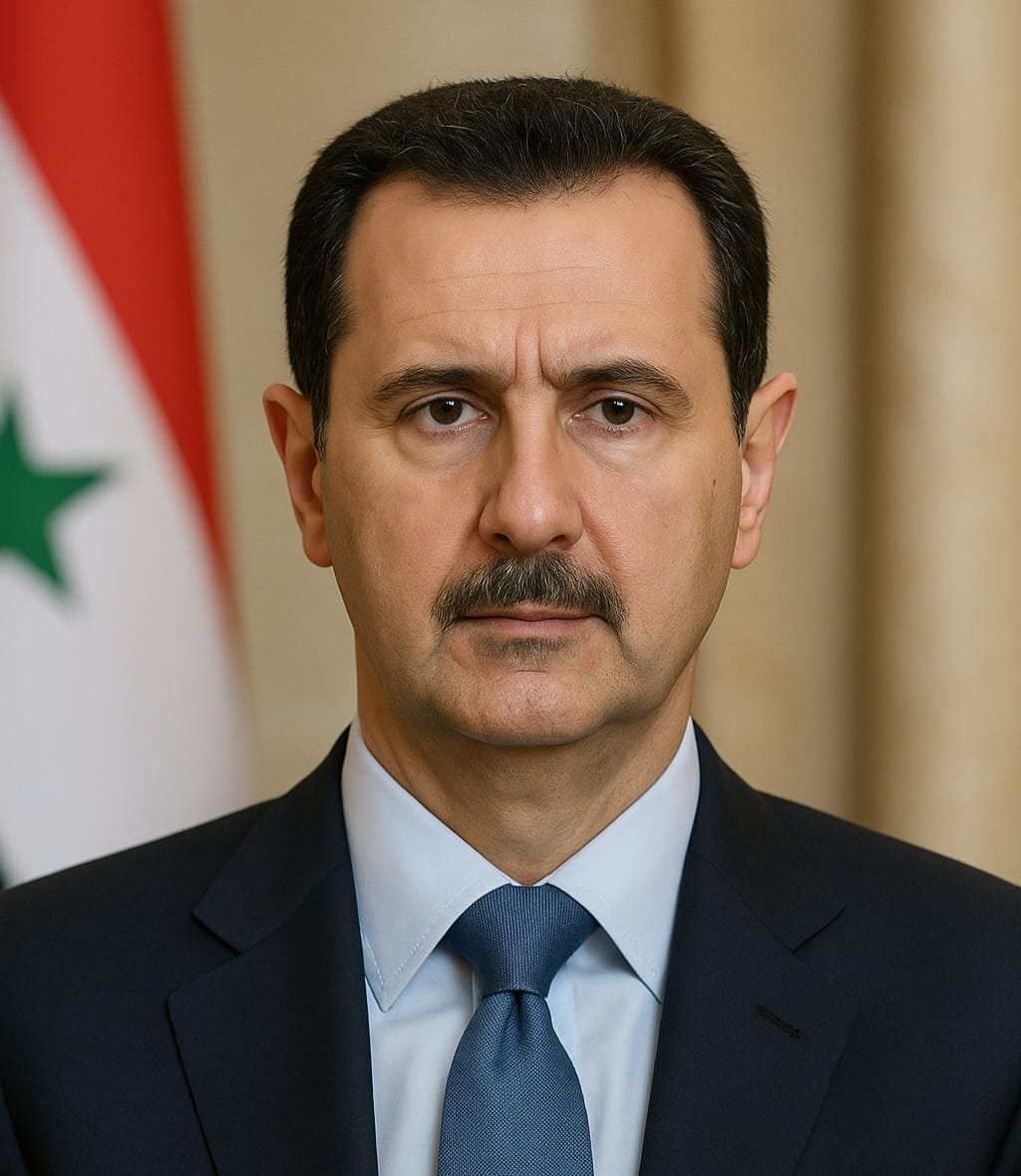
Since the fall of Bashar al-Assad’s regime earlier this year, Syria’s fragile transition has left it vulnerable to foreign influence. Analysts suggest Israel is exploiting this moment of instability to impose its red lines.
“Israel sees any reassertion of Syrian sovereignty, particularly near the Golan Heights, as a threat,” said Ammar Kahf, director of the Omran Center for Strategic Studies. “It wants a weak Syria, fragmented and unable to challenge its military dominance.”
A Pattern of Impunity
Israel has carried out hundreds of airstrikes in Syria over the past decade, often targeting Iranian or Hezbollah-linked positions. But this latest wave stands apart for its symbolic and political targeting of Damascus itself.
The strikes not only violated Syrian airspace, but they also directly targeted national institutions. For many observers, it was a show of force aimed not at protecting minorities, but at ensuring Syria’s central government remains on the defensive.
“Syria is not the only battlefield here,” said one Beirut-based analyst. “This is also about Iran, Lebanon, and sending a message to Russia and China, who have increased diplomatic ties with Damascus.”
International law experts have condemned the strikes, calling them a breach of the UN Charter’s prohibition on the use of force or aggression. Yet Israel continues to act with near-total impunity, backed by Western silence or outright support.
Regional Power Politics Masquerading as Defense
The claim of defending the Druze begins to fall apart under scrutiny. Druze communities in Syria, while divided internally, have not called for Israeli involvement. Instead, many accuse Israel of using their cause to justify deeper interference in Syria’s south, a key strategic corridor that connects Damascus to Jordan and Lebanon.
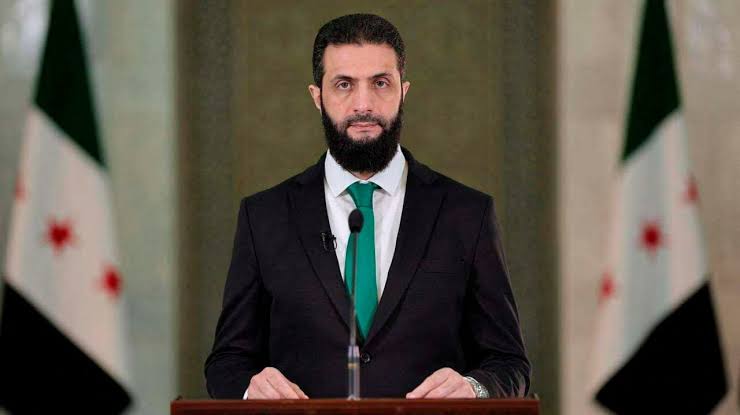
The larger objective, some argue, is to create a buffer zone, or at least maintain Syrian disunity, to neutralize threats along Israel’s northern border.
“Israel does not want a functioning Syrian state near the Golan Heights,” said a UN-based Middle East researcher. “It prefers chaos, because chaos cannot organize, defend, or push back.”
The Ceasefire That Followed — and What Comes Next
Shortly after the strikes, Syria’s Ministry of Interior declared a new ceasefire in Suwayda and began a partial military withdrawal. Whether this was in response to Israel’s attacks or an independent move is unclear. What is clear, however, is that the Israeli military intends to maintain pressure.
“This is not over,” warned Israeli Defence Minister Yoav Gallant, adding that more strikes could follow if Syria “continues to destabilize” the region.
But critics argue it is Israel that is destabilizing Syria, not the other way around.
Conclusion: The Cost of Silence
In a world distracted by multiple global crises, Israel’s attacks on Damascus may fade from the headlines, but they carry dangerous implications. With each unpunished strike, international norms erode further. And for Syrians, still reeling from years of war, it is yet another blow in a conflict they did not ask for.
If the international community continues to look away, the message is clear: power, not principle, decides the fate of nations. ST