Staff Report
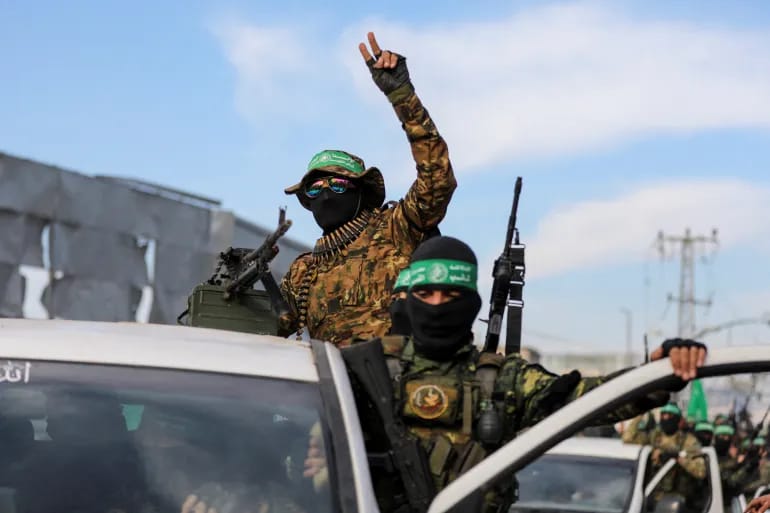
In a significant development, Hamas has announced that Israel has rejected a ceasefire proposal that would have led to the release of all captives currently held in Gaza. Abu Obeida, the spokesperson of Hamas’s military wing, the Qassam Brigades, emphasized that the proposal aimed to end hostilities, ensure the withdrawal of Israeli forces, and facilitate humanitarian aid for Palestinians. The rejection of this deal by Israeli Prime Minister Benjamin Netanyahu and his cabinet has set the stage for a potential prolonged conflict.
Hamas Prepared for Extended Conflict
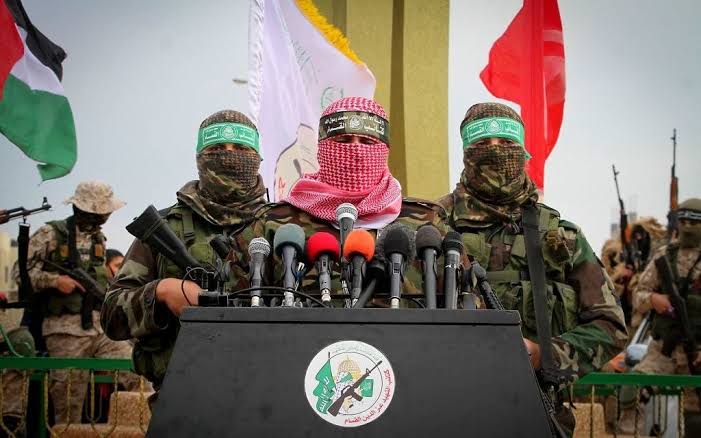
Abu Obeida, in a nearly 20-minute prerecorded video message released on Friday, stated that Hamas is ready to engage in a “long battle of attrition” if no agreement is reached. He warned that if Israel withdraws from ongoing indirect negotiations in Qatar, the group would not guarantee a return to any partial deals, including a 60-day agreement currently under discussion. This deal would have seen the release of 10 captives. Hamas is reportedly still holding 50 individuals in Gaza, with around 20 believed to be alive.
International Dynamics and US Involvement
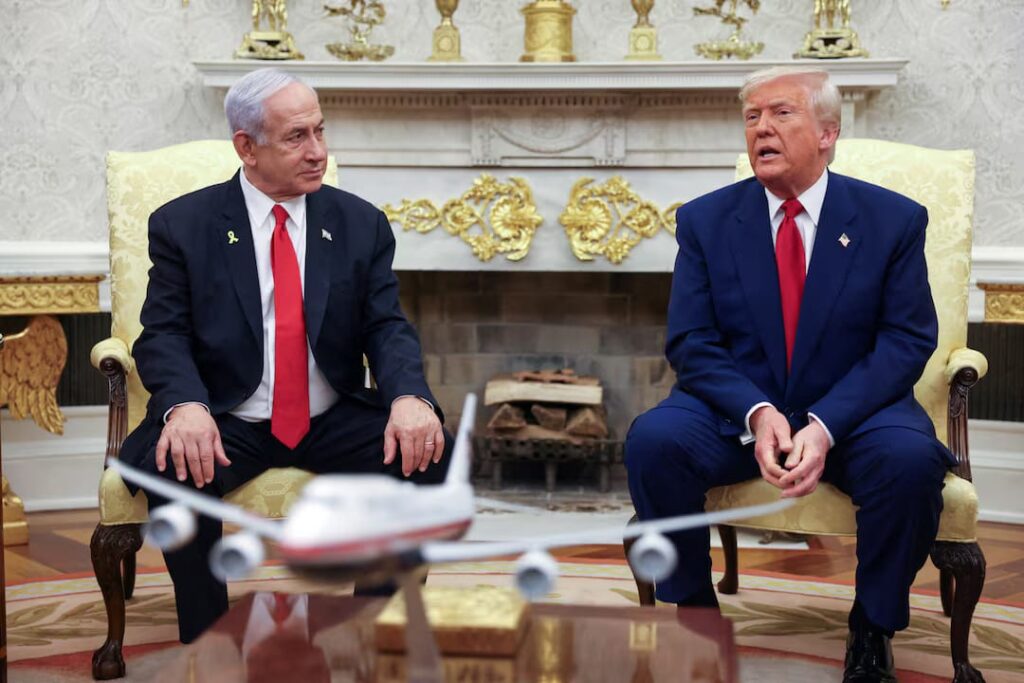
The situation has drawn attention from international leaders, including US President Donald Trump, who, during a dinner with lawmakers at the White House, claimed that another 10 captives would soon be released from Gaza. However, details on this development remain scarce, and the US leader’s assertions of an imminent ceasefire and captive release have yet to materialize.
Humanitarian Crisis Deepens
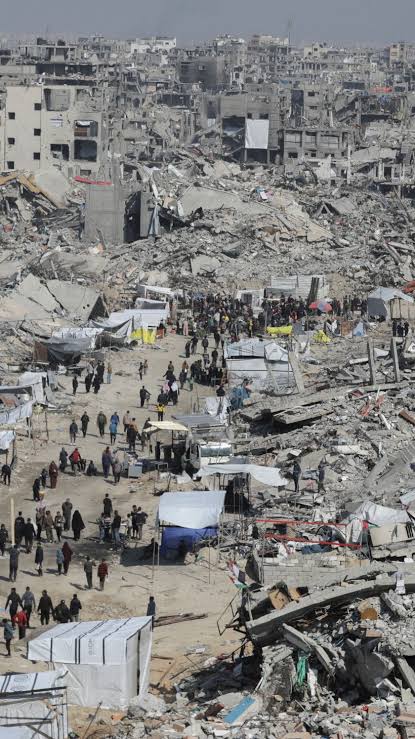
The humanitarian situation in Gaza continues to deteriorate rapidly. Latest figures from Gaza’s Ministry of Health report over 58,667 Palestinians killed and 139,974 wounded since the conflict’s escalation in October 2023. At least 7,843 have died, and 27,993 have been injured since the last ceasefire was broken in March. The Ministry warns of an unprecedented influx of malnourished individuals, including children, arriving at hospitals in critical condition due to food shortages. The Palestinian NGO Network describes the situation as the worst phase of a humanitarian catastrophe, exacerbated by Israel’s blockade.
International Criticism and Military Actions
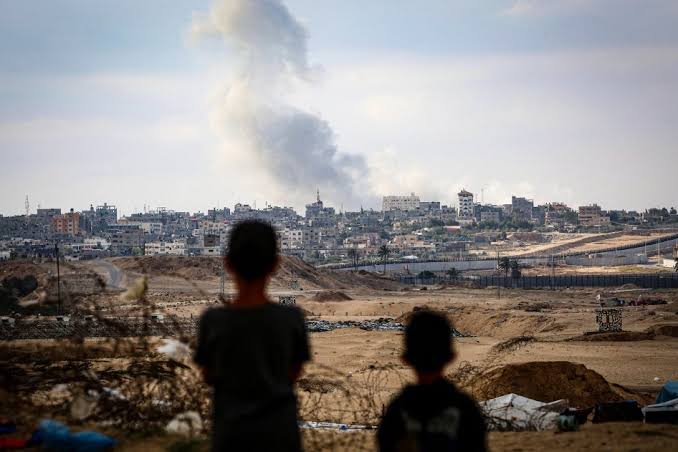
Israel’s military actions, including the construction of a new corridor and plans to build a camp on the ruins of Rafah, have faced international criticism. During the last 24 hours, Israeli forces killed more than 55 Palestinians, further escalating the crisis. As soldiers block humanitarian aid, the healthcare system in Gaza is teetering on the brink of collapse.
Conclusion and Next Steps
With indirect talks in Doha stalling and Israel maintaining its military stance, the possibility of a peaceful resolution seems distant. As tensions escalate, the international community watches closely, urging immediate humanitarian relief, a return to negotiations, and an Immediate ceasefire. ST