Israel’s War Has Turned Gaza Into a Famine Zone, Aid Blocked, Children Dying, World in Outrage
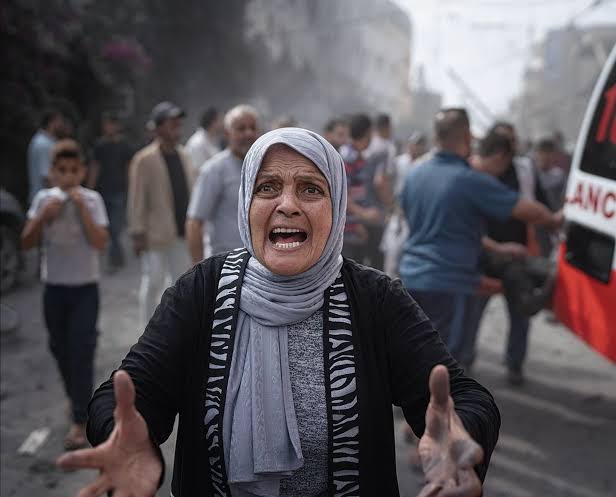
21 Months of War: Gaza Plunged into Hunger and Chaos
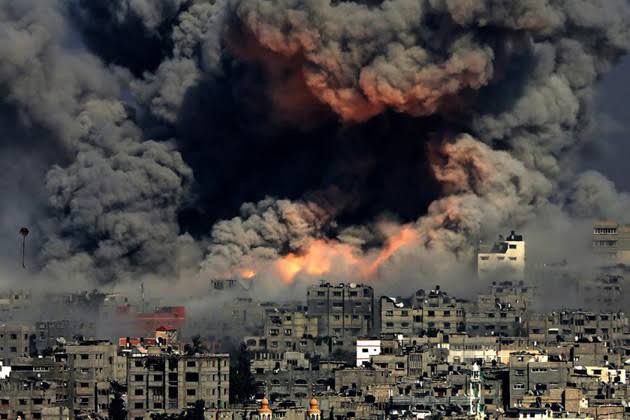
Nearly two years into Israel’s war on Gaza, the enclave faces an accelerating humanitarian collapse. Images of lifeless children, desperate crowds, and mass graves of the malnourished now define a territory that was once home to vibrant communities. More than two million people remain trapped, with nowhere to run and nothing left to eat.
According to the World Health Organization (WHO), Palestinians in Gaza are enduring a man-made famine. WHO Director-General Tedros Adhanom Ghebreyesus warned:
“Parents tell us their children cry themselves to sleep from hunger… Food distribution sites have become places of violence.”
The United Nations estimates that over 1,000 Palestinians have been killed since late May while trying to access food. Most of these deaths occurred near the controversial Israel- and US-backed Gaza Humanitarian Foundation (GHF) aid sites.
A Manufactured Crisis: From Blockade to Mass Starvation
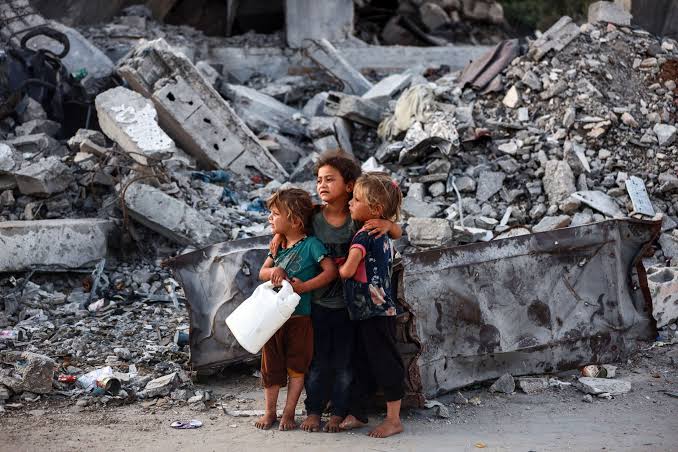
Gaza has long been under siege, but Israel’s response to Hamas’ October 7 attack, in which 1,200 Israelis were killed, marked a deadly escalation. A “complete siege” was declared, cutting off electricity, water, food, and fuel to the besieged territory.
Before the war, between 500 and 600 trucks entered Gaza daily. Now, aid groups say the number has dropped to just 28 per day, insufficient to sustain life for the enclave’s 2.1 million residents. All are now officially food insecure.
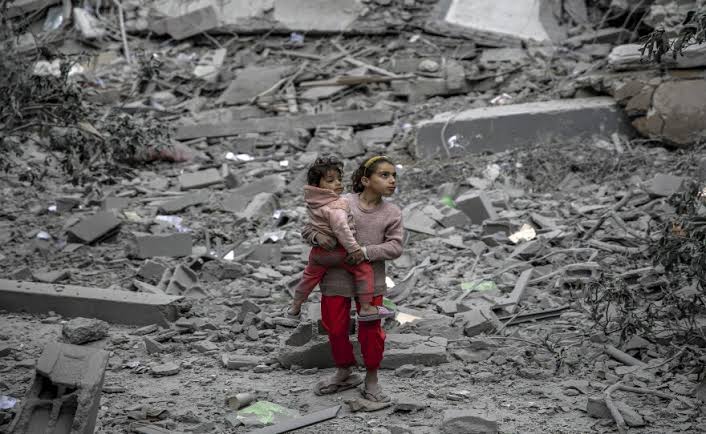
Gaza’s Health Ministry reports that 900,000 children are going hungry. At least 70,000 show signs of acute malnutrition.
The Collapse of Humanitarian Systems
In January 2025, Israel banned the UN agency for Palestinian refugees (UNRWA) from operating in Gaza after unproven allegations that a handful of its staff were involved in the October 7 attack. The move stripped hundreds of thousands of Palestinians of essential services, including food, healthcare, and education.
In place of UNRWA, the Gaza Humanitarian Foundation was introduced. But its structure, coordinated with the Israeli military and reliant on private contractors, drew criticism for violating the principles of neutrality and independence. Even its founding director, Jake Wood, resigned days before the launch, citing ethical concerns.
The UN refused to work with the GHF, calling the system deeply flawed. Aid workers and human rights groups say the centralized aid distribution model, with only a few operating centers, has resulted in mass crowding and deadly chaos.
GHF Aid Sites: Death Traps in Disguise
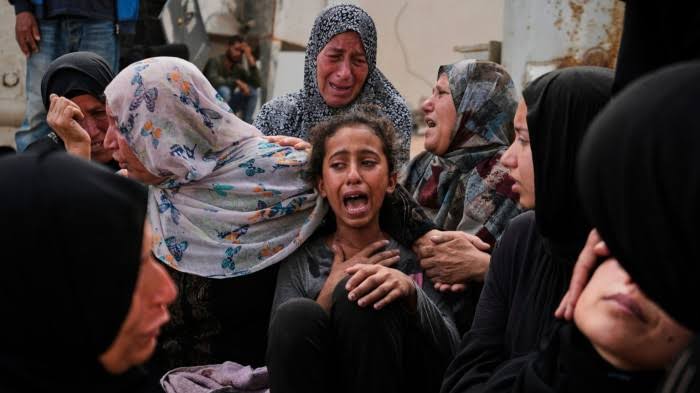
Since its launch in late May, the GHF’s limited aid distribution points have become killing zones. Crowds gather in desperation, only to face gunfire.
Palestinian health officials say Israeli soldiers have shot and killed civilians, many of them children, as they waited for aid. On July 22 alone, dozens were killed in northern Gaza while queuing for food. Israel admitted firing “warning shots,” but denied direct responsibility for the casualties.
In total, 111 Palestinians have now died from starvation, with the WHO confirming that the majority of child deaths due to malnutrition occurred after the March 2025 reimposition of the blockade.
Lawlessness and Looting: A Broken Society
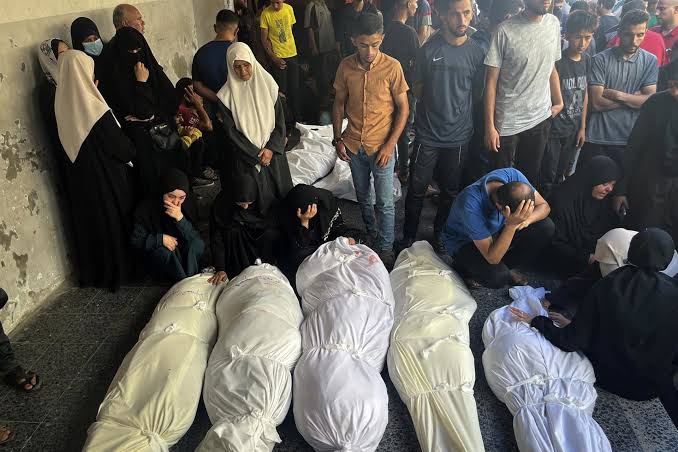
With Gaza’s police forces decimated and Hamas’ administrative structures collapsing, social order has crumbled. Unidentified gangs now patrol areas once controlled by local governance, looting aid convoys and reselling supplies.
In some of the worst incidents, over 100 UN aid trucks were hijacked or destroyed by unidentified attackers. Drivers were attacked, and warehouses ransacked. Israel has attempted to counteract this by arming local militias, a decision that has drawn criticism from Israeli opposition leaders who fear future blowback.
International Condemnation Mounts
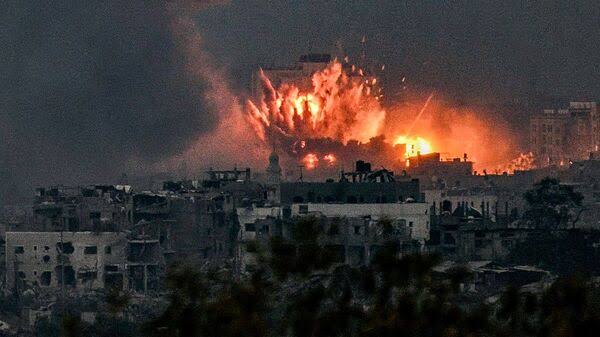
This week, 111 international humanitarian organizations jointly condemned Israel’s blockade, calling it a violation of international law. They warned that their workers are “wasting away before their eyes” alongside Gaza’s population.
Meanwhile, 25 foreign ministers from Western nations criticized Israel for “drip-feeding” aid into the enclave. Israel’s foreign ministry dismissed the statement as “disconnected from reality.”
Even Israel’s closest allies are growing impatient. International pressure is mounting to lift the blockade, establish a ceasefire, and enable the resumption of independent aid mechanisms.
A Humanitarian Abyss
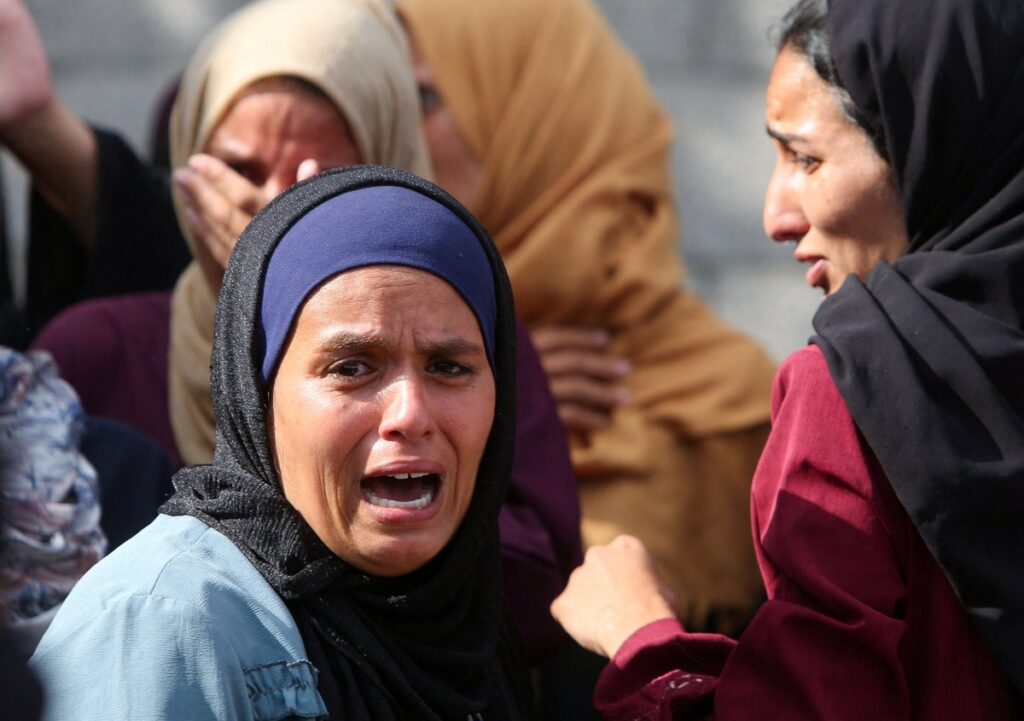
More than 21 months of war have reduced Gaza to a graveyard for the living. Parents carry the lifeless bodies of their starved children. Hospitals function without medicine. Families scavenge for grass and stale bread.
And while the world debates the terms of a ceasefire, an entire population continues to be strangled.
Key Figures:
- 2.1 million Gazans are now food insecure
- 900,000 children are going hungry
- 70,000 children are malnourished
- 111 Palestinians have died of starvation
- 1,000+ killed while seeking food since May
Call to Action:
The global community must treat this as more than a political dilemma. This is a humanitarian emergency. The siege must end. The aid must flow. And the people of Gaza, especially its children, must be given a chance to live. ST