As Palestinians face famine and Israeli bombardment, key Western allies move toward recognizing Palestinian statehood. But can a two-state solution resolve decades of apartheid, displacement, and resistance?
BY JIFAD Special Correspondent:
31 July 2025
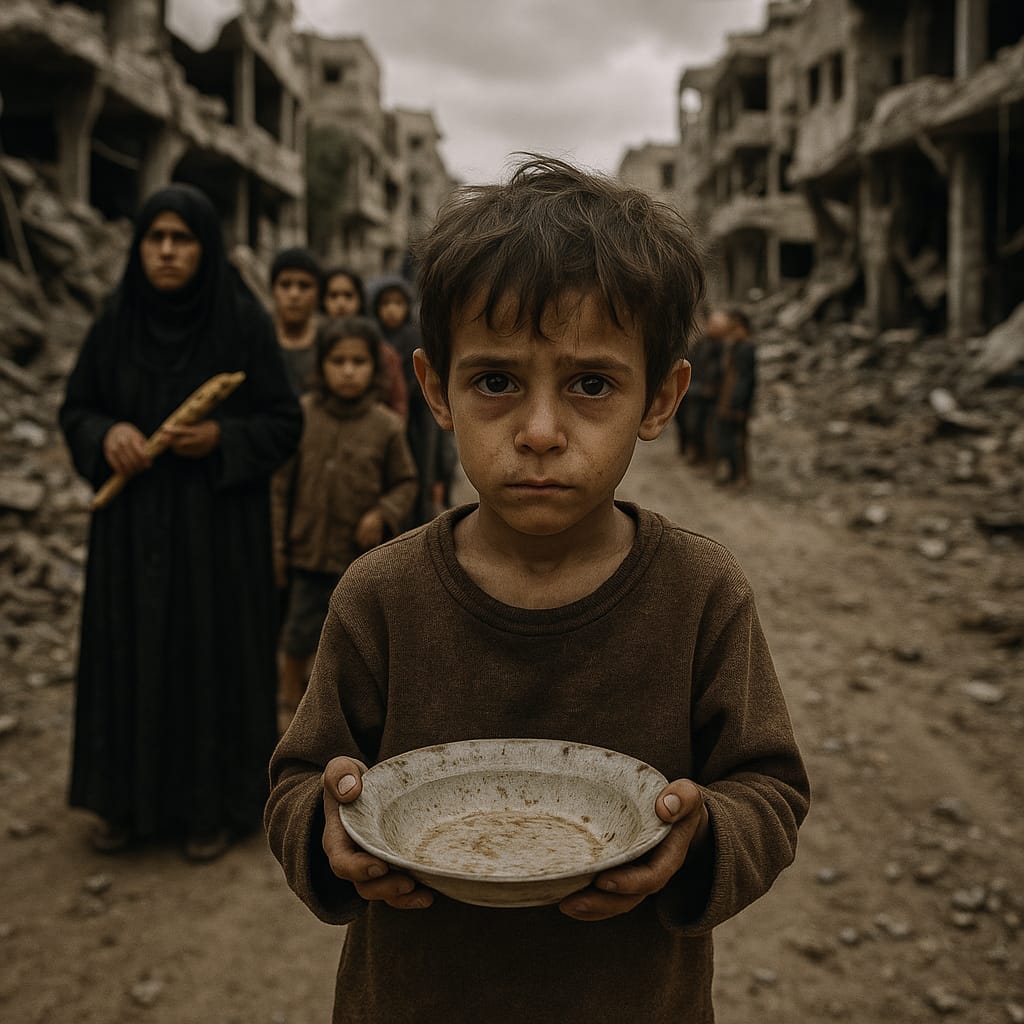
Gaza is not simply enduring a war; it is being deliberately starved. As Israeli forces intensify their assault on a besieged and blockaded population, hunger has become a weapon. Over 60,000 Palestinians have been killed since October 2023, and at least 154 deaths are now attributed to starvation, most of them children and the elderly. Hospitals, schools, and aid centers have become ruins or death traps.
This unfolding horror has sparked an international reckoning. France, the United Kingdom, and Canada have announced their intentions to recognize Palestine as a sovereign state, challenging decades of Western alignment with Israel’s narrative. But can this late diplomatic shift repair generations of injustice and prevent Gaza’s total collapse?
Kill Zones Disguised as Aid Corridors
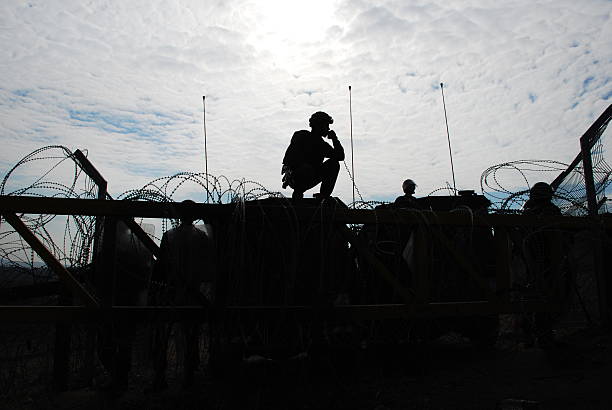
Israeli forces killed at least 71 Palestinians during the last 24 hours, who were desperately trying to access food aid near the Zikim crossing and the Morag Corridor. More than 1,000 Palestinians have died near aid sites since May, often shot while waiting for flour.
Hospitals continue to report famine deaths. UN agencies confirm that Gaza is facing a full-scale famine, yet only 269 trucks entered in the past four days, far below the 600-truck minimum needed daily.
“People are dying in the streets,” said a Gaza-based doctor. “And when aid finally arrives, they’re shot before they can reach it.”
A Mother’s Cry Echoes the Crisis
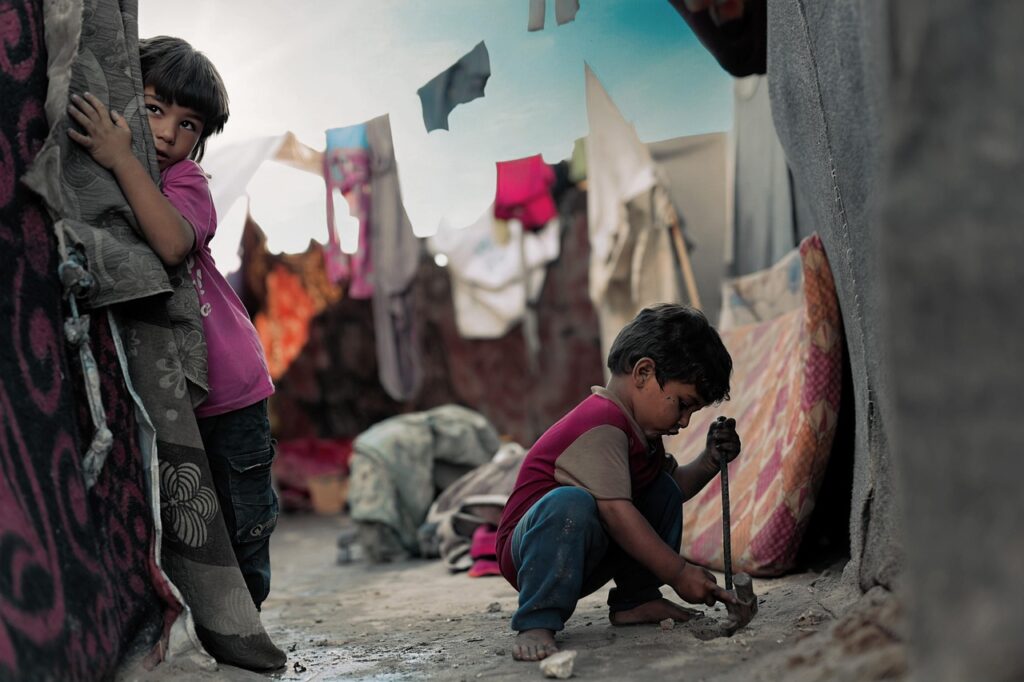
Holding her skeletal child, Jihan al-Quraan, a mother of four, pleaded with the world:
“There is no flesh, just bones. We haven’t had bread for a month.”
UNRWA reports that the limited aid that does reach Gaza is often looted or intercepted due to chaos created by Israel’s total siege. Hospitals lack electricity, incubators, medicine, and staff. Some medics have been arrested, others killed.
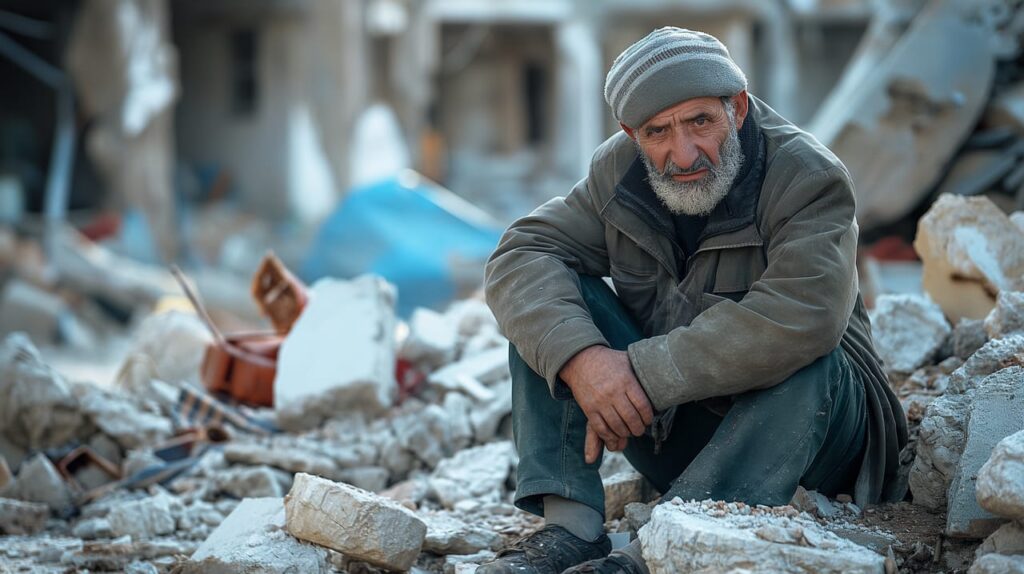
The Euro-Med Human Rights Monitor revealed that elderly Palestinians are dying silently in displacement camps, their deaths unrecorded, their bodies quickly buried without medical attention.
Palestinian Statehood: From Margins to Mainstream Diplomacy
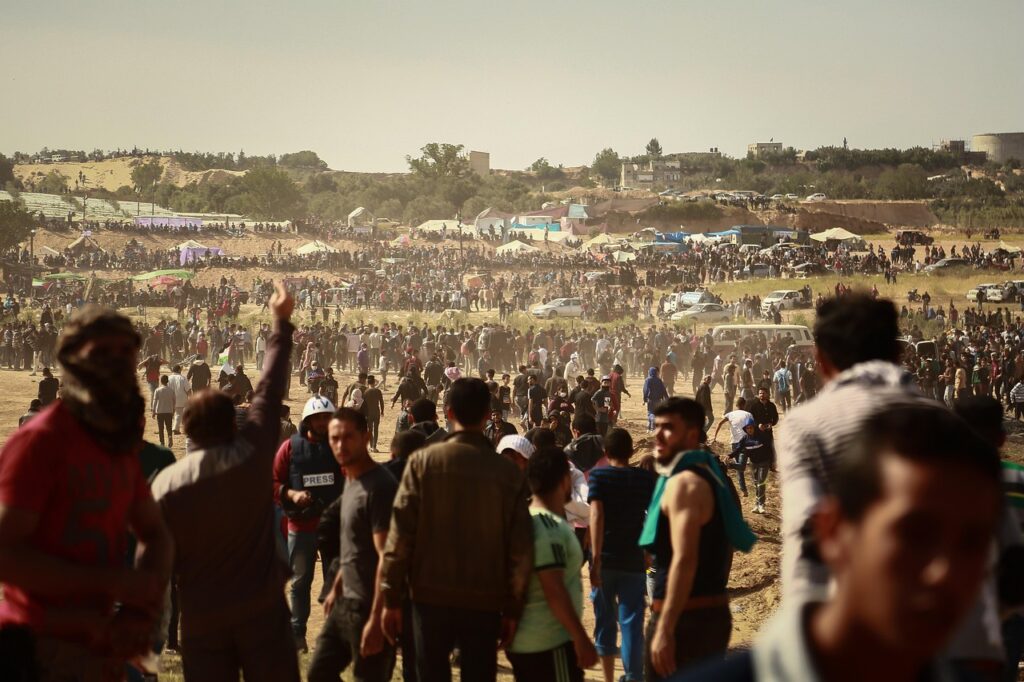
A dramatic shift is underway. France, the UK, and Canada have all pledged to recognize a Palestinian state by September, unless Israel halts its attacks and commits to peace.
UK Prime Minister Keir Starmer declared:
“The British public is revolted by the images from Gaza. We will recognize Palestine unless Israel ends this appalling situation.”
This diplomatic break with Washington and Tel Aviv signals not just a rebuke of Israel’s conduct, but a moral repositioning of the global order. Canada’s and France’s announcements were met with fury by Israel, but applause from rights groups and Palestinians.
Washington’s Isolation Grows
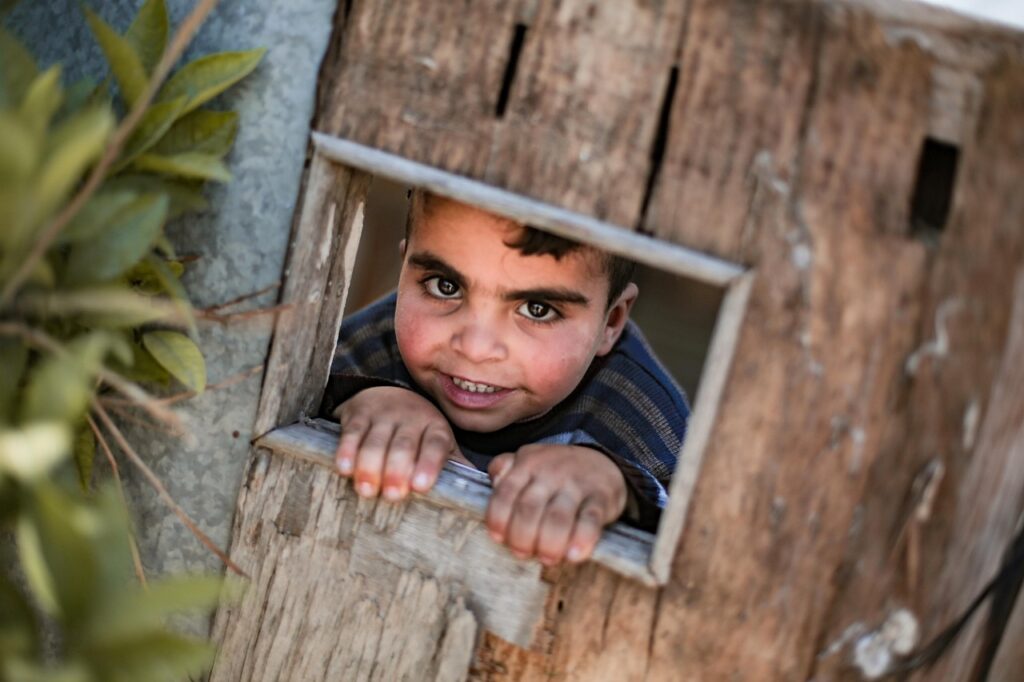
While public outrage surges, the United States remains Israel’s primary enabler, both militarily and diplomatically. Yet the Gaza Humanitarian Foundation (GHF), a joint US-Israeli aid mechanism, has failed spectacularly. UN agencies and NGOs accuse it of creating unsafe aid zones, now synonymous with massacres rather than relief.
Starving people are being gunned down at aid points. This is not a failure of logistics, critics say. This is policy, critics say.
Arab States Break Silence: A Conditional Peace Proposal
In a rare joint statement, Qatar, Egypt, and Saudi Arabia, backed by the EU and 17 other nations, urged Hamas to hand over power to the Palestinian Authority (PA) in exchange for international support toward statehood.
The proposal outlines:
- Disarmament of Hamas
- UN-led stabilization forces
- PA-led governance across Palestine
- Recognition of a sovereign Palestinian state
Yet observers warn that this risks undermining Palestinian resistance while rewarding decades of Israeli colonization and military aggression.
Annexation Threats Expose Israel’s True Intentions
Even as ceasefire talks continue, Israeli ministers are openly threatening to annex parts of Gaza. Minister Zeev Elkin stated:
“The most painful thing for our enemy is losing lands… this will be our pressure tool.”
Meanwhile, another minister, Amichai Eliyahu, described Palestinians as “evil” and called for the destruction of Gaza, likening its population to Nazi ideology.
These statements, widely condemned, expose a genocidal mindset that renders any peace framework meaningless without accountability.
Reframing Hamas: Resistance or Obstacle?
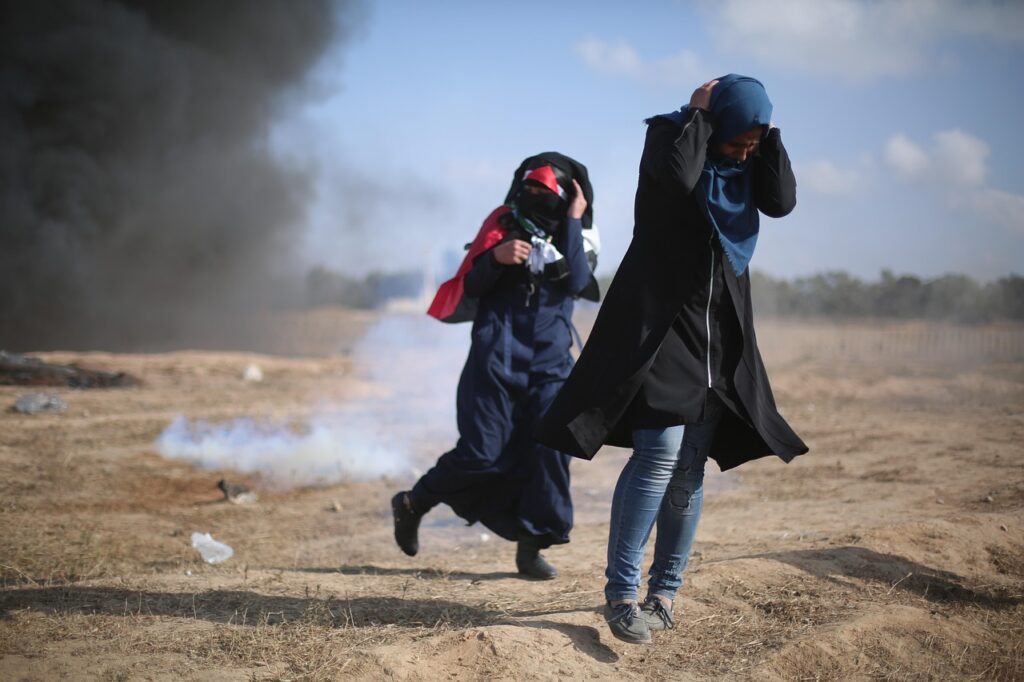
Critics argue that equating Hamas with terrorism is a strategic distortion, one that seeks to delegitimize the broader Palestinian struggle.
Founded during the First Intifada in 1987, Hamas emerged as a grassroots resistance movement against Israel’s military occupation and illegal settlement expansion. Over time, it evolved into both a political party and a governing body in Gaza, filling a vacuum created by diplomatic failure, international abandonment, and PA corruption.
Under international law, people living under foreign occupation have the right to resist, including through armed struggle. Rather than address the root causes, blockade, statelessness, and apartheid, Israel has responded with collective punishment, ethnic cleansing, and indiscriminate bombardment.
To many Palestinians, Hamas represents resistance, not extremism, a defense of dignity in the face of annihilation.
Does the Two-State Solution Still Matter?
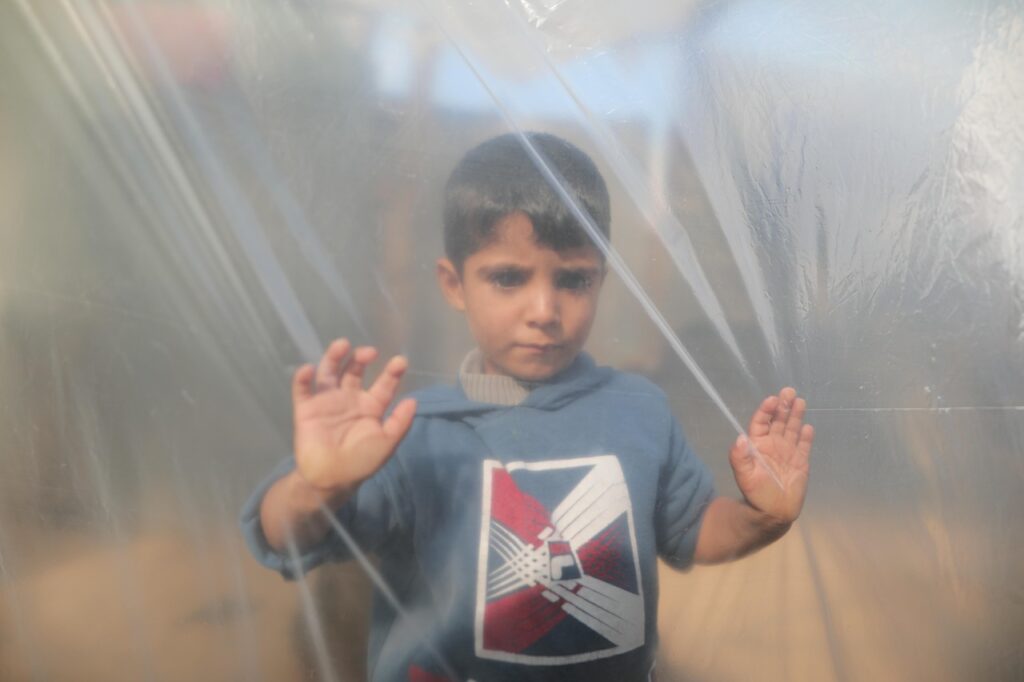
While global support grows for the two-state framework, on-the-ground realities have changed. With settlements carving up the West Bank, Gaza left in rubble, and millions displaced, many Palestinians see this vision as dead on arrival.
Even Hamas, once opposed to any compromise, has signaled conditional acceptance of a Palestinian state within the 1967 borders, though without recognizing Israel. But for most Palestinians, peace cannot be built on symbolic maps. It must guarantee:
- End of occupation
- Return of refugees
- Justice for war crimes
- Equal rights and dignity
Without these, a state means nothing but more borders drawn around broken lives.
Conclusion: The World’s Moral Reckoning Has Arrived
Gaza is not a war; it is a deliberate dismantling of an entire people. As bombs fall and children starve, the global consensus is shifting. Recognition of Palestine is not a solution in itself, but it marks the beginning of a long-overdue reckoning.
If the international community is truly serious about peace, it must stop treating Israel’s actions as exceptional and start treating Palestinians as human, deserving not just of aid, but of freedom, justice, and return.
The world stands at a crossroads. Gaza is already in ruins. What comes next depends on whether humanity finds its voice and whether the West finally chooses justice over silence.
ST