Dhaka, Bangladesh: By Special Correspondent August 5, 2025
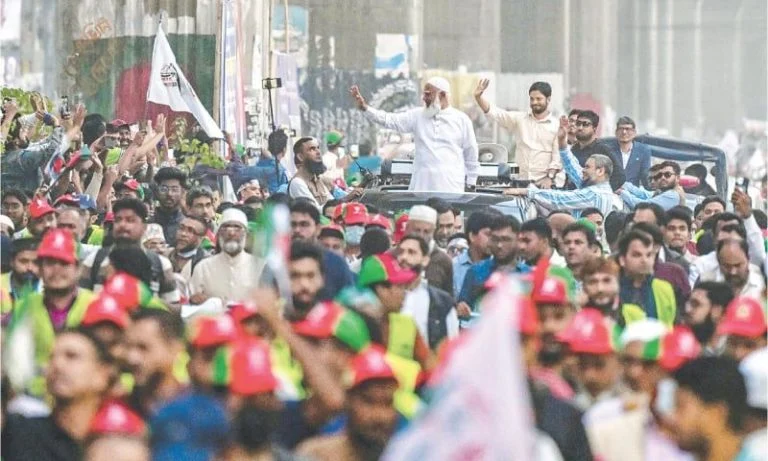
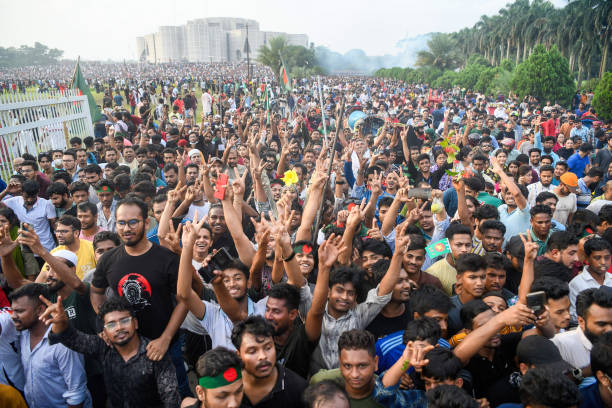
One year after the dramatic ouster of Sheikh Hasina’s government, tens of thousands have gathered in the Bangladeshi capital to mark the anniversary of the July Revolution, the student-led uprising that reshaped the country’s political future.
The July 2024 uprising, triggered by soaring inflation, corruption scandals, and increasingly authoritarian governance, led to weeks of unrest. Amid mass demonstrations, a crackdown that left dozens dead, known locally as the “July Killings,” became the final tipping point.
Facing mass defections and growing international pressure, Hasina fled to neighbouring India. The interim leadership under Yunus has moved quickly to chart a different path, pledging to hold free and fair elections by June 2026, while simultaneously navigating a complex political terrain rife with ideological and generational divides
Jamaat’s Quiet Return to the Political Stage
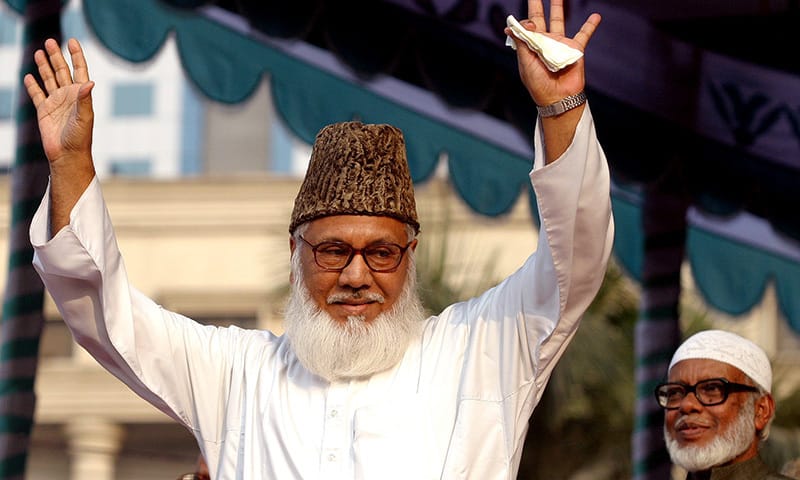
Now, a year later, the most unexpected development of the post-revolution era has been the re-emergence of the long-silenced voice: Jamaat-e-Islami, the country’s largest Islamic political party. Banned for over a decade, the party is now legally re-registered, politically mobilized, and spiritually rejuvenated, positioning itself at the forefront of the nation’s new democratic era.
Located on a narrow street in central Dhaka, Jamaat’s once-abandoned headquarters has recently undergone renovation. Inside, party officials say they have never been busier.
“Since August 5 last year, the political dynamics have changed completely,” Ahsanul Mahboob Zubair, the party’s deputy secretary general, told the media. “We are engaging with all stakeholders, from diplomats to editors, to ensure our place in the new Bangladesh.”
From Suppression to Participation
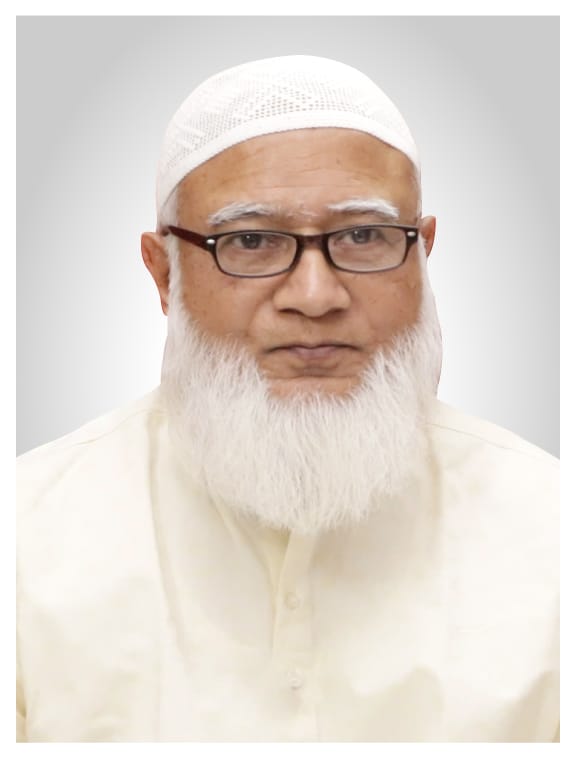
For years, Jamaat-e-Islami was vilified and politically sidelined under Hasina’s government, with many of its leaders imprisoned and its ideology demonized. The revolution of 2024, however, changed everything. In the aftermath, the interim administration led by Nobel Peace laureate Muhammad Yunus lifted the ban on the party, acknowledging not only legal rights but the popular demand for Islamic representation in national politics.
This decision marked a historic moment. For millions of Jamaat supporters, especially young Muslims, it was a restoration of their democratic and religious dignity.
“We were never extremists. We were silenced because we offered an alternative rooted in Islam, morality, and justice,” said a senior Jamaat leader at a recent press briefing.
Massive Mobilization and Peaceful Politics
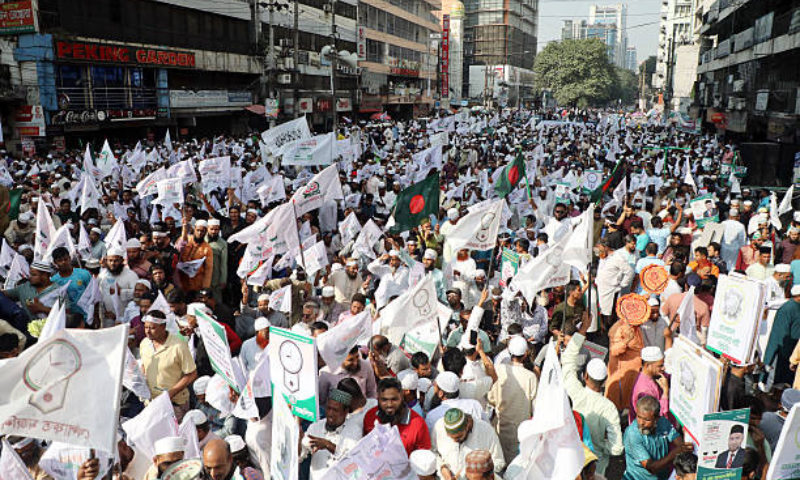
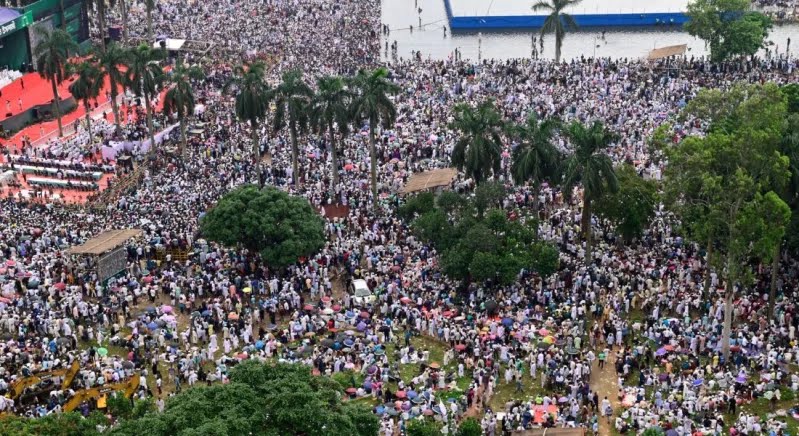
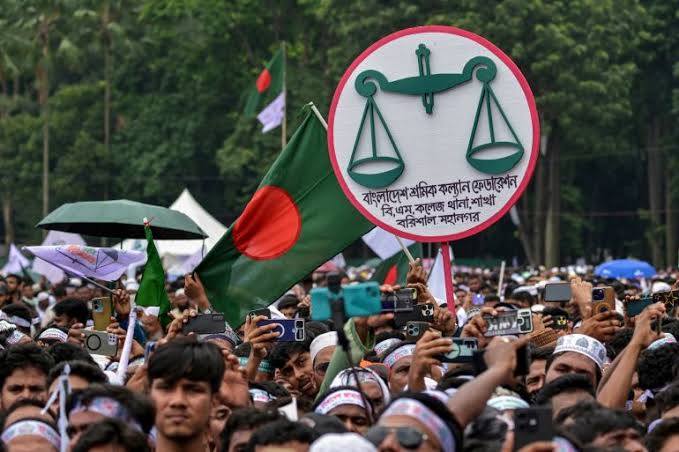
On July 19, 2025, Jamaat-e-Islami proved its political strength by organizing a massive rally at Dhaka’s historic Suhrawardy Udyan. Independent observers estimated that hundreds of thousands of people participated, calling for electoral reforms, national unity, and the protection of Islamic values in governance.
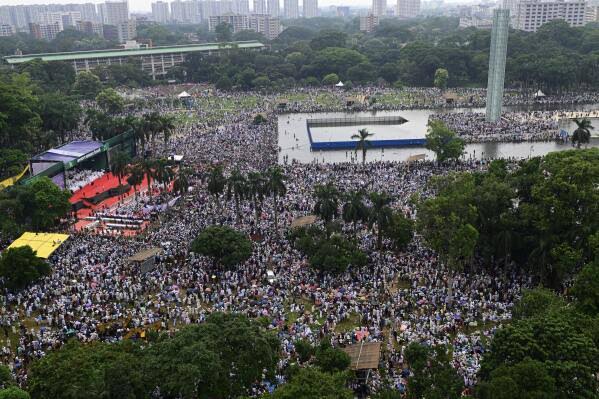
Unlike previous political gatherings marred by confrontation, the Jamaat rally was peaceful, organized, and inclusive. Slogans called for “Adl, Aman, Azadi” (Justice, Peace, Freedom), reflecting the party’s evolving identity as a democratic, principled force.
“We do not seek revenge; we seek reform. We want a Bangladesh where Islam and democracy go hand in hand,” declared one youth leader from Chittagong.
Islamic Morality in a Post-Revolution Nation
As Bangladesh reels from months of mob violence, rising secular extremism, and institutional decay, many ordinary citizens are turning to Jamaat not out of ideology alone, but out of desperation for ethical governance.
In local areas, Jamaat-supported charities have resumed operations, offering food aid, healthcare, and community services. The party’s student and women’s wings are also playing a growing role in rebuilding civic life.
“When the state failed us, it was the mosque, the madrassa, and the Jamaat volunteers who helped,” says Rafiq Hossain, a schoolteacher from Sylhet.
Shifting the Global Narrative
Western observers have often misunderstood Jamaat-e-Islami, viewing it through the lens of past conflicts or regional biases. But today’s Jamaat is part of a global trend: Islamic movements embracing peaceful political participation and modern governance, like Ennahda in Tunisia or the AKP in Türkiye.
The recent Le Monde report ( Le Monde is one of the largest French newspapers, founded in 1944) even acknowledged the party’s growing legitimacy, stating that the Jamaat’s return reflects “a widespread hunger for justice and spiritual clarity in a broken system.”
A Future Built on Faith and Freedom
With elections due by mid-2026, Jamaat-e-Islami is preparing to contest as an independent force. Its leadership insists on justice for victims of past regimes, reforms in education, and restoration of Islamic values in national identity.
Critics continue to question the party’s past, but supporters see a party transformed by struggle, more mature, inclusive, and visionary.
In a nation that has endured corruption, injustice, and decades of secular experimentation, many now believe that the path to renewal may lie in returning to the foundations of Islam, where justice, compassion, and accountability are not just political slogans but divine commandments.
“Jamaat-e-Islami is not just a party,” says Fatema Akhtar, a university student in Dhaka. “It is a movement of hearts, awakening a moral conscience in our democracy.”
Looking Ahead
Far from being a footnote, Jamaat-e-Islami’s return to public life marks a pivotal transformation in Bangladesh’s post-revolution political landscape. As the nation looks ahead to the 2026 elections, Jamaat stands out as a well-organized, values-driven movement offering a clear moral alternative rooted in justice, accountability, and Islamic principles.
With growing grassroots support, especially among youth, scholars, and faith-based communities, Jamaat’s momentum signals that its message resonates far beyond rhetoric. The July Declaration, while supported by BNP and civil society, gains real credibility from Jamaat’s principled participation, providing hope that the path forward may lead to genuine democratic renewal grounded in spiritual and social ethics.
ST