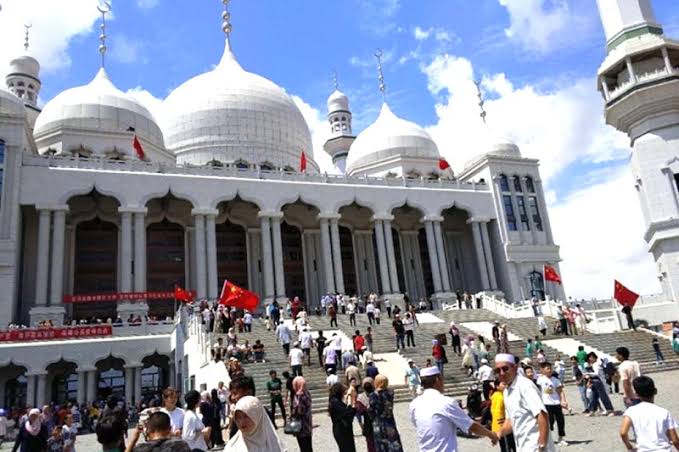
In a country where pork is everywhere and faith is a private matter, China’s Muslim communities have carved out vibrant culinary and cultural sanctuaries rooted in halal traditions and centuries-old Islamic heritage.
By Sajjad Tarakzai
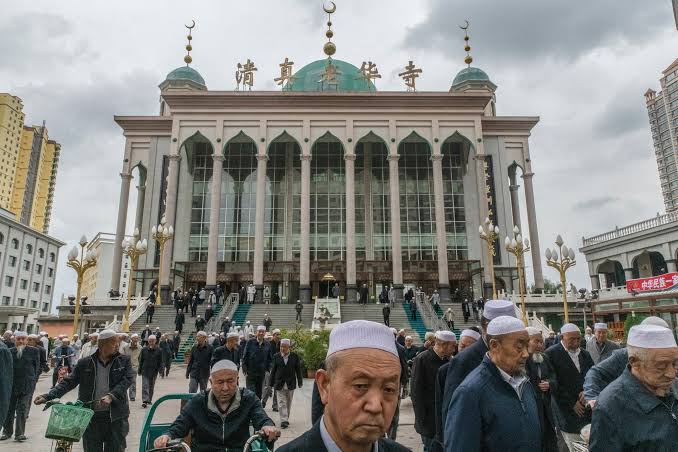
In the sprawling markets of Linxia, located in Gansu province in northwestern China, a rich scent of cumin and sizzling lamb fills the air. Vendors in skullcaps shout over the noise, arranging stacks of fresh naan, skewers of kebab, and steaming bowls of beef noodles under signs marked with the familiar characters: 清真 (Qīngzhēn), halal.
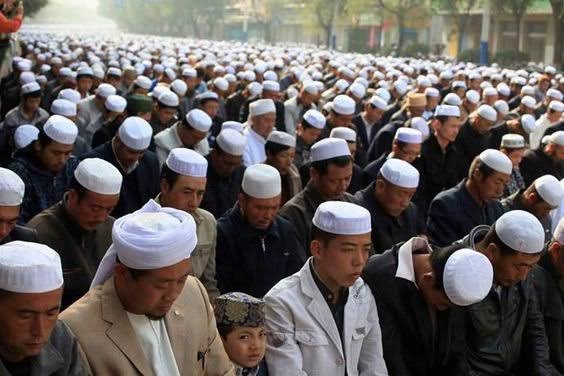
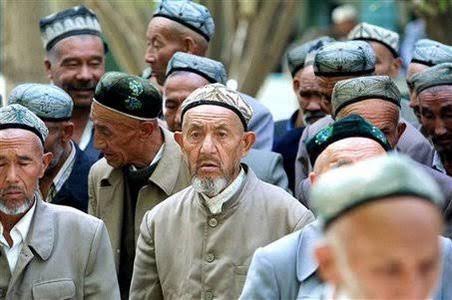
China, the world’s largest consumer of pork, may not seem like the obvious place to find halal cuisine. Yet more than 20 million Muslims, mainly the Hui, who are ethnically Han but follow Islam, and the Uyghurs, a Turkic-speaking people with Central Asian roots, continue to observe Islamic dietary laws, shaping a diverse halal food culture that stretches from the alleyways of Xi’an to the desert cities of Xinjiang.
“We were raised knowing what halal means,” says Fatima Ma, a Hui food vendor in Ningxia, an autonomous region in north-central China. “My grandmother taught us how to cook properly, how to eat cleanly, and how to respect the food. We’ve kept this for generations.”
Halal Streets, Halal Kitchens
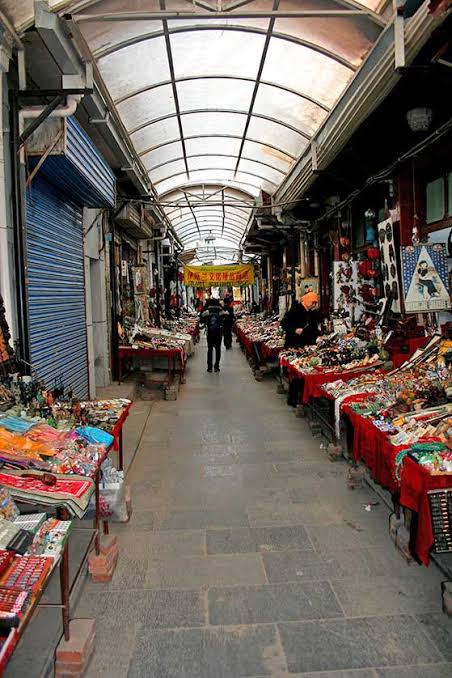
Halal food in China isn’t hidden; it’s bustling and boldly local in cities like Yinchuan, Urumqi, and Xi’an. Entire neighborhoods pulse with halal life. Butchers offer hand-slaughtered beef and lamb, restaurants serve hand-pulled Lanzhou noodles, and Uyghur bakeries line their windows with golden rounds of naan sprinkled with sesame.
Restaurants often display the Qīngzhēn (Halal) certification at their entrances, signaling their adherence to Islamic practices. Many of these eateries are family-run, their menus shaped by centuries of Chinese Islamic culinary tradition.
“Everything we eat, we make ourselves,” says Abdul Wahid, a Uyghur chef in Urumqi. “From the meat to the bread, we know where it comes from. That’s halal, not just the food, but the care behind it.”
A Fusion of Faith and Flavor
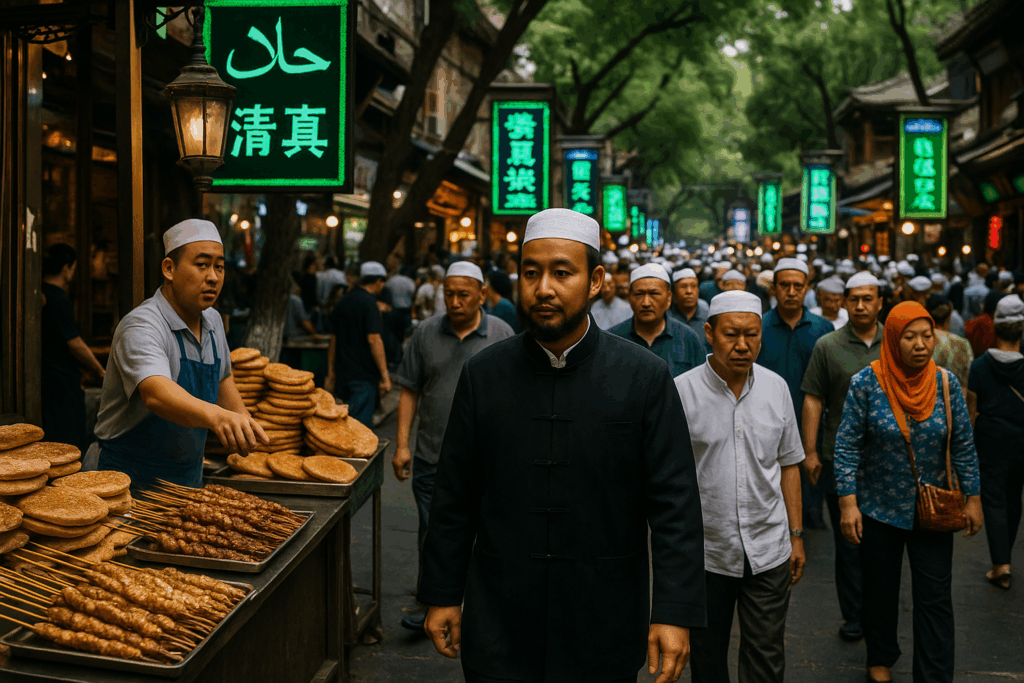
China’s Muslim cuisine is a kaleidoscope of influences. The Hui blend Han Chinese flavors with Islamic law, wheat noodles, beef stews, and delicate dumplings made without pork or lard. In the northwest, Uyghur dishes feature Central Asian notes: cumin-heavy lamb skewers, sweet carrot pilafs (polo), and thick, hand-stretched noodles known as laghman.
Tea houses serve strong green tea beside deep-fried flatbread. Street vendors offer dates and nuts during Ramadan, and the atmosphere in Muslim quarters comes alive with family feasts and festive gatherings.
Certification and Confidence
There’s no national halal certification body in China. Instead, local Islamic associations in each province approve and monitor halal food production. While not always uniform, these certifications provide a trusted layer for consumers seeking to follow halal principles.
Markets, especially in Gansu and Ningxia, are reliable sources of verified halal meats. Packaged products often feature halal symbols, and many Muslim families also maintain personal knowledge passed down through generations to ensure what they eat aligns with their beliefs.
A Culture Carried in Community
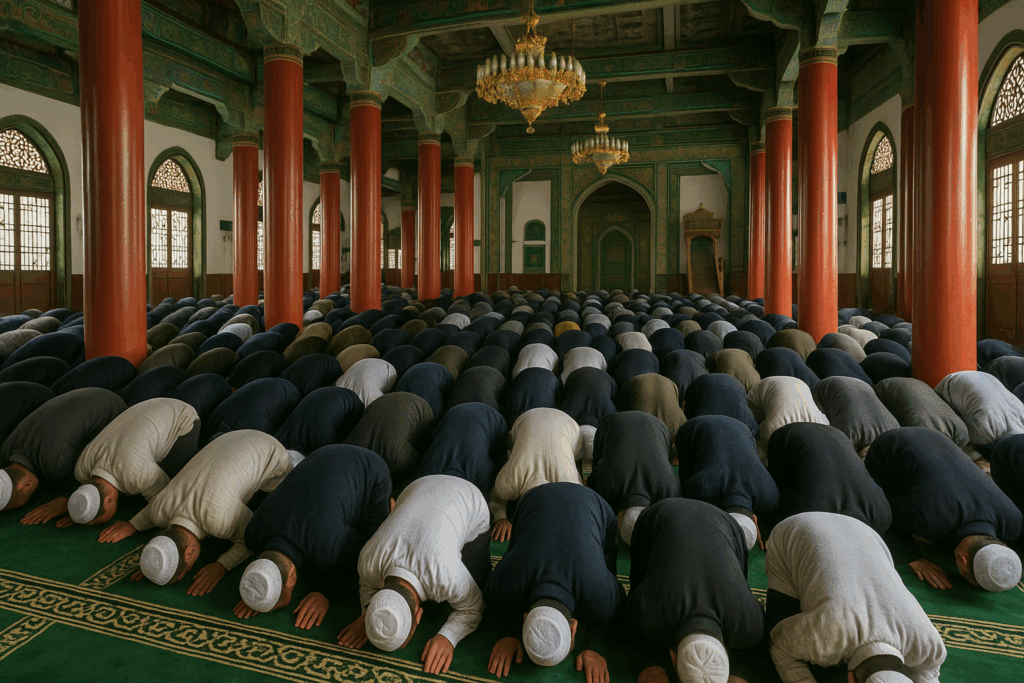
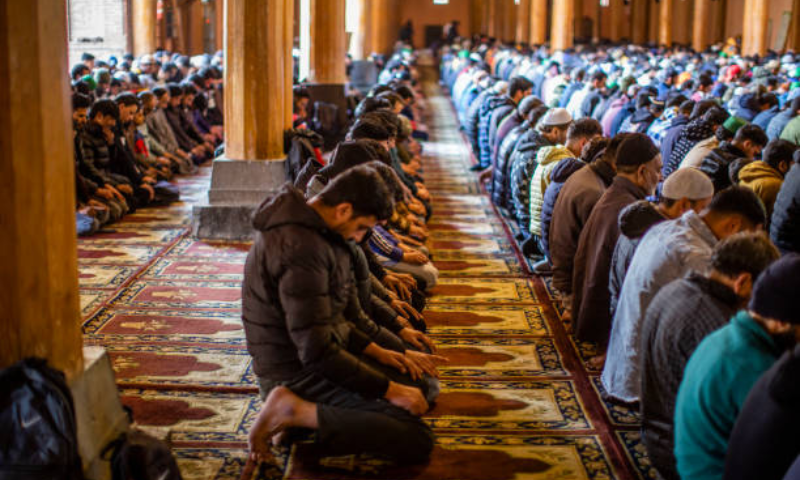
Beyond food, halal in China is about identity. For the Hui, it’s the wearing of a white cap or a headscarf, the Friday prayer, or the scent of incense wafting from a hidden mosque courtyard. In Linxia, faith blends into the landscape. From carved Arabic calligraphy to domed mosques tucked behind alleys, the city echoes with centuries of Muslim life.
The Great Mosque in Xi’an, dating back to 742 CE, remains a beacon of this heritage, with its fusion of Chinese architectural style and Islamic purpose.
“We are Chinese, we are Muslim, and we are proud,” says Imam Yusuf Zhang, a mosque leader in Xi’an. “Our religion has been here for 1,300 years. It is part of this country’s story.”
Passing the Flame
Inside homes, the transmission of culture is intimate. Children learn to say Bismillah before meals. They watch grandmothers prepare traditional dishes, and they fast for Ramadan alongside parents. Even in areas with fewer halal options, Muslim families bring their food when traveling, or share known halal sources through mobile apps and word of mouth.
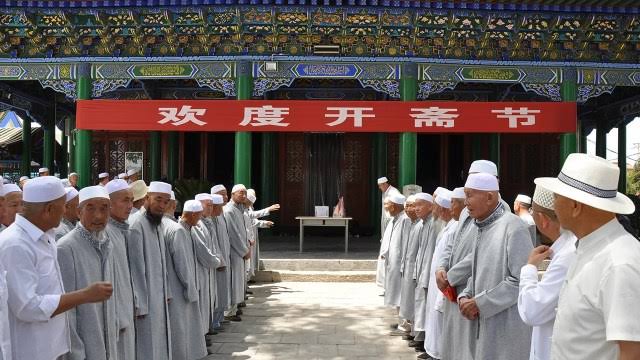
Despite modernization, traditions hold. Eid al-Fitr is celebrated with communal prayers and dishes like stewed lamb and stuffed pastries. Family bonds are strengthened, and hospitality remains central.
Faith, Food, and Everyday Life
Whether it’s through Uyghur music in a Urumqi tea house or hand-rolled beef dumplings served in a Lanzhou alley, China’s Muslims continue to build community around their identity. And in a nation where pork is everywhere, they have carved out space for their own rich, meaningful way of life.
As one Hui elder in Linxia put it, “We may live among pork eaters, but our hearts are always halal.”
Summary
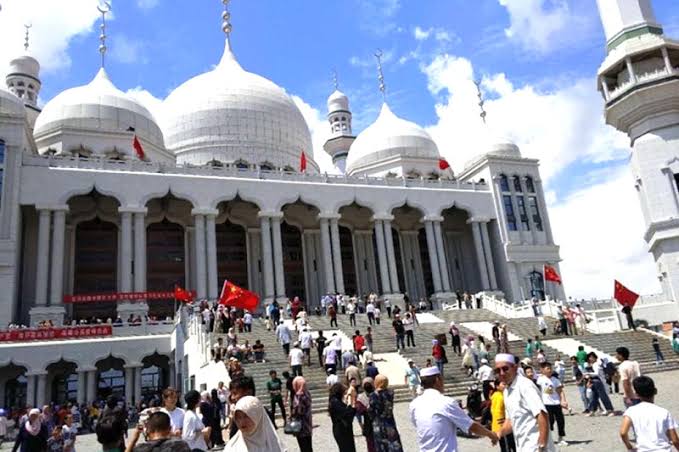
China’s Muslims, especially Hui and Uyghur communities, sustain halal living through markets, kitchens, mosques, and memory. In cities large and small, their faith flows through food, tradition, and community, creating a quietly powerful mosaic of culture and devotion in the heart of a pork-loving nation.
From sizzling street stalls to peaceful mosque courtyards, their lives offer a glimpse into a resilient and colorful world, halal, proud, and deeply Chinese.
ST