By Sajjad Tarakzai
Rivers that once nurtured farms and fed tourism now roar with deadly floods, leaving mountain communities trapped between beauty and destruction.
Ten years ago, summers in Pakistan’s northern mountains unfolded like scenes from a postcard. Gilgit’s bazaars overflowed with travellers haggling over embroidered shawls and stone jewelry. In Hunza, children ran through apricot orchards, their laughter echoing across terraced farms where rivers flowed steadily but calmly.
In the north of Khyber Pakhtunkhwa, Naran and Kaghan valleys brimmed with jeeps packed with families seeking relief from the plains’ heat. Swat’s emerald meadows hosted honeymooners, while in Chitral, polo matches unfolded against snow-capped peaks, cheered on by villagers and foreign trekkers alike. Cloudbursts were rare, spoken of as freak accidents of weather, not annual threats.
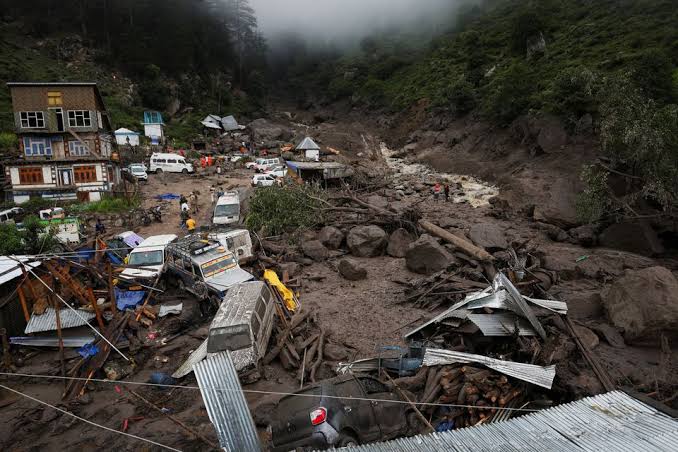
Today, the landscape tells a harsher story. Those same rivers now roar with fury each monsoon, swollen beyond recognition. Bridges collapse overnight, hotels vanish in flash floods, and roads, once lifelines for tourism, lie buried under landslides. Villagers who once guided backpackers along glacier trails now spend summers reinforcing riverbanks with stones, praying their homes will survive the next deluge.
In Khyber Pakhtunkhwa’s valleys, the contrast is especially stark. Scenic Swat Valley and Malakand, once renowned for trout fishing and fruit orchards, are now on edge each rainy season, as their markets are repeatedly washed away. In Upper Dir and Chitral, villagers recall summers when rivers sparkled turquoise; today, the same rivers rage brown with silt, carrying away livestock, fields, and memories.
The rhythm of life has shifted. Where once summer meant festivals, handicraft bazaars, and orchards heavy with mulberries and apples, it now signals sirens, evacuations, and waiting for helicopters that may never arrive. Hospitality, once the heartbeat of the north, has been replaced by anxiety.
For locals, the change is not just environmental but cultural. “We grew up welcoming guests, not fearing floods,” says a shopkeeper in Mingora, the main town of the Swat Valley. What was once Pakistan’s crown jewel of tourism has become the frontline of climate change, where beauty and disaster now walk hand in hand.
Why cloudbursts are becoming routine
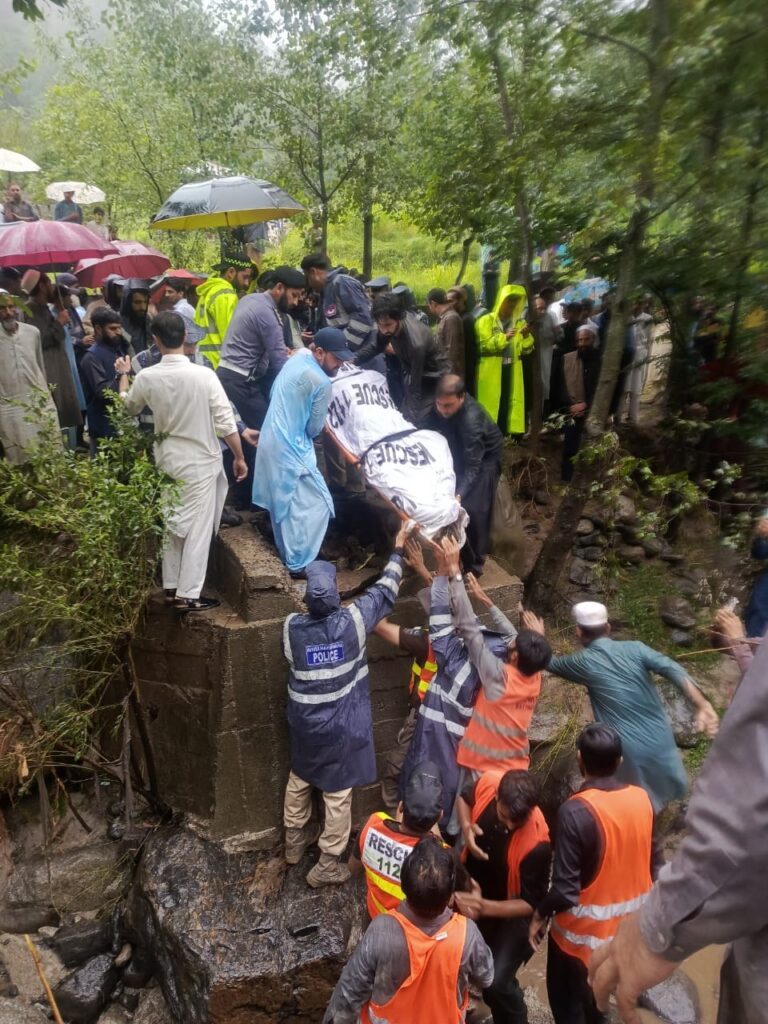
Experts point to a dangerous convergence of factors. The warming atmosphere holds more moisture, nearly 7% more for each degree Celsius of temperature rise, intensifying rainfall. When monsoon winds slam into Pakistan’s rugged Himalayas and Karakoram ranges, the trapped vapour is unleashed in sudden downpours: cloudbursts.
Deforestation and rapid construction on fragile slopes worsen the toll. Where forests once absorbed rainfall, bare rock now funnels it into deadly torrents. And with poorly planned towns springing up along riverbanks, lives and businesses stand directly in harm’s way.
Melting glaciers: ancient rivers of ice in retreat
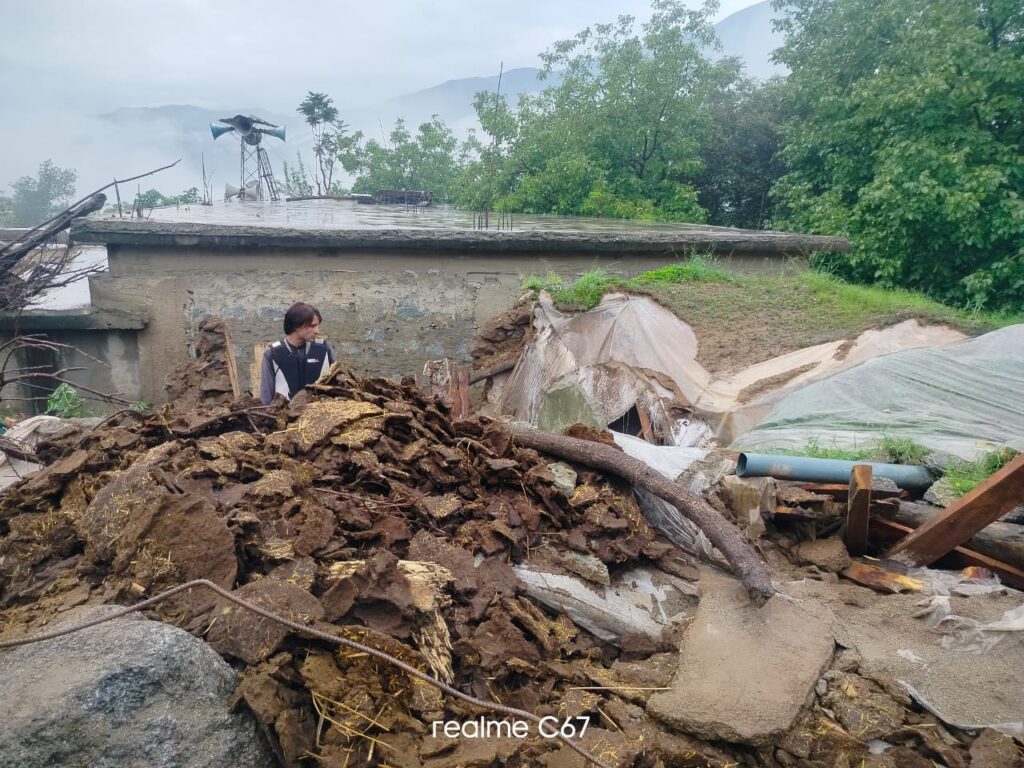
Pakistan is home to more than 7,000 glaciers, the largest number outside the polar regions. But rising heat is accelerating their melt. Each summer, more glacial lakes form, many perched precariously behind unstable walls of ice and rock. When these burst, they release walls of water into valleys below.
This August, such a glacial lake outburst ripped through Gilgit-Baltistan, damaging the Karakoram Highway, the trade artery linking Pakistan to China, and flooding farms that had sustained families for generations. Ten years ago, such incidents were noted as rare disasters. Now, they are a near-annual reality.
Daily life under the shadow of climate extremes
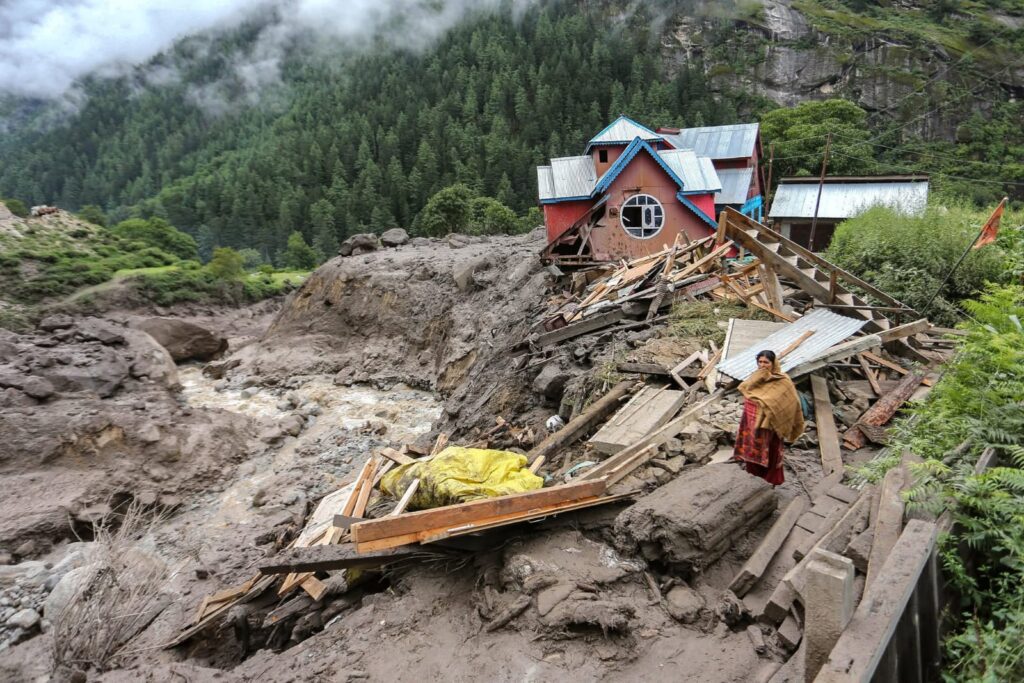
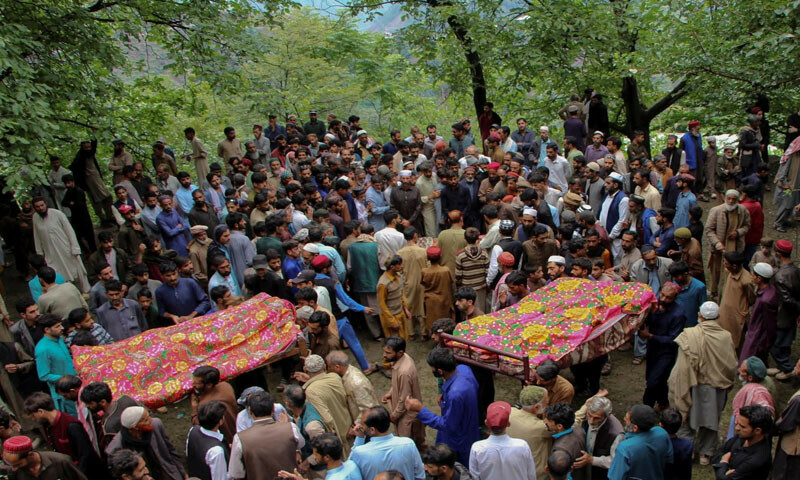
In Khyber Pakhtunkhwa, the floods have left behind not just wreckage but grief, with at least 314 people killed and 156 injured as villages were engulfed by torrents of water. Entire families in Buner, where 209 lives were lost, have been wiped out, while in Shangla and Mansehra, mourners bury their dead as collapsed homes and washed-away fields testify to the scale of destruction.
The Disaster Management Authority said children are among the victims, and dozens remain missing beneath the debris. Thunder strikes and roof collapses added to the tragedy in Lower Dir and Battagram, while in Swat, rivers that once drew tourists swept away residents instead. In all, hundreds of houses were destroyed and 57 schools damaged, forcing survivors to take shelter under the open sky. For many, the floods have erased not only homes but also the livelihoods and rhythms of life that once defined these mountain valleys.
The cost to culture and business
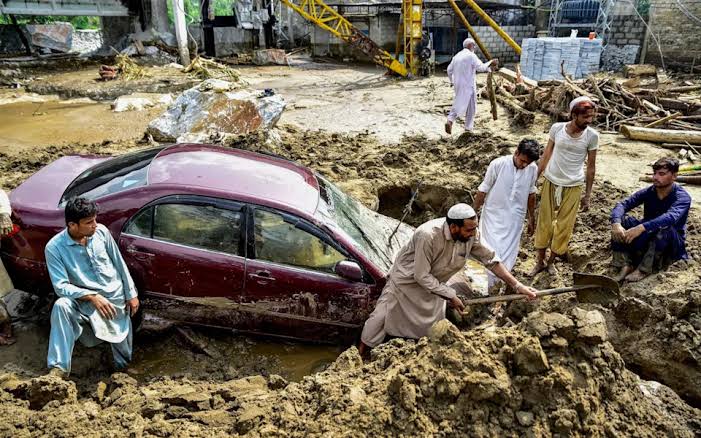
Pakistan’s mountain culture thrives on tourism, handicrafts, and agriculture. Trekkers heading to base camps fuel economies in Skardu; local artisans sell carpets, shawls, and carved wooden trinkets. But with roads washed away and hotels flattened, tourism is dwindling.
“Before, summers meant visitors from Karachi and Europe,” says Karim, a hotel owner in Hunza. “Now, it means floods and cancellations.” The colours of Pakistani culture, its festivals, food bazaars, and traditional crafts, are dimmed by uncertainty as floods choke off trade routes and erase livelihoods.
At the epicentre of a global climate polycrisis
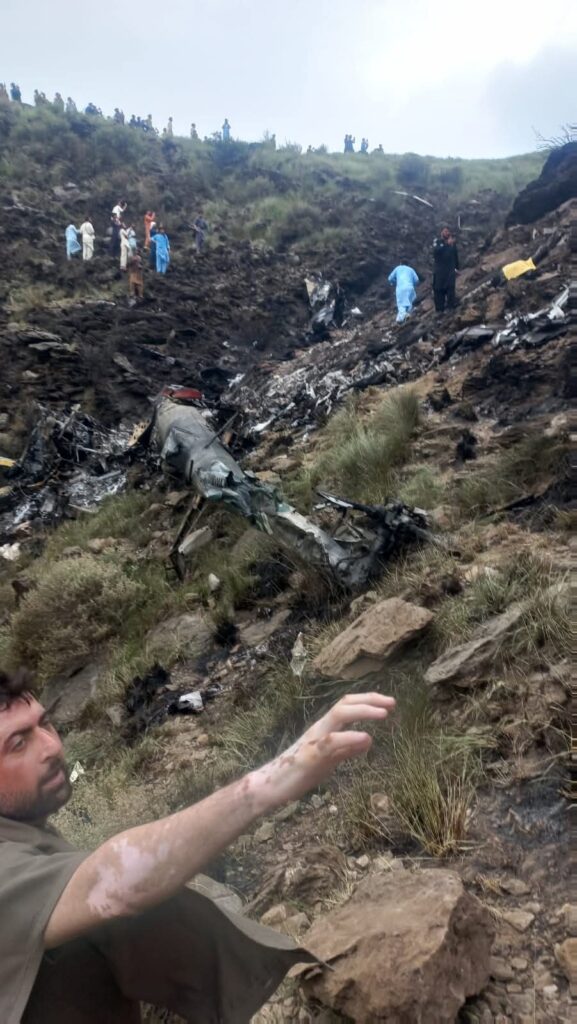
Pakistan contributes less than 0.5% of global carbon emissions, yet it is one of the hardest hit by climate disruption. The 2022 floods killed more than 1,700 people and caused $40 billion in damage; this year’s toll is already in the hundreds, with whole communities uprooted.
Past and present, side by side
Where once families in Gilgit and Swat spent evenings sipping salty butter tea under apricot trees, today they sleep under plastic tarpaulins after their homes have been washed away. Where children once played cricket in dry riverbeds, they now watch the same rivers rage and flood.
This is the human face of climate change in Pakistan: a land of breathtaking beauty and resilience, yet one forced to bear the brunt of a crisis it did little to create, battered by rising temperatures, melting glaciers, and floods unleashed by the emissions of others.
Conclusion: Pakistan’s Choice
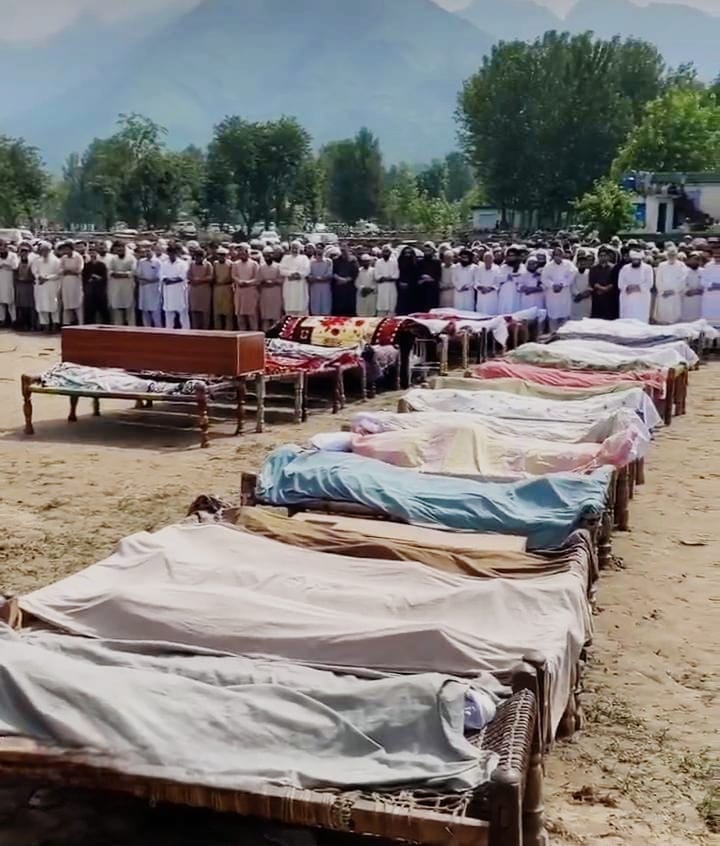
For Pakistan, climate change is no longer tomorrow’s threat; it is today’s reality. Each flood, each cloudburst, each glacial outburst is a reminder that survival demands courage, not complacency. We cannot afford to wait for foreign aid while our rivers wash away villages and our mountains crumble.
The first duty is our own. Illegal markets and reckless housing along riverbanks must be dismantled so water can reclaim its natural course. The timber mafia that destroys our forests must be stopped with the full weight of the law. And in the highlands, awareness campaigns, through FM radio, community meetings, and social media, must prepare people for the dangers before they arrive.
This is not just about protecting fields or roads; it is about safeguarding the rhythm of our culture, the soul of valleys where orchards, bazaars, and rivers once defined life. If we act now, Pakistan can still write a story of resilience. If we delay, each monsoon will only deepen the scars of the last. The choice is ours….