Second and Last part of the Analysis on Afghanistan: BY Special Correspondent
Four years after the Taliban’s return to power, Afghanistan stands at a crossroads, where the silence of war has brought stability, but stripped away freedoms, futures, and regional trust
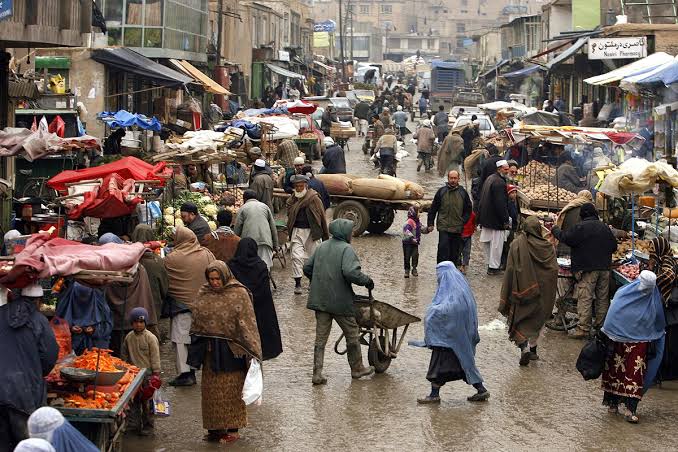
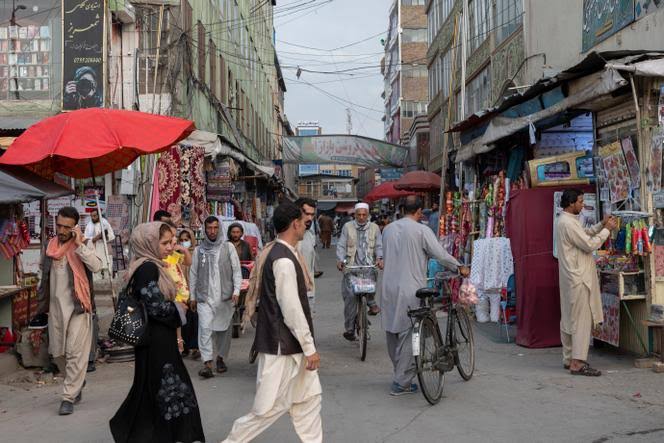
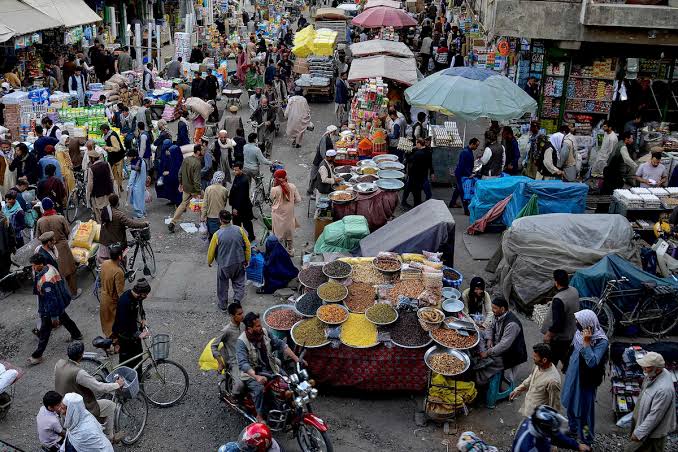
On the streets of Kabul, vendors spread carpets of fruit and nuts in Shar-e-Naw bazaar while young boys weave through traffic selling mobile phone cards. Women in burqas move quietly through the markets, picking up groceries and daily necessities under the watchful eyes of a changed Kabul. The city hums with an uneasy normalcy.
This is a far cry from the years before August 15, 2021, when Afghanistan lived under the shadow of daily bombings, kidnappings, and fierce battles with insurgents. Warlords patrolled their own checkpoints, NATO convoys thundered down highways, and Afghans lived between hope and fear.
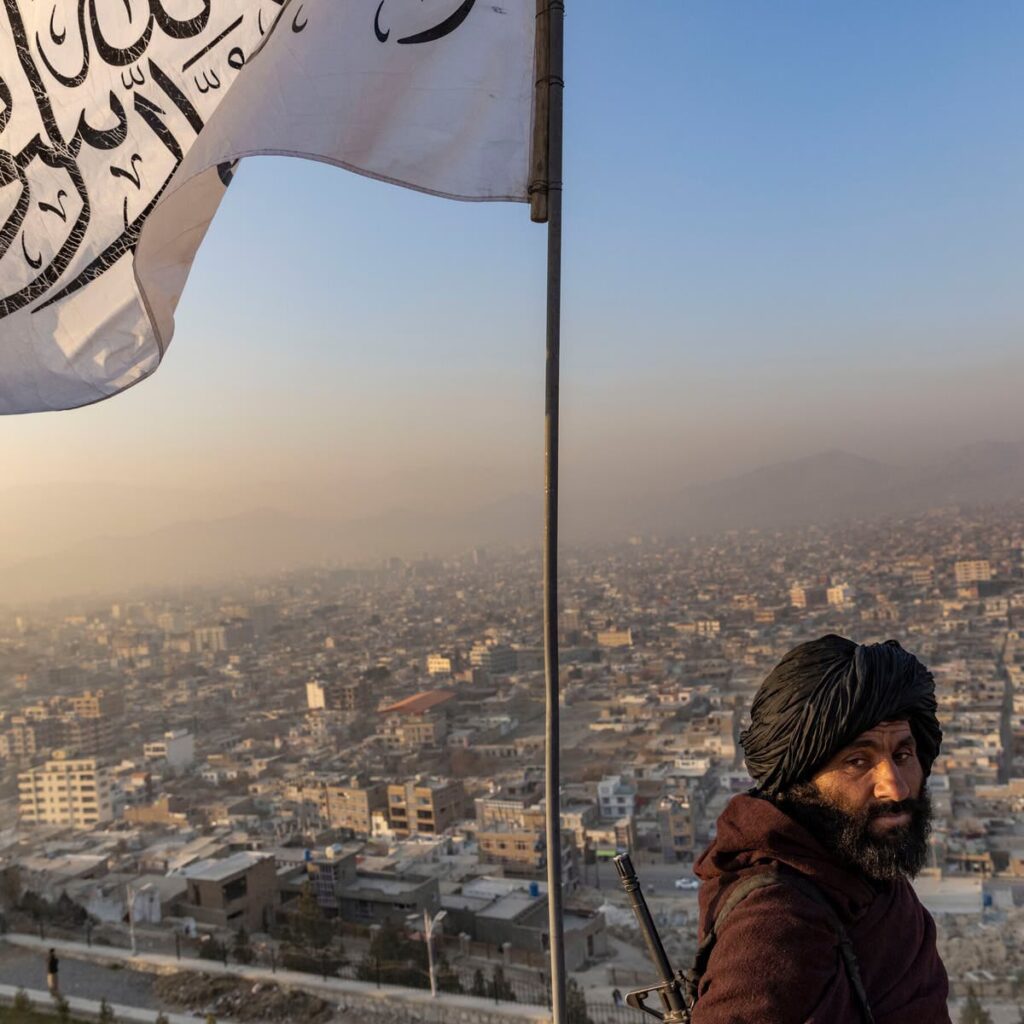
Today, four years after the Taliban swept into Kabul, the insurgency has ended. For the first time in five decades, a single authority rules all of Afghanistan. Guns are quieter, and markets continue to function despite sanctions. But beneath this surface calm lies a state caught in paradox: politically rigid, diplomatically isolated, and socially divided.
Pakistan’s expectations and disappointments
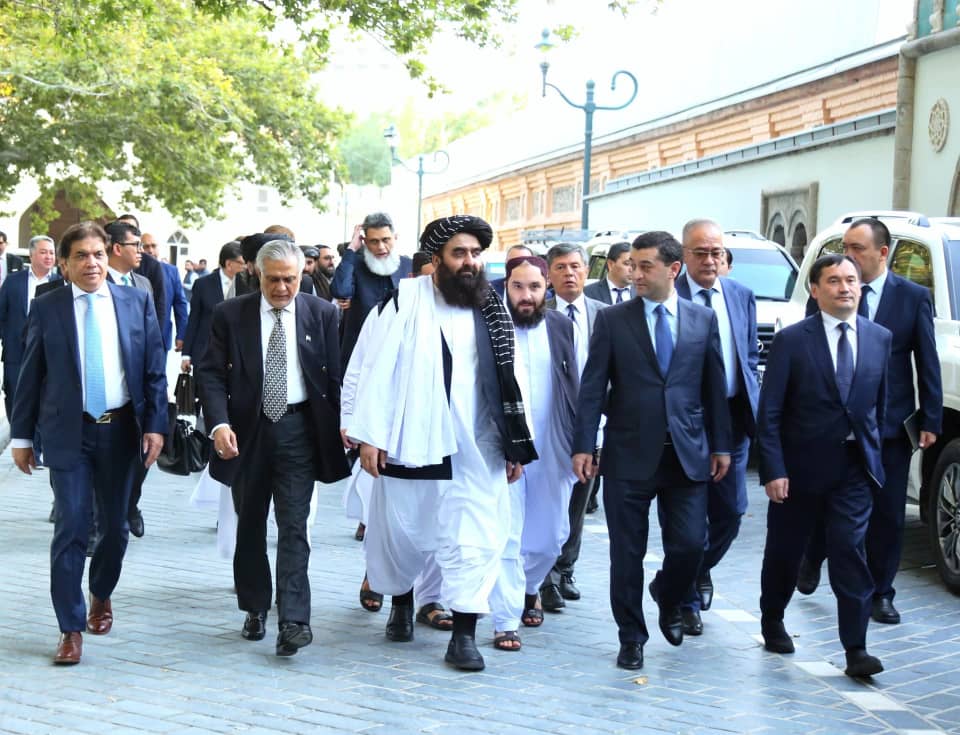
For Pakistan, the Taliban’s return was initially seen as the closing of a difficult chapter. After decades of uneasy ties with successive Kabul governments that tilted towards India, Islamabad welcomed what it considered a “friendly” regime next door. The expectation was simple: stability inside Afghanistan would mean secure borders, revived trade, and perhaps even regional connectivity.
But those hopes soon soured. The Taliban’s ideological kinship with the Tehreek-e-Taliban Pakistan (TTP) has emboldened militancy across the border. Mass prison breaks in 2021 freed thousands of fighters; captured U.S. weapons trickled into black markets; and peace talks between Islamabad and the TTP collapsed. Instead of relief, Pakistan finds its western frontier increasingly unsafe.
Recognition without legitimacy
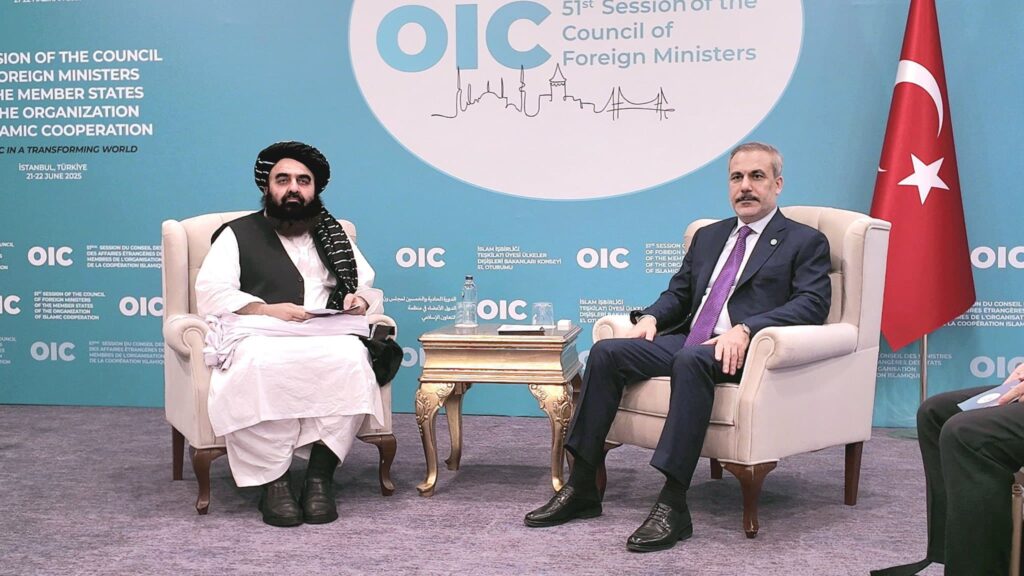
While Taliban officials attend conferences in Doha, Moscow, and Beijing, formal recognition remains elusive. Russia is the only country to officially acknowledge the Islamic Emirate. The previous government’s envoy still holds Afghanistan’s UN seat, and the Organisation of Islamic Cooperation (OIC) allows Taliban delegates only as observers.
This lack of recognition blocks Kabul’s access to global finance and investment. For ordinary Afghans, it means dependence on aid convoys, remittances, and fragile cross-border trade.
Daily life: Stability with restrictions
In many Afghan towns, the decline of war has meant reopened roads and reduced checkpoints. Truck drivers now traverse highways without fear of roadside bombs, and families travel between provinces with relative safety. Corruption, once synonymous with every interaction at police posts, has declined, and warlords who once commanded militias have been sidelined.
Yet freedoms are constricted. Most striking is the shuttering of secondary schools and universities for girls. An estimated two million females are locked out of education, with no timeline for reopening despite Taliban promises of a “temporary” suspension. For Kabul’s young women, dreams of becoming doctors, teachers, or even a nurse remain deferred.
Regional projects: promise frozen in politics
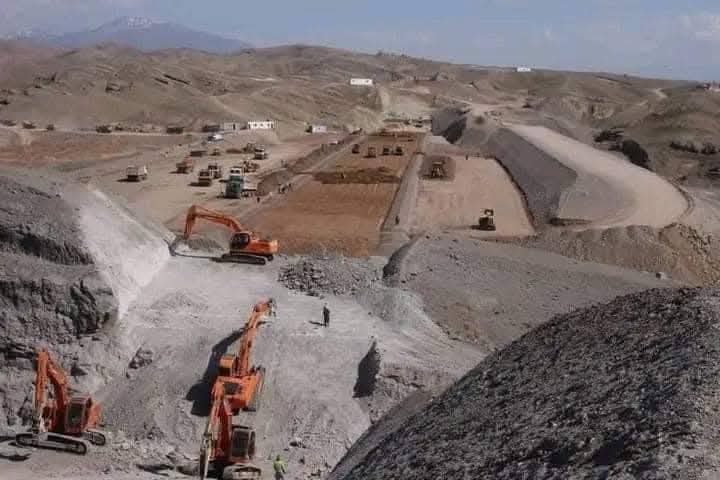
Afghanistan’s geography still holds enormous potential: a land bridge linking Central Asia, South Asia, and the Middle East. Projects such as the TAPI gas pipeline and CASA-1000 power line once symbolised that promise. Today, they remain stalled by sanctions and mistrust.
A flicker of progress emerged with a feasibility deal on a Pakistan-Afghanistan-Uzbekistan railway and Turkmenistan’s renewed interest in TAPI. But analysts caution that without tackling militancy and political discord, even these ventures risk remaining on paper.
The economy: Resilient yet fragile
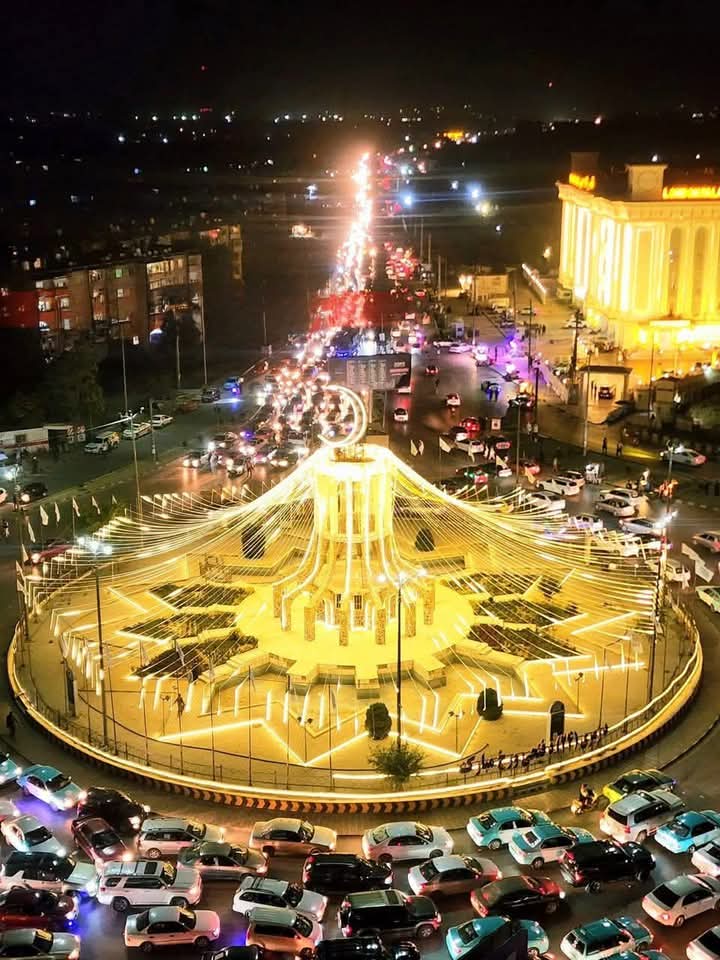
Despite frozen assets and sanctions, the Taliban have managed to keep the Afghan currency stable, a surprising achievement compared to past governments. Street-level corruption has diminished, and state revenue collection has improved.
But the picture on the ground is bleak. In Kabul’s Dasht-e-Barchi neighbourhood, day labourers gather at dawn, many waiting hours without finding work. Food insecurity remains widespread, aid flows have shrunk, and unemployment continues to soar. Infrastructure projects in Herat and Kandahar offer glimmers of hope, but they cannot absorb the growing frustration of a population still mired in poverty.
Security gains, fault lines exposed
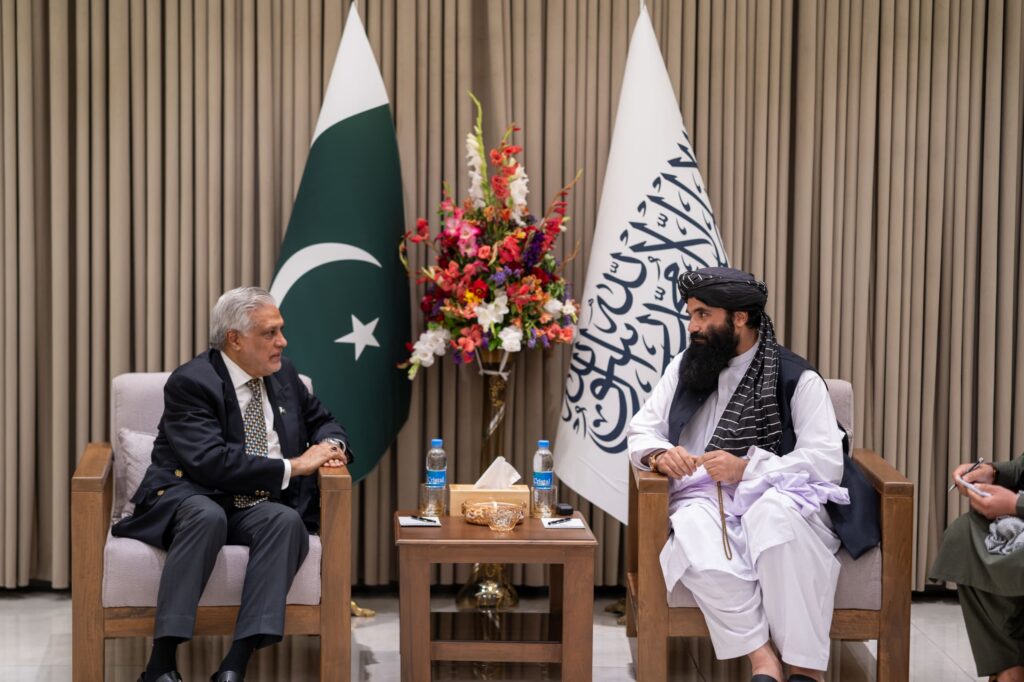
Afghans acknowledge that large-scale ISIL (ISIS) attacks have declined, though isolated attacks continue to claim lives. For many, this relative calm is a relief after decades of war.
For Pakistan, however, the picture is different. Islamabad blames Kabul for providing space to TTP fighters who launch attacks across the border. Afghan officials respond that grievances must be addressed politically, not militarily, a divergence that deepens mistrust.
Afghanistan’s place in global politics
In a world preoccupied with the Ukraine war, U.S.-China rivalry, and Middle East conflicts, Afghanistan has slipped down the priority list. China and Russia cautiously expand their presence, Gulf states provide limited engagement, but Western sanctions persist.
Observers warn that if Afghanistan becomes another arena for proxy battles between regional powers, fragile gains may unravel.
Four years on: Stability with standoffs
Afghanistan today is neither the collapsed state predicted in 2021 nor the stable partner its neighbours hoped for. The Taliban have consolidated control, reduced corruption, and ended open insurgency. But unresolved questions linger: recognition, women’s rights, political pluralism, and economic recovery.
For Pakistan, the Taliban’s rule is a double-edged sword: stability in Kabul, but instability along the frontier. For Afghans, daily life blends relief from war with restrictions on freedoms. And for the region, Afghanistan remains both a risk and a potential hub, its future contingent on whether Kabul and its neighbours choose cooperation over confrontation.
Conclusion:
Four years on, Afghanistan under the Taliban is a study in contradictions: a country where war has ebbed but freedoms have shrunk, where corruption has diminished but poverty persists, and where Kabul’s bazaars bustle even as borders harden. For Pakistan, the Islamic Emirate is both a neighbour that ended decades of insurgency and a source of renewed insecurity, with militant sanctuaries straining relations once thought to be strategic. Afghanistan’s stability today is real but fragile, and its future will depend on whether the Taliban can move beyond survival politics to deliver inclusion, economic growth, and regional cooperation, or remain trapped in isolation, leaving its people and neighbours to live with unfinished promises.