Fresh assault comes as Palestinians face starvation and mass displacement under Israel’s blockade, with aid agencies warning of “man-made catastrophe.”
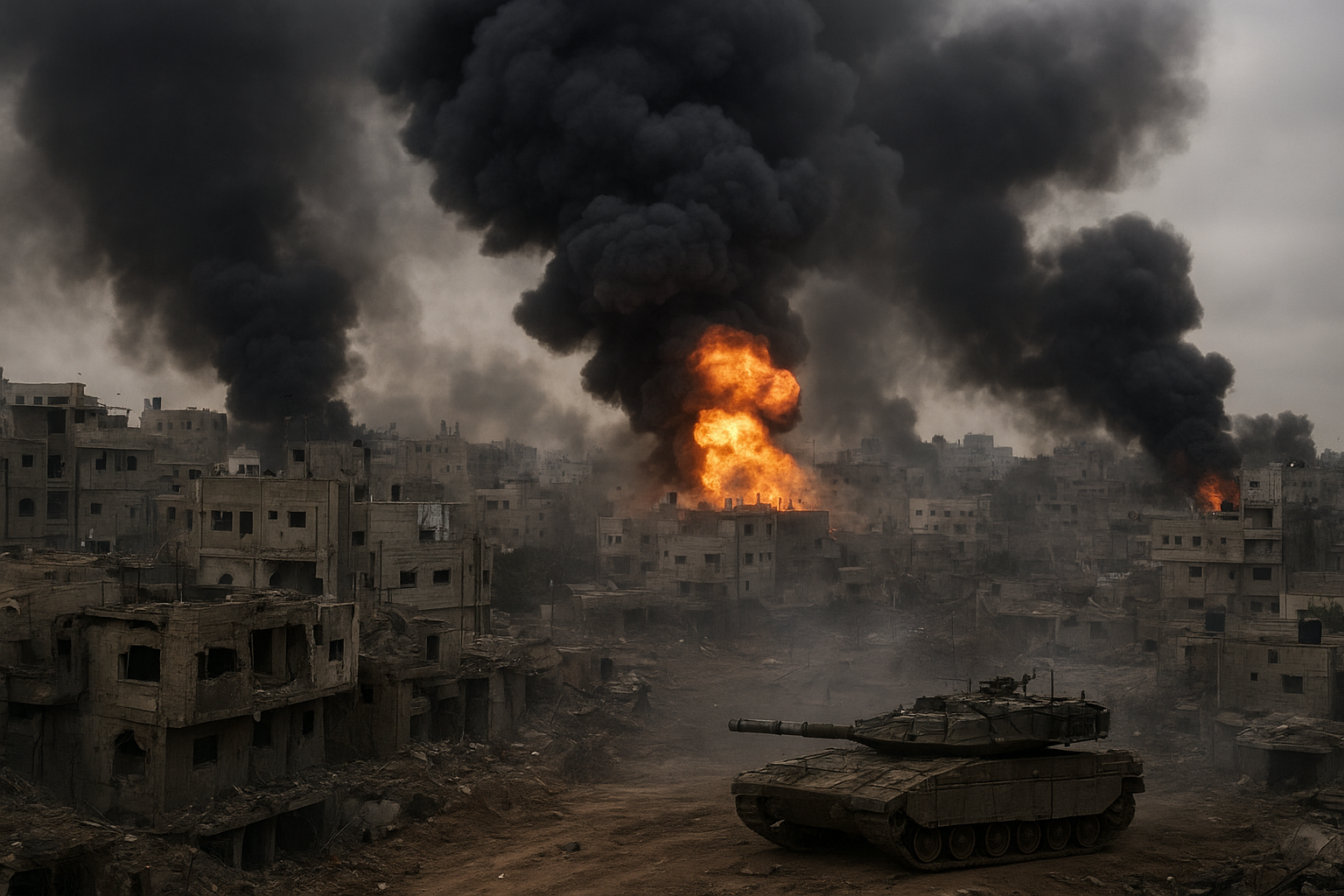
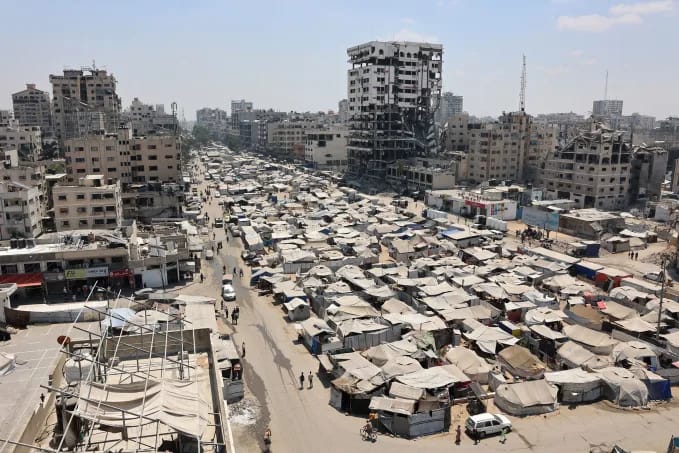
Israel has launched a large-scale assault to seize Gaza City, killing at least 81 Palestinians since dawn in strikes across the besieged enclave. The attack, one of the most aggressive in recent months, comes as famine and mass displacement tighten their grip on Gaza’s two million residents.
Israeli forces struck tents housing displaced families in southern Gaza, killing three, while aid distribution points became killing grounds. Among the victims was Mohammed Shaalan, a former Palestinian national basketball player, shot dead as he queued for food. At least 30 more were killed while seeking aid on Wednesday.
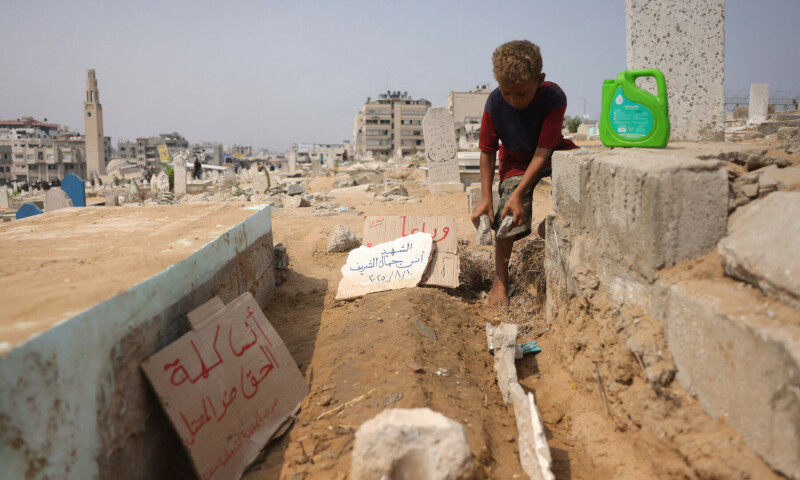
The offensive unfolds against the backdrop of a deepening humanitarian disaster. Hunger deaths have climbed to 269, including 112 children, a toll the United Nations calls preventable and “driven by siege, not nature.”
Military stretched to breaking point
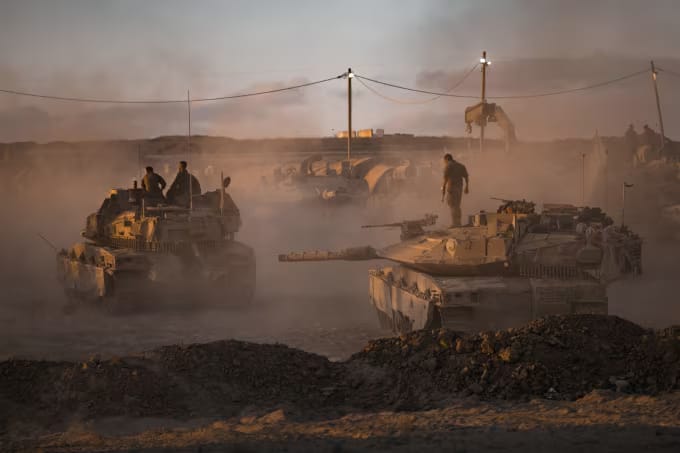
Prime Minister Benjamin Netanyahu has ordered the Israel Defense Forces (IDF) to accelerate their campaign, deploying tens of thousands of reservists despite mounting concerns about exhaustion and low morale.
Surveys show 40 percent of soldiers feel less motivated to serve, while IDF chief Lt. Gen. Eyal Zamir has warned of burnout from repeated deployments. Even former top commanders have criticized the war’s direction, with ex-chief of staff Dan Halutz calling the campaign “without logic.”
Hostages sidelined
The renewed offensive has also deepened frustration among families of Israeli hostages, who accuse Netanyahu of abandoning rescue efforts for political survival.
“I think this decision is a death sentence for the hostages,” said Avshalom Zohar Sal, a reservist who has served more than 300 days in Gaza. “The government promised two missions: bring them home and defeat Hamas. Now it’s only one, and even that cannot be achieved.”
Gaza on the edge of survival
For Palestinians, Israel’s assault translates into harsher displacement, hunger, and death. Gaza City, once home to more than two million people, is now at the epicenter of bombardment, with hospitals collapsing and families surviving in makeshift tents.
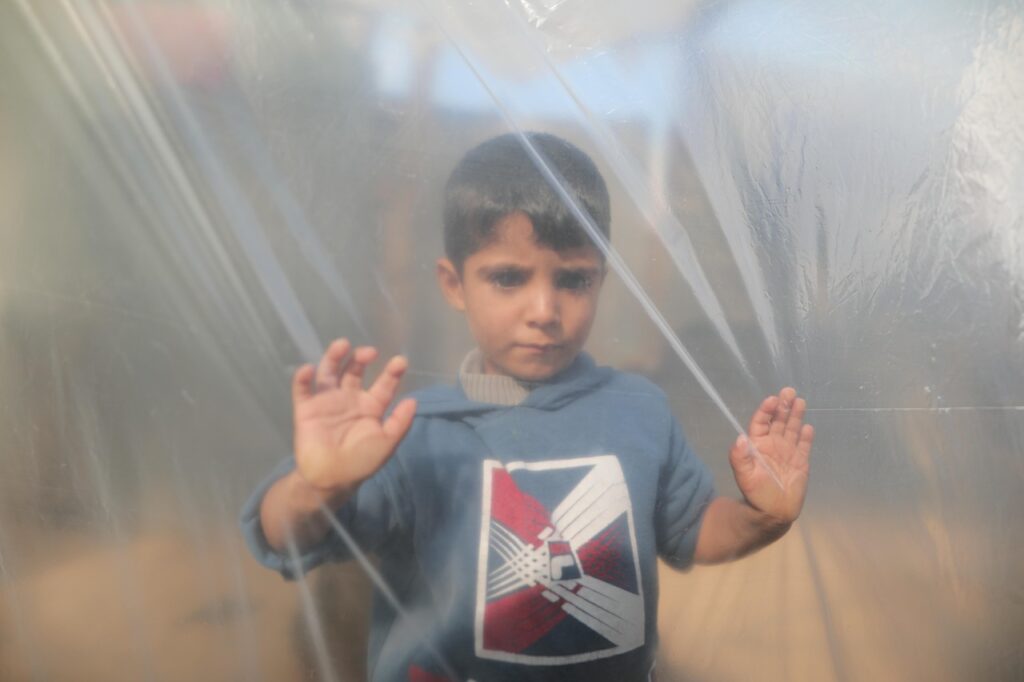
One in three children in Gaza City is malnourished, while child hunger across the Strip has tripled in six months. UNRWA’s chief Philippe Lazzarini called it “a man-made, preventable starvation”, the direct result of Israel’s blockade and restrictions on aid.
Netanyahu’s gamble
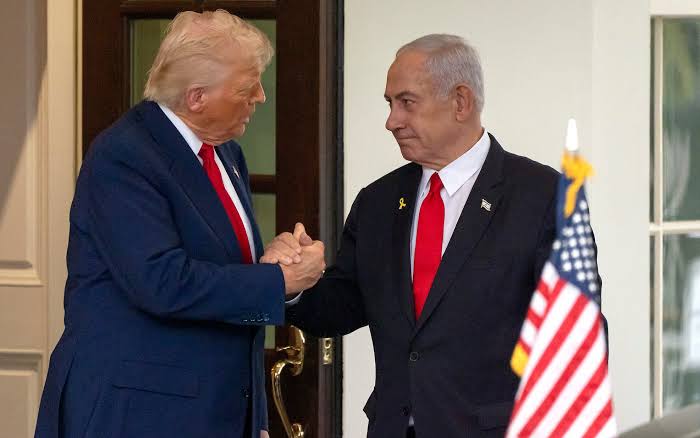
Nearly two years into the war, Israel’s longest conflict has left Gaza in ruins and Israeli society deeply fractured. Netanyahu had promised the “intense phase” would end more than a year ago, but instead the war drags on – with no political horizon and growing international condemnation.
Human rights groups accuse Israel of collective punishment, while global protests demand an immediate ceasefire. Yet Netanyahu presses ahead, betting on force even as millions of Palestinians starve under the rubble of a war they did not choose.
ST