Dar’s Dhaka visit brings six agreements, direct flights, scholarships, and $1bn trade goal as both nations move past decades of strained ties.
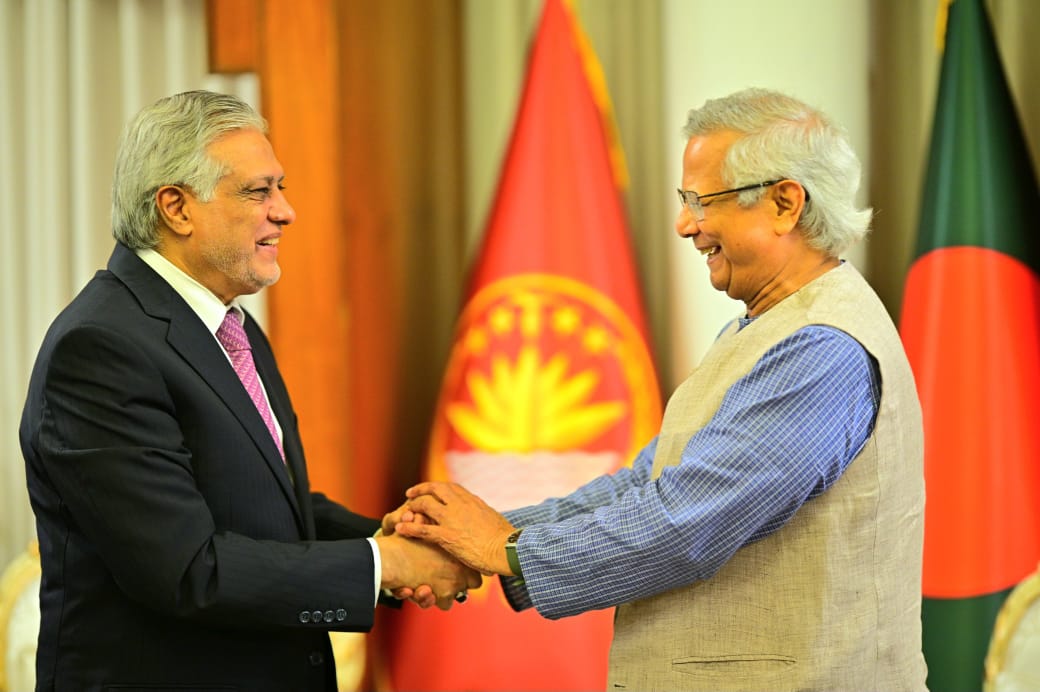
Islamabad/Dhaka – Pakistan and Bangladesh have taken a major step toward rebuilding relations as Deputy Prime Minister and Foreign Minister Ishaq Dar visited Dhaka. His trip marked the first by a Pakistani foreign minister in 13 years, underscoring Islamabad’s renewed push to engage with Dhaka.
The two countries, bound by history but divided by the 1971 war that led to Bangladesh’s independence, have often experienced tense relations. Political mistrust and stalled dialogue left cooperation limited. Dar’s visit now signals a reset, with both nations highlighting shared traditions and future opportunities.
Dar Meets Yunus, Saarc Revival on Agenda
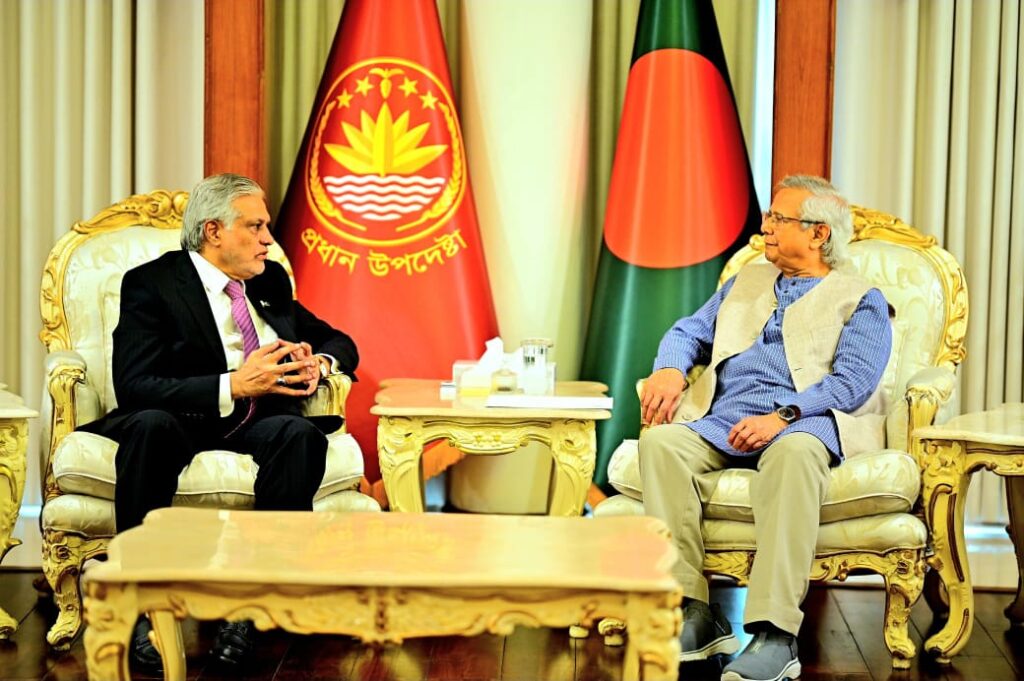
In a meeting with Bangladesh’s Chief Adviser Professor Muhammad Yunus, Dar emphasized regional integration. Yunus, a Nobel laureate, echoed the call, stressing the importance of “people-to-people ties” and identifying SAARC as a platform to strengthen South Asia’s collective voice.
“I encourage SAARC, and I see our relationship with Pakistan and other SAARC countries as one of the highest priorities,” Yunus said.
Six agreements signed
Dar also held delegation-level talks with Foreign Adviser Md Touhid Hossain. The discussions resulted in six agreements covering:
- Visa abolition for diplomatic and official passport holders
- Academic cooperation between foreign service academies
- A media partnership between APP and Bangladesh Sangbad Sangstha
- Formation of a Joint Working Group on trade
- Strategic studies collaboration
- A cultural exchange programme
“These agreements will institutionalise cooperation in trade, academics, media, and culture,” Pakistan’s Foreign Office stated.
Direct Flights and $1 Billion Trade Target
Both countries agreed to resume direct flights between Dhaka and Karachi, starting with Pakistani airlines. Improved connectivity is expected to boost trade, investment, and tourism.
Pakistan and Bangladesh also set an ambitious $1 billion trade target, up from current modest levels. Officials said the Joint Economic Commission, inactive for nearly two decades, will reconvene later this year to finalise trade and investment frameworks.
Scholarships and Civil Service Training
Pakistan launched the Pakistan–Bangladesh Knowledge Corridor, offering 500 scholarships for Bangladeshi students over the next five years, including 125 seats in medical studies. Training programmes for 100 Bangladeshi civil servants will also be arranged under an expanded Pakistan Technical Assistance Programme.
Political outreach in Dhaka
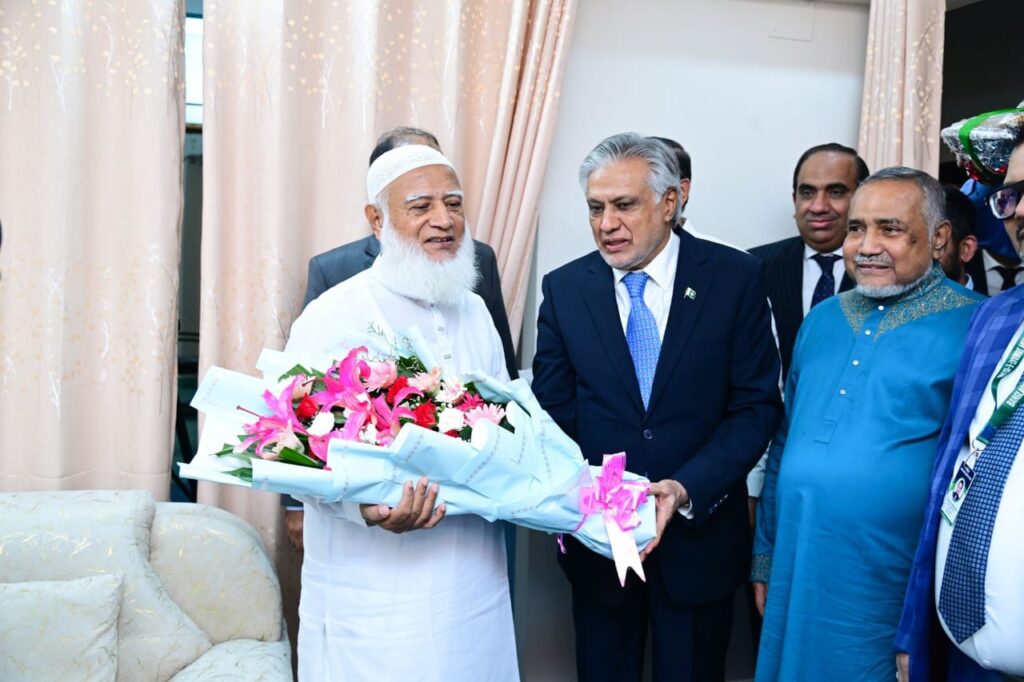
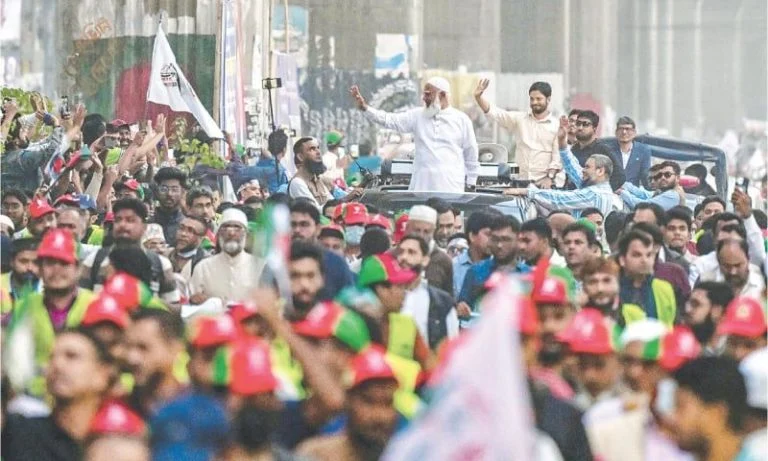
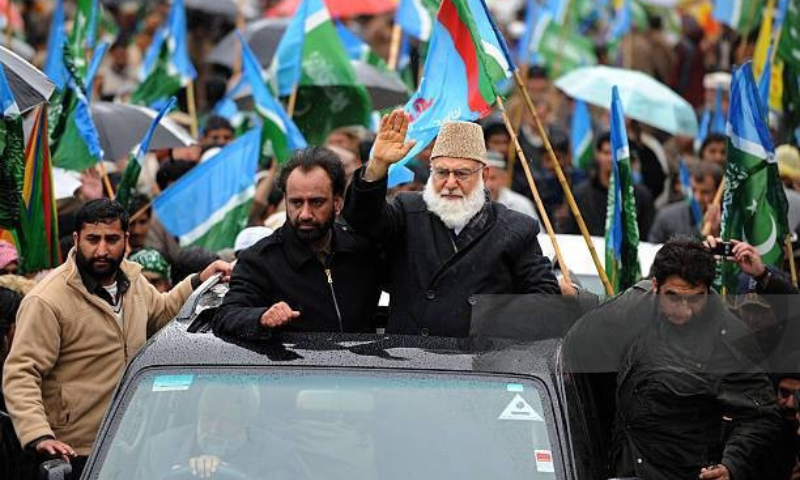
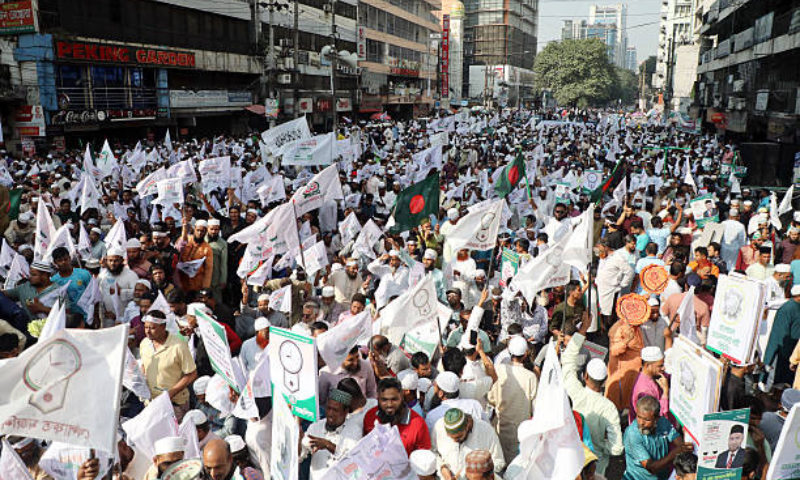
During his visit to Dhaka, Dar held a meeting with leaders of Jamaat-e-Islami. The party, which had supported Pakistan in 1971, later faced severe restrictions and executions of its leaders, but has continued to retain influence in Bangladesh’s politics. Earlier this year, Jamaat-e-Islami drew the largest gathering by any political party in the country, reflecting its street power despite being banned from contesting elections. Dar’s engagement with its leadership highlighted Pakistan’s acknowledgment of Jamaat’s enduring presence and relevance.
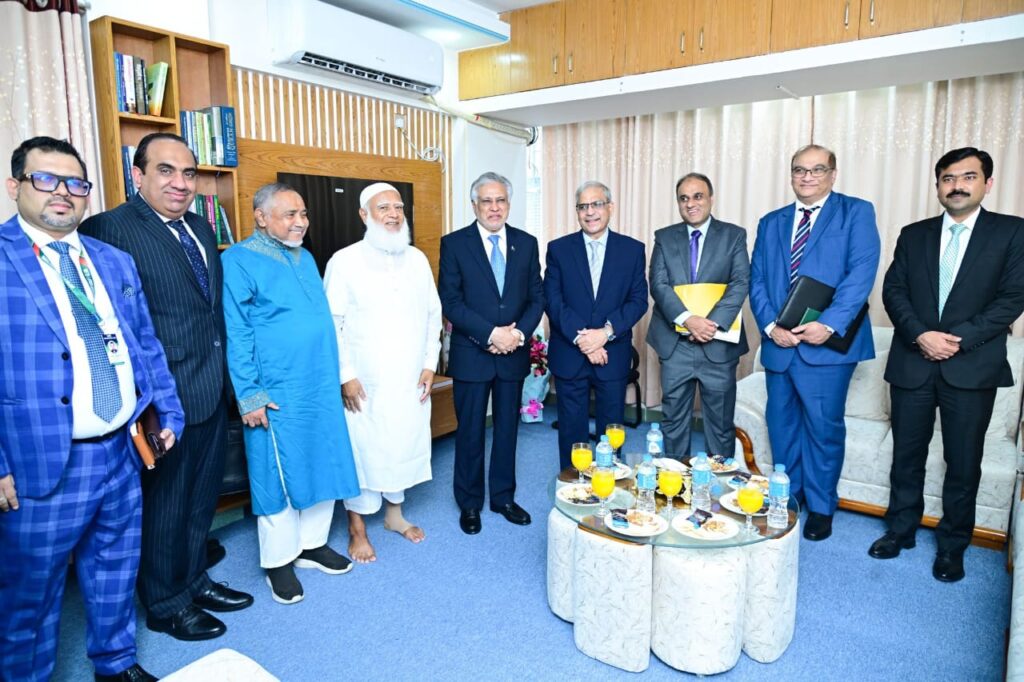
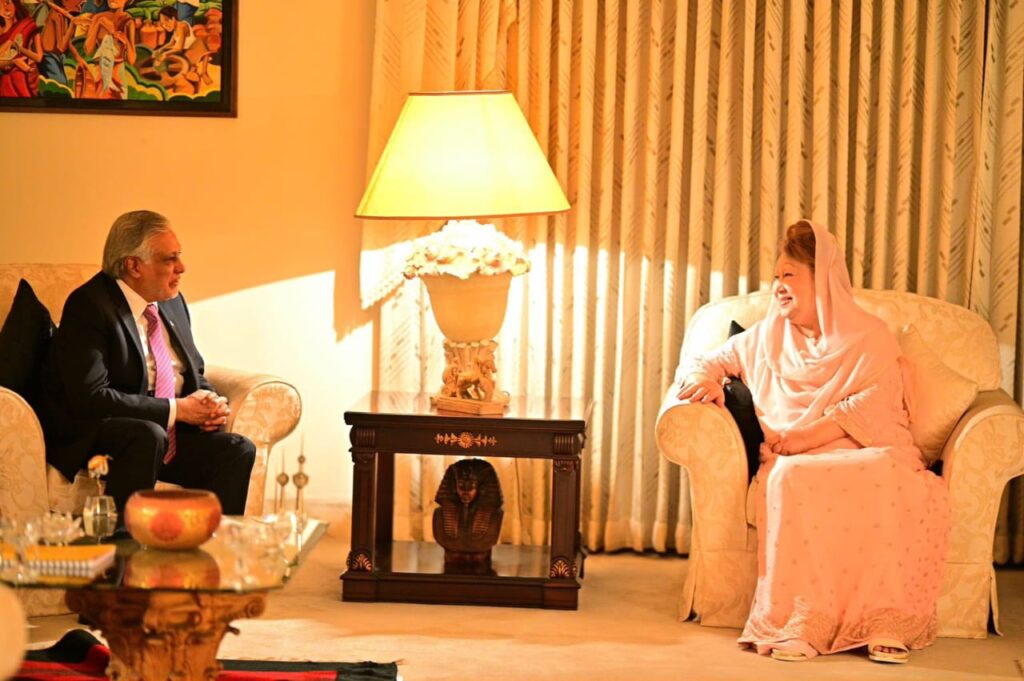
Dar also met former Prime Minister Khaleda Zia of the Bangladesh Nationalist Party (BNP), recalling her 2006 visit to Pakistan and extending well wishes.
Shared History, New Direction
At a reception hosted by Pakistan’s High Commissioner, Dar pointed to “centuries-old shared traditions, Islamic heritage, and literary expressions” that connect the two nations. Analysts say the visit reflects a spirit of reconciliation and an attempt to move past the bitterness of 1971.
Both sides also discussed regional issues, including Palestine and the Rohingya crisis. With SAARC largely dormant, observers see Pakistan–Bangladesh engagement as a possible spark for reviving South Asian cooperation.
ST