An emerging defense alliance between Pakistan and Saudi Arabia could reshape regional stability, reduce reliance on the US, and open doors for Muslim unity and Palestine’s liberation.
By Asif Luqman Qazi
ISLAMABAD: In the past couple of years, Israel has emerged as a real threat to the security of all the countries in this region. It includes not only the smaller countries but also larger countries like Turkiye, Saudi Arabia, Egypt, Iran, and Pakistan.
It has become an imminent active threat and not just a long-term dream. The blanket support provided by Donald Trump to the government of Netanyahu has aroused fear in the Gulf countries that the United States will not shield them against Israel despite their bilateral security agreements. Pakistan, too, is facing the threat of Indian aggression.
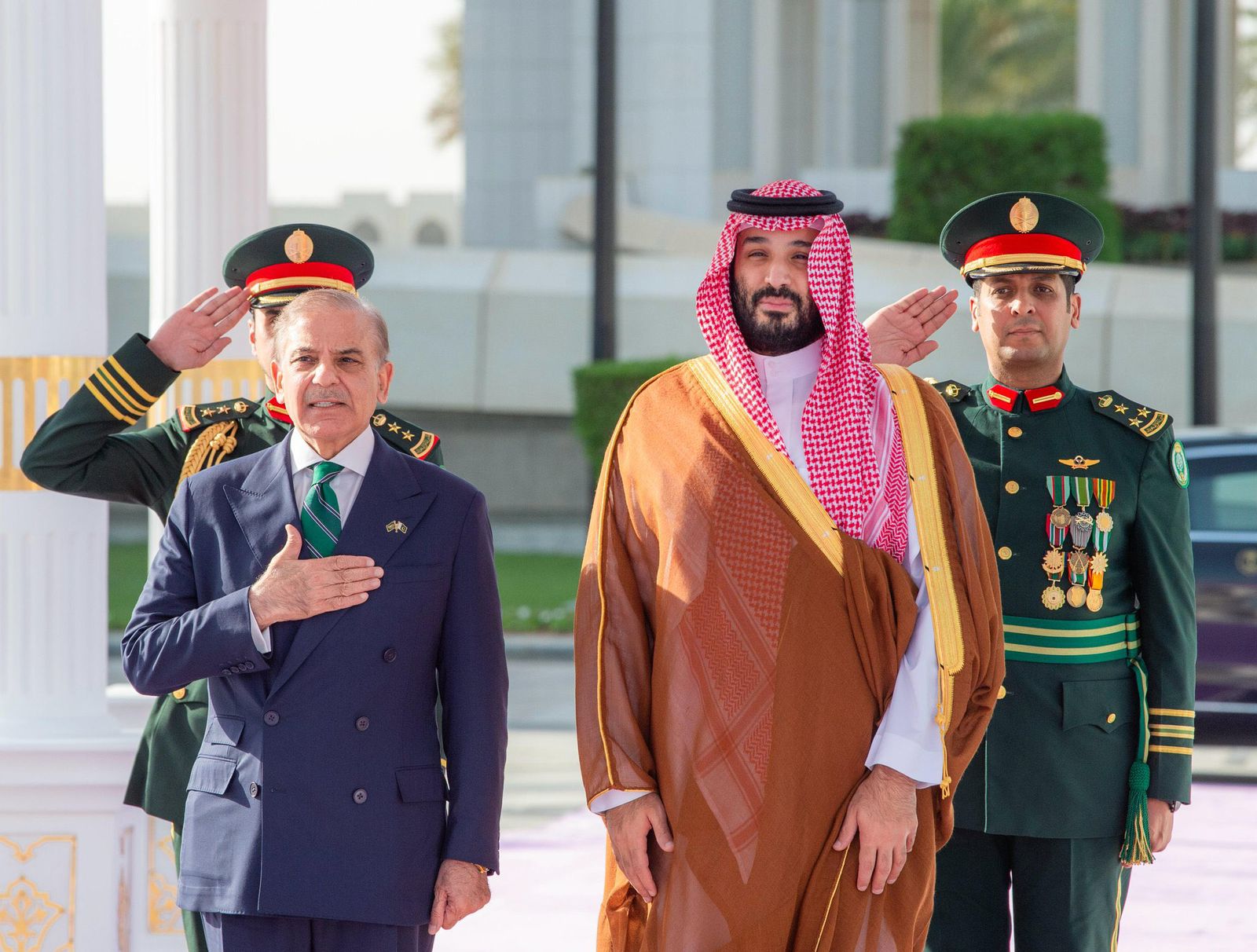
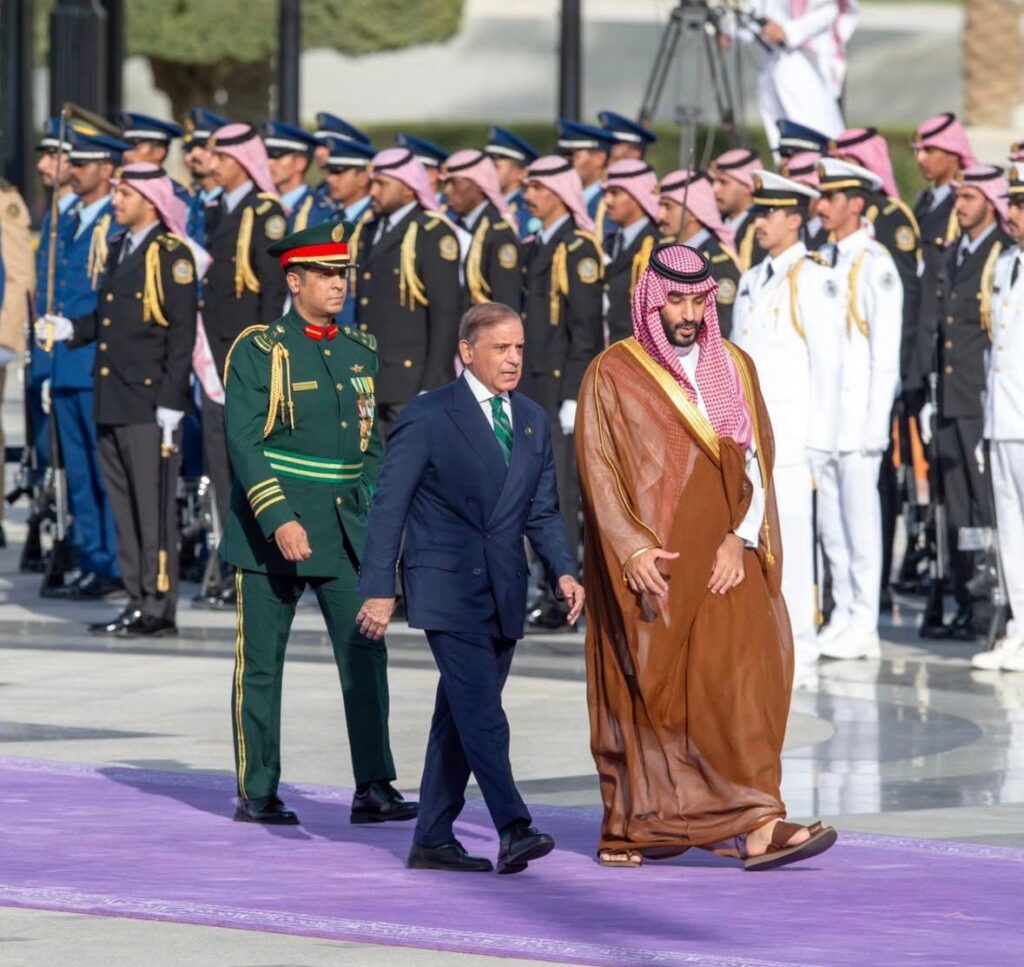
It’s well-known that Israel supported India in the last war and provided it with drones and missiles to attack Pakistan. Pakistan is strong militarily but vulnerable economically to sustain its security needs. So the strategic agreement between Pakistan and Saudi Arabia provides opportunities for both Pakistan and Saudi Arabia to cover their vulnerabilities.
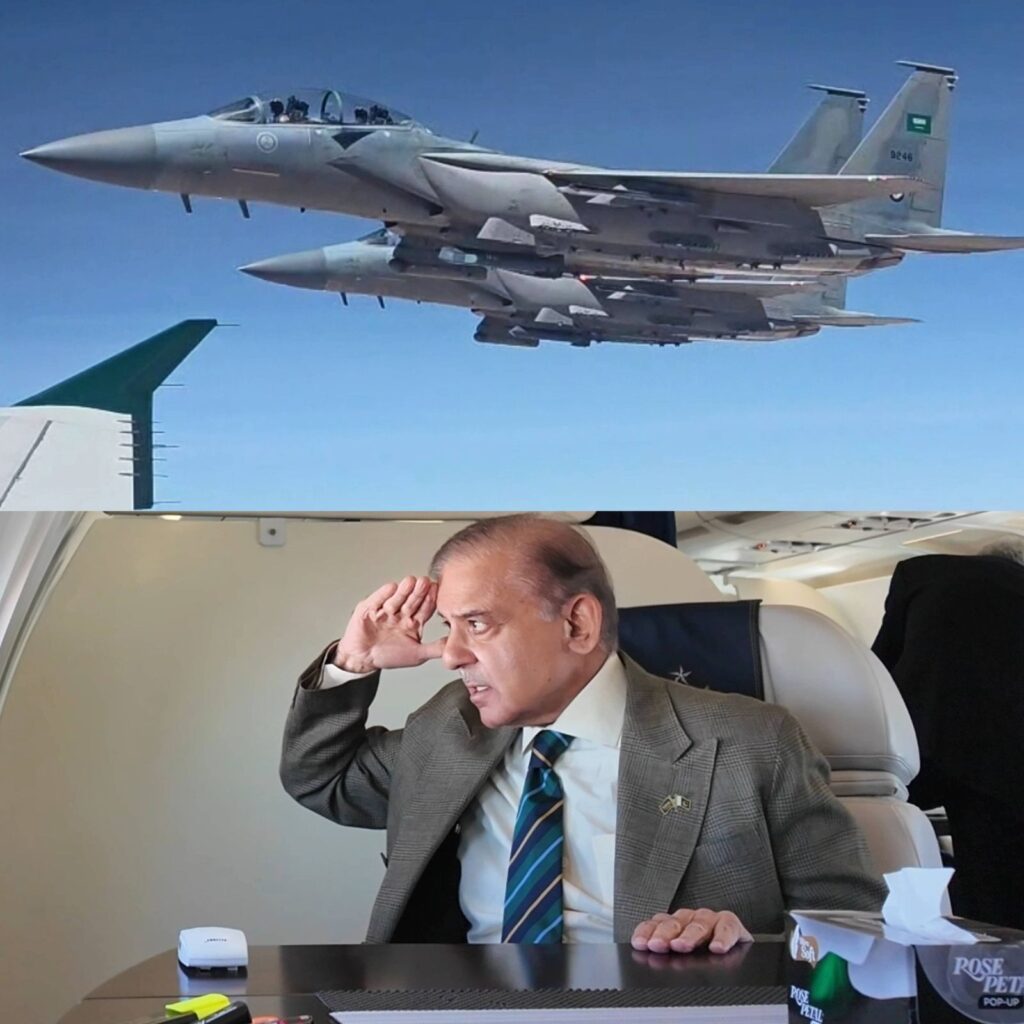
It will effectively work as a deterrent against any country planning a misadventure against Pakistan or Saudi Arabia. Joint defense projects will create opportunities to improve defense-related production and harness new technologies to develop modern and adequately equipped defense forces. Naval collaboration will strengthen maritime defense and expand the horizons of both countries.
Pakistan has vast experience in joint ventures in the military production industry with China. Pakistan can diversify the security shield required by the Gulf countries, so that these countries are not dependent on the United States alone. There is a sense of betrayal among the governments of Gulf countries about the role of the United States in the recent Israeli attack on Qatar.
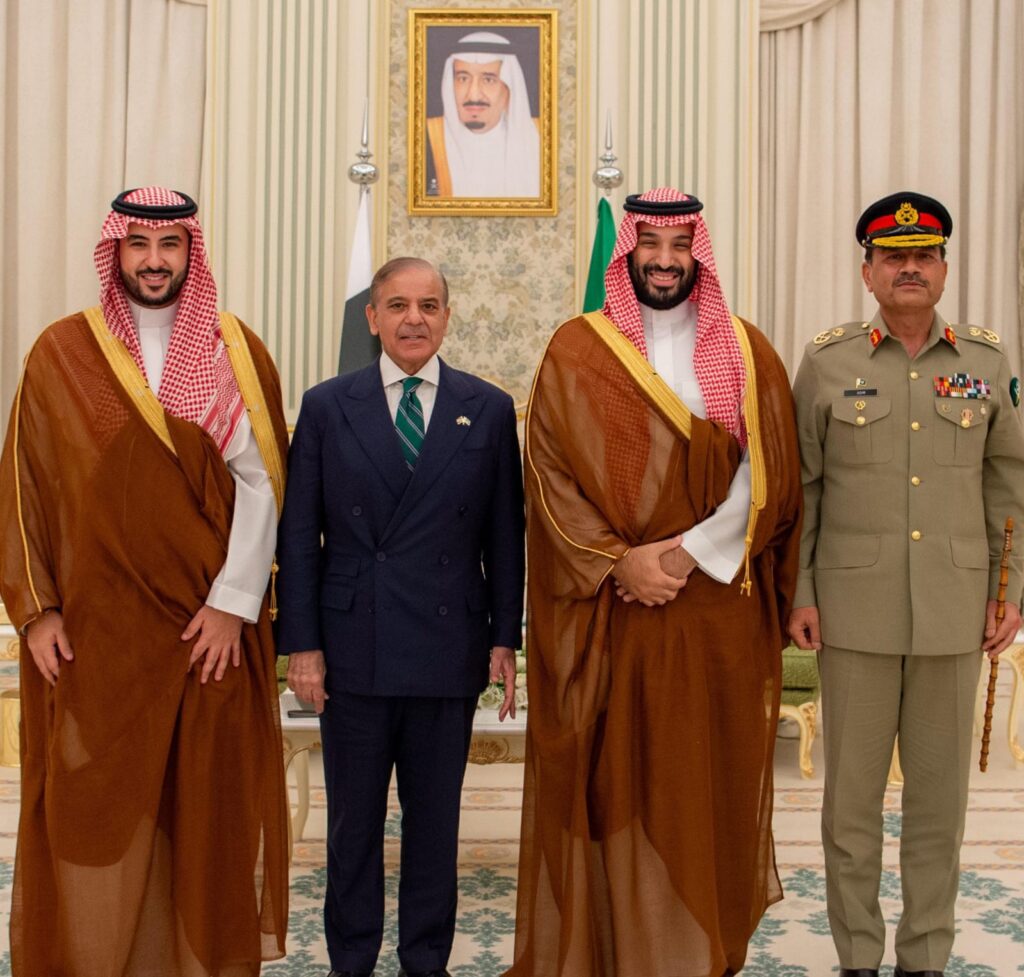
Although they cannot part ways with the United States completely and will engage the US diplomatically, they nevertheless would like to diversify their security arrangements. Pakistan can also play the role of a mediator to improve relations between Saudi Arabia and Iran. Pakistan also enjoys excellent bilateral relations with Turkiye. So it will be a stabilising factor in the region and will promote Muslim unity as well.
This agreement must entail a diplomatic initiative to augment trust and confidence among other stakeholders in the region. Specifically, an assurance must be given to Iran that this agreement will not compromise Iran’s security against any external threat.
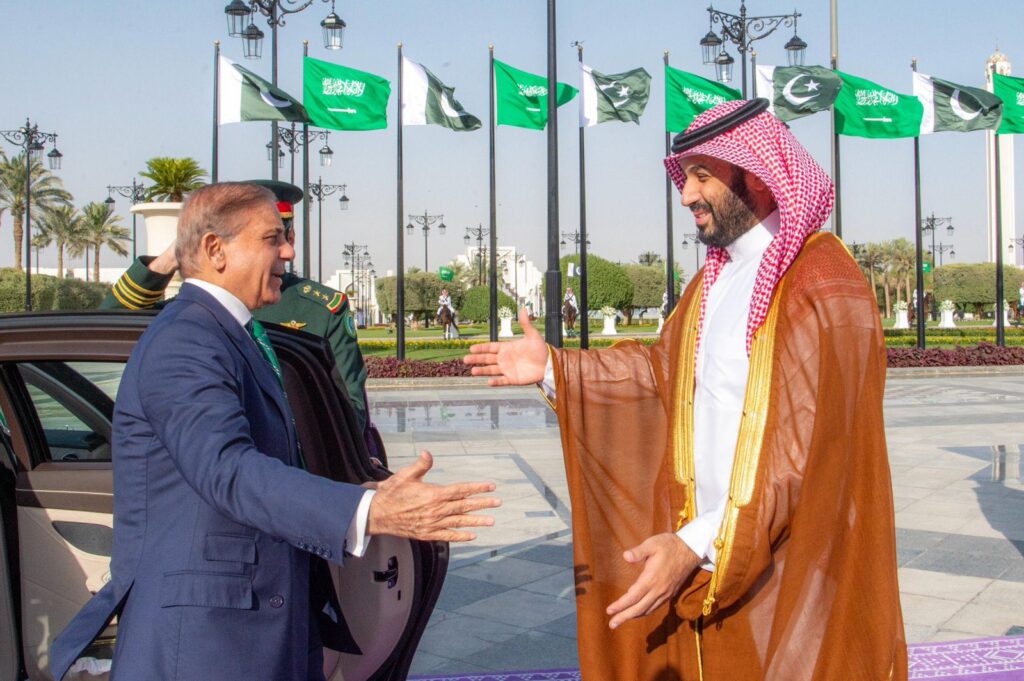
Pakistan’s relations with Saudi Arabia are traditional and rooted in faith as well, besides national interest. The Pakistani nation has an emotional attachment to Haramain Al Sharifain and considers it an honour to be part of the security against foreign threats.
It is possible that this security arrangement is extended to other countries of the region as well. If sustained with the spirit of mutual growth and mutual trust, this can emerge as the liberating “deal of the century” for the Middle East. It eventually will have implications for the liberation of Palestine as well.
The writer, Asif Luqman Qazi, is the Director of Foreign Affairs for Jamaat-e-Islami Pakistan, with experience in academia, business, and politics, and strong networks with Islamic movements worldwide.