From Gaza to Washington, a short-video app is reshaping politics, propaganda, and global influence.
SPECIAL REPORT:
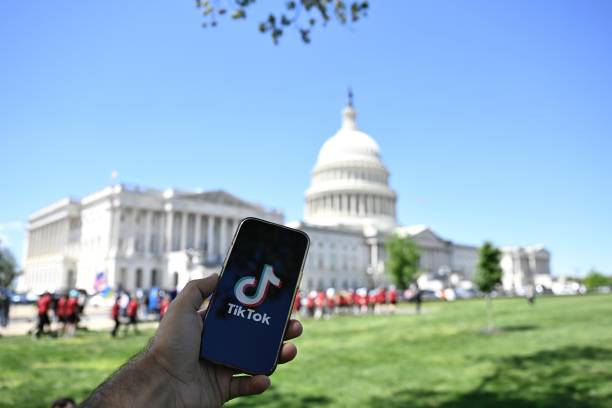
Washington: Israeli Prime Minister Benjamin Netanyahu has called TikTok “the most important weapon” of the modern era, underscoring how a short-video app once known for dance clips has become a frontline tool in politics, propaganda, and global influence.
“Weapons change over time… the most important ones are the social media,” Netanyahu told American influencers, adding: “The most important purchase going on right now is TikTok… I hope it goes through because it can be consequential.”
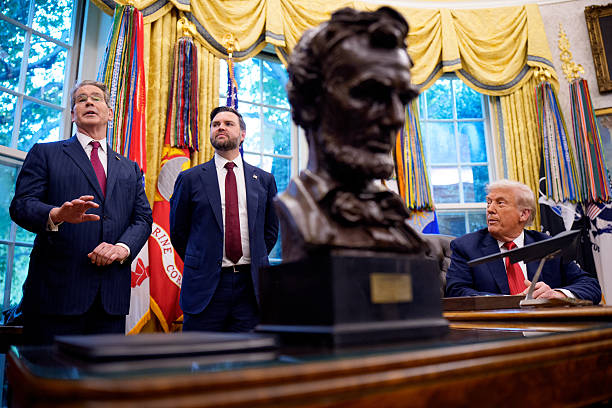
His remarks came days after U.S. President Donald Trump approved a deal transferring TikTok’s U.S. operations to an American-led consortium including Oracle, tech entrepreneur Michael Dell, and media mogul Rupert Murdoch — a move billed as resolving national-security concerns but raising fresh questions about political influence.
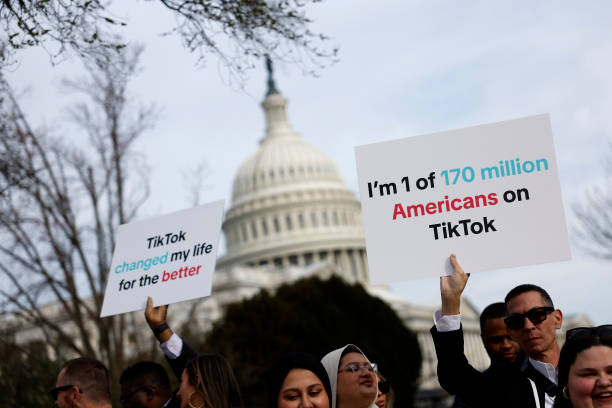
The Numbers Behind TikTok’s Power
TikTok is not the largest social platform by raw users — Facebook and YouTube remain bigger — but its attention dominance sets it apart.
- 1.6 billion monthly users worldwide.
- Top markets: the U.S. (136 million users), Indonesia (108 million), Brazil (92 million), Mexico (85 million), Pakistan (67 million).
- Demographics: Almost half of TikTok’s users are under 30, with Gen Z and millennials driving its cultural edge.
- Time spent: U.S. users spend 35–45 hours a month on TikTok, more than YouTube and far ahead of Facebook.
That intensity makes it a key battleground for politics. Surveys show 43% of Americans under 30 now get news from TikTok, a dramatic rise since 2020.
Why Governments Fear It
Governments from Washington to Brussels have tried to rein in TikTok, citing:
- Data security risks from its Chinese owner, ByteDance.
- Election interference — researchers have tracked coordinated political influence campaigns on the app.
- Narrative dominance — its algorithm can amplify voices and movements at record speed, making it harder for authorities to control information flow.
The U.S. has repeatedly threatened to ban TikTok unless ByteDance divests. Europe has restricted its use on official devices. India imposed a full ban in 2020.
Shaping the Information War
Netanyahu’s statement laid bare why TikTok matters for states under international scrutiny. Israel is facing unprecedented global condemnation over its Gaza offensive, which has killed more than 66,000 Palestinians since October 2023, according to UN agencies. Delegates walked out of Netanyahu’s recent UN speech in protest.
For Israeli leaders, control over platforms like TikTok and Elon Musk’s X offers a way to counter rising grassroots criticism online. Trump himself credited TikTok with helping him reach young voters during his campaigns.
A Conservative Rebrand?
Trump’s deal with Oracle — led by Larry Ellison, a longtime Israel supporter — and Rupert Murdoch’s involvement have fueled speculation of a conservative rebranding of TikTok. The White House pegs the deal at $14 billion, far below TikTok’s estimated market value, raising eyebrows in Washington.
Critics warn the arrangement could tilt the app’s moderation policies, echoing shifts already seen on Musk’s X and Zuckerberg’s Facebook, where claims of bias have reshaped rules.
The Bigger Picture

TikTok’s future remains uncertain, caught between Washington’s politics, Beijing’s approval, and a rapidly shifting social media landscape. But Netanyahu’s words capture the underlying reality: in today’s world, the battle for hearts and minds is fought less on the battlefield than in the algorithmic feeds of billions of smartphones.