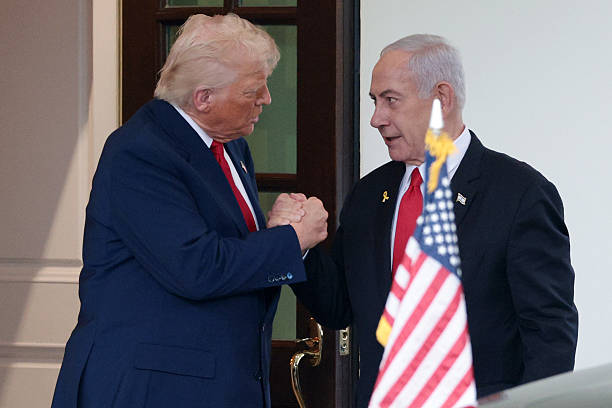
Trump’s Gaza plan ignores Palestinians, empowers Israel, and risks cementing occupation under the guise of peace.
BY Sajjad Khan
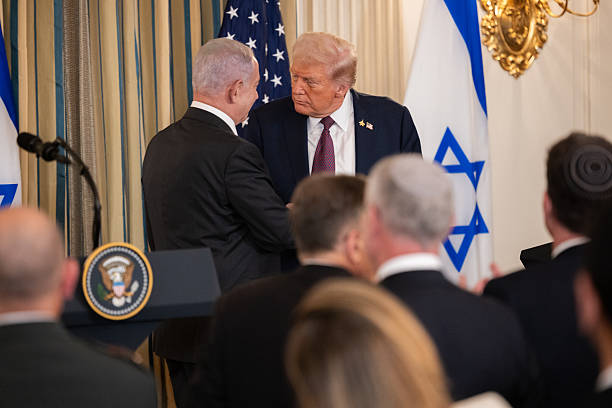
ISLAMABAD: Donald Trump’s newly unveiled 20-point Gaza peace plan is being described by critics as one of the most unusual – and dangerous – agreements in modern conflict resolution. Unlike traditional peace processes, this initiative was negotiated entirely with one party: Israel. There were no direct talks with Palestinians or with Hamas, no third-party mediation, and no recognition of Hamas – the elected authority in Gaza since 2006 – as a legitimate stakeholder.
Peace without dialogue is not peace at all; it is imposition. By sidelining the very people who have endured war, displacement, and blockade, the plan effectively institutionalizes the Israeli narrative while silencing Palestinian voices.
A Plan Built on Threats, Not Guarantees
Even more alarming is Trump’s warning that if Hamas rejects the deal, there will be consequences. This conditional coercion is not diplomacy – it is pressure politics. And history shows such strategies fail. The absence of any concrete guarantee of Israeli troop withdrawal, accountability for war crimes, or mechanisms for justice makes the plan little more than a cover for prolonging occupation under the guise of peace.
Israel has repeatedly failed to honour past agreements, from the Oslo Accords of the 1990s to subsequent ceasefire deals. What assurance exists that it will respect Trump’s plan? None. Instead, Palestinians are asked to disarm, while Israel keeps its military presence and expands control.
A War Without Accountability
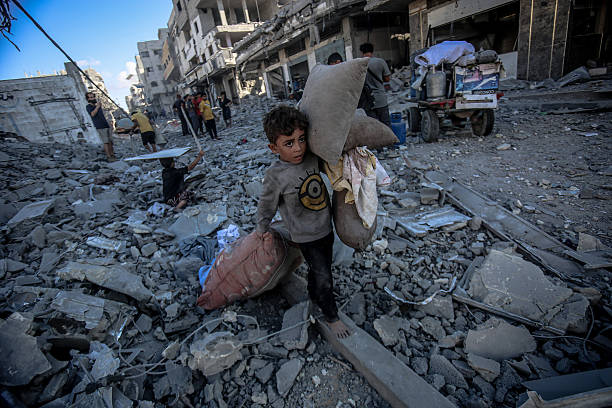
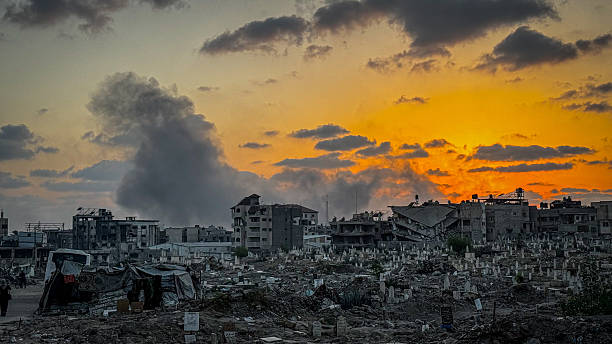
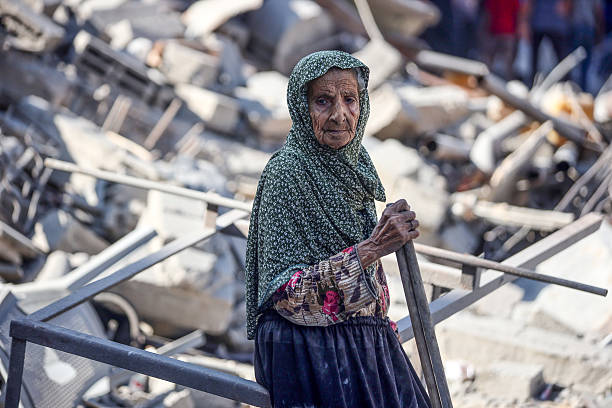
Who answers for the more than 66,000 Palestinians killed – overwhelmingly civilians: children, women, the elderly – during Israel’s war on Gaza? Entire neighbourhoods have been flattened, markets and businesses destroyed, livelihoods erased. And yet, the so-called peace plan avoids any mention of reparations, accountability, or war crimes investigations. Justice is absent, and without justice, there can be no reconciliation.
This asymmetry is glaring. When the U.S. engaged with the Taliban in Afghanistan, years of negotiations took place in Doha, recognizing that peace could not be achieved without talking to the actual combatants. Why then is Gaza different? Why is Hamas excluded from negotiations over the future of a territory it governs? The double standard reveals a geopolitical reality: Washington’s loyalty to Israel outweighs its commitment to genuine conflict resolution.
Normalizing Occupation, Undermining Peace
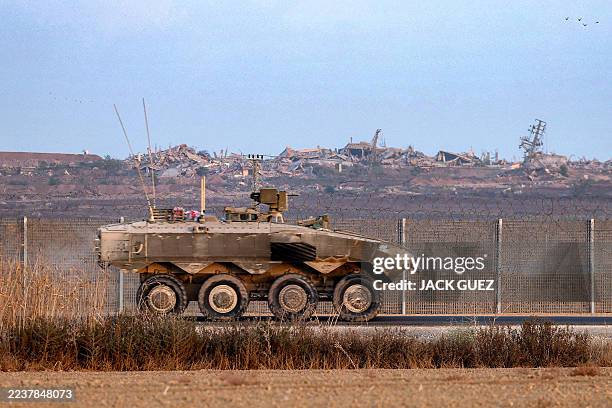
By drafting a “peace plan” with the aggressor while ignoring the oppressed, Trump’s initiative risks entrenching occupation, not ending it. Palestinians are offered vague promises of self-determination, but only as a “possibility,” not a guarantee. Meanwhile, Israel secures recognition, security cooperation, and political cover.
This is not a roadmap to peace – it is a blueprint for continued domination.
The Real Path Forward
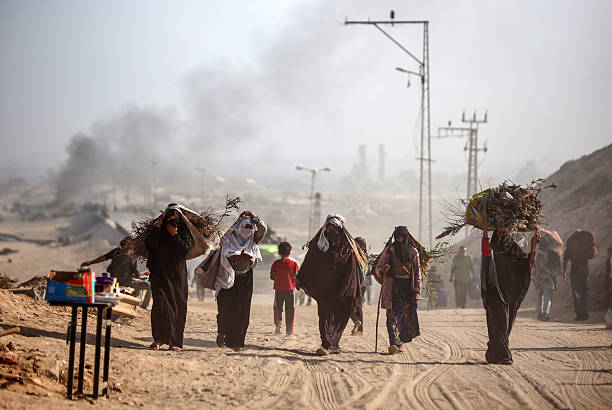
Lasting peace in Gaza cannot be dictated by Washington or Tel Aviv. It requires:
- Direct negotiations with Palestinians, including Hamas, the elected authority.
- International guarantees of Israeli withdrawal from the occupied territories.
- Accountability mechanisms for war crimes and mass civilian casualties.
- Recognition of a Palestinian state along the 1967 borders with East Jerusalem as capital.
Until these principles are respected, Trump’s so-called deal will join the long list of failed peace initiatives – remembered not for ending war, but for deepening injustice.