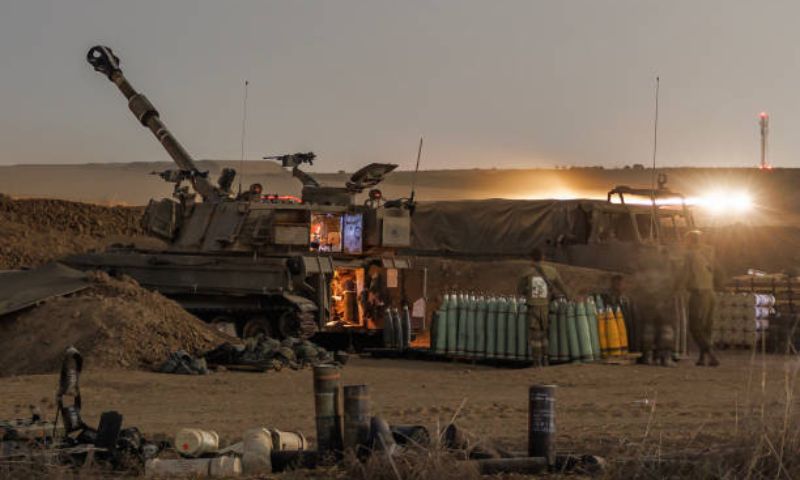
As Sharm el-Sheikh hosts renewed ceasefire talks under a US-led plan, Gaza’s devastation, Israel’s occupation, and the Palestinians’ right to resist under international law define the deeper struggle for justice
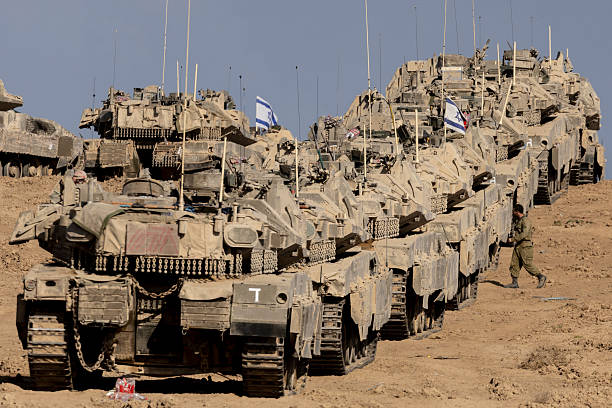
Two years into Israel’s devastating war on Gaza, diplomacy is again being tested in Egypt’s Red Sea resort of Sharm el-Sheikh, where Egyptian and Qatari mediators continue indirect negotiations between Israel and the Palestinian resistance movement, Hamas.
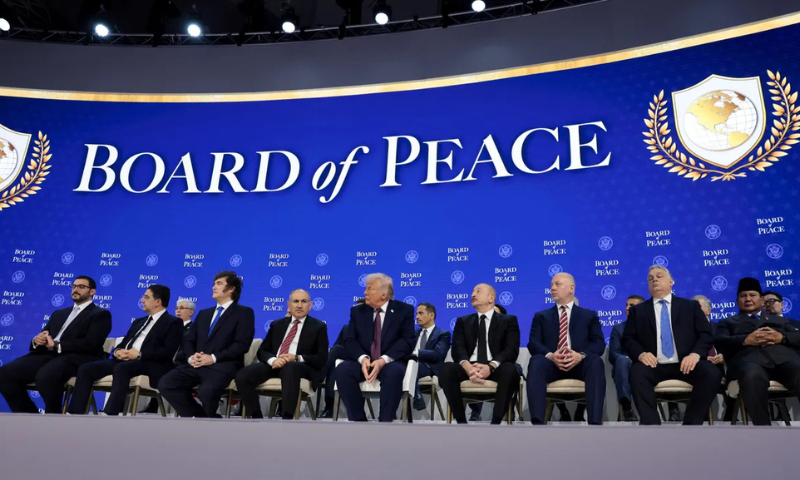
The talks, backed by the United States, aim to translate President Donald Trump’s 20-point peace plan into a ceasefire and hostage-prisoner exchange. Yet beneath the cautious optimism lies a deeper struggle — one that questions not just terms of peace, but the legitimacy of decades of occupation.
Fragile Hope Amid Ruins
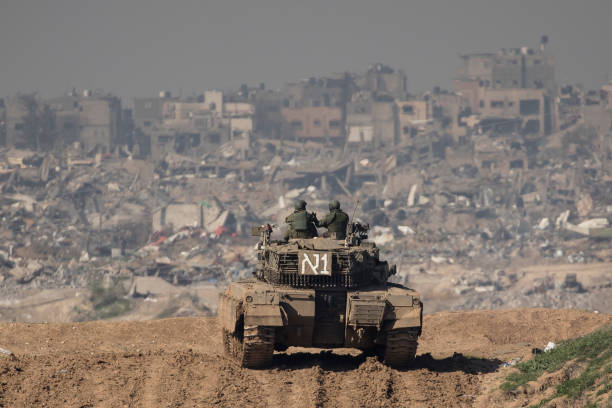
Palestinian and Egyptian officials said that the discussions centre on “creating the field conditions” for the exchange of Israeli hostages for Palestinian prisoners. Trump called the process a “really good chance for a lasting deal.”
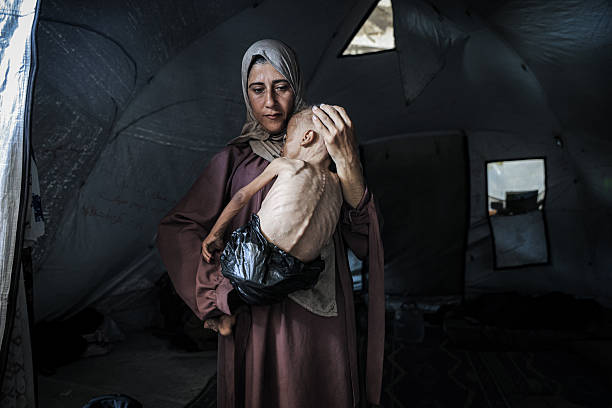
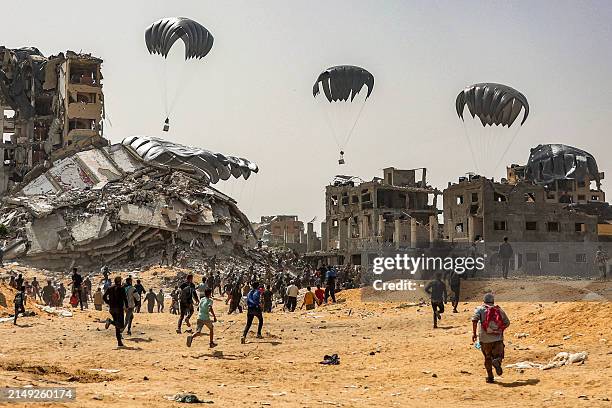
But for Gaza’s 2.3 million people, hope is buried under rubble. According to Gaza’s health ministry, more than 67,000 Palestinians have been killed since October 2023, including 18,000 children. Entire neighbourhoods have been flattened, hospitals are barely functional, and aid convoys remain blocked.
UN Secretary-General António Guterres described Gaza as “a humanitarian catastrophe on a scale that defies comprehension,” urging an immediate ceasefire and full humanitarian access. The World Food Programme now warns that parts of Gaza are already in “full-scale famine.”
Resistance and the Right to Self-Determination
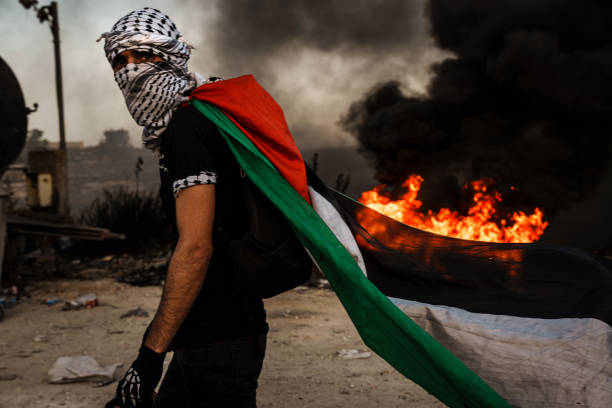
Hamas, which defines itself as a national resistance movement under occupation, has conditionally accepted key elements of the US proposal — including handing Gaza’s administration to an independent Palestinian technocratic body.
However, it has rejected demands for disarmament and political exclusion, citing international law and the UN Charter, which recognize resistance to foreign occupation as a legitimate right.
Its latest statement reaffirmed readiness to release all Israeli hostages “according to agreed formulas,” provided Israel ends its siege and military operations. For Hamas, any sustainable peace must guarantee Palestinian sovereignty and international protection against future assaults.
Israel’s Calculus and the Question of Power
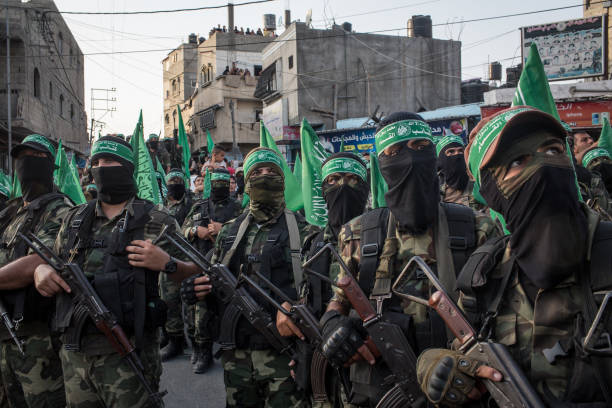
Israel insists on Hamas’s complete demilitarization and exclusion from governance, even as Prime Minister Benjamin Netanyahu publicly dismisses the idea of a Palestinian state.
This uncompromising position, analysts say, exposes the contradiction at the heart of Israel’s policy: demanding peace without addressing the core issue of occupation.
While Israeli officials speak of “security,” Gaza’s reality — bombed hospitals, mass graves, and starving civilians — tells a story of collective punishment. Rights groups accuse Israel of violating international humanitarian law through disproportionate use of force and deliberate obstruction of aid.
A Controlled Narrative
On the eve of the talks, Israel permitted a small group of foreign journalists into Gaza City — their first entry in months — but only under tight military escort. Reporters described a guided, censored tour of destruction.
Press freedom advocates, including Reporters Without Borders, condemned the move as an attempt to stage-manage the narrative and conceal the full scale of civilian suffering.
Since October 2023, over 560 humanitarian workers, including 376 UN staff, have been killed in Israeli strikes — the highest toll in any conflict this century. Aid agencies now call Gaza “the world’s most dangerous place for humanitarian work.”
The Global Response
World leaders have cautiously welcomed the US initiative. The UK’s Sir Keir Starmer said it offered “a genuine chance for peace.” Iran’s unexpected endorsement of the plan suggests shifting regional dynamics — perhaps a recognition that Gaza’s devastation has reshaped Arab public opinion.
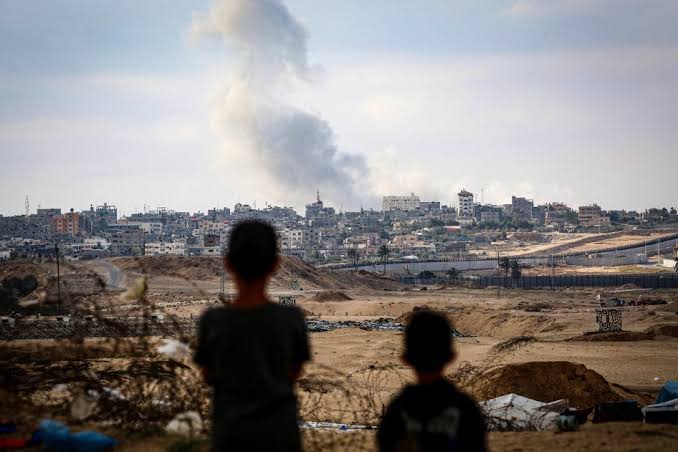
Yet Israeli airstrikes continue even as negotiators meet, underscoring the fragility of the process. A senior Palestinian official told Reuters that the first round ended “amid a positive atmosphere,” but warned that “without guarantees of ending the occupation, this peace will not last.”
Beyond Diplomacy: The Moral Reckoning
Two years after the October 7 attack on Israel, Gaza remains a scar on the conscience of the world. The UN’s independent inquiry last month concluded that Israel has committed acts amounting to genocide — a charge Israel rejects but which has been echoed by genocide scholars and humanitarian agencies.
For many Palestinians, the question is no longer about ceasefire lines, but about justice — accountability for mass civilian deaths, and recognition of their right to live freely on their own land.
As one aid worker in Rafah said, “We don’t need promises of peace. We need the world to see us as human.”