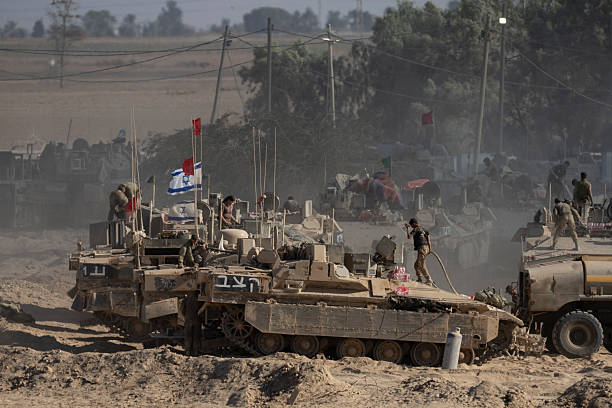
As indirect negotiations in Egypt enter their third day, Hamas refuses any deal without internationally backed assurances of an end to Israel’s war and a total troop pullout, citing repeated ceasefire violations.
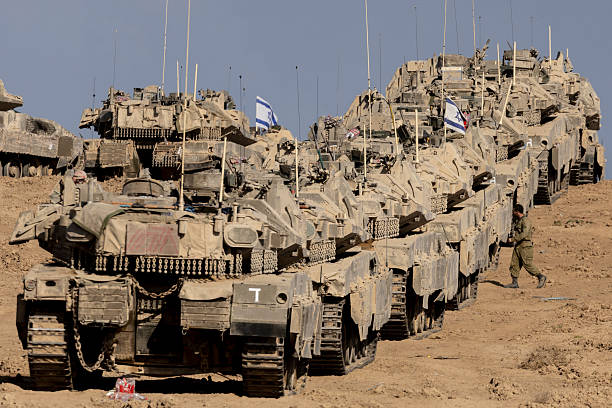
SHARM EL-SHEIKH, Egypt: As indirect ceasefire negotiations between Hamas and Israel entered their third day in Egypt, senior Hamas officials said they would not agree to any deal without written, internationally backed guarantees ensuring Israel ends its war on Gaza and withdraws all troops from the enclave.
The group’s representatives told mediators that previous truces had been violated by Israel, and that only a binding framework — endorsed by guarantor states — could prevent another collapse.
“We do not trust the occupation, not even for a second,” said senior Hamas negotiator Khalil al-Hayya, speaking to Egypt’s Al-Qahera News. He accused Israel of breaking “two previous ceasefires” and insisted that Hamas wanted “real guarantees” that the war would not be restarted under any pretext.
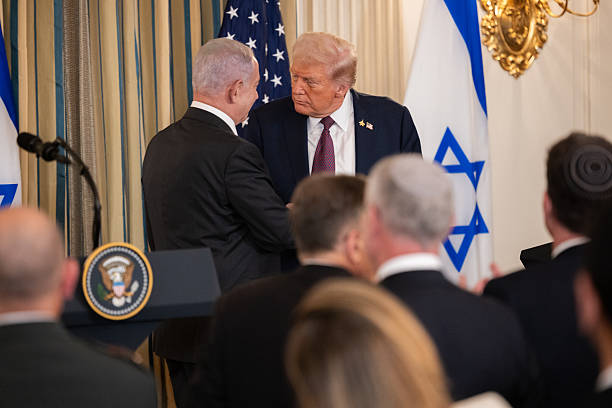
Under U.S. President Donald Trump’s 20-point peace plan, the two sides are negotiating a phased exchange of Israeli hostages for Palestinian prisoners, a total ceasefire, and Gaza’s reconstruction.
But Hamas leaders say the plan’s timeline for Israeli troop withdrawal is vague and lacks enforceable safeguards.
Guarantees, withdrawal, and phased prisoner releases
Senior Hamas official Fawzi Barhoum told Al Jazeera that the group’s delegation was seeking an “immediate and comprehensive ceasefire” and “the complete withdrawal of the occupation army.” He said Hamas intends to release Israeli captives in stages linked directly to Israel’s troop pullout — an arrangement requiring third-party monitoring.
Hamas has formally requested Qatar, Egypt, and the United States to serve as guarantors of any future agreement, fearing a repeat of past violations.
“We want real guarantees that the aggression will end completely and will not return under any name,” Barhoum said.
The group’s negotiators also want reconstruction of Gaza to begin immediately after the ceasefire, managed by a Palestinian national body of technocrats, not under foreign supervision.
“We agree not to participate in Gaza’s governance after the war,” Barhoum said, “but reconstruction must remain in Palestinian hands.”
Hamas distrusts the Trump-Netanyahu framework

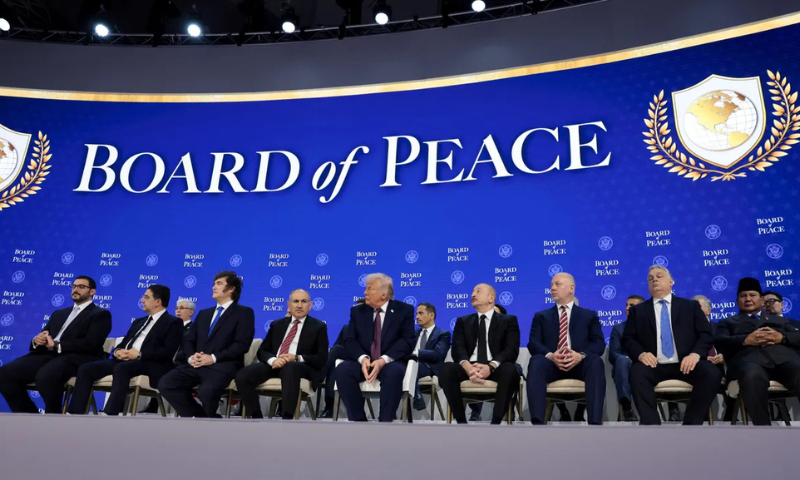
While Trump’s plan excludes Hamas from future governance and proposes an interim “Board of Peace” led by Trump and former British Prime Minister Tony Blair, Hamas leaders say such an arrangement is unacceptable.
They insist that any transitional mechanism must be Palestinian-led and free from Israeli or Western political control.
“The occupation and its allies have always used truces as breathing space for new aggression,” one senior Hamas official said, speaking to Al Jazeera on condition of anonymity. “This time we want guarantees — not promises.”
Hamas has called for international recognition of Gaza’s sovereignty after the withdrawal and wants foreign reconstruction funds channelled directly through Palestinian institutions.
Ghazi Hamad: “We will never surrender.”
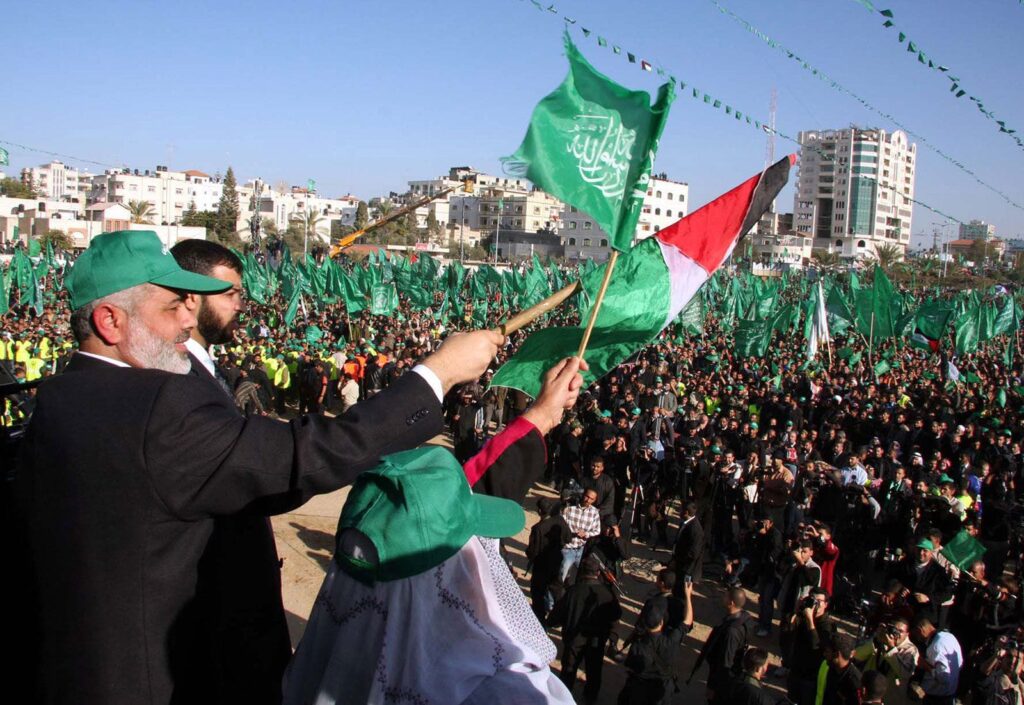
In a separate interview with CNN in Doha, senior Hamas official Ghazi Hamad echoed the group’s defiance, saying Hamas would not disarm and would continue armed resistance “as long as occupation exists.”
He described October 7 — the day Hamas launched its deadly assault on Israel — as a “golden moment” for the Palestinian cause, claiming it forced the world to confront “Israel’s brutality.”
Pressed about the staggering civilian toll — more than 67,000 Palestinians killed since Israel’s retaliation began — Hamad said, “I know the price is high, but what is the option?” He rejected claims that Hamas uses hostages or civilians as human shields, insisting they are treated “with Islamic principles.”
Hamad also demanded that any ceasefire deal must include ironclad commitments from guarantor nations — particularly the U.S. — to hold Israel accountable if it resumes military operations. “The Americans cannot prove they are honest and neutral mediators,” he said.
A fragile path to peace
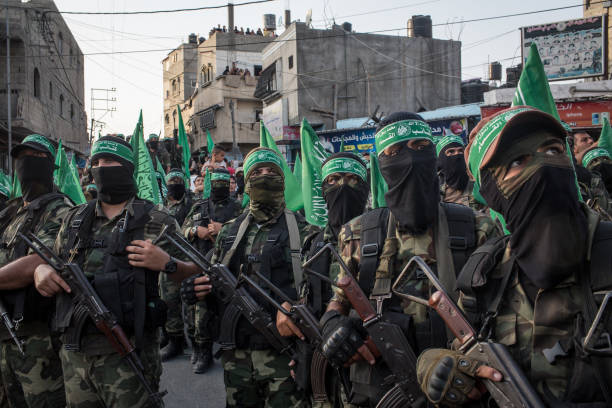
As talks in Sharm el-Sheikh continue with Egyptian, Qatari, and U.S. mediation, negotiators face deep mistrust on both sides. Israel insists that any truce must include Hamas’s disarmament and the return of all hostages, while Hamas refuses to surrender its weapons or accept a foreign-imposed administration in Gaza.
Despite the stalemate, mediators describe the current round as the most serious effort yet to end the two-year-old war. For Hamas, the red lines are clear: a permanent ceasefire, total Israeli withdrawal, immediate humanitarian access, and legally binding international guarantees that the war will not begin anew.
As one Hamas official told mediators late Tuesday, “Without guarantees, there will be no agreement — not this time, not ever.”