From Zia to Musharraf and beyond, Pakistan’s foreign policy swings between dependence and defiance, surviving every crisis yet learning little from the past.
By Mehmood Jan Babar
For over three decades, I have witnessed Pakistan’s political stage transform—leaders rising and falling, each vowing reform and renewal. Yet, despite these recurring promises, the script remains eerily unchanged: Pakistan continues to stumble beneath the weight of its own leadership.
Perhaps this is the defining paradox of our nation’s story—a country that repeatedly falters but never falls, that survives every storm yet seldom learns from the wreckage.
A nation that endures
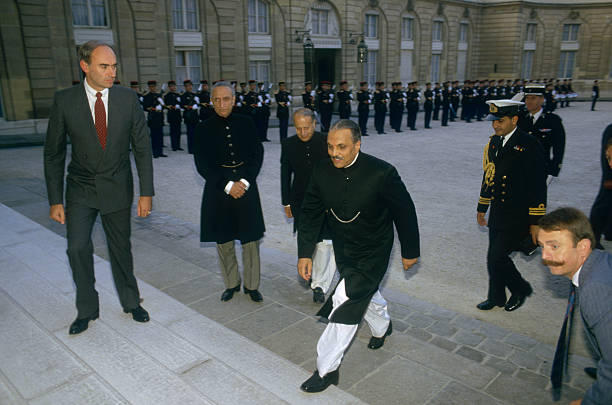
When Afghan refugees poured across our borders in the 1980s, Pakistan was thrown into uncertainty. Our nation suddenly found itself at the center of a global conflict—a frontline ally of the United States in its proxy war against the Soviet Union. Billions of dollars flowed in as aid, much of which we channeled into our nuclear and defense ambitions. The Soviet empire eventually collapsed, but so too did the illusion that alliances are eternal.
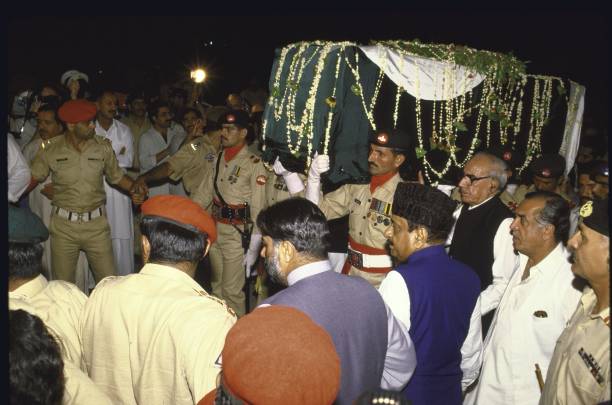
General Zia-ul-Haq—the man who had bound Pakistan with America’s anti-communist crusade—met a mysterious end in an air crash, one that many suspected was orchestrated by his allies. We mourned him, but soon Pakistan once again turned towards democracy, battered but breathing.
Wars and sanctions
Then came the sanctions. Washington turned its back, pushing Islamabad for daring to pursue nuclear sovereignty. Yet instead of capitulating, Pakistan emerged tougher, prouder, and more self-reliant. In 1998, we conducted nuclear tests that declared to the world: we would no longer live under India’s shadow.
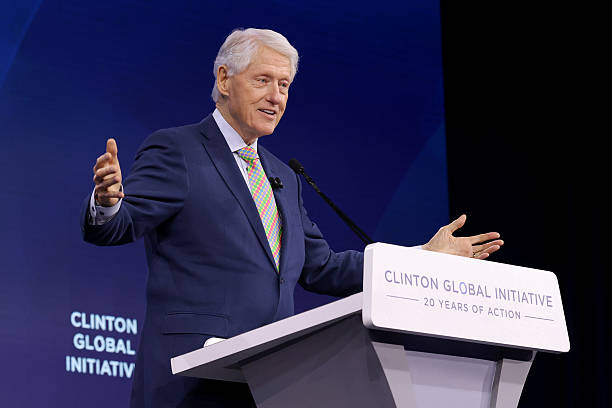
During those years of diplomatic isolation, Pakistan still reached out—offering moral and financial support to besieged Muslim communities in Bosnia and Chechnya. We were weak, sanctioned, and diplomatically isolated—yet unbroken.
General Musharraf’s gamble
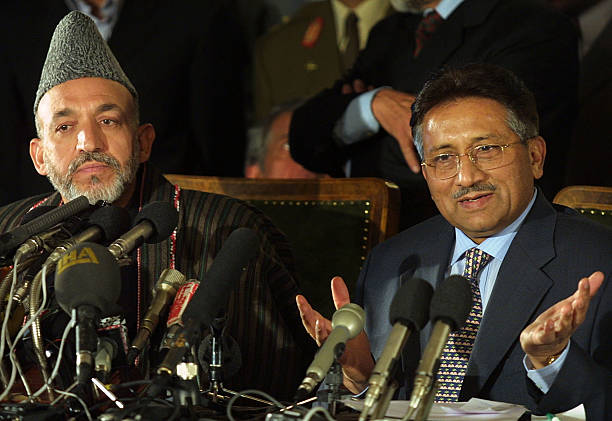
When General Pervez Musharraf seized power in 1999, many dismissed him as Washington’s pawn. Yet, paradoxically, it was under his rule that Pakistan began to modernise at an unprecedented pace. The economy surged, a vibrant media landscape took shape, and urban Pakistan reconnected with the global community.
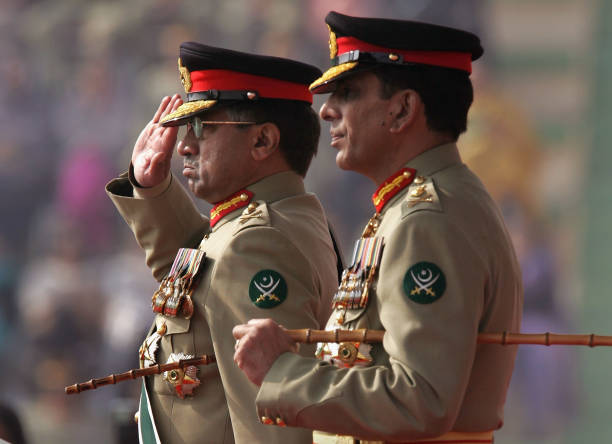
After 9/11, Musharraf walked a dangerous tightrope—aligning with America’s war on terror while fiercely guarding national sovereignty. The irony was unmistakable. The United States lost its longest war in Afghanistan even as it leaned most heavily on Pakistan. When Washington blocked the delivery of our F-16 jets, Pakistan responded with quiet defiance—by building its own. Twice India tested our resolve during Musharraf’s era; twice it retreated, chastened.
Echoes of the past
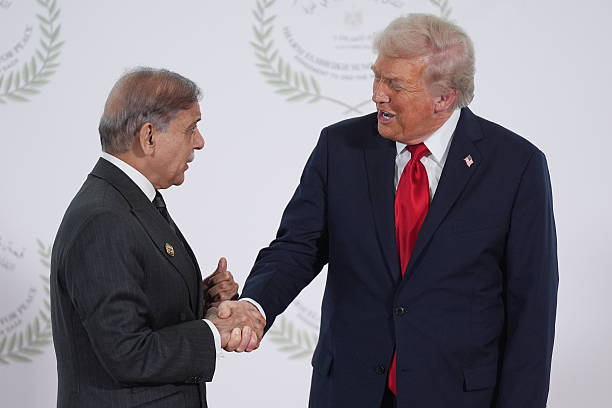
History, however, loves repetition—and Pakistan seems once again caught in its familiar orbit. Today, our policymakers appear eager to rekindle Washington’s favour, hoping that renewed engagement might bring economic relief and political legitimacy, and a semblance of global relevance. Recent defence talks—including the AMRAAM missile deal—and reports of mineral sales worth $500 million suggest the beginning of yet another strategic rapprochement with the United States.
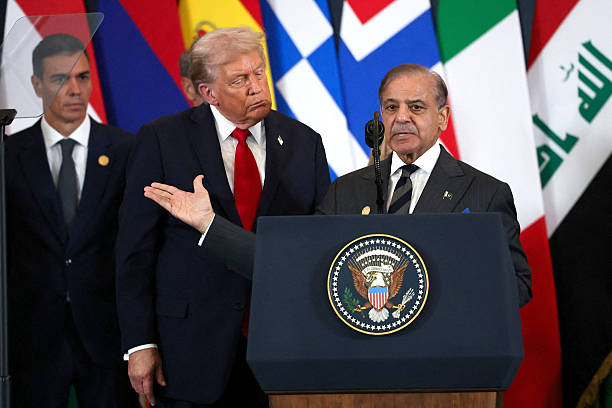
But this renewed warmth comes at a precarious moment. Regionally, it risks unsettling Pakistan’s long-standing partners, particularly China and Iran.
China has invested tens of billions of dollars into Pakistan through the China–Pakistan Economic Corridor (CPEC), the crown jewel of its Belt and Road Initiative. It sees Pakistan not only as a partner but as a corridor to the Arabian Sea. Yet in recent years, CPEC has slowed due to bureaucratic hurdles, security concerns, and shifting political priorities. Beijing may interpret Islamabad’s renewed warmth toward Washington as a signal that Pakistan’s loyalties are once again in play.
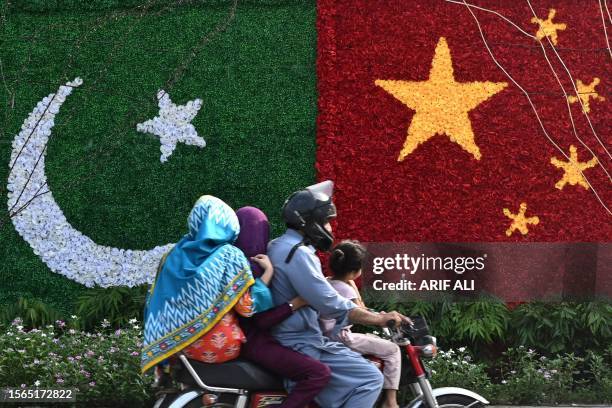
Iran, too, watches with unease. Tehran views any reassertion of US American influence in its neighbourhood as a strategic provocation. At a time when Iran is reeling under renewed Western sanctions and domestic economic strain, Pakistan’s tilt toward Washington may deepen Tehran’s suspicions and complicate cross-border cooperation on trade and energy.
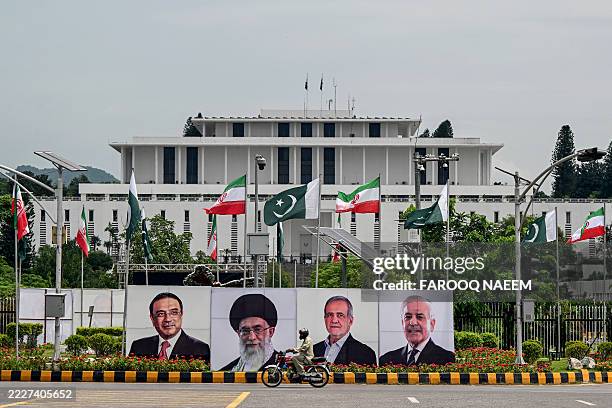
Even Russia, which has recently shown openness to regional coordination and trade, will watch these developments carefully. Moscow has sought to build limited but growing ties with Islamabad, particularly in energy and defense. Yet Pakistan’s historical record of shifting alliances will make any long-term trust difficult to sustain.
The old dependency trap
Domestically, this American re-engagement may provide short-term relief — perhaps through IMF flexibility, trade incentives, or security cooperation — but it could also reignite the old dependency trap. For decades, Pakistan’s relationship with the United States has been transactional, not transformational. Aid and support come with strings attached; strategic alignment often undermines sovereignty.
This is the central paradox of our foreign policy: Pakistan has always managed to survive external pressures, but survival is not sovereignty. We swing like a pendulum — between Washington’s embrace and Beijing’s partnership, between dependence and defiance. Each phase brings its own costs.
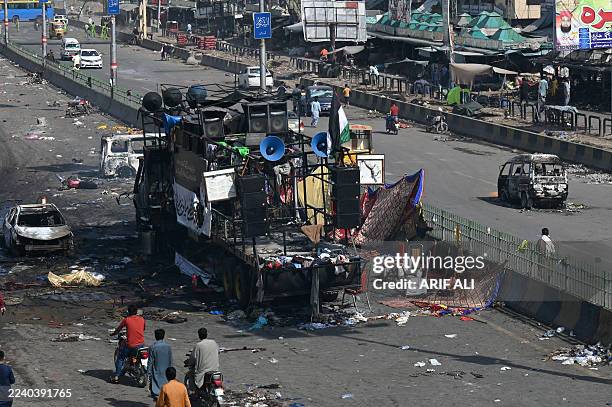
At home, political instability continues to erode confidence. Economic reforms are promised but seldom delivered. The public, weary of slogans and survival politics, is losing faith in leadership across the spectrum. In such conditions, even foreign partnerships are viewed with suspicion — not as opportunities for progress, but as lifelines for those in power.
Beyond survival politics
As Pakistan once again grows closer to the United States, the question remains: have we learned anything from the past? Can we redefine our partnerships in ways that protect national interests rather than personalities?
Our history is full of contradictions. We have been sanctioned yet sovereign, punished yet proud, isolated yet indomitable. Time and again, Pakistan has been declared finished—and each time, it rises from the rubble.
But endurance alone is not victory. It is time to move beyond the politics of mere survival—to chart a course of genuine independence, one rooted in principle rather than expedience.
Otherwise, Pakistan will remain a ship that sails bravely, but never truly steers its own course.
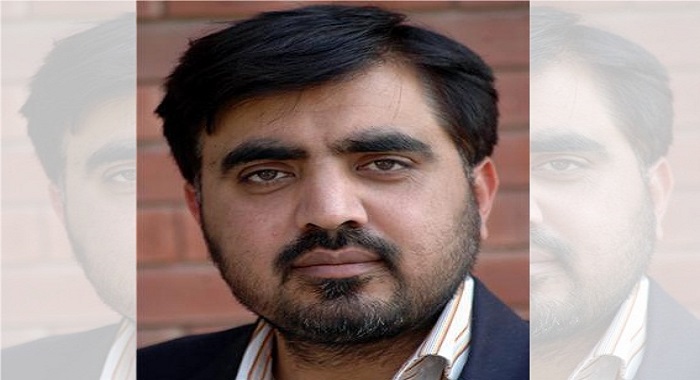
About the Writer:
Mehmood Jan Babar is a seasoned Pakistani political analyst and journalist. He regularly writes columns for newspapers and offers expert commentary on political and security affairs for leading media outlets, including Samaa TV, Al Jazeera, and others.