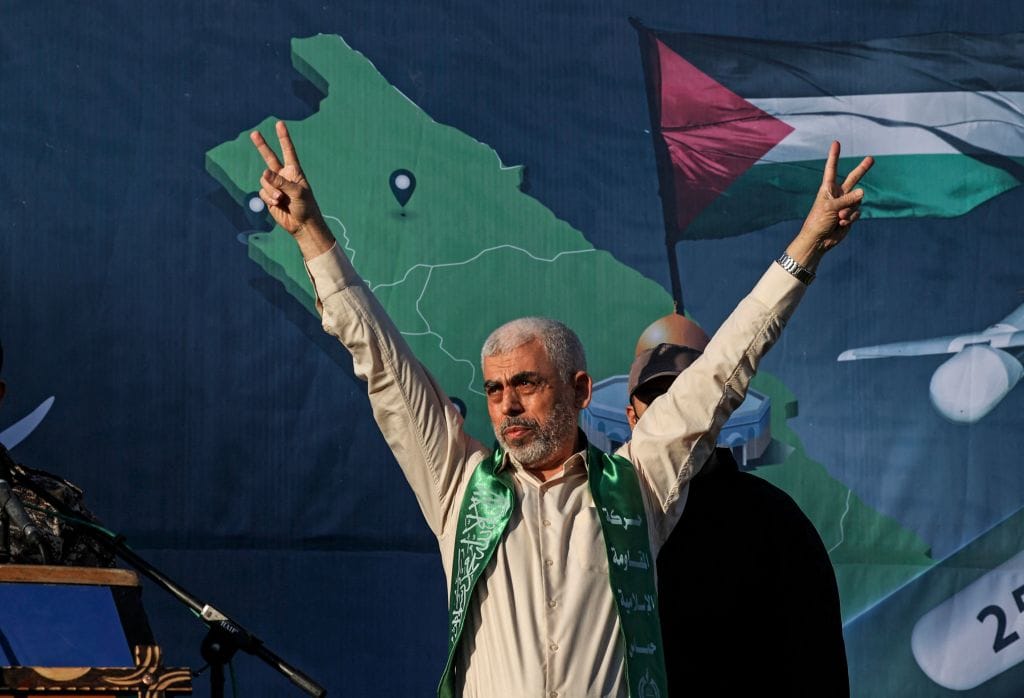
Israel’s two-year war in Gaza has killed more than 67,000 Palestinians, mostly women and children — but the resistance led by Hamas continues to fight for liberation from decades of occupation.
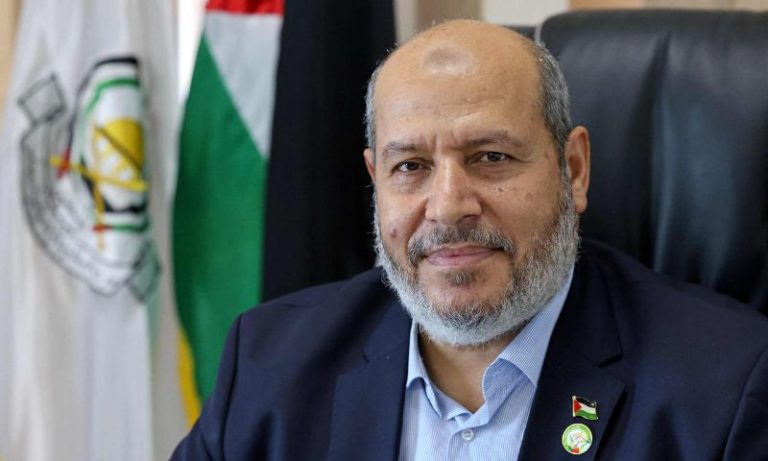
GAZA: When the Palestinian resistance movement Hamas launched its 7 October 2023 operation against Israel, it said it was responding to decades of occupation, oppression, and the suffocating blockade of Gaza. The attack — which killed around 1,200 Israelis and resulted in 251 hostages — unleashed one of the most devastating wars in modern history.
Israel’s subsequent military campaign has killed over 67,000 Palestinians, mostly women and children, and reduced much of Gaza to rubble. What began as an Israeli response to an armed assault has turned into a campaign of destruction that the United Nations now calls genocide
Origins and Goals of the Resistance
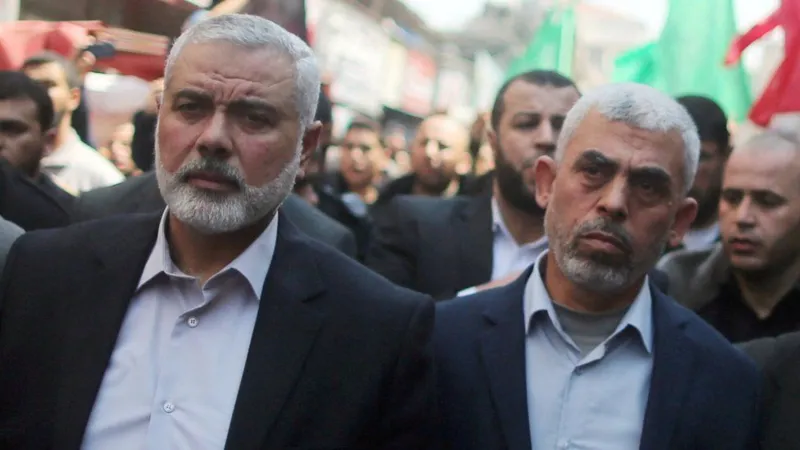
Hamas — the Islamic Resistance Movement — was founded in 1987 as an offshoot of Egypt’s Muslim Brotherhood during the First Intifada. Its core ideology rejects Israel’s occupation and envisions the liberation of all Palestinian lands, including the West Bank, East Jerusalem, and Gaza.
While the movement continues to call for a free Islamic state across historic Palestine, in recent years it has expressed willingness to accept an interim Palestinian state in the 1967 borders — provided Israel ends its occupation.
Leadership and Martyrdom
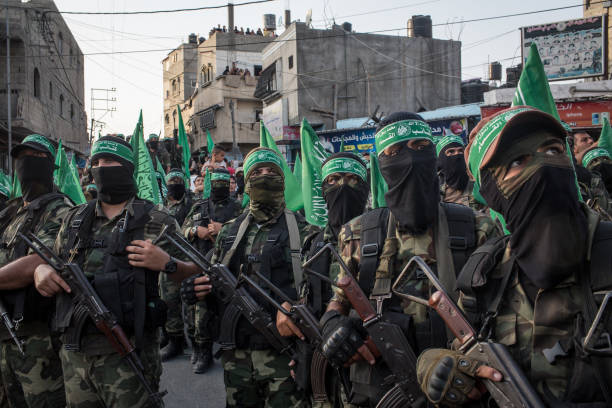
Before the October 2023 attack, Hamas had around 30,000 fighters resisting Israeli control, though Israel later claimed to have killed more than half — a figure that remains unverified.
The movement’s leader at the time, Ismail Haniyeh, was based in Qatar and was martyred in an Israeli airstrike in Tehran in July 2024. His successor, Yahya Sinwar, who masterminded the October operation from Gaza, was also martyred by Israeli forces later that year.
Following their deaths, Hamas leadership passed to a five-member council led by Khalil al-Hayya, based in Qatar. Al-Hayya, alongside Khaled Meshaal, Zaher Jabarin, and others, has guided the movement’s political and diplomatic efforts — including indirect ceasefire talks.
Israel’s September 2025 airstrikes in Doha targeting al-Hayya drew global condemnation, after they killed five Hamas members and a Qatari officer, highlighting Israel’s willingness to strike beyond borders.
Why Hamas Fought Back
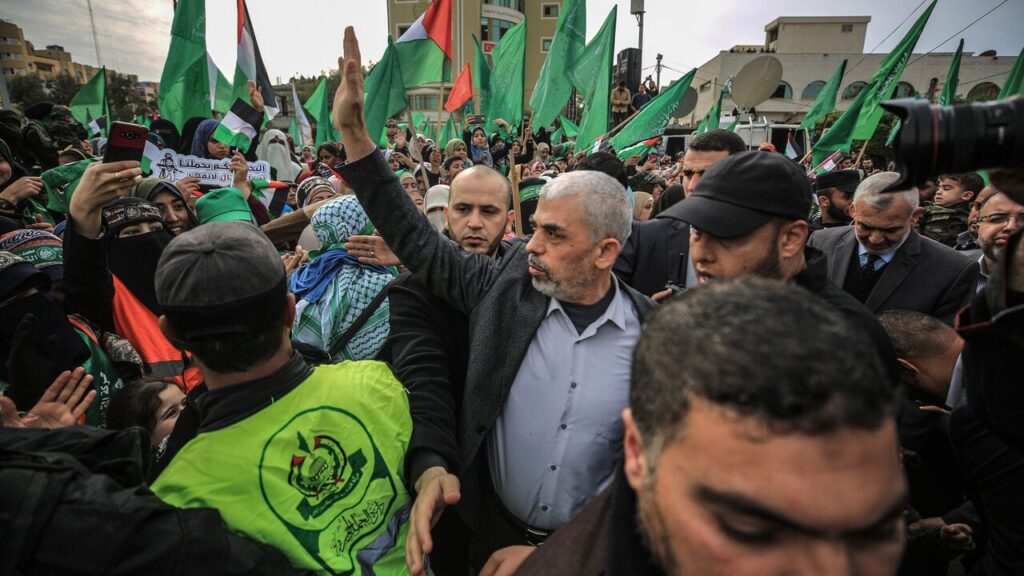
Hamas describes its 7 October action as a defining moment in the Palestinian struggle — a desperate cry against Israel’s decades-long siege of Gaza, continued settlement expansion, and the killing of Palestinians in the occupied West Bank.
The group also said the operation aimed to stop Israeli encroachment on Al-Aqsa Mosque, Islam’s third holiest site, and to demand the release of thousands of Palestinians imprisoned without trial.
At the time, 2023 was already the deadliest year in the West Bank since UN records began, with over 500 Palestinians killed by Israeli forces and settlers.
Israel’s Devastating War
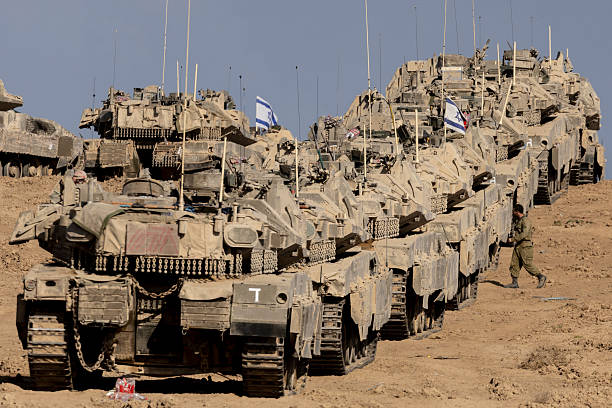
Following the attack, Israel launched a full-scale invasion of Gaza, vowing to destroy Hamas. What followed was a relentless bombing campaign that leveled entire neighborhoods and targeted hospitals, schools, and refugee camps.
According to the Gaza Health Ministry, more than 67,000 Palestinians have been martyred, while nearly 2.3 million people — the entire population — have been displaced. The UN says Gaza’s infrastructure is in ruins and famine is spreading.
Israel insists its goal is to eliminate Hamas, but international law experts say the scale of civilian destruction points to collective punishment — a war crime under the Geneva Conventions.
The UN Commission of Inquiry has accused Israel of committing genocide, and the International Court of Justice continues to hear South Africa’s case against it. Israel dismisses these charges as “politically motivated,” yet the evidence — starvation, mass killings, and denial of aid — speaks otherwise.
Ceasefire and Prisoner Exchange
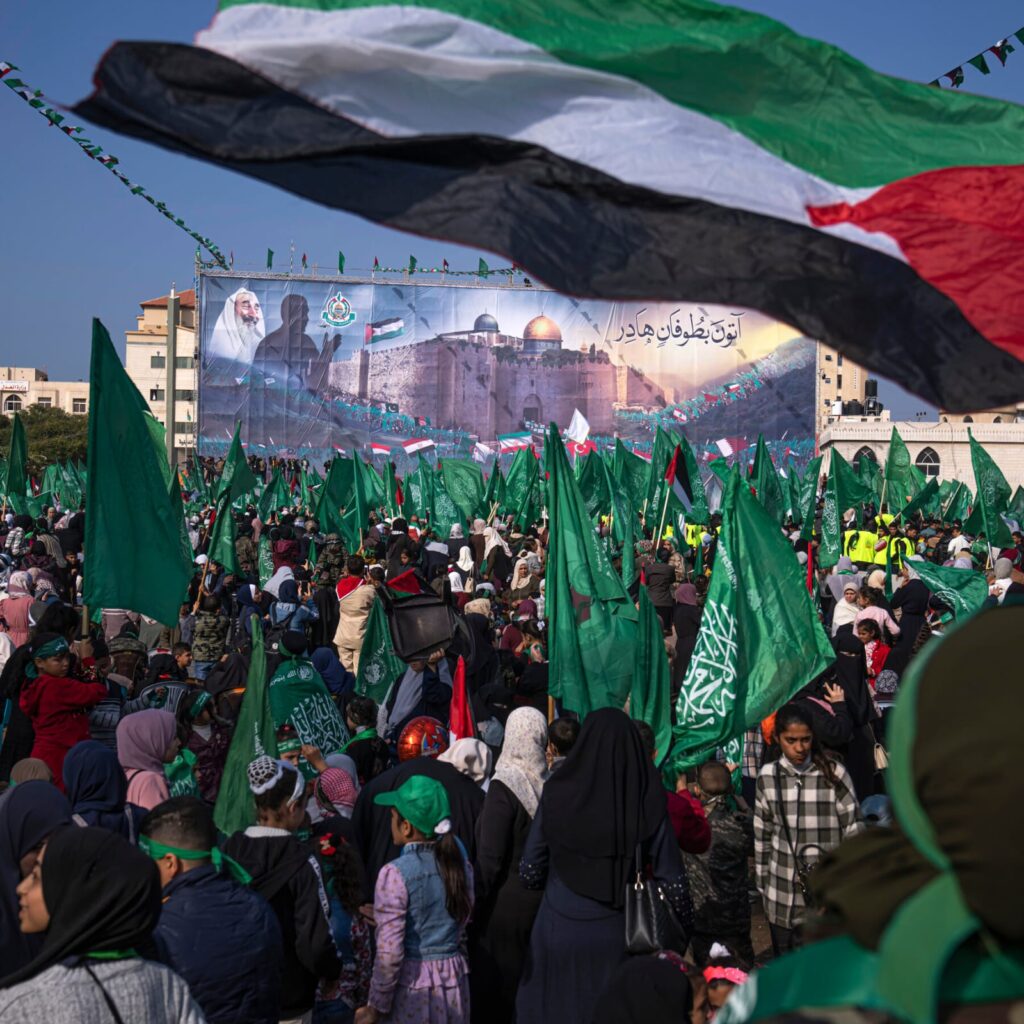
In October 2025, after two years of devastating warfare, a ceasefire agreement brokered by US President Donald Trump took effect under a 20-point peace plan.
Under the first phase, 20 surviving Israeli hostages were released in exchange for nearly 2,000 Palestinian prisoners and detainees, many of them women and minors held without charge.
Hamas hailed the release as a “small victory for steadfastness under siege,” while Israel withdrew forces from parts of Gaza and reopened limited aid corridors. Negotiations on further phases continue amid deep mistrust.
Resistance, Occupation, and the Future
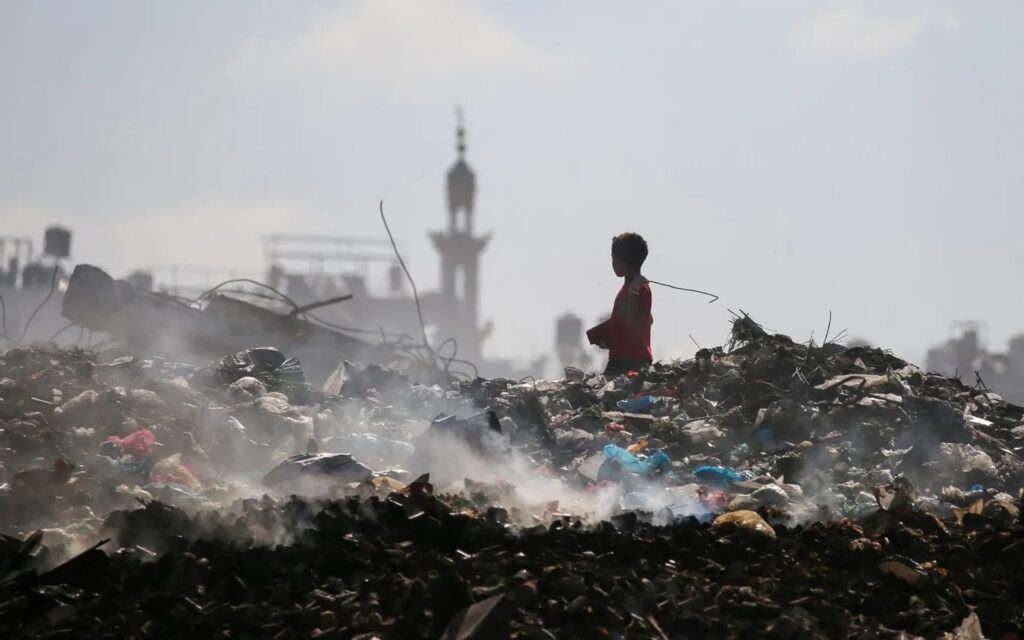
Since 2007, Hamas has governed Gaza after winning democratic elections and ousting its rivals. Despite 17 years of blockade, isolation, and repeated wars, it remains deeply rooted among Palestinians — not merely as a political faction but as a symbol of resistance.
Israel, meanwhile, continues to occupy the West Bank and East Jerusalem, expanding settlements in defiance of international law. Its government rejects Palestinian statehood, calling it a “security threat” — a stance that perpetuates conflict rather than resolving it.
In 2025, the United Kingdom, France, Canada, and Australia recognized the State of Palestine, citing Israel’s ongoing occupation and humanitarian crimes in Gaza. Israel condemned the move, accusing these nations of “rewarding terrorism.”
Yet for millions of Palestinians, these recognitions were a long-overdue affirmation that the world cannot ignore their right to freedom.
Gaza: A Land Under Siege
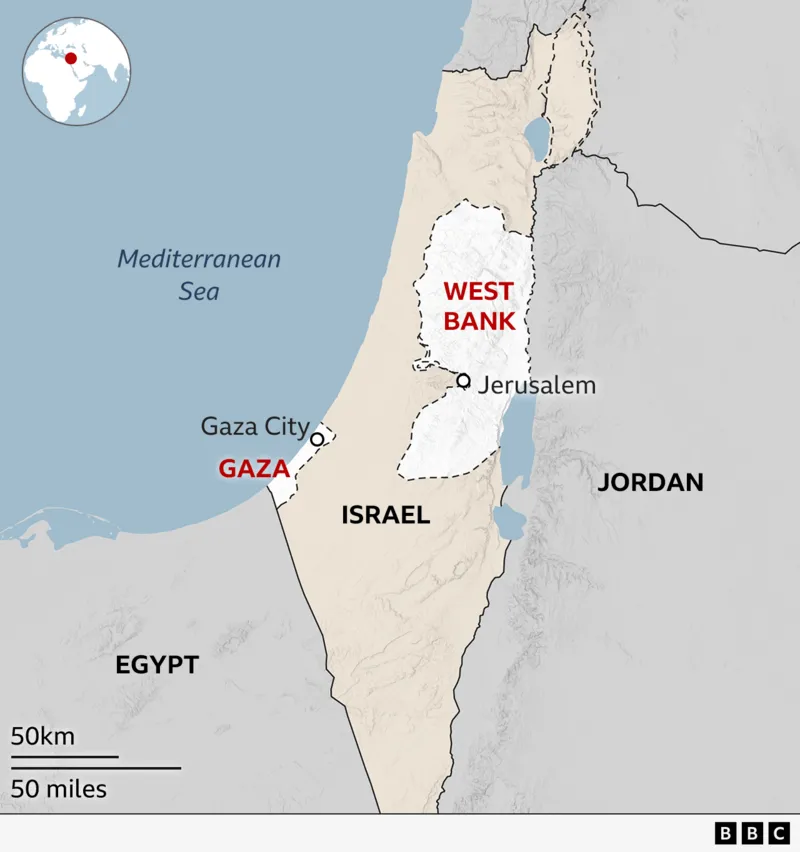
The Gaza Strip — just 41 kilometers long and 10 wide — is home to 2.3 million people, three-quarters of whom are refugees. Even before the war, it suffered from severe poverty, unemployment, and dependence on international aid due to Israel’s total control of its borders, airspace, and sea access.
Today, Gaza is a wasteland of shattered homes and mass graves, yet its people remain defiant. For them, Hamas is not merely an organization — it is the expression of their resistance to occupation and their demand for dignity.
A Struggle That Defines a Nation
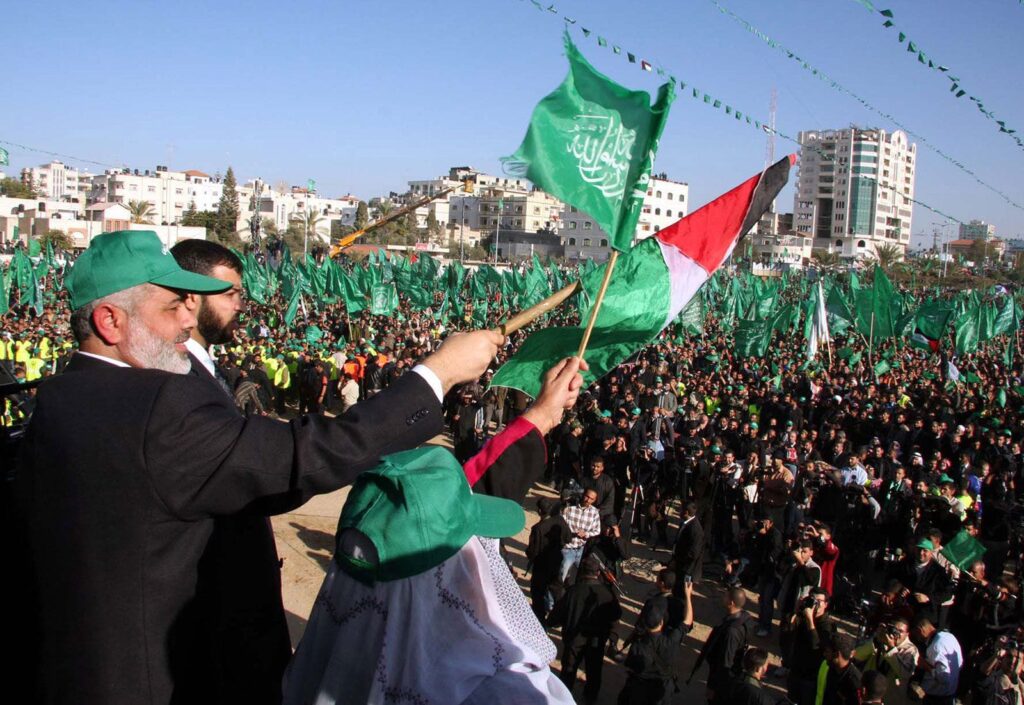
The war has not destroyed Hamas — it has deepened Palestinian resolve. From the ruins of Gaza to the refugee camps of Lebanon and Jordan, the call for liberation echoes louder than ever.
Israel’s overwhelming firepower has not broken the will of a people fighting for their homeland. The tragedy of Gaza stands as a moral test for the world:
Will humanity remain silent as an occupied people are slaughtered — or will it demand justice, freedom, and peace built on equality, not domination?