
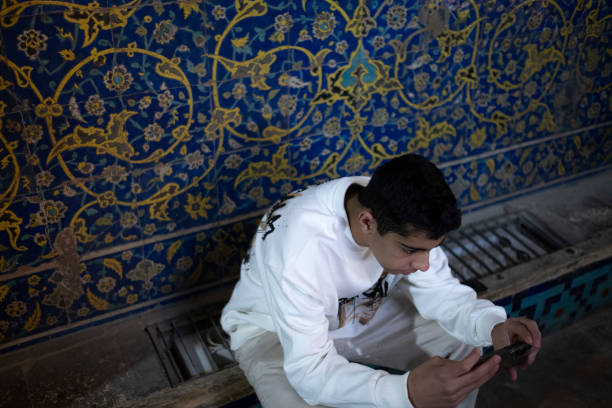
In a world driven by likes and followers, Muslims are rethinking how to use Facebook, YouTube, WhatsApp, and other apps responsibly — turning technology into a tool for learning, connection, and faith rather than distraction and division.
In today’s digital world, social media has become an inseparable part of daily life. From the morning scroll on Facebook to late-night YouTube videos, the online space now shapes how people think, communicate, and connect. For Muslims, this rapid transformation comes with both opportunities and challenges. The question is no longer whether to use social media — but how to use it wisely, responsibly, and in line with values that promote respect, truth, and community well-being.
The Double-Edged Tool
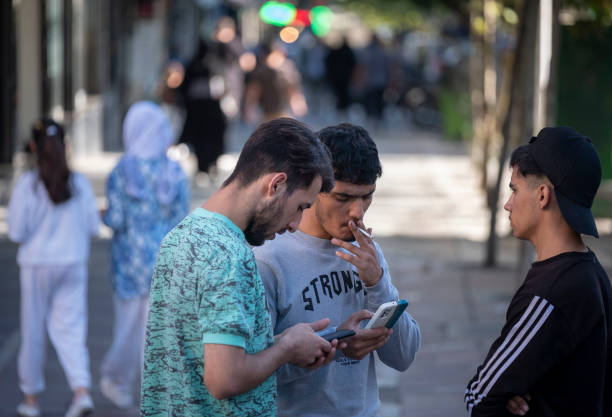
Social media is a powerful tool. It helps small businesses grow, connects families across continents, spreads awareness about global issues, and gives ordinary people a voice. At the same time, it can be a source of misinformation, hate, vanity, and distraction.
For Muslim societies, this digital evolution is particularly sensitive. The same platforms that broadcast educational lectures and charity campaigns also promote unhealthy trends, shallow fame, and moral confusion. Many young people now spend hours on apps like TikTok and Instagram, consuming endless content — much of which adds little to personal growth or spiritual reflection.
Facebook and the Culture of Sharing
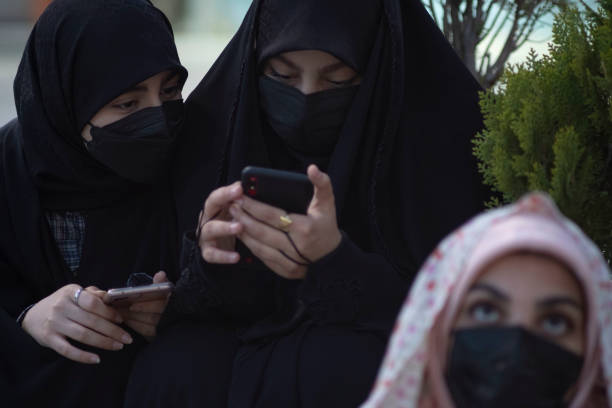
Facebook remains one of the most popular platforms among Muslim users. It serves as a hub for community updates, business promotion, and religious awareness. However, its open environment also blurs the lines between private and public life. People often share personal details, photos, and opinions without realizing the long-term implications.
Responsible usage means thinking before posting — asking whether a post benefits others or merely seeks attention. Healthy engagement involves joining constructive groups, sharing positive stories, supporting charitable causes, and staying away from arguments and gossip that waste time and breed negativity.
WhatsApp: Connection or Chaos?

WhatsApp has become the heartbeat of modern communication. From family groups to work discussions, it allows instant connectivity. Yet, it is also one of the biggest sources of misinformation. False news, unverified videos, and sensational claims spread faster than the truth, especially during political or religious events.
To use WhatsApp responsibly, users should verify information before forwarding, avoid unnecessary debates, and respect others’ privacy. Group chats should remain spaces for coordination, not conflict. Parents and teachers can play a key role by teaching children digital etiquette — understanding when silence is wiser than constant chatter.
YouTube: Learning or Losing Focus?
YouTube is both a classroom and a playground. Many Muslims use it to learn new skills, listen to lectures, or follow positive influencers who promote social awareness and faith. However, the same platform can pull users into endless entertainment loops — reaction videos, gossip, or addictive short clips that drain time and focus.
The key lies in balance. Subscribing to channels that inspire, educate, and elevate thought is far more rewarding than chasing viral trends. Setting time limits, using “watch later” lists, and avoiding clickbait content can help transform YouTube into a tool for growth rather than distraction.
TikTok and the Allure of Fame
TikTok and similar short-video apps have captivated the younger generation. Creativity, humor, and music blend into 30-second clips that can make someone famous overnight. But the search for likes and followers can also lead to loss of modesty, self-comparison, and even mental health issues.
Many young Muslims are now rethinking how they engage with these platforms — using them to share positive messages, social experiments, and awareness campaigns rather than personal showmanship. Influencers who understand responsibility can become role models, reminding youth that online visibility should not come at the cost of dignity or values.
Instagram and Image Culture
Instagram celebrates beauty, success, and lifestyle. While it allows self-expression and business promotion, it can also fuel insecurity, envy, and unrealistic expectations. Perfectly edited pictures rarely show the full reality, yet they shape how millions see themselves and others.
Muslim users can bring purpose to Instagram by focusing on authenticity — posting creative work, educational content, or community projects. Social media becomes meaningful when it reflects gratitude, not comparison.
Protecting the Young Generation
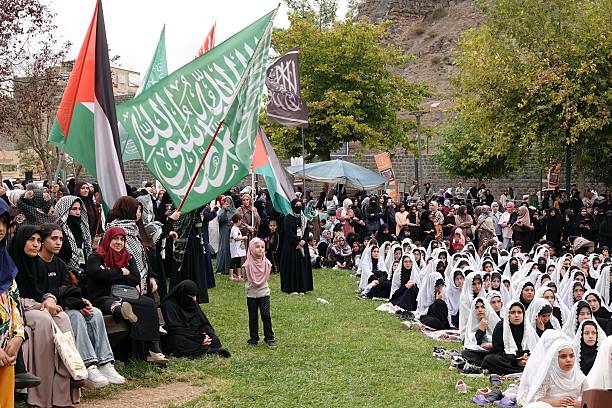
The biggest concern for Muslim families today is how social media is shaping their children’s minds. Teenagers are spending more time online than with family or books. Exposure to inappropriate content, cyberbullying, and peer pressure are serious challenges that affect emotional and moral development.
The solution lies in guidance, not isolation. Parents need to talk openly about online behavior, encourage responsible choices, and model the habits they want to see. Schools and mosques can host workshops on digital literacy — explaining how algorithms, privacy settings, and time management work. Creating awareness is far more effective than strict bans that lead to secrecy.
Moderation and Mindfulness
The essence of responsible social media use is balance. Spending every spare moment scrolling through feeds weakens real-life relationships and spiritual focus. Taking regular breaks, limiting screen time before sleep, and dedicating moments of silence or reading can restore mental peace.
Mindful engagement means asking simple questions before posting:
- Is this true?
- Is it kind?
- Is it necessary?
If the answer is no, perhaps it is better left unsaid.
Turning Platforms into Positivity
When used with intention, social media can be a remarkable source of good. It can spread awareness about humanitarian crises, promote interfaith harmony, and amplify voices calling for justice and compassion. Many Muslim organizations now run online campaigns for charity, environmental protection, and education. Young people have used Instagram reels and YouTube shorts to share Qur’anic reflections, promote kindness challenges, and raise funds for those in need.
By using these tools purposefully, Muslims can reclaim the digital space — turning noise into knowledge and distraction into direction.
Good Or Bad
Social media is not inherently good or bad — it mirrors how we choose to use it. For Muslims, every post, comment, and share should reflect mindfulness, respect, and purpose. Technology should serve humanity, not dominate it.
If used wisely, these platforms can become extensions of our better selves — spreading light, building community, and reminding us that even in the digital age, true success lies not in followers, but in faith, character, and contribution.