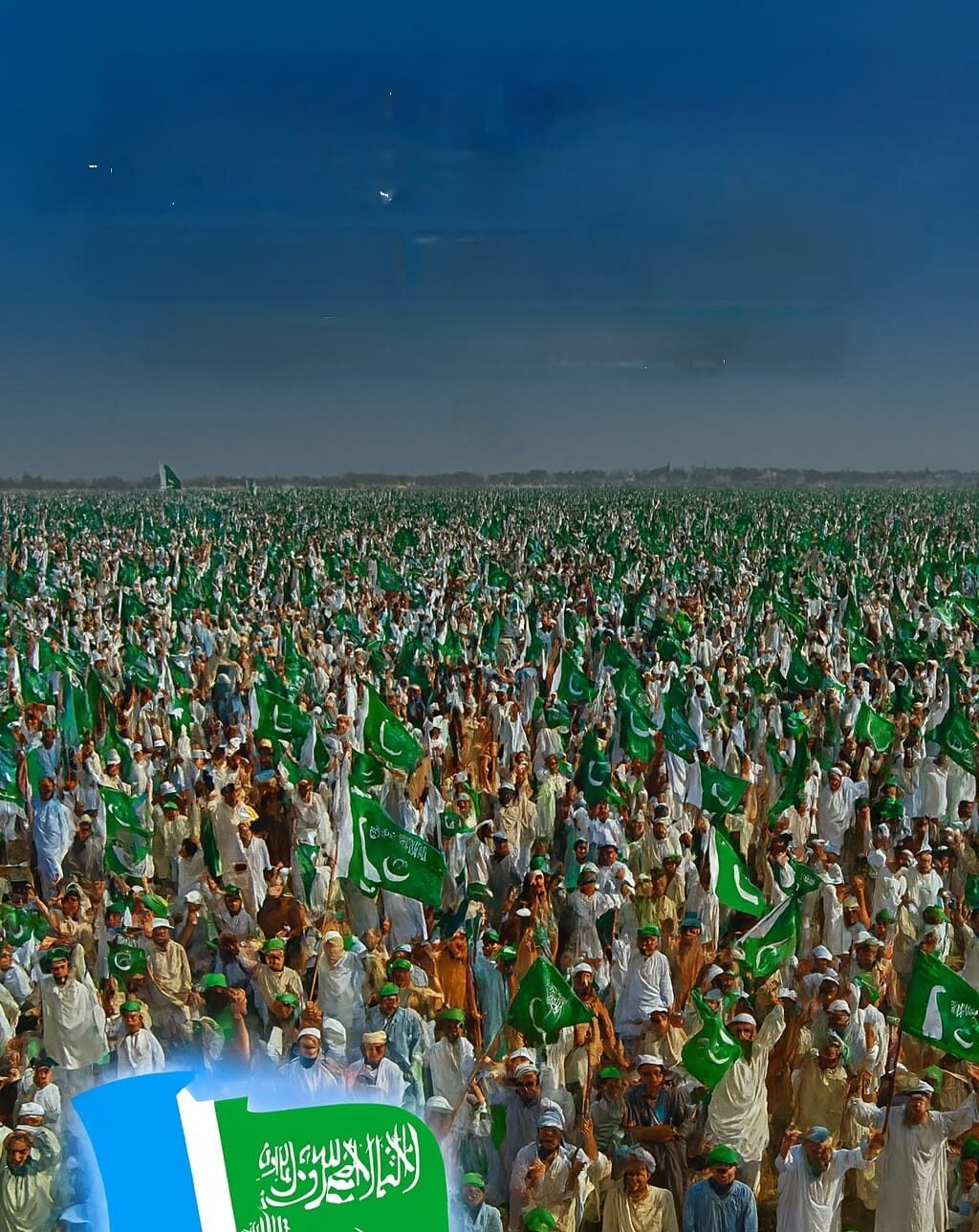
As Lahore prepares for the 2025 “Change the System” gathering, the city braces for a sea of believers united under one banner.
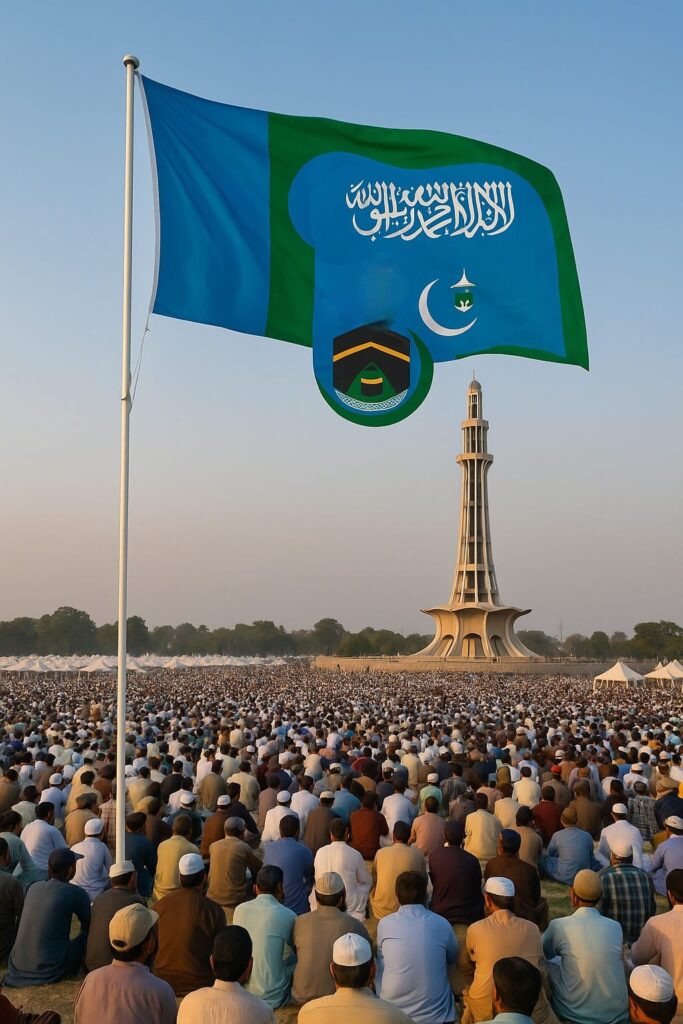
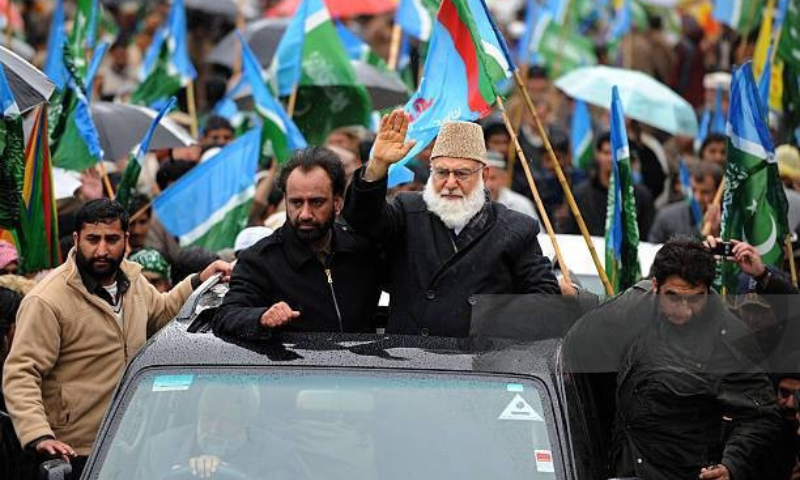
LAHORE, Pakistan: Every few years, tens of thousands of men, women, and families from across Pakistan — and even from overseas — pack their bags, board buses, trains, and passenger vans, and head toward one destination: the grand Jamaat-e-Islami (JI) convention.
This year, from November 21 to 23, the heart of Lahore will transform into a spiritual city within a city as Greater Iqbal Park, under the shadow of Minar-e-Pakistan, becomes home to one of the Muslim world’s largest peaceful gatherings.
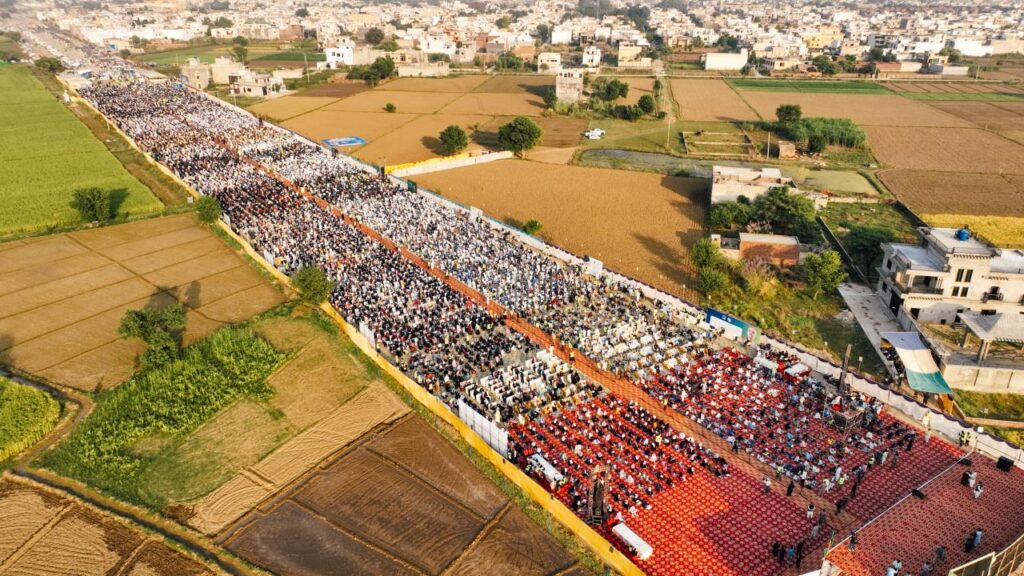
For three days, participants live in a vast tent village meticulously organized by the JI administration — a self-sustained settlement complete with prayer areas, food kitchens, medical camps, water supply systems, and even digital media centers.
All of this — the transportation, food, and lodging — is managed entirely by the participants themselves, each spending their own money to attend. They come from every corner of Pakistan — from the mountains of Khyber and the plains of Punjab to the deserts of Sindh and Balochistan — carrying a shared spirit of faith, reform, and unity.
A Movement Rooted in Faith and Discipline
Jamaat-e-Islami was founded in 1941 in Lahore by Syed Abul A‘la Maududi, one of the most influential Islamic thinkers of the 20th century. Beginning with just 73 founding members, it has evolved into a movement that resonates far beyond Pakistan’s borders, inspiring Islamic revival efforts in Asia, the Middle East, and Africa.
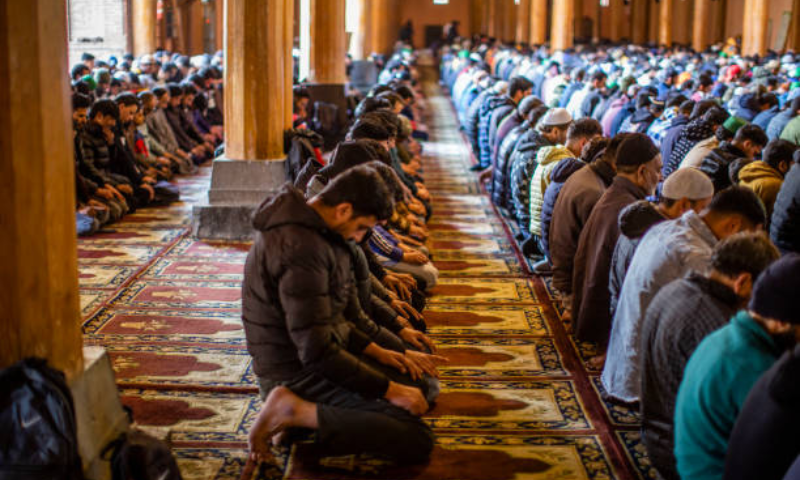
For JI members, the Ijtema-e-Aam — the general convention — is not just a political event but a moment of spiritual renewal. It’s a reminder of the movement’s original mission: to establish Islam as a complete system of life, rooted in the belief that sovereignty belongs only to Allah. The convention’s sessions combine worship, lectures, Quranic reflections, social service displays, and pledges of collective reform.
From Humble Beginnings to a Global Symbol
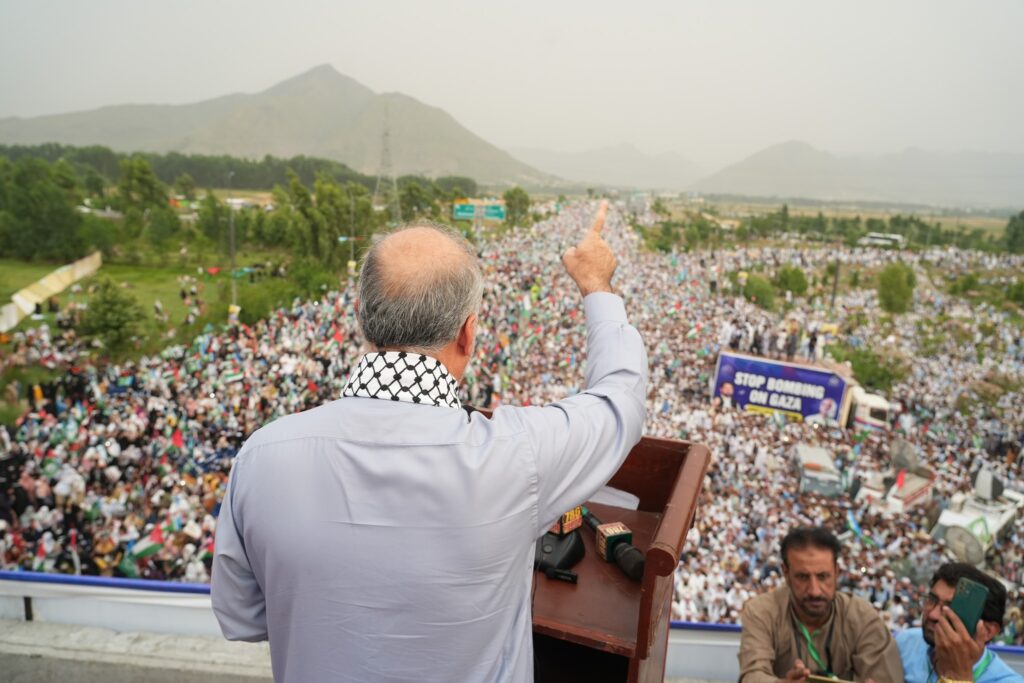
Jamaat-e-Islami’s history of conventions stretches back to its first foundational meeting at Islamia Park, Lahore, in 1941. Over the decades, it has held landmark gatherings across the subcontinent — from Pathankot and Darbhanga before partition to Lahore, Karachi, Islamabad, and Khyber Pakhtunkhwa in later years.
Each event draws hundreds of thousands — a reflection of JI’s organizational discipline, volunteer strength, and ability to mobilize peacefully on a national scale.
The upcoming 2025 convention, the first under the leadership of Hafiz Naeem ur Rehman, is expected to be among the largest in JI’s history. JI central leader Liaqat Baloch calls it “a historic congregation that will lay the foundation for a peaceful Islamic transformation in Pakistan.”
Faith in Action
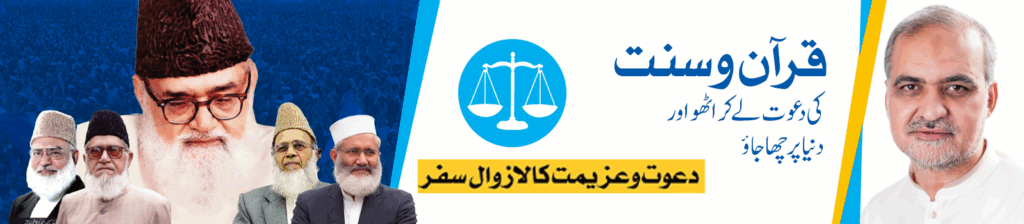
The logistics are monumental. Entire teams work for months — laying out grids of tents, building sanitation lines, arranging sound systems, electricity, transport, parking, and medical assistance for what can swell to more than a million participants.
The Khidmat volunteers and Al-Khidmat Foundation handle welfare and emergency response, while JI’s digital media teams keep millions of followers around the world connected online.
For many attendees, this is more than a political or religious event — it’s a pilgrimage of conviction. Families describe it as a festival of faith, where they reconnect with Islamic values, listen to scholars, pray in congregation, and strengthen the sense of unity that transcends class, language, and region.
A Gathering for the Ummah
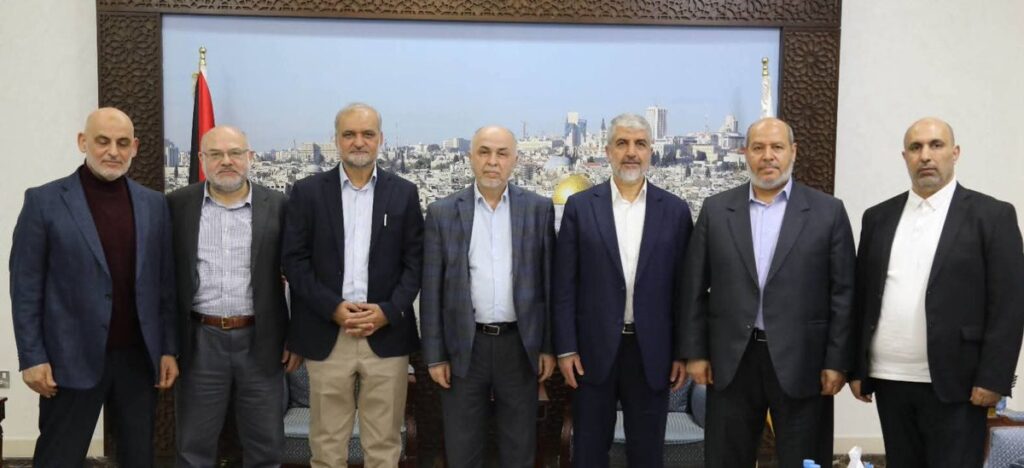
For Muslims beyond Pakistan, the JI convention is seen as a symbol of organized Islamic activism — a peaceful expression of belief in social justice, moral reform, and accountability. As Lahore prepares to host this year’s “Change the System” convention, the call echoes far beyond Pakistan’s borders — a call for faith, renewal, and hope in a divided world.