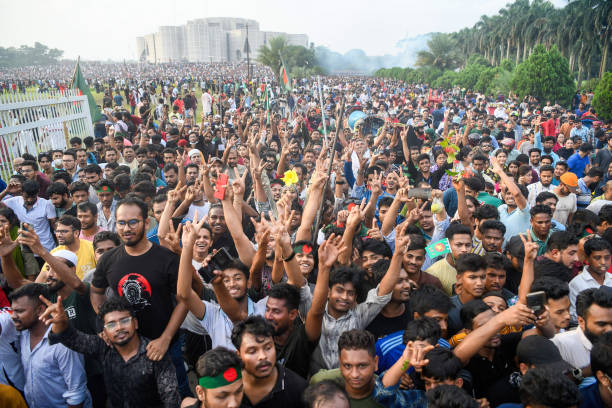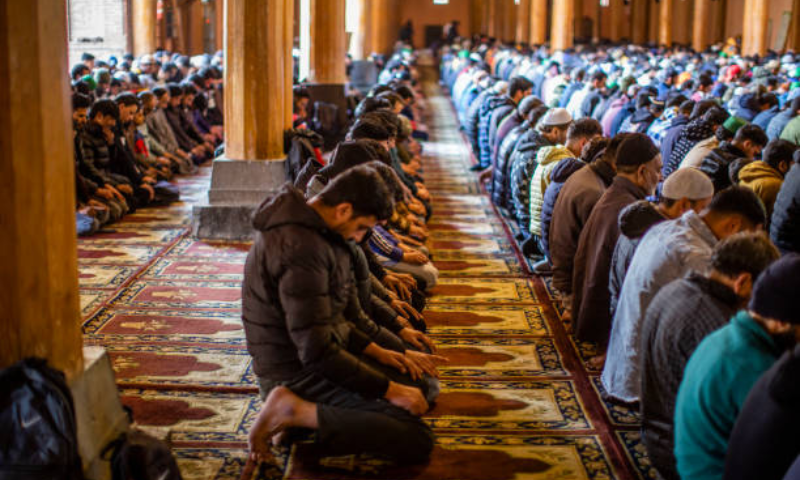
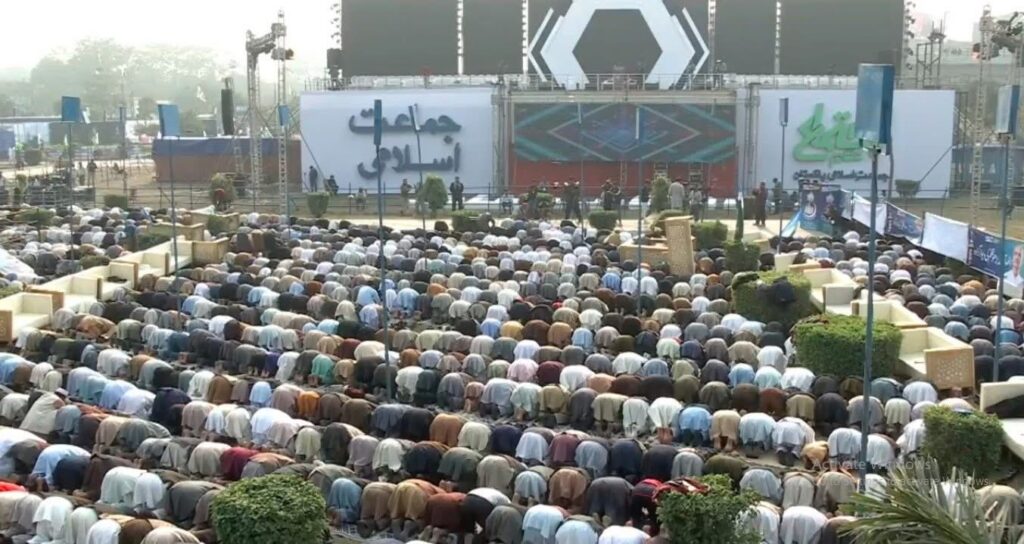
Under the shadow of Minar-e-Pakistan, the Ijtima-e-Aam opened with Qur’anic recitation and Jummah led by Sheikh Dr. Mohiuddin Al-Qaradaghi, as hundreds of thousands gathered to participate in what organisers call a major public movement for reform.
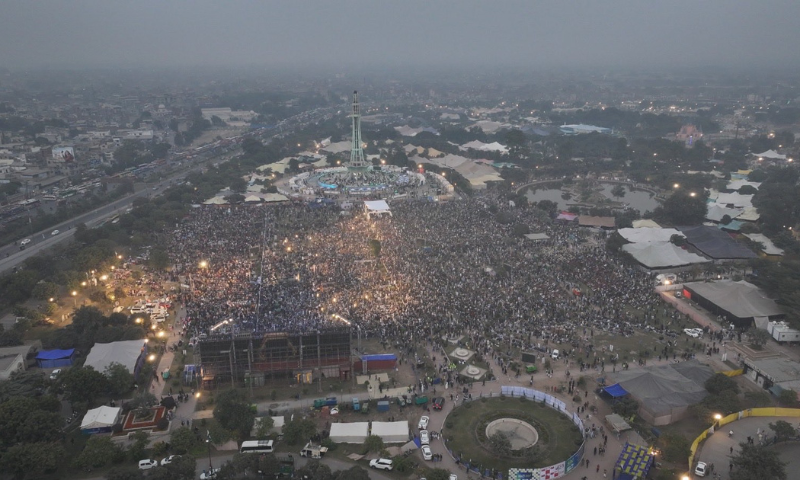
LAHORE: Hundreds of thousands of people gathered beneath the towering shadow of Minar-e-Pakistan as the Ijtima-e-Aam formally commenced with a soul-stirring recitation of the Holy Qur’an by Qari Waqar Ahmed Chitrali, Imam of Jamia Masjid Mansoorah.
Worshippers from across the country stood in reverence, their hearts illuminated with the remembrance of Allah, as Sheikh Dr. Mohiuddin Al-Qaradaghi — President of the International Union of Muslim Scholars — delivered the Khutbah-e-Jummah and led the congregational prayer.
The massive gathering, described by organisers as a significant public movement, seeks to challenge and reform Pakistan’s existing political and economic structures. Leaders of global Islamic movements, alongside international scholars and professionals, are scheduled to participate in the multi-day event, which also features specialised conferences for various professional groups.
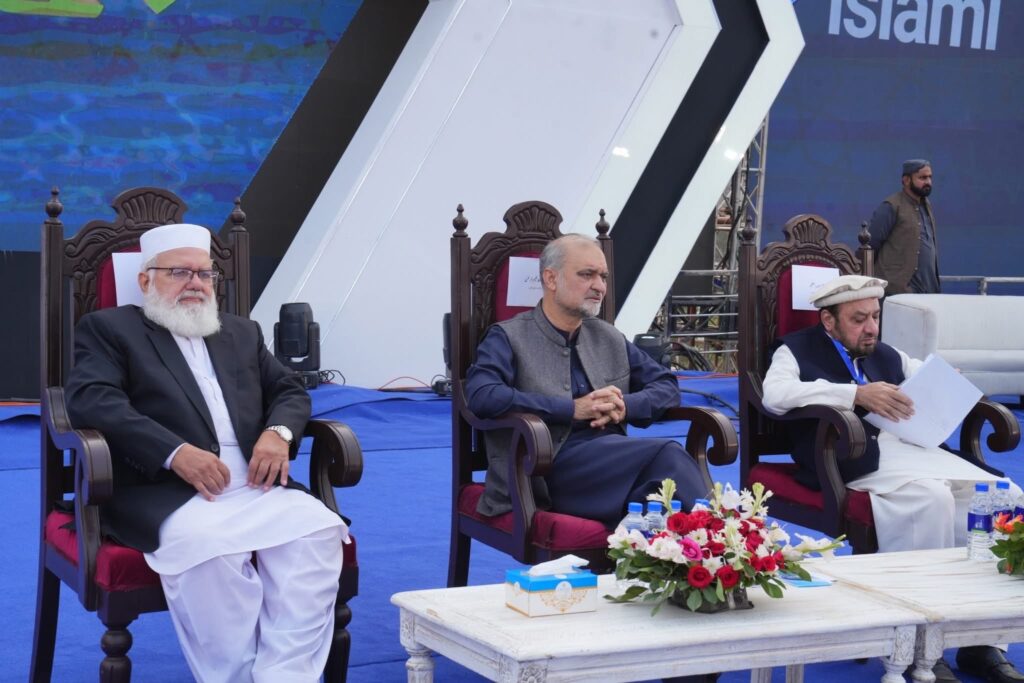
Jamaat-i-Islami (JI) Emir Hafiz Naeemur Rehman, addressing the opening day of the Ijtima-e-Aam, described the gathering as a turning point in the effort to transform what he called Pakistan’s deteriorating political and economic order. The three-day event has drawn leaders of global Islamic movements, representatives of pro-Palestinian organisations, and professionals from around the world, and will also feature international-level professional conferences.
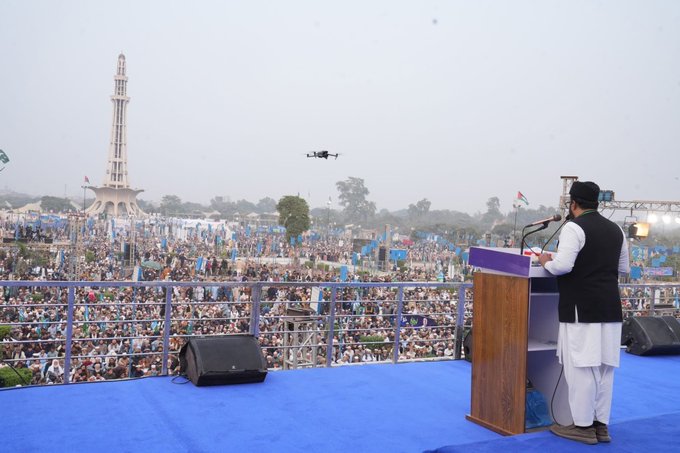
Rehman announced that JI would spearhead a nationwide, peaceful resistance movement representing youth, women, farmers, workers, and other marginalised communities. He alleged that powerful “mafias” continue to operate under state protection, claiming that 84 of the country’s 89 sugar mills are owned by ruling families. He further criticised the country’s judicial system, saying it had been weakened by the 26th Constitutional Amendment.

“Those who are themselves disqualified are handing out disqualification certificates,” he said, describing the authors of the recent amendment as “criminals in the eyes of the people and history.”
Rehman also condemned what he described as a class-based education system, limited employment opportunities for young people, and poor labour conditions. He highlighted that fewer than 10 per cent of the country’s nearly 80 million workers have access to basic rights.