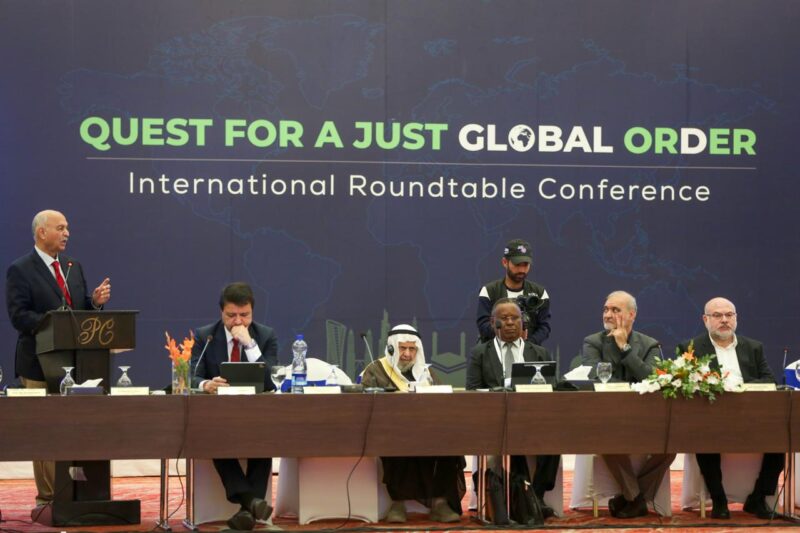
The new Secretariat, decided during the International Roundtable Conference in Lahore, will serve as a central hub for Islamic movements across Asia, Africa, Europe, and the Middle East to coordinate strategies on global justice, humanitarian issues, and collective political engagement.
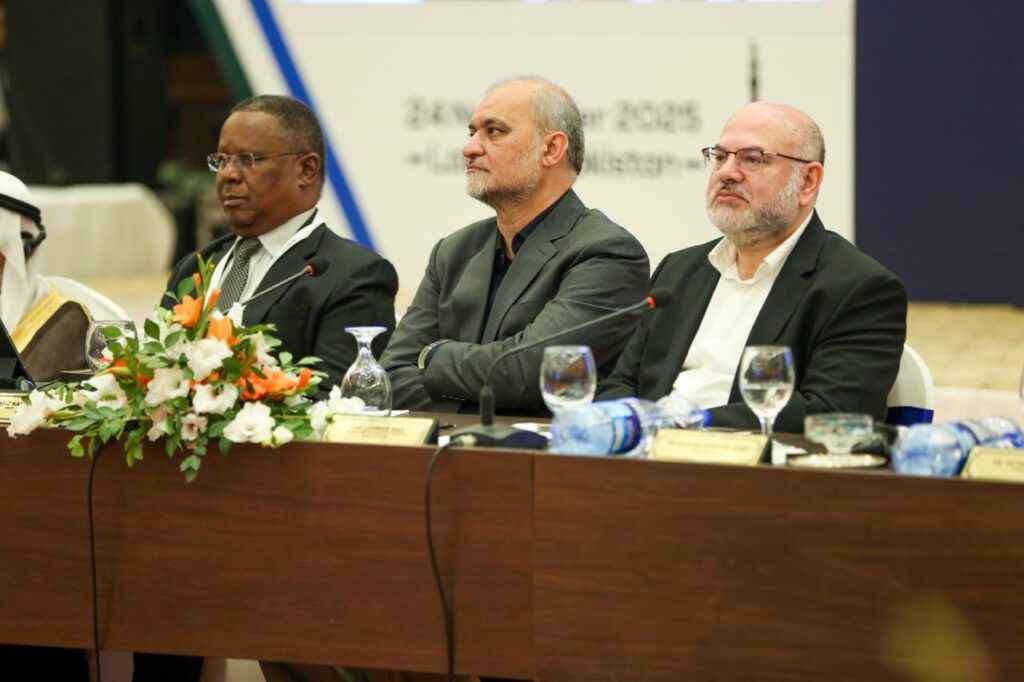
ISLAMABAD: Pakistan’s Jamaat-e-Islami (JI) has announced plans to establish a Global Secretariat for Islamic Movements at its headquarters in Lahore, marking a significant step toward structured transnational coordination among Muslim organisations worldwide.
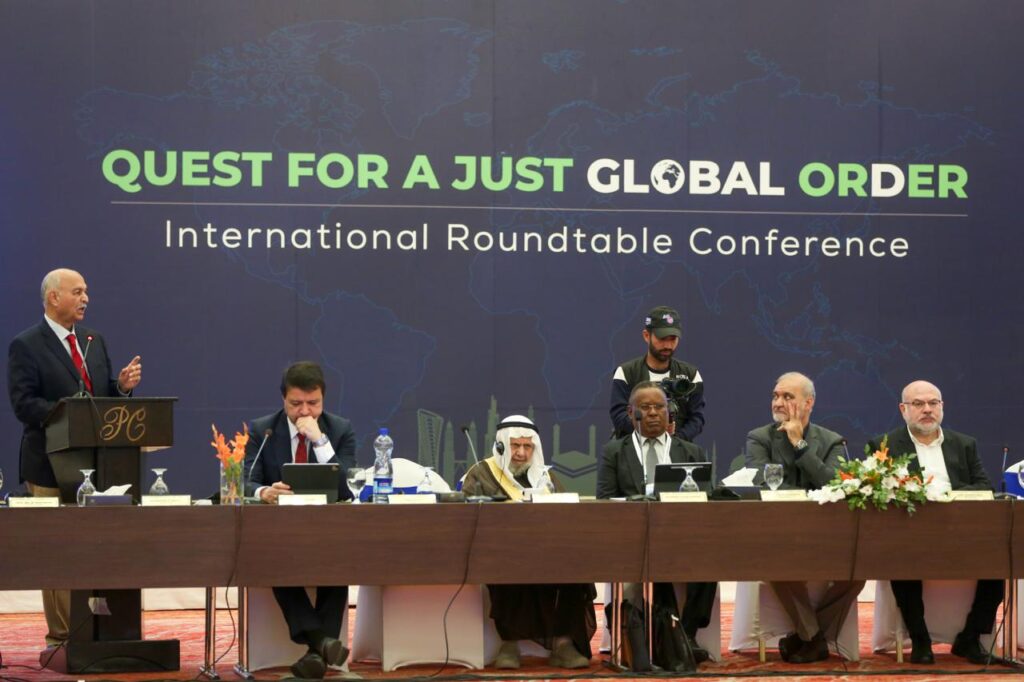
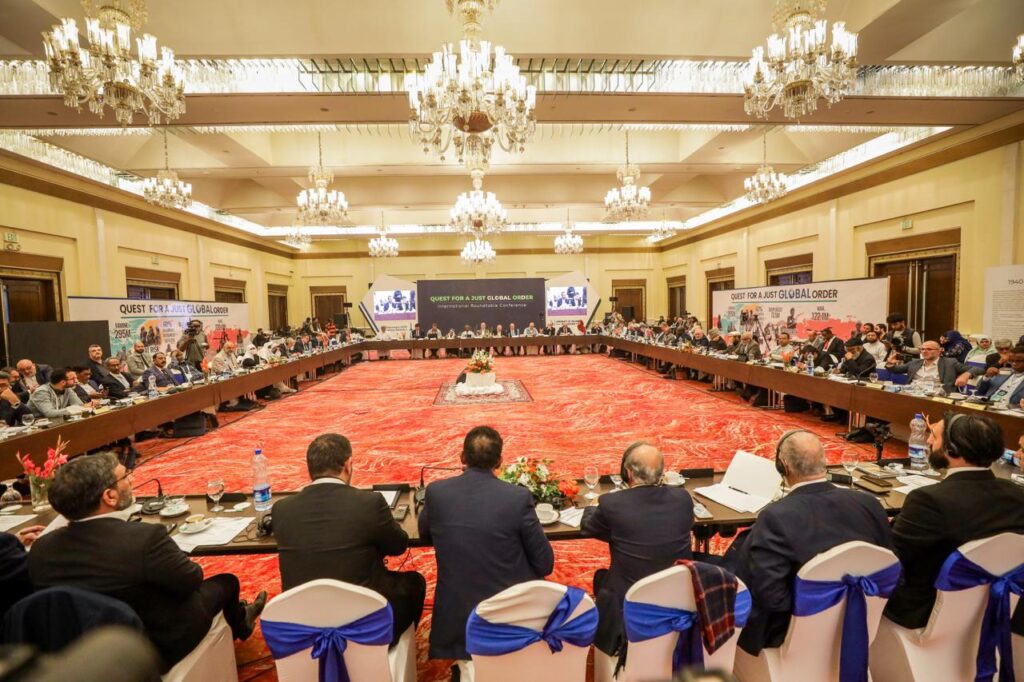
The initiative was unveiled at the International Roundtable Conference titled “Quest for a Just Global Order,” where more than 100 delegations from Asia, Africa, Europe, and the Middle East endorsed JI’s proposal to create a unified platform for collective strategy, humanitarian advocacy, and global justice efforts.
The Secretariat—expected to become operational within three months—will function as a shared platform for Islamic and faith-based organisations across Asia, Africa, Europe, and the Middle East to craft joint policy frameworks, develop collective strategies, and coordinate responses to humanitarian and political crises facing Muslim communities worldwide.
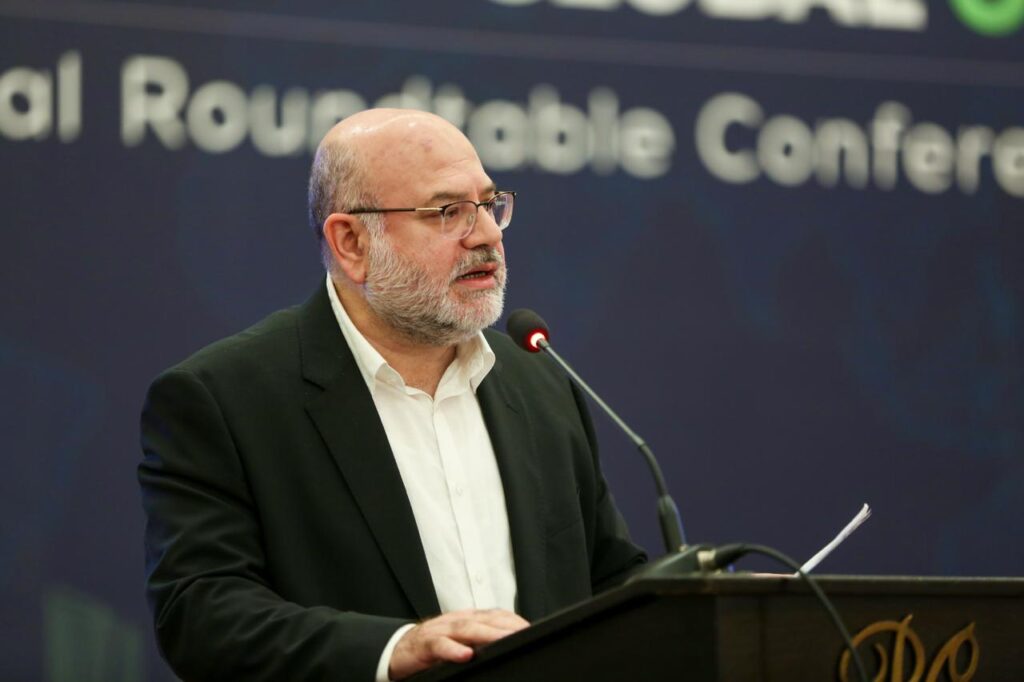
“All participating Islamic movements acknowledged Jamaat-e-Islami’s central role,” said Asif Luqman Qazi, Director of Jamaat-e-Islami’s Foreign Affairs Department.
“The establishment of a shared Secretariat reflects the commitment of global Islamic movements to work collectively,” he said.
“This structure will allow us to move beyond symbolic statements and toward coordinated action, research, advocacy, and crisis response.”
He added that JI’s involvement in electoral politics is “only one dimension of the organisation’s broader mission,” stressing that the party views itself as part of a global movement for justice, rights, and humanitarian solidarity.
A Global Gathering in Lahore
The announcement came following the International Roundtable Conference in Lahore, titled “Quest for a Just Global Order,” which brought together over 100 international delegations representing Islamic movements, scholars, political leaders, civil society activists, and humanitarian organisations.
Delegations from Asia, Africa, Europe, and the Middle East participated, making it one of the broadest transnational engagements hosted in Pakistan in recent years.
The conference explored practical frameworks for advancing global justice, human rights, good governance, economic fairness, and collective responses to conflicts affecting the Muslim world.
According to Asif Luqman Qazi, this convergence of global voices reflected a shared desire to confront widening global inequalities and to support communities facing war, occupation, discrimination, and systemic marginalisation.
Public Diplomacy and a Mass Public Mandate
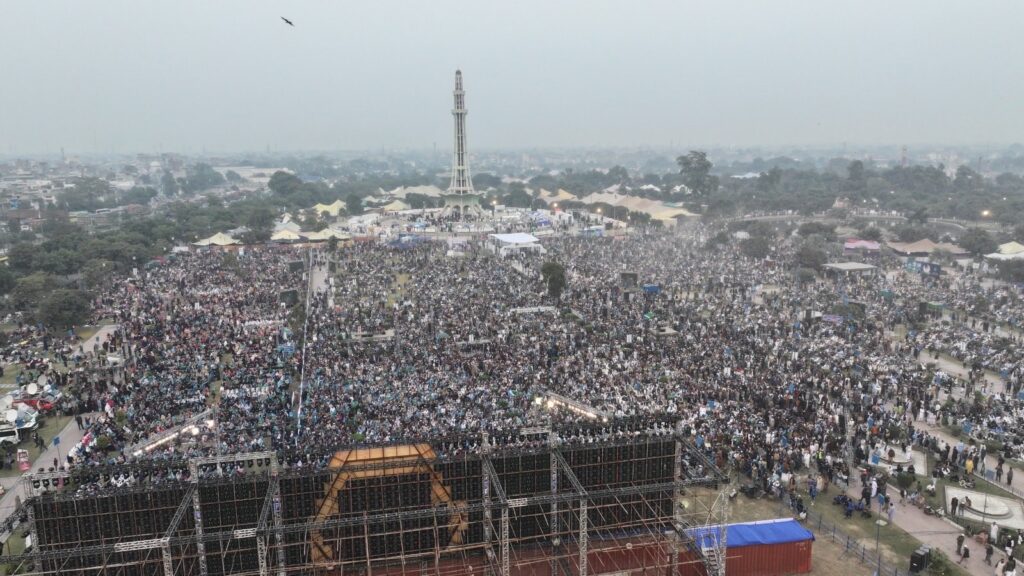
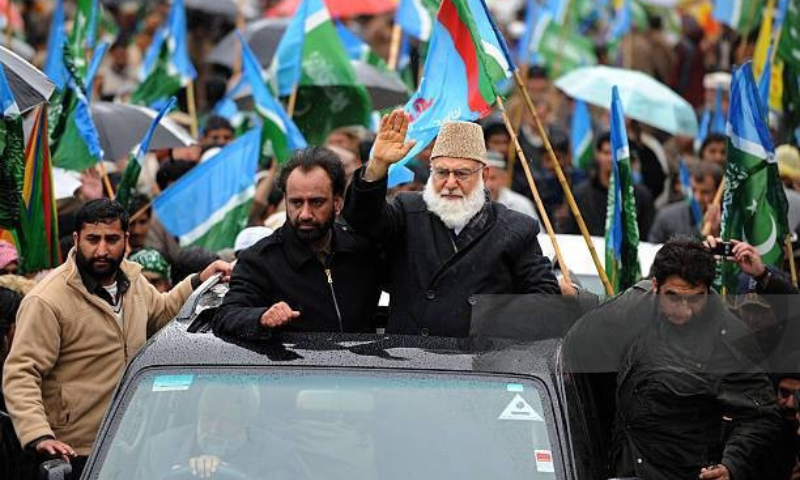
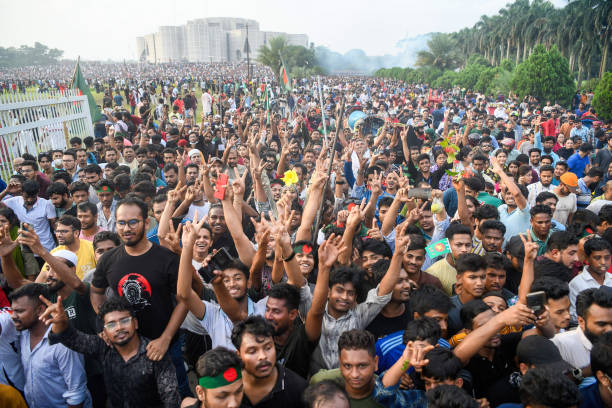
The international conference followed a massive public gathering at Minar-e-Pakistan, attended by hundreds of thousands of people. Qazi described the turnout as a “powerful mandate for justice and solidarity,” adding that the event also served as an important moment of public diplomacy for Pakistan.
“Delegations from 42 countries attended our public gathering and the international conference,” Qazi said. “Their presence has amplified Pakistan’s voice on global human rights issues and demonstrated that oppressed communities across the world are looking toward Pakistan for moral leadership.”
Qazi said the gathering transformed Lahore into a global diplomatic space where universal concerns—conflict, injustice, poverty, displacement, and Islamophobia—were discussed openly and constructively.
A Historic Setting and the Centrality of Palestine
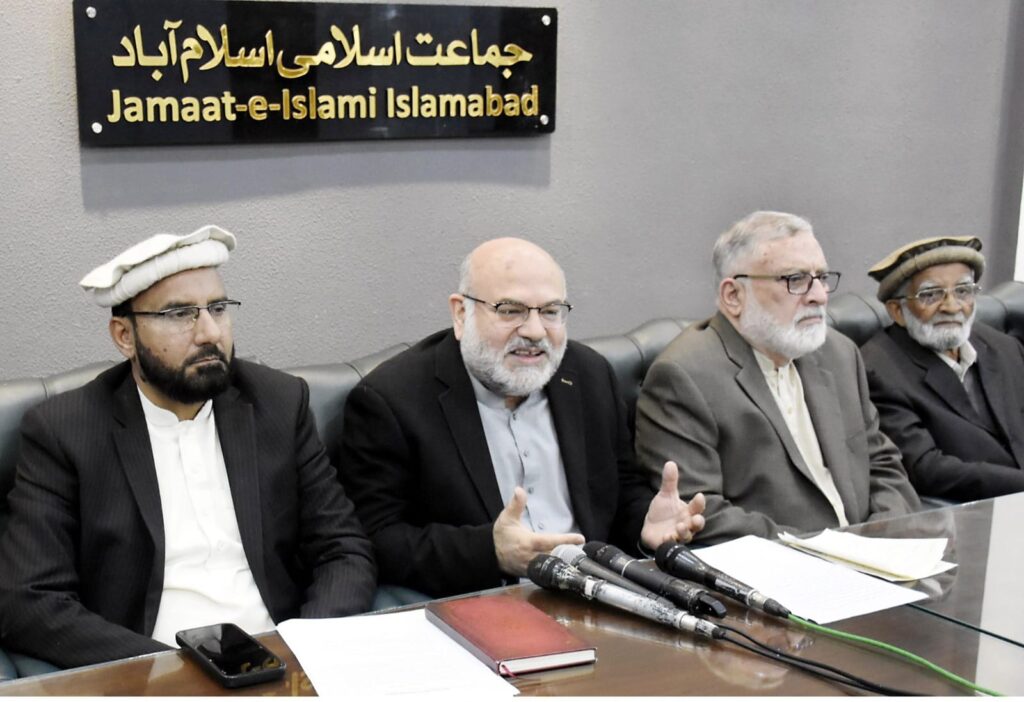
Qazi emphasised the symbolic importance of hosting the solidarity gathering at Minar-e-Pakistan, recalling that on 23 March 1940, when the Pakistan Resolution was adopted, “a resolution in support of Palestine was also endorsed.”
“Standing at Minar-e-Pakistan in solidarity with Palestine was not just symbolic—it was the continuation of Pakistan’s moral and historical commitment,” he said.
Leaders associated with the Sumud Flotilla, known for its attempts to break the Gaza blockade, were present at the gathering. Their participation, Qazi noted, reflects a global belief that humanitarian solidarity must remain central even in the face of overwhelming political pressure.
He condemned the ongoing humanitarian catastrophe in Gaza, saying that although “Israel has killed over 200,000 Palestinians,” global public opinion has decisively shifted toward the Palestinian cause.
“Across Western countries, millions of ordinary citizens have taken to the streets demanding justice for Palestine,” he said, accusing Western governments of maintaining a “double standard” that no longer aligns with the conscience of their own populations.
Islamic Movements Recognise JI’s Leadership Role
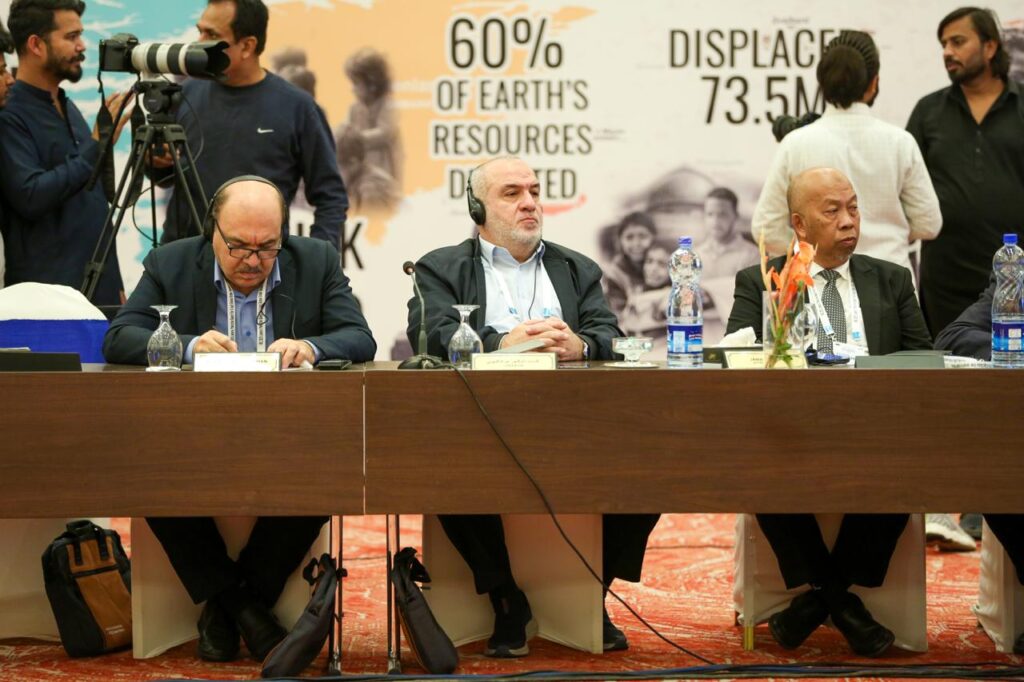
Qazi noted that one of the most significant outcomes of the international engagements in Lahore was the formal recognition of Jamaat-e-Islami’s central role by all participating Islamic movements.
He said JI’s work is “multi-dimensional.” While the party participates in electoral politics, its larger mission spans social welfare, humanitarian relief, political education, and mobilising global public opinion on issues such as Palestine, Kashmir, Islamophobia, and economic justice.
Qazi emphasised that despite geopolitical imbalances, international public opinion is increasingly siding with oppressed communities.
“Across continents, we are witnessing a surge in solidarity with Palestinians and with people facing occupation, discrimination, and violence,” he said.
“This shift matters. It shapes discourse, influences policymakers, and strengthens transnational civil society.”
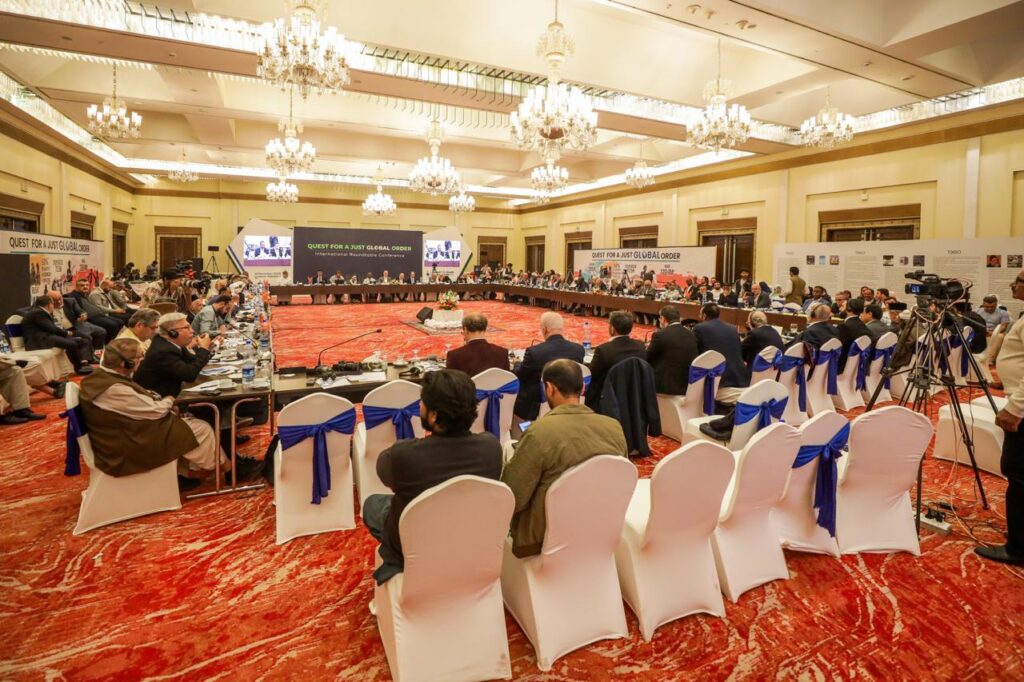
He said JI considers it a responsibility to connect these global movements, amplify humanitarian voices, and create structured, institutional channels for cooperation—something the new Secretariat is expected to spearhead.
A New Phase for Pakistan’s International Engagement
Qazi concluded that the Lahore gathering, the international conference, and the upcoming Secretariat collectively represent a new phase in Pakistan’s engagement with global civil society and political movements.
“These decisions will help Pakistan play a constructive role in shaping conversations around global justice and human rights,” he said.
“Our objective is to unite diverse movements and communities around shared values: justice, dignity, and the protection of all oppressed people.”