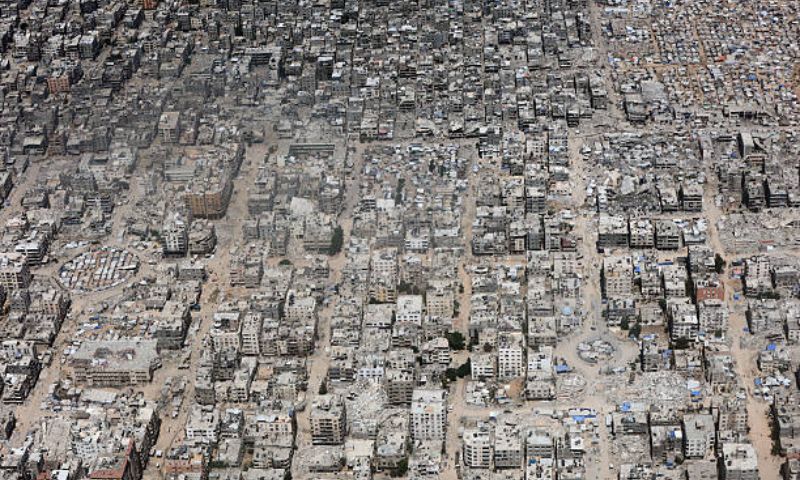
Rights groups and UN officials say Israeli military operations, restrictions on humanitarian aid and civilian deaths have persisted despite a declared ceasefire, deepening Gaza’s humanitarian crisis.
GAZA: The reality on the ground leaves little room for illusion. What has been described as a ceasefire in Gaza increasingly appears to be a misnomer — a fragile façade that has created the dangerous impression that life in the devastated enclave has returned to some form of normalcy. It has not.
According to Amnesty International, Israeli forces continue to commit acts that amount to genocide by deliberately inflicting living conditions calculated to bring about the physical destruction of Palestinians in Gaza. In a report released last month, the organisation said these acts include systematic obstruction of humanitarian aid and the continued bombing of civilian targets — both prohibited under the ceasefire agreement.
In essence, Israel’s war has not ended. It has merely shifted pace. Civilians continue to be killed. Starvation continues to be used as a weapon. The horrors that have defined daily life in Gaza over the past two years show no sign of easing.
To argue otherwise would require a willful disregard of what is plainly visible.
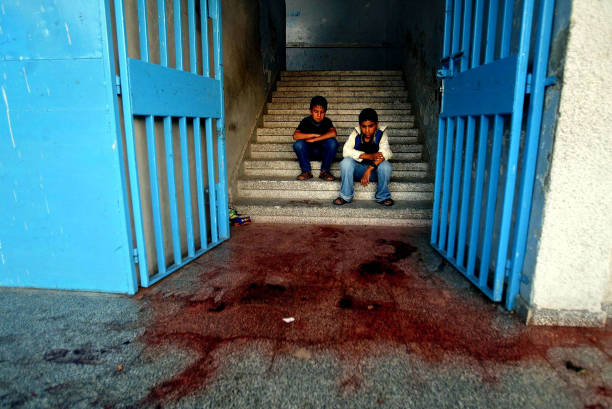
More than two months after the ceasefire was signed on October 10, over 400 Palestinians have been killed, including dozens of children. At least 100 more children have died from malnutrition and exposure to cold.
On a single day, October 19, Israeli airstrikes across Gaza killed 53 men and 12 children. The strikes were carried out, the Israeli military said, in response to an alleged attack by an armed individual in Rafah.
Pilots, operating from climate-controlled cockpits, dropped bombs on civilian areas and then returned home — to their families, to their meals, to the comforts of ordinary life — seemingly untouched by the devastation they had inflicted hours earlier.
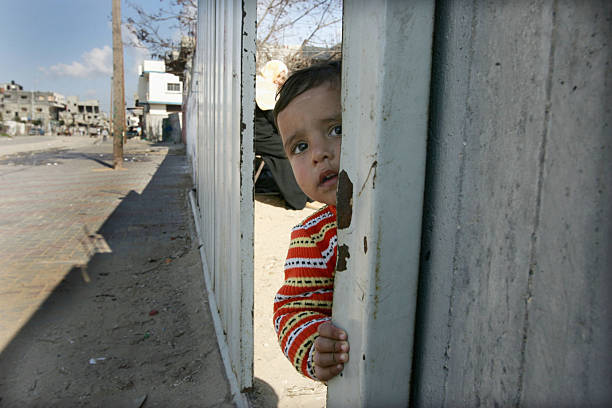
UNICEF spokesperson Ricardo Pires told reporters that a baby girl was killed in Khan Younis by an airstrike the previous morning. A day earlier, seven children were killed in Gaza City and southern Gaza. Since the ceasefire began, he said, Palestinian children have been killed at a rate of two per day.
Days later, two brothers aged 11 and 8 were killed by an Israeli drone while collecting firewood near a school sheltering displaced families in Beit Suheila.
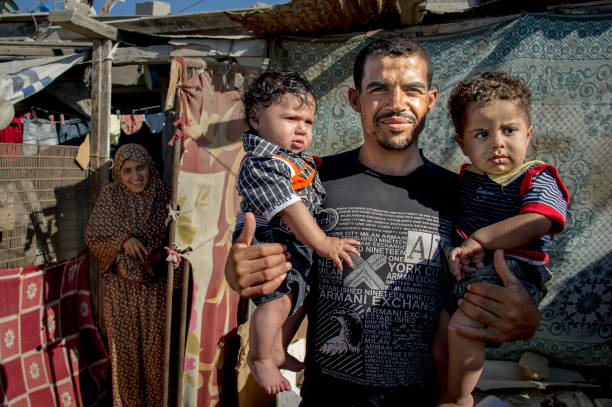
When news of the ceasefire first broke, scenes of celebration spread across Gaza. People danced, believing the suffocating siege might finally lift — that food, medicine, clean water, healthcare, and winter clothing for their children might at last be allowed in.
More than two months on, that hope remains largely unmet.
Aid entering Gaza falls drastically short of the population’s basic needs. According to the United Nations, Israeli authorities have rejected more than 100 requests by humanitarian organisations to deliver assistance. A UN spokesperson confirmed that 107 aid requests from over 30 NGOs had been denied since the ceasefire began. Those restrictions remain in place.
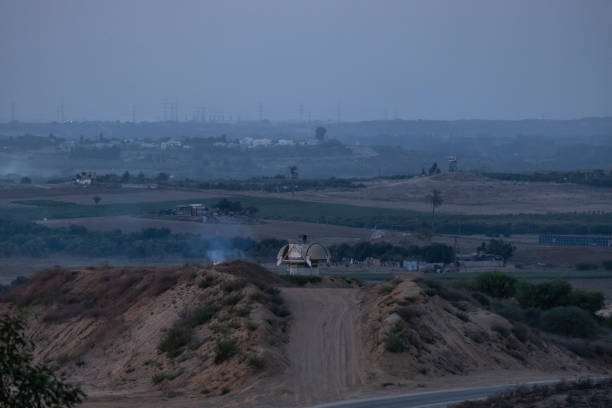
What is unfolding now resembles a new form of genocide — slow, methodical, and attritional.
The question that lingers is not only how this cruelty continues, but why it is so widely tolerated. Polls suggest much of Israeli society either supports or passively accepts the suffering inflicted on Palestinians in Gaza and the occupied West Bank.
For decades, the occupied territories have served as a laboratory of control — a space where methods of domination, humiliation, and punishment are refined. The purpose is clear: to strip a people of dignity, agency, and cohesion; to fracture their social fabric; and to impose permanent subjugation.
This is not merely cruelty. Under international law, it constitutes crimes against humanity.
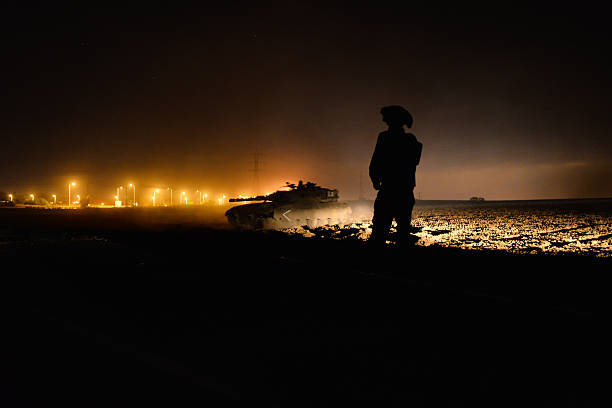
Israeli forces have now entrenched themselves inside what is known as the “Yellow Line,” an area covering more than half of Gaza’s territory, including most of its agricultural land and its only border crossing with Egypt. Palestinian residents have been almost entirely removed.
In recent remarks to troops, Israel’s army chief indicated this line would become a permanent border — a statement that directly contradicts international commitments that Gaza would not be occupied or annexed.
History suggests such contradictions are not accidental.
Yet amid this devastation, there are images that refuse to surrender to despair.
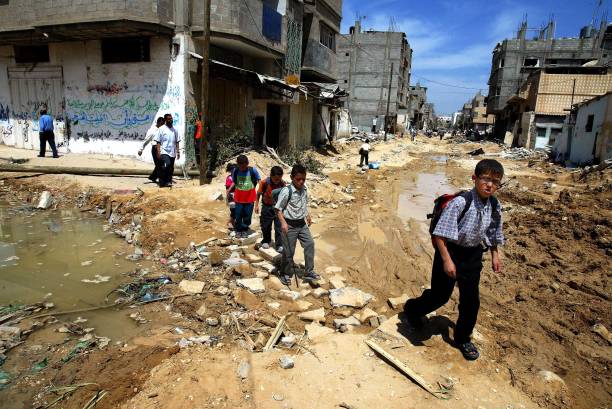
Even as storms battered Gaza — flooding tents, killing dozens, and sweeping away what little shelter remained — students were seen attending classes in makeshift schools: inside half-destroyed buildings, inside tents that had not yet collapsed.
That image speaks volumes. It reflects both the unbroken spirit of Gaza’s people and the crushing weight of history they are forced to carry.
To be Palestinian today is both a burden and a source of pride — an identity forged under relentless pressure, yet still defiantly intact.