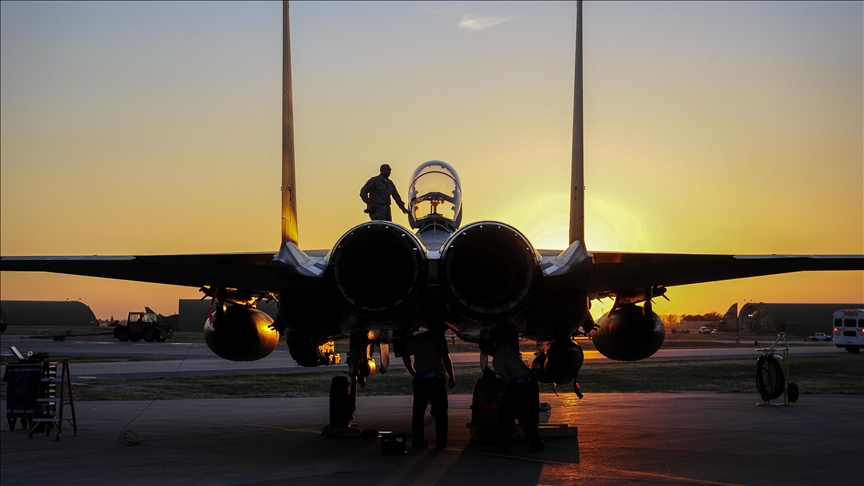
As the war centered on Iran expands across the Middle East, Islamabad faces growing pressure to choose between maintaining neutrality, supporting Saudi Arabia and the United States, or risking tensions with Tehran.
BY Mohammad Sajjad
A detailed report published today in The New York Times raises an important and uncomfortable question about Pakistan’s position in the rapidly escalating Iran war.
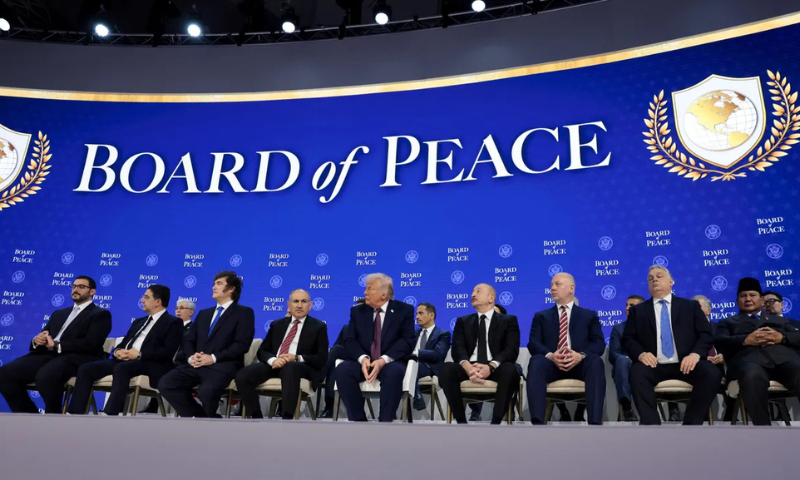
The headline itself is striking: it argues that Prime Minister Shehbaz Sharif’s praise of former US President Donald Trump has now become politically costly, placing Pakistan in a difficult strategic position as the war with Iran expands.
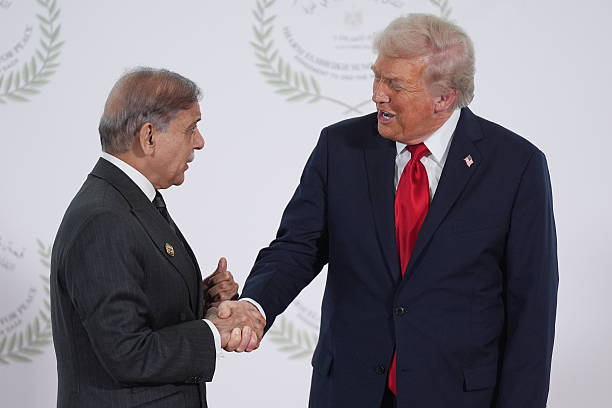
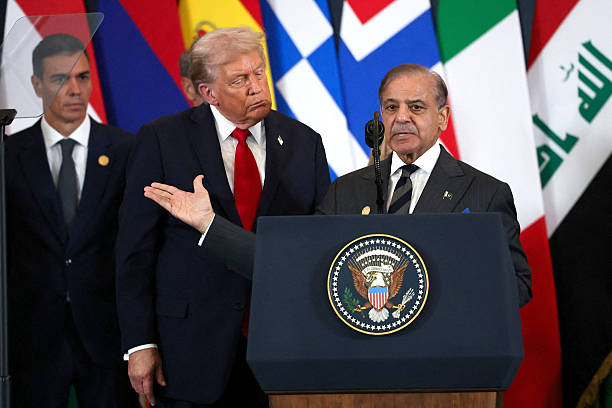
According to the report, Pakistan’s diplomatic engagement with Trump began earlier when Shehbaz Sharif publicly praised him during a speech in Egypt.
At the time, Sharif credited Trump with saving millions of lives and even suggested that he deserved a nomination for the Nobel Peace Prize. That moment, according to the analysis, marked the beginning of Pakistan’s effort to improve its relationship with Trump and his political circle.
Over time, this diplomatic outreach led to warmer relations between the Pakistani leadership — including Prime Minister Shehbaz Sharif and Pakistan’s army chief, Field Marshal Asim Munir — and the US administration under Trump.
During this period, Pakistan also signed a defence cooperation agreement with Saudi Arabia. The lack of transparency surrounding the agreement has raised questions within Pakistan.
While Saudi Arabia operates under its own political system, Pakistan is a state where public debate in parliament on major national security decisions is considered essential. Yet no meaningful public discussion took place regarding the defence agreement with Riyadh.
Since the signing of the pact, Pakistan’s army chief has made several visits to Saudi Arabia. At least three visits have taken place since September last year.
During the first visit, which coincided with the signing of the defence agreement, Munir met Saudi Crown Prince Mohammed bin Salman. However, during at least two of his subsequent visits, he did not meet the crown prince directly. Instead, he held discussions with the Saudi defence minister.
During this period, Munir was also awarded Saudi Arabia’s highest state honour, signalling the importance Riyadh attaches to its military relationship with Pakistan.
However, speculation has now intensified about the purpose of Munir’s most recent visit to Saudi Arabia. Analysts are asking whether Riyadh may be expecting Pakistan to play a role in the current war involving Iran.
The question being widely debated is whether Saudi Arabia has asked Pakistan to participate in the conflict or to provide some form of military support.
If such a request has indeed been made, another question immediately arises: has Pakistan already made any commitments under the defence agreement signed last year?
These questions remain unanswered.
If Pakistan were to participate in the war, the implications would be extremely serious — both regionally and domestically.
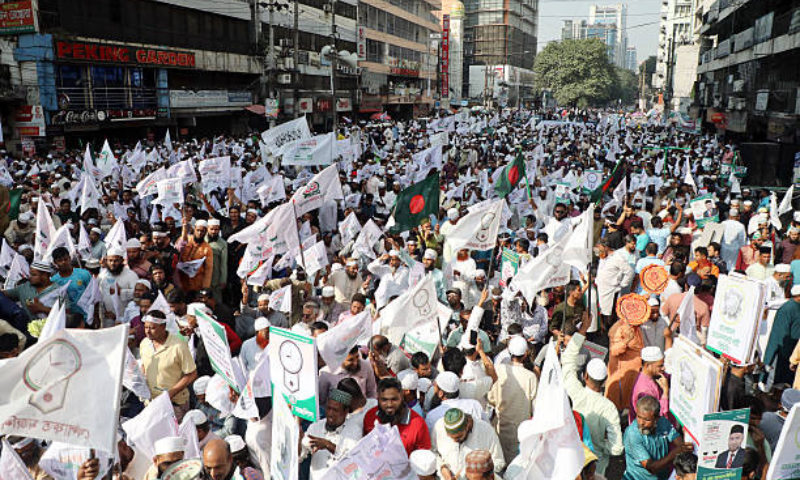
Within Pakistan itself, the political and social consequences could be severe. In most parts of the country, there is significant public opposition to involvement in a conflict against Iran, though Public sentiment in some areas strongly favours neutrality.
This is why Pakistan now appears to face a difficult strategic choice. According to the New York Times analysis, the diplomatic praise once offered to Trump may now be creating pressure on Islamabad.
Pakistan may soon be forced to decide whether it stands with Iran, aligns with Saudi Arabia and the United States, or attempts to maintain neutrality.
Remaining neutral may be the most sensible option from Pakistan’s perspective. However, neutrality itself could create new complications.
If Pakistan refuses to support Saudi Arabia, the kingdom could react negatively. Given Pakistan’s current economic situation, such a reaction could be difficult to manage.
Saudi Arabia currently holds approximately $6 billion in financial support and deposits, which are crucial for Pakistan’s fragile economy.
If relations with Riyadh were to deteriorate, Islamabad would face a serious financial challenge.
For this reason, Pakistan appears to be entering a very difficult phase.
A War Moving Toward Attrition
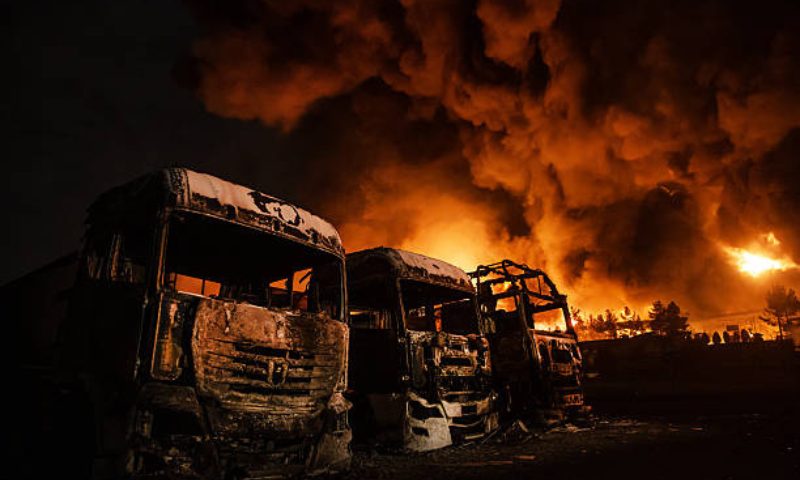
Beyond Pakistan’s dilemma, the broader war itself is moving toward what analysts describe as a war of attrition.
Such conflicts often result in prolonged stalemates, where neither side can achieve a decisive victory.
When a war reaches that stage, it becomes an extremely dangerous situation for all parties involved. Military forces continue to suffer losses, yet the conflict produces no clear political or strategic outcome.
In such circumstances, governments often struggle to define what victory actually means.
This appears to be the direction in which the current war may be heading.
Iran’s Strategic Leverage: The Strait of Hormuz
Iran, meanwhile, has already played one of its most powerful strategic cards.
Tehran has announced the closure of the Strait of Hormuz.
Remarkably, Iran has not necessarily needed to physically blockade the strait in order to disrupt traffic. Simply declaring that passage is unsafe has already had a major impact.
Despite claims from Washington that Iran’s capabilities in the strait have been neutralized, commercial shipping has largely avoided the route.
The reality is that Iran understands the enormous leverage it holds over the global economy.
If the Strait of Hormuz is effectively closed, the consequences would ripple across international energy markets.
A disruption in the Strait would not only affect global oil prices but would also place economic pressure on the United States and its allies.
The timing is particularly sensitive given the approaching elections in the United States. Rising energy prices and economic instability could reshape the domestic political landscape.
If such changes occur, they could influence American foreign policy and potentially alter the course of the conflict.
For now, the situation remains fluid.
What is clear, however, is that the war is expanding, its outcomes remain uncertain, and the geopolitical consequences are becoming increasingly profound.