Special Report
June 27, 2025
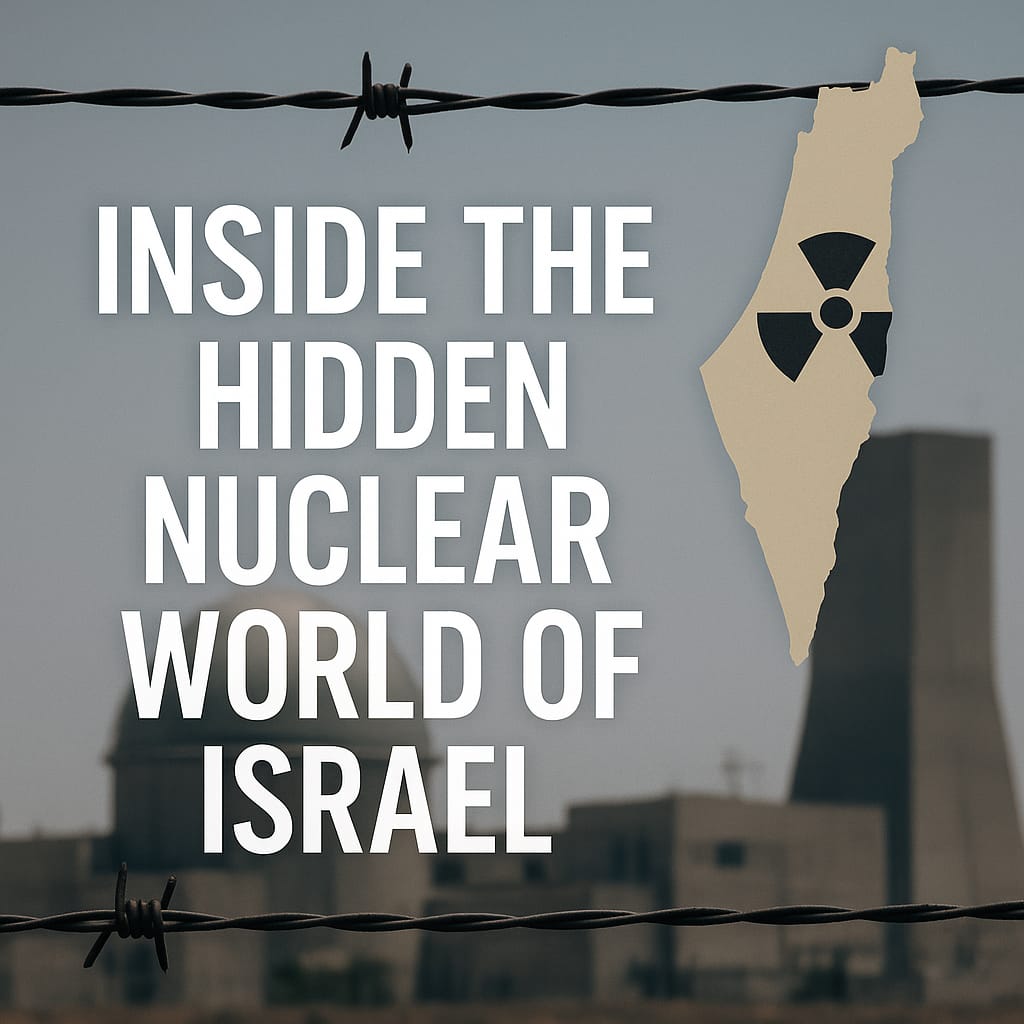
It is a nation that has waged pre-emptive wars across the Middle East under the banner of nuclear non-proliferation, a self-appointed enforcer determined to keep its neighbors from developing atomic capabilities. From Iraq and Syria to Lebanon and, most recently, Iran, Israel has justified airstrikes, sabotage campaigns, and assassinations as necessary to avert an existential threat.
Yet behind these military operations lies a stark contradiction: Israel itself possesses a secretive nuclear arsenal, developed outside any international oversight and shielded from scrutiny by powerful allies. While demanding absolute transparency from its adversaries, it has never allowed inspectors near its facilities.
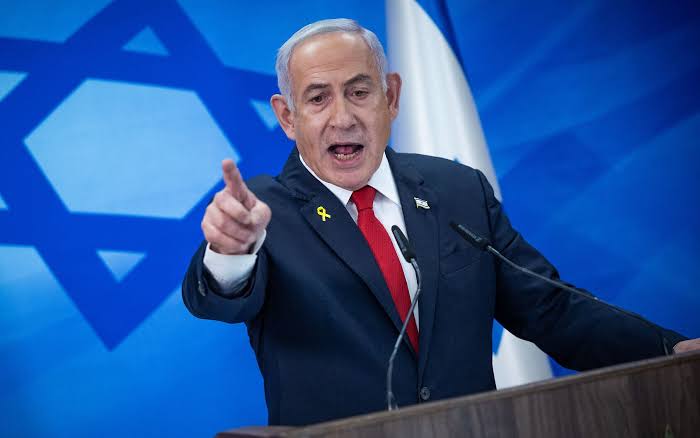
At the same time, Israel has presided over some of the most devastating campaigns of modern warfare. In Gaza, entire neighborhoods have been reduced to rubble. Hospitals have been bombed, and thousands of civilians have been killed or maimed. Human rights groups describe a pattern of impunity reinforced by the silence or active support of Western governments.
This is the story of a nuclear-armed state that answers to no one, defies the principles it claims to defend, and continues to redraw the rules of conflict in a region already scarred by decades of war.
Since its founding in 1948, Israel has pursued a nuclear capability it regards as essential to national survival. Today, as Israeli military operations target Iran’s nuclear infrastructure, observers say Israel’s arsenal remains quietly intact and, according to some assessments, potentially expanding.
Israel maintains a policy of deliberate ambiguity, refusing to confirm or deny the existence of its nuclear weapons. Official statements have long avoided any direct admission, instead repeating that Israel will not be the first to “introduce” nuclear weapons into the Middle East. Experts describe this phrasing as an intentional obfuscation surrounding what is widely believed to be an established and sophisticated nuclear program.

Scale of Israel’s Nuclear Stockpile
Independent assessments suggest Israel possesses at least 90 nuclear warheads and holds enough fissile material to produce hundreds more if it chooses to do so. The International Atomic Energy Agency, the UN’s nuclear watchdog, has determined that while more than 30 countries can develop nuclear weapons, only nine are known actually to possess them. Among this group, Israel is understood to have the second smallest arsenal after North Korea. According to analyses, Israel is capable of delivering nuclear warheads by air, sea, or land, deploying them from fighter jets, submarines, and ground-based ballistic missile systems.
A Reluctance to Sign the Nonproliferation Treaty
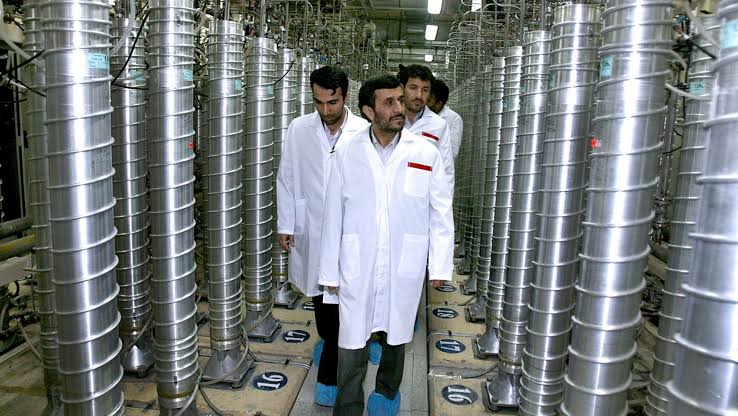
Israel remains one of only five countries outside the Nuclear Nonproliferation Treaty, alongside India, Pakistan, North Korea, and South Sudan. The treaty, which entered into force in 1970, commits signatories to curb the spread of nuclear weapons and promote peaceful nuclear technology. Iran, by contrast, is a signatory.
For Israel to join the treaty, it would be required to dismantle any existing nuclear arsenal. The accord formally recognizes only five nations, Britain, China, France, Russia, and the United States, as legitimate nuclear-weapon states, reflecting the geopolitical order at the time the treaty was drafted.
Origins of Israel’s Nuclear Ambitions
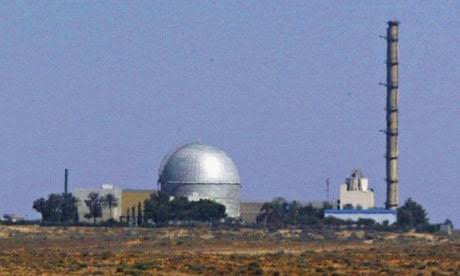
Historical records indicate Israeli leaders were determined to pursue a nuclear deterrent within a few years of the state’s establishment, shaped by memories of the Holocaust and fears of regional hostility. The Israel Atomic Energy Commission was established in 1952, and by the late 1950s, construction commenced on a secretive nuclear development facility near Dimona in the Negev Desert.

A declassified U.S. intelligence assessment from 1960 concluded that the Dimona site included a reprocessing plant capable of producing plutonium, signaling clear weapons-related intentions. By the late 1960s, Israel had reportedly developed the capability to assemble nuclear devices. By 1973, U.S. analysts were convinced Israel had produced operational nuclear weapons.
Beyond the American Nuclear Umbrella
Unlike dozens of European and Asian states that rely on the so-called U.S. nuclear umbrella for deterrence, Israel has never been included in this arrangement. Analysts have often cited this absence as an implicit acknowledgment that Israel has its nuclear deterrent and does not depend on American guarantees.
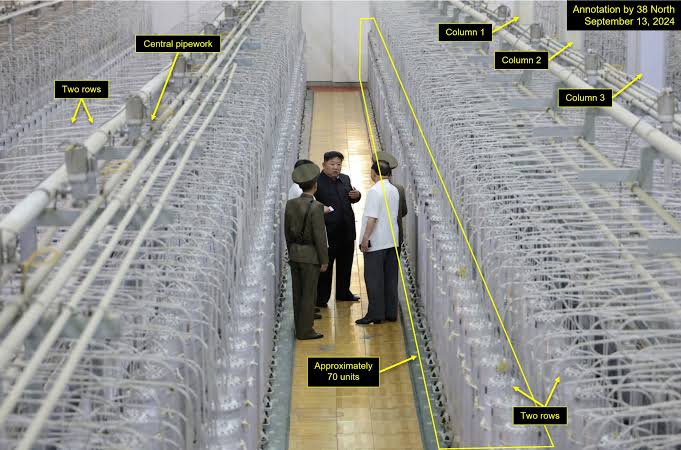
Experts note that this posture reflects a longstanding belief among Israeli policymakers that the nation’s security ultimately rests in its own hands and that Israel will take whatever steps it deems necessary to ensure its survival.
Israel’s Pre-emptive Strikes Against Regional Nuclear Programs
Israel has a long record of taking direct military action to prevent neighboring countries from developing nuclear capabilities. In 1981, it launched Operation Opera, an airstrike that destroyed Iraq’s Osirak reactor, which Israel claimed was intended for nuclear weapons development. In 2007, Israeli jets carried out a covert bombing of a suspected nuclear facility in Syria’s Deir ez-Zor region.
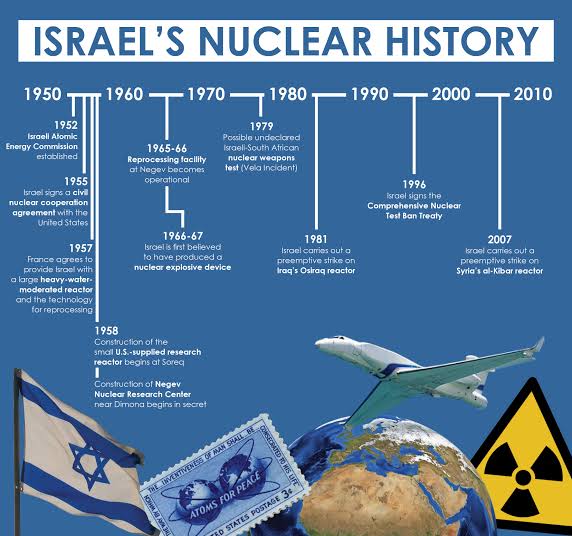
Israel has also been widely linked to cyberattacks and covert operations targeting Iran’s nuclear infrastructure, including sabotage and assassinations of scientists. Most recently, a 12-day war between Israel and Iran erupted after mutual escalations over Iran’s uranium enrichment, resulting in Israeli air and missile strikes aimed at Iranian nuclear facilities and military sites. Although Lebanon’s conflicts with Israel were not solely about nuclear threats, Israeli officials frequently cited the risk of advanced weapons transfers to Hezbollah as partial justification for repeated military campaigns.
Despite these actions, Israel has faced no significant international sanctions for its unilateral measures, reinforcing perceptions of a global double standard on nuclear issues.
Conclusion: Exceptionalism and the Costs of Impunity
Israel’s posture as a regional power committed to its security has translated into a decades-long pattern of pre-emptive strikes, covert sabotage, and military campaigns across the Middle East. From the destruction of nuclear facilities in Iraq and Syria to the targeted assassinations and cyberattacks in Iran, Israel has consistently justified its actions as necessary to counter potential existential threats.
At the same time, Israel has waged repeated offensives in Gaza, including recent operations that killed thousands of civilians and devastated critical infrastructure. Despite the scale of these attacks and their humanitarian consequences, Israel has largely escaped meaningful accountability. Western governments, especially the United States and European allies, have not only declined to impose significant consequences but have continued to supply diplomatic protection, military aid, and advanced weaponry.
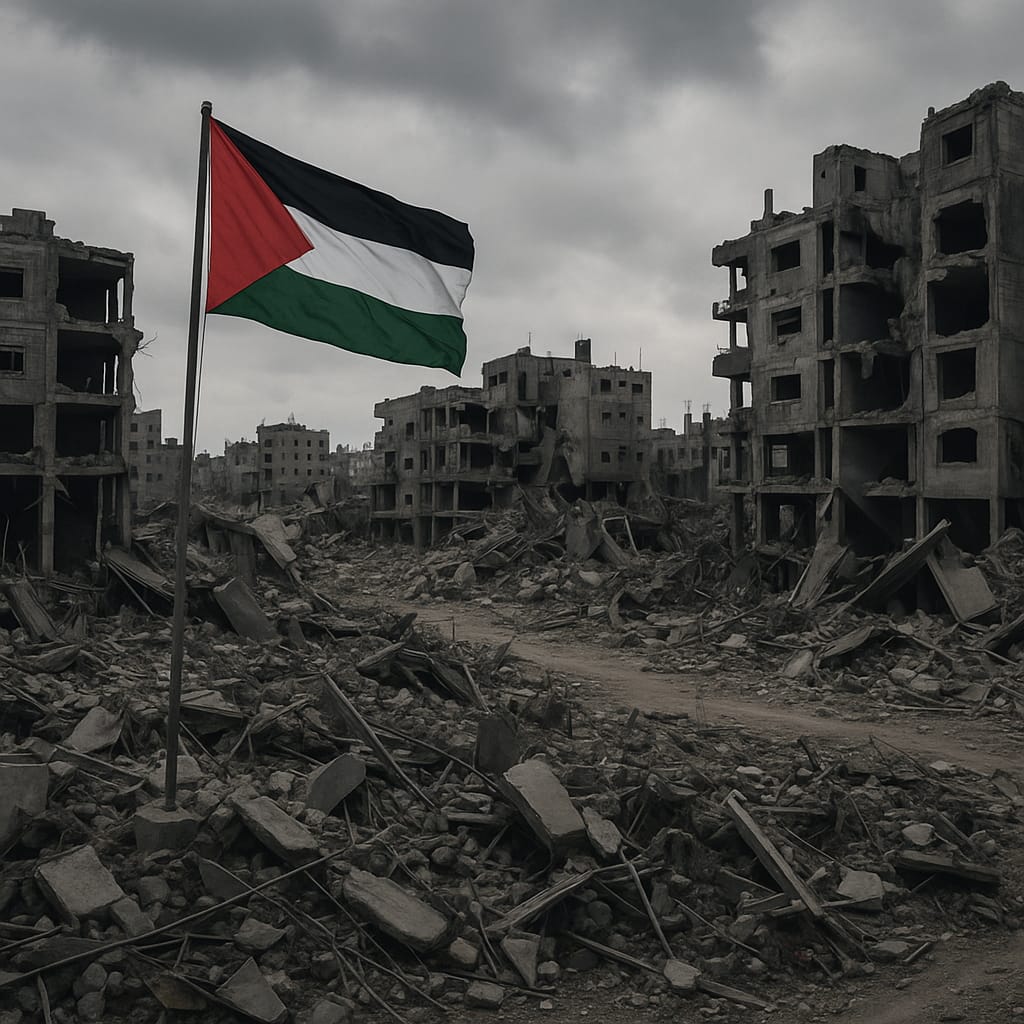
Critics argue this policy of exceptionalism has entrenched a dangerous precedent: that some states can operate outside international law without repercussions if they are aligned with Western interests. In a region already riven by conflict and mistrust, this double standard has deepened resentment, undermined non-proliferation efforts, and fueled the perception that global norms are selectively enforced.
Ultimately, the question is not just whether Israel’s nuclear and military actions are defensible in isolation, but whether the international community’s willingness to shield them has come at the cost of stability, credibility, and the principles it claims to uphold. (ST)