Bangladesh Opens Murder Trial Over Student Protester’s Killing
schedule
Share
Trial begins nearly a year after Abu Sayeed’s death ignited mass demonstrations that toppled Sheikh Hasina
Dhaka-Special Report:
July 1, 2025
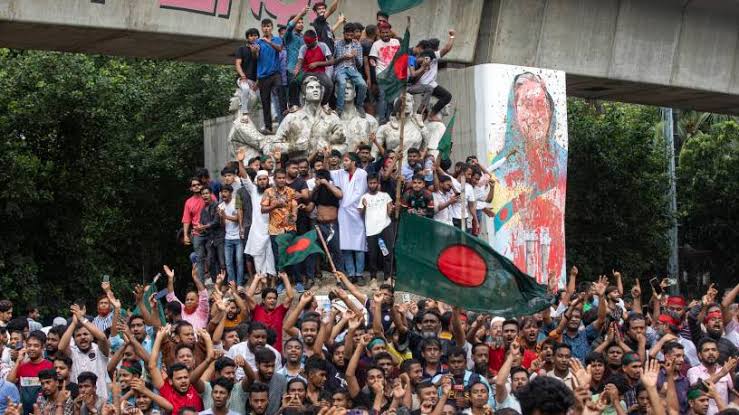
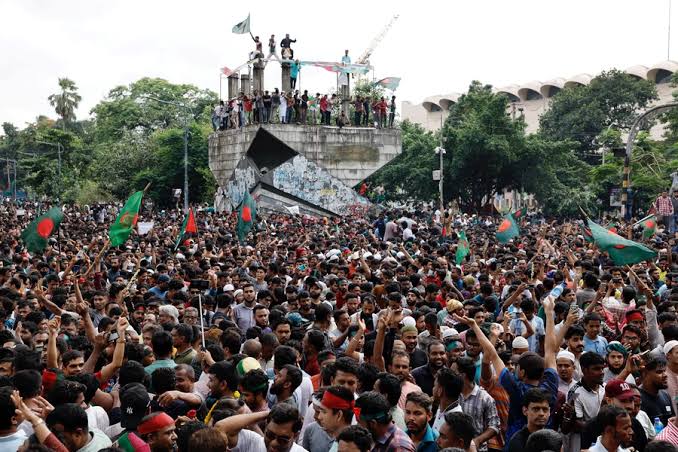
Bangladesh has opened the murder trial of student protester Abu Sayeed, whose killing last year triggered nationwide demonstrations that ultimately forced then-prime minister Sheikh Hasina from power.
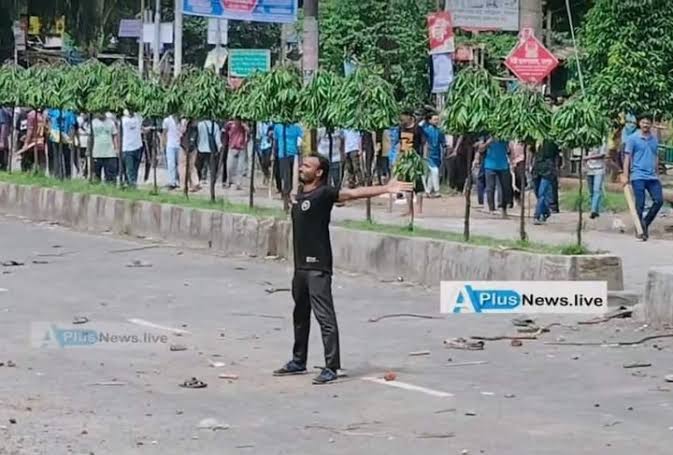
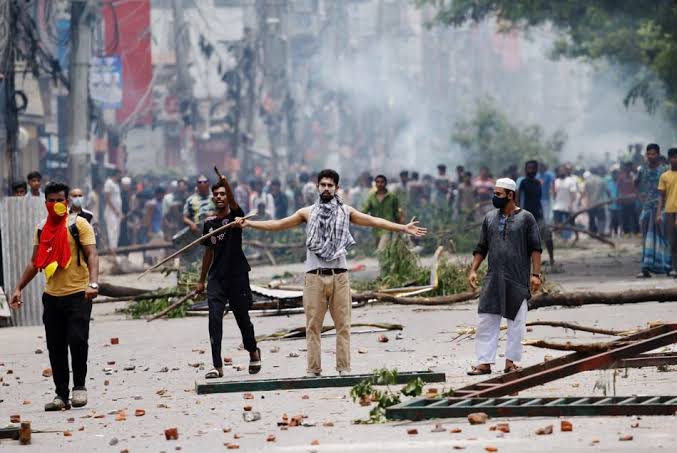
Sayeed, 23, was fatally shot in the northern city of Rangpur on July 16, 2024, becoming the first student demonstrator killed as security forces cracked down on protests.
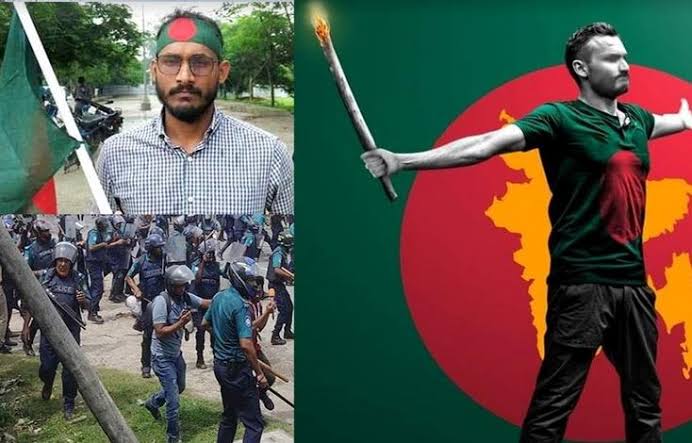
Footage of his final moments, standing defiantly with his arms outstretched before being shot at close range, was replayed repeatedly on Bangladeshi television in the days after Hasina’s downfall.
Thirty Charged, Including Police and University Officials
Prosecutors at Bangladesh’s war crimes tribunal have charged 30 individuals over the killing. So far, only four are in custody: two police officers, a university official, and a student leader. Arrest warrants have been issued for the remaining 26 suspects.
Chief Prosecutor Mohammad Tajul Islam said the court had accepted the formal charges, allowing proceedings to begin.
“We have stated that Sheikh Hasina ordered the then interior minister to use lethal weapons,” Islam told journalists. “The inspector general of police implemented that instruction, and the forces on the ground, under senior police officers, executed the order.”
He added that senior members of the university administration had “actively participated in quashing the protest.” Among those named is the former vice-chancellor of Begum Rokeya University, Hasibur Rashid.
UN Estimates 1,400 Killed in Crackdown
According to the United Nations, up to 1,400 people were killed between July and August last year, as Hasina’s government attempted, unsuccessfully, to suppress mounting dissent.
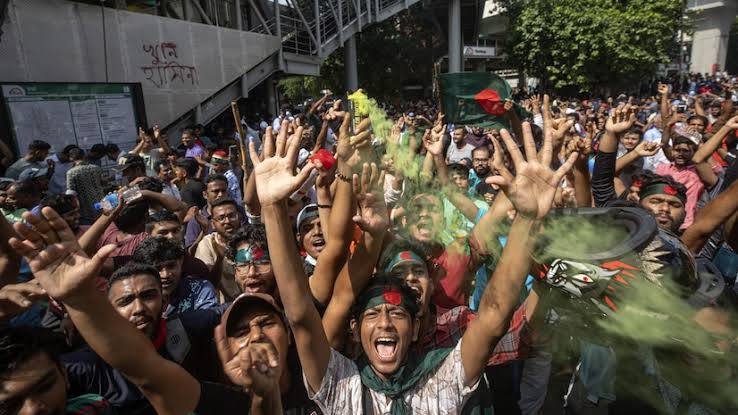
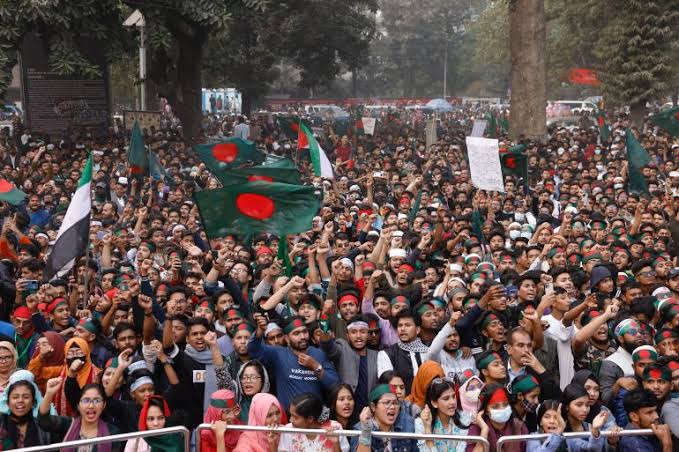
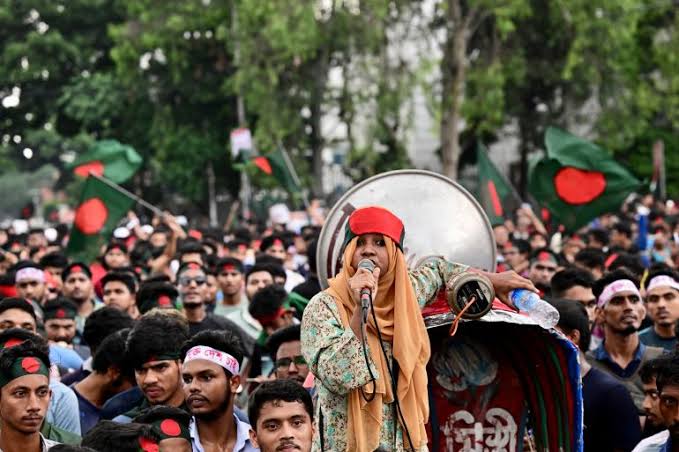
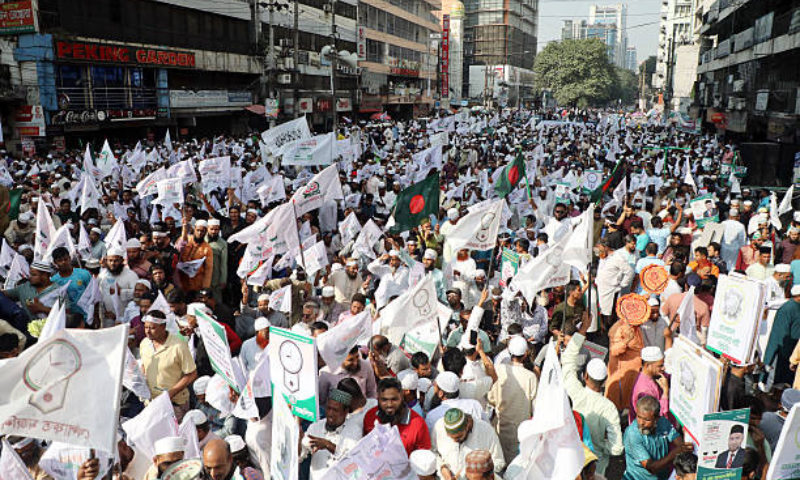
The opening of Sayeed’s murder trial comes one day before the anniversary of the student-led movement, which began as protests against a controversial quota system for public sector jobs and soon expanded into broader demands for democratic reforms and accountability.
Hasina on Trial in Absentia
Sheikh Hasina fled to India on August 5, 2024. Although she is not named as a defendant in the Sayeed case, she is being tried in absentia on separate charges. According to her now-banned Awami League party, prosecutors have filed five counts against her, amounting to crimes against humanity, all of which she denies.
Background: How the Uprising Transformed Bangladesh
The protests that erupted in mid-2024 initially focused on corruption and economic hardship, including frustration over youth unemployment and rising living costs. However, they soon evolved into a broader uprising, as religious parties and student groups joined forces with other activists to demand the removal of what they called an “authoritarian and anti-Islamic” regime.
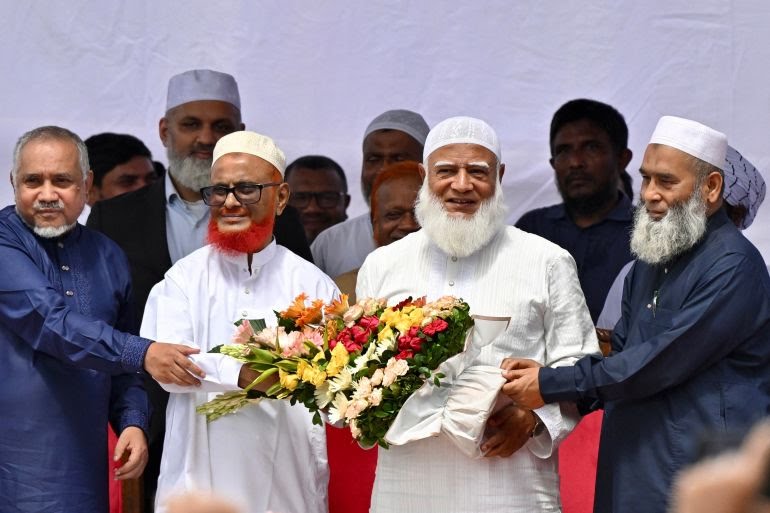
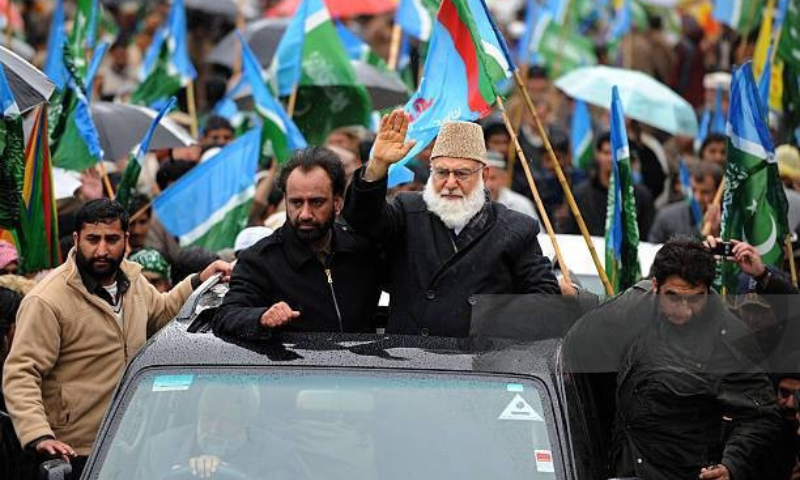
The alliance of Islamic parties, particularly Jamaat-e-Islami, student unions, and civil society organisations, gained momentum in northern regions, such as Rangpur, where religious seminaries hold significant sway. After weeks of escalating violence and mass walkouts by public employees, security forces lost control of the streets, and the military eventually refused to intervene to rescue Hasina’s administration.
Her flight to India marked the collapse of her 15-year rule and ushered in an interim government, which has promised to investigate abuses and prosecute those responsible.
Bangladesh After Sheikh Hasina: A Nation in Transition
Since Sheikh Hasina’s resignation and departure to India, Bangladesh has entered a period of political transition. The interim government, led by a caretaker administration backed by a coalition of civil society groups and military-appointed advisers, has pledged to restore democratic institutions and hold free elections.
Authorities have launched multiple investigations into alleged human rights abuses under Hasina’s rule, including the mass killings of protesters, extrajudicial detentions, and the targeting of political opponents and journalists.
While many Bangladeshis have welcomed the trials as long-overdue accountability, others fear the proceedings could deepen divisions in a country still reeling from months of violence and economic disruption.
In the meantime, political parties are reorganising, and religious groups that gained prominence during the protests are seeking a greater role in shaping policy and governance. (ST)
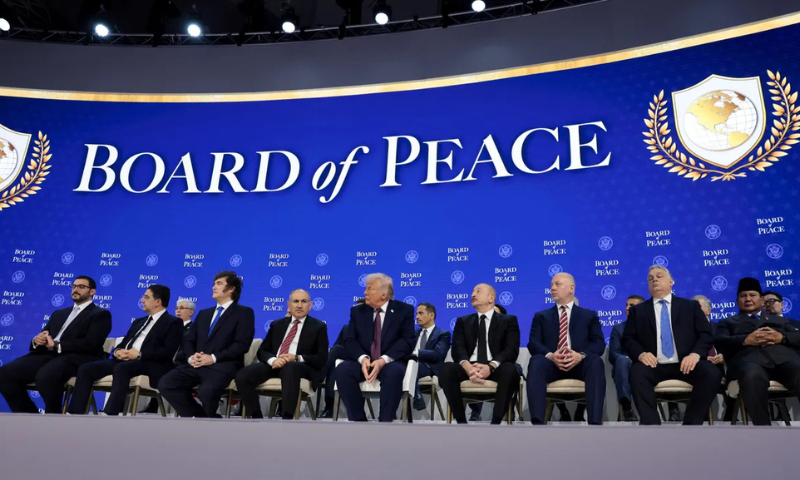
Any serious evaluation of Donald Trump’s newly announced “Board of Peace” must begin with an uncomfortable truth: while Israel has been killing thousands of innocent Palestinian children and unarmed civilians in Gaza, much of the international system has either looked away or failed to act decisively.