2 July 2025
One year has passed since the International Court of Justice issued its landmark opinion declaring Israel’s presence in the occupied Palestinian territories unlawful. The ruling, delivered in July 2024, described Israel’s settlement expansion, annexation policies, and restrictions on Palestinians as violations of international law and called for an immediate end to these practices.
Twelve months later, little has changed on the ground.
In the occupied West Bank, Israeli settlements continue to grow. Satellite images and rights groups report new construction in areas around East Jerusalem and deep into the interior of the West Bank. While the ICJ’s advisory opinion was nonbinding, it carried moral and political weight, prompting a wave of resolutions and statements by governments urging Israel to comply.
Palestinian leaders had hailed the court’s decision as a “watershed moment.” Foreign Minister Riyad Maliki called on all nations to stop all forms of support to the occupation, from trade and investment to arms sales. Yet no major Western power has imposed concrete sanctions, and diplomatic ties remain largely unchanged.
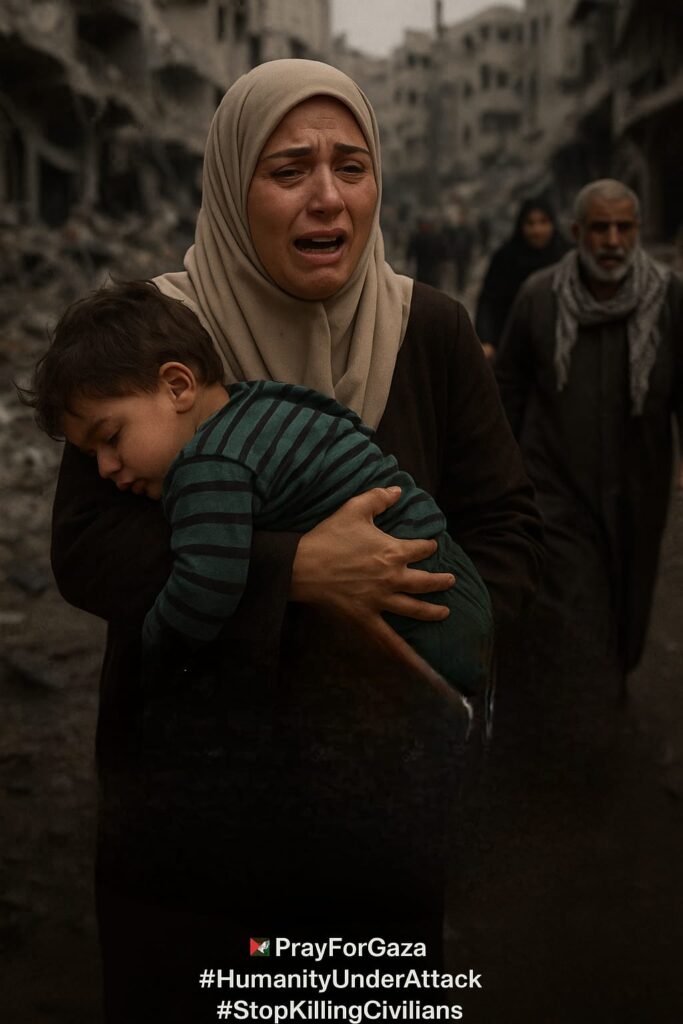
Israel rejected the ruling outright, calling it “politically motivated” and asserting that the Jewish people are not occupiers in their ancestral homeland. In Gaza, the humanitarian crisis has deepened further. Though the ICJ had separately ordered Israel to prevent genocide and allow more aid into the besieged enclave, aid agencies say border closures and military operations have made relief efforts almost impossible.
One year on, the ICJ ruling stands as a stark statement of international law, yet its power to alter realities on the ground remains limited without sustained global action. (ST)