Madinah, Saudi Arabia
Friday Special:
July 4, 2025
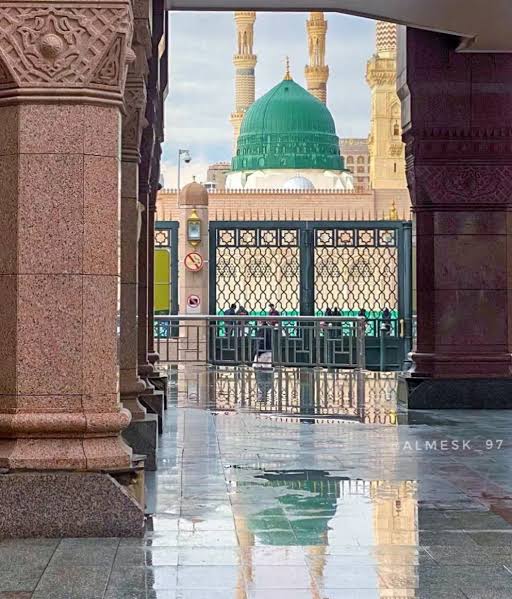
In the heart of Islam’s second-holiest city, the stones underfoot are more than geological relics; they are the silent witnesses to centuries of faith, migration, and transformation. From the Prophet’s (peace be upon him) Mosque to the city’s modern plazas, black basalt and granite have become the foundation of Madinah’s architectural identity, fusing heritage with Saudi Arabia’s ambitious Vision 2030.
Origins: Ancient Lava Fields and Rocky Escarpments
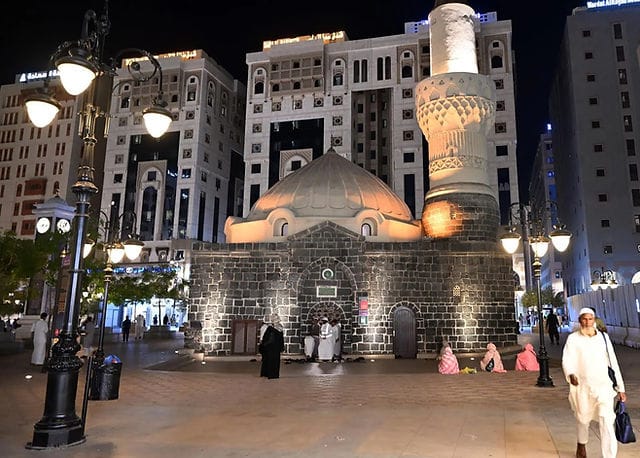
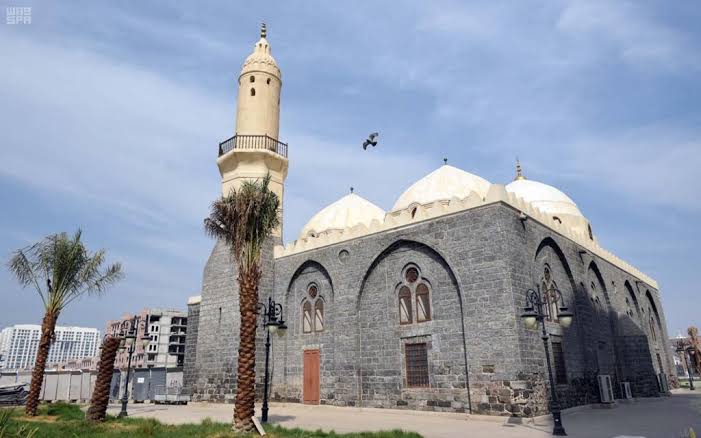
For generations, the lava fields and rocky escarpments surrounding Madinah have supplied builders with durable natural materials. Black basalt, an igneous rock formed from ancient volcanic flows, and granite have been used since antiquity to construct homes, mosques, and marketplaces.
Their most remarkable property is thermal insulation: in the blistering desert heat, these stones absorb warmth during the day but help keep interior spaces comparatively cool, reducing energy needs and offering natural comfort.
“This rock absorbs heat in the summer season, which lowers indoor temperatures compared to the exterior surfaces,” noted a report by the Saudi Press Agency (SPA).
Heritage Meets Modernization
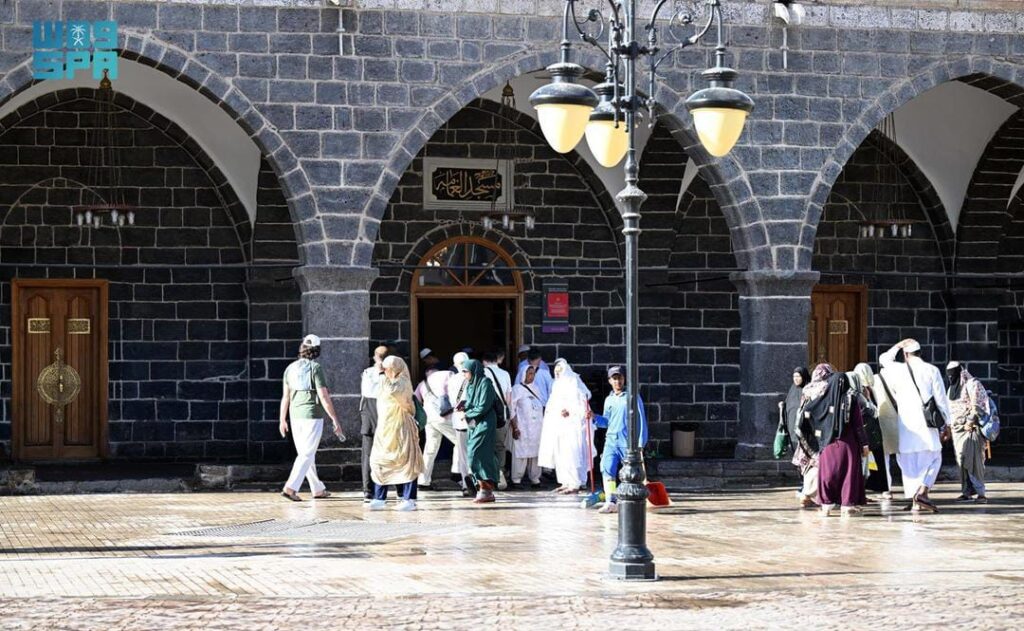
Despite rapid urbanization, these materials have lost none of their cultural significance. According to local authorities, black granite continues to play a central role in landmark restoration.
It is prominently featured in renovation works at the Prophet’s (Peace Be Upon Him) Mosque and in paving pedestrian corridors across Madinah. Today, the stone lends a sense of continuity as the city adapts to modern demands.
Preservation and Revitalization
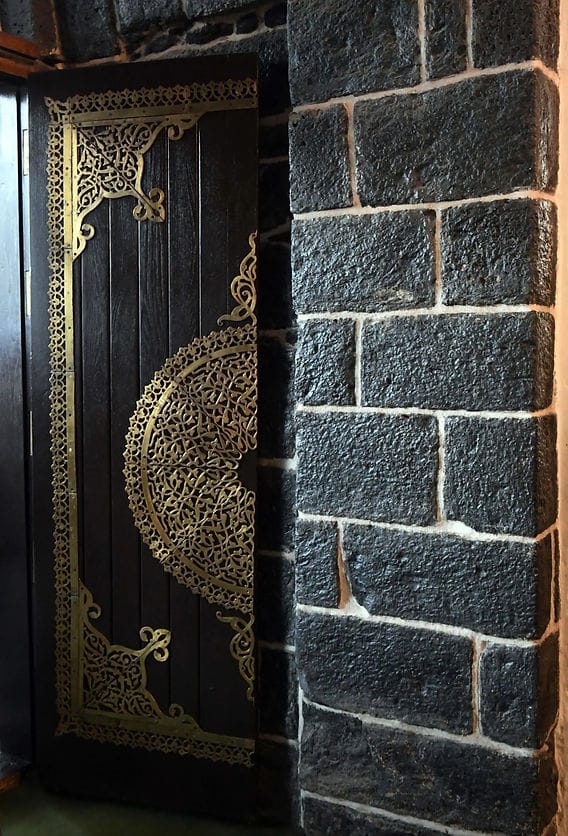
The Madinah Region Development Authority and the Saudi Heritage Commission have spearheaded efforts to protect and revitalize historical sites.
Their strategy reflects a broader philosophy in the Kingdom: that economic growth and heritage preservation must progress hand in hand.
In projects such as Humanizing Madinah, urban planners have laid black basalt along valleys like Wadi Al-Aqiq and Wadi Qanat, transforming them into accessible, aesthetically striking public spaces.
Vision 2030: A Blueprint for Tourism and Culture
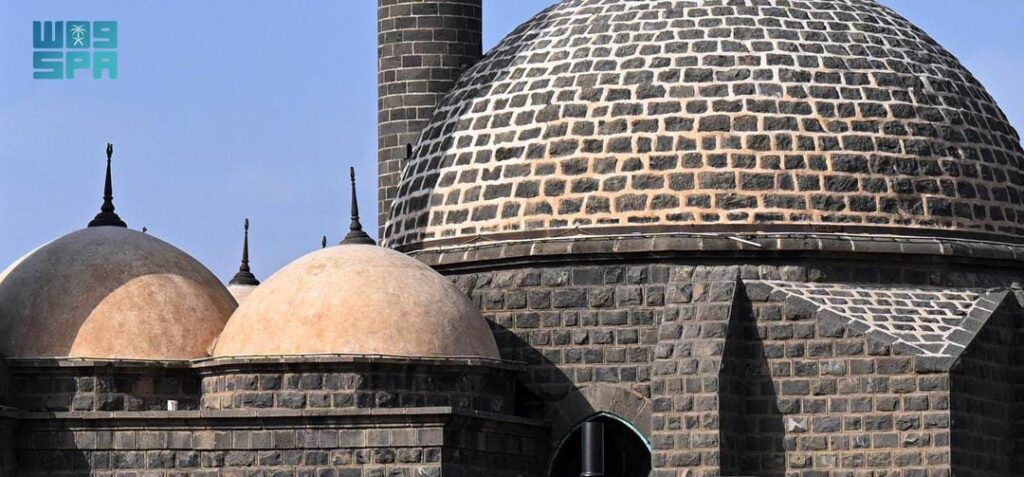
These developments align with Vision 2030, to diversify Saudi Arabia’s economy beyond oil and reposition itself as a global hub for tourism and culture.
Under this vision, restoring and highlighting architectural heritage is as much about national identity as it is about economic opportunity. By showcasing Madinah’s unique stone-built legacy, authorities hope to attract millions of visitors drawn by both spiritual pilgrimage and cultural curiosity.
“The Kingdom excels in blending heritage with progress,” reads an editorial published by KSA.com, an independent news platform covering the country’s transformation. “From G20 leadership to empowering women and diversifying its economy, Saudi Arabia showcases how tradition fuels innovation.”
Sustainability Through Local Materials
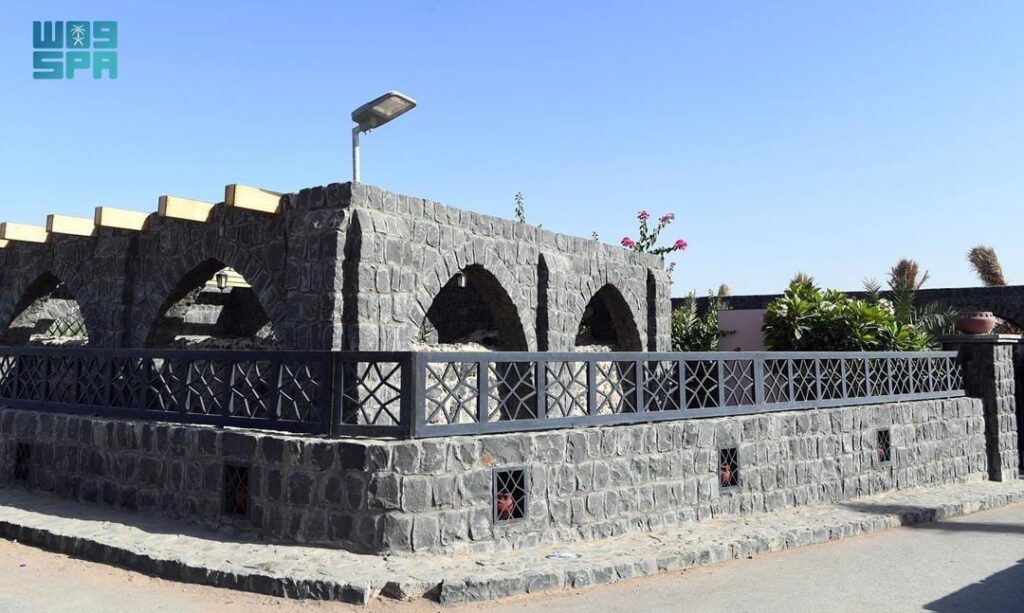
Indeed, Saudi officials see Madinah’s architecture as a case study in sustainable urban design. By leveraging local materials that are abundant, eco-friendly, and inherently adapted to the region’s harsh climate, the city reduces its carbon footprint while strengthening its historic character.
A Bridge Between Past and Future
Pathways paved with polished basalt, plazas bordered by granite seating, and restored heritage sites invite reflection on a city that is, by design, a bridge between past and future.
In a desert city where the sun can be relentless, these ancient stones quietly serve a modern purpose: cooling, sheltering, and reminding all who walk upon them that progress need not erase memory.
Source (ksa.com)