July 12, 2025
Staff Report
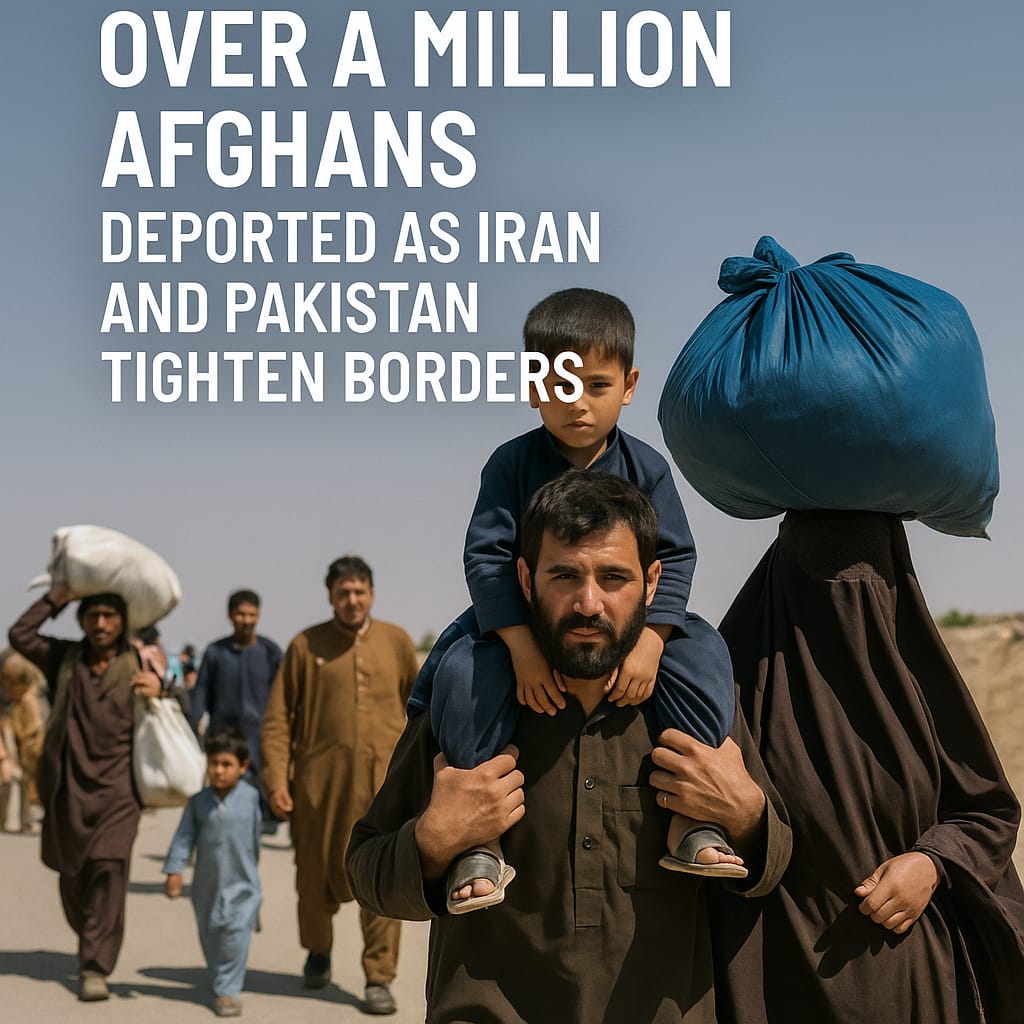
Between June 24 and July 9, over 508,426 Afghans were expelled from Iran, often amid extreme heat, marking possibly the largest forced displacement in the region this decade. Simultaneously, Pakistan has intensified mass deportations, targeting both undocumented Afghans and those with registration cards. Together, these waves have pushed more than 1.2 million returnees into a fragile Afghanistan in just months.
Iran’s Crackdown: Espionage Accusations Amid Forced Evictions
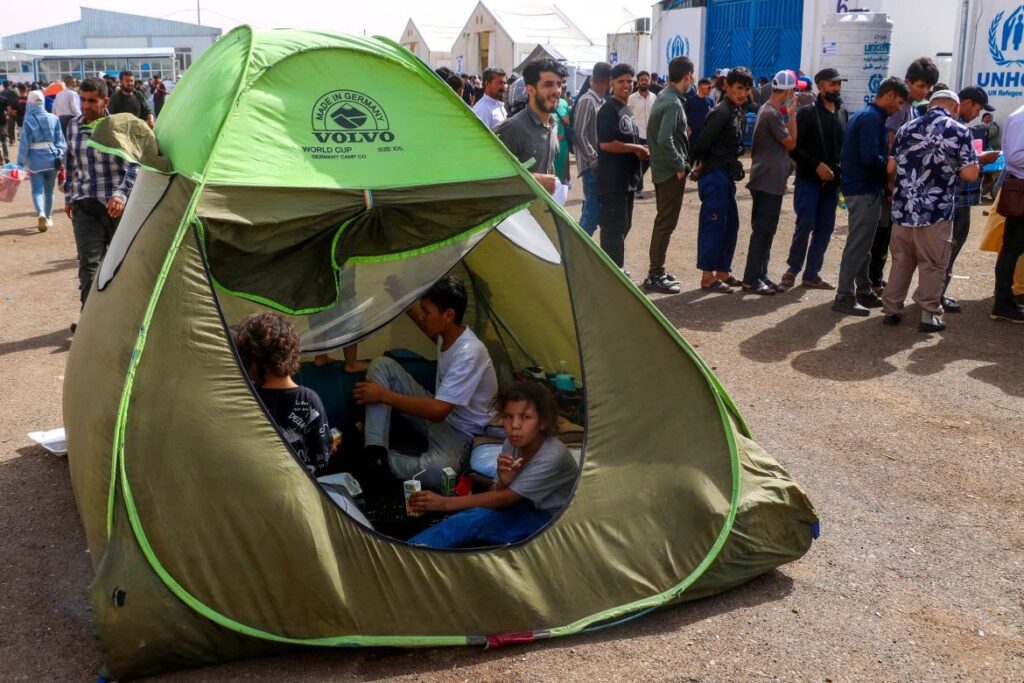
Iran’s deportation plan escalated after a 12-day conflict with Israel, when Tehran reportedly accused Afghans of spying for Israel, claims lacking any credible evidence. The flow of returnees surged after a Sunday deadline, seeing 51,000 cross in a single day. Many have endured brutal conditions, temperatures soaring to 40 °C, and overcrowded border reception centres.
Pakistan’s Deportation Drive: Undocumented and Registered Afghans at Risk
In Pakistan, the Illegal Foreigners Repatriation Plan, launched in September 2023, has undergone multiple escalations, with millions ordered to leave by March–June 2025. Deportations have included those holding Afghan Citizen Cards (800,000) and PoR cards (1.4 million), along with undocumented migrants. Authorities conducted raids in Islamabad and Rawalpindi, reportedly without due process.
Humanitarian Shock: Children, Women, and Activists Left Vulnerable
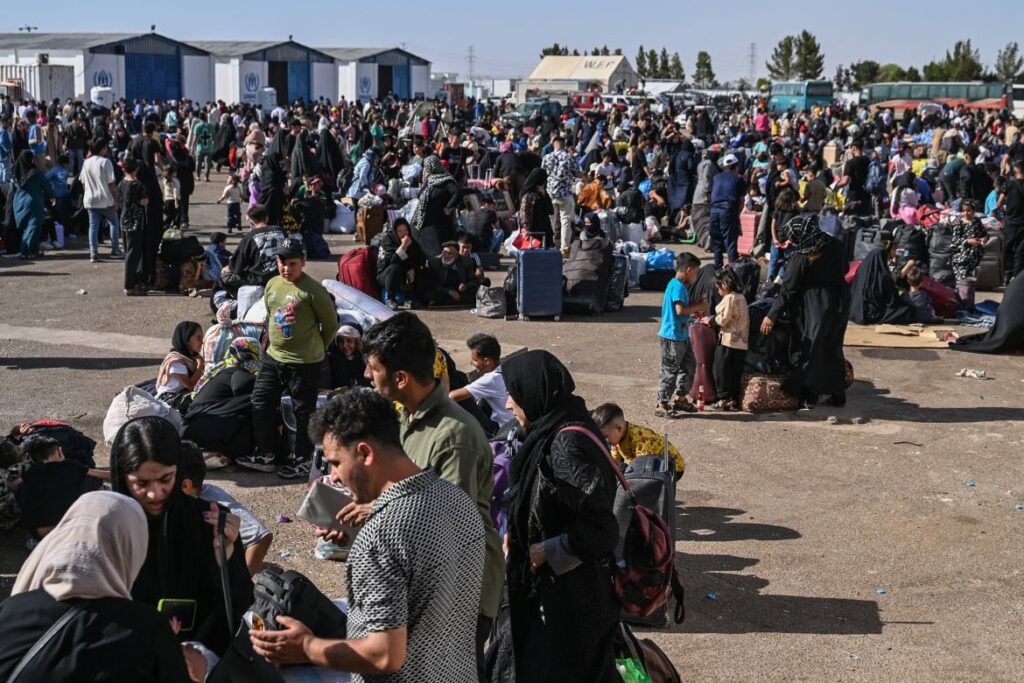
UN and aid groups report a high number of unaccompanied or separated children, women, and vulnerable individuals among the returnees. In Pakistan alone, over 110,000 refugees with high-risk profiles, including women and children, are in urgent need of resettlement. Afghan women face an even greater peril, with many saying deportation effectively amounts to a harsher life.
Afghan Border Struggles: Overstretched Reception Centres
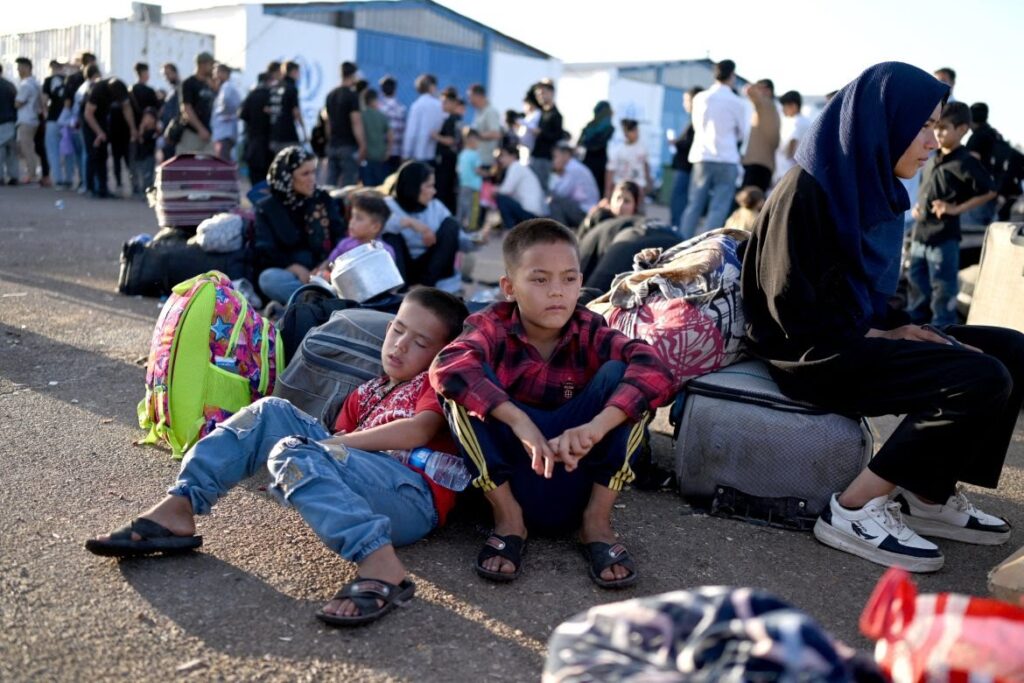
Afghan border posts like Islam Qala, Torkham, and Spin Boldak are overwhelmed. Conditions are dire: extreme heat, limited water, long waits, and health risks. Families report detention, extortion, abuse, and forced payments in Iran. These crossings have become “frontlines” of a growing regional crisis.
Returnees’ Plight: Reintegration in a Barren Homeland
Afghanistan cannot absorb the influx:
Nearly two-thirds of returnees are children, and 17% women‑headed households.
Over 70% of Afghans live at the subsistence level, with drought and Taliban restrictions worsening conditions.
The UN’s Integrated Response Plan offers short‑term aid (shelter, cash, water) and aims at long‑term social integration, but funding and infrastructure are woefully insufficient.
Over 300,000 returned in just April, stressing urban services. An additional 600,000 may arrive in 2025.
Regional Fallout: Severe Economic & Social Strains
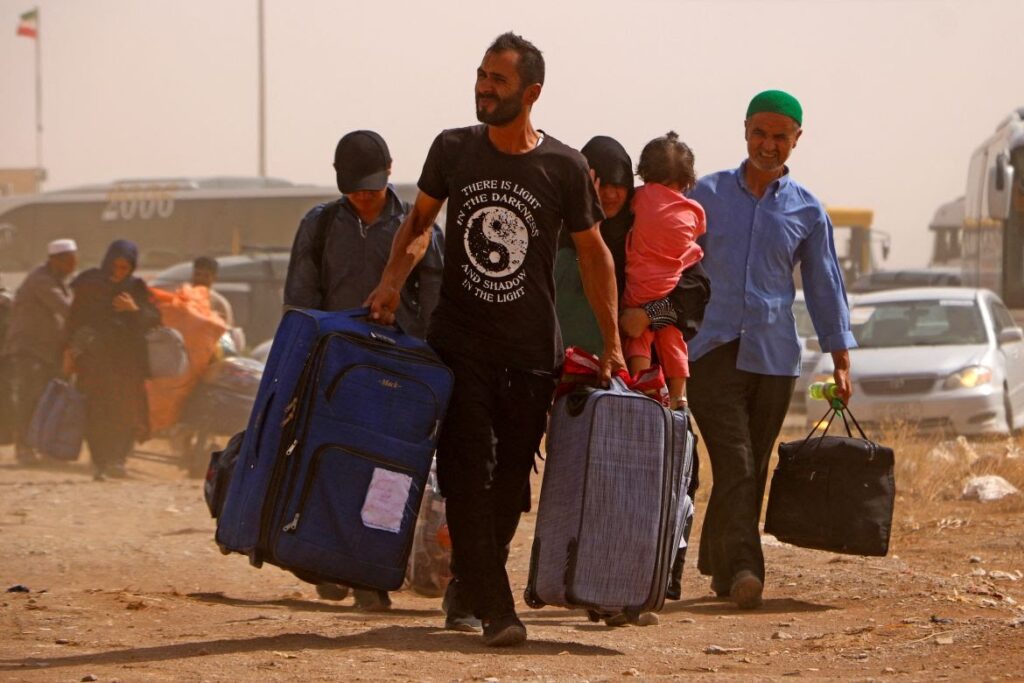
Iran deems its policy as “national security”, while Pakistan signals it targets “illegal nationals”.
However, experts warn of deep regional consequences: labour shortages in host countries, surging xenophobia, insecurity in border zones, and potential radicalization.
Both Iran and Pakistan are signatories to international standards, yet aid agencies emphasize principles of non-refoulement and due process, which appear widely violated.
International Appeals: Calls for Pause & Support
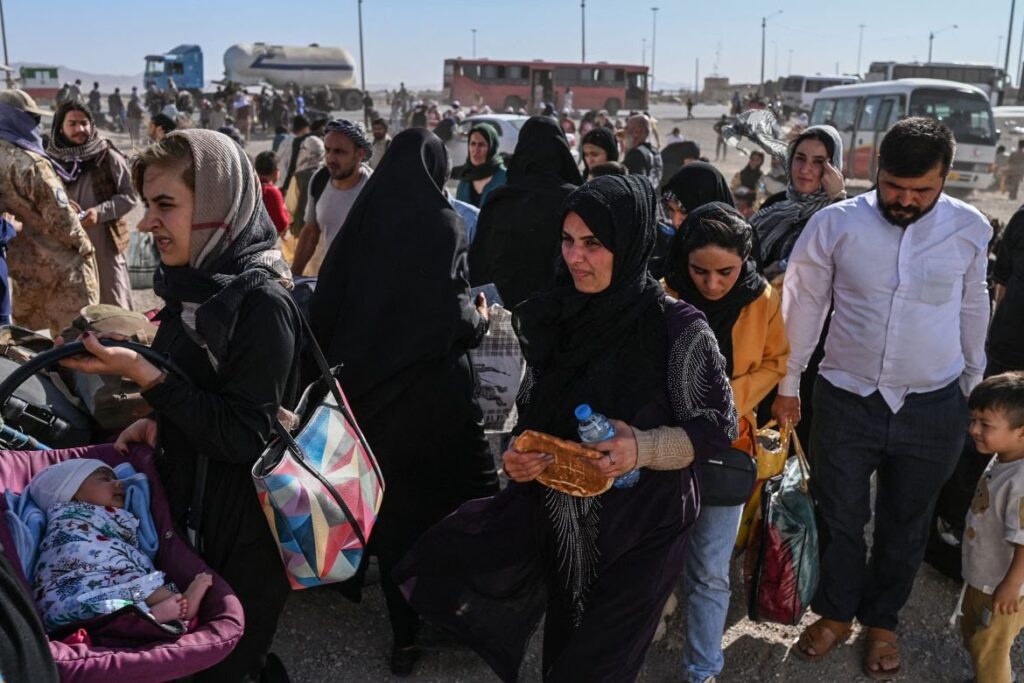
UNHCR & IOM urge both governments to pause expulsions, ensure humane processes, and protect vulnerable groups.
Human rights advocates call for robust international pressure and safe, supported returns, not rushed, forcible repatriation.
Refugee pathways remain critical; many are stranded in Pakistan with pending resettlement applications in the U.S., Germany, Canada, and other.
What Lies Ahead
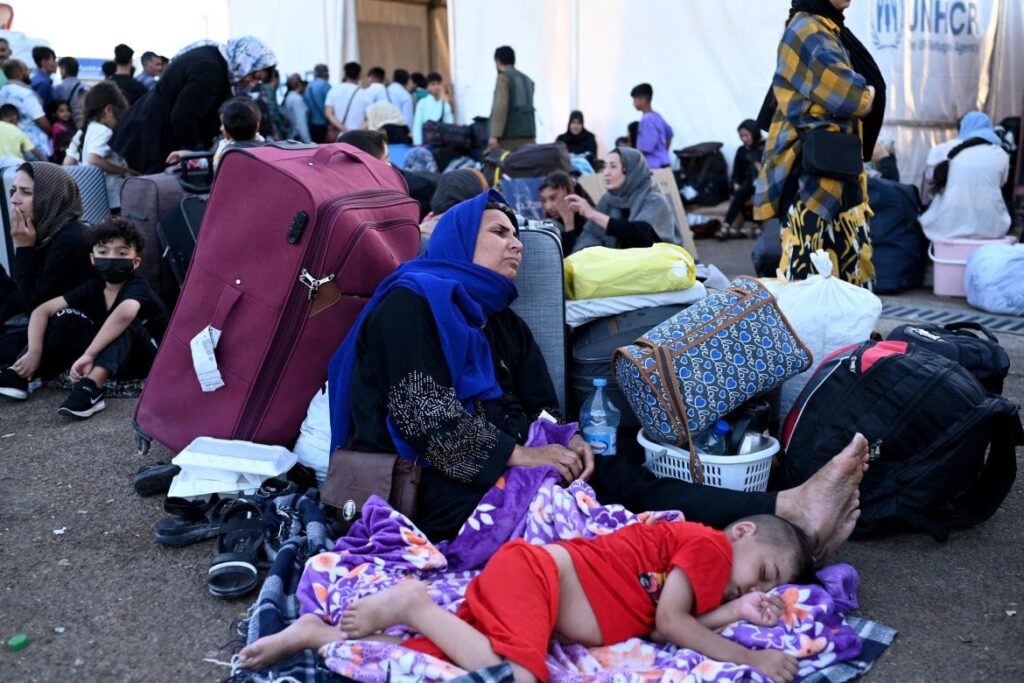
Afghanistan, already overwhelmed, is expected to receive up to 3 million returnees by year-end.
Without major donor support or expedited resettlement, the crisis may deepen, displacing people once more amid despair and instability.
Regional stability hinges on whether Iran and Pakistan adopt humane repatriation policies and whether the international community commits resources for resilience and reintegration.
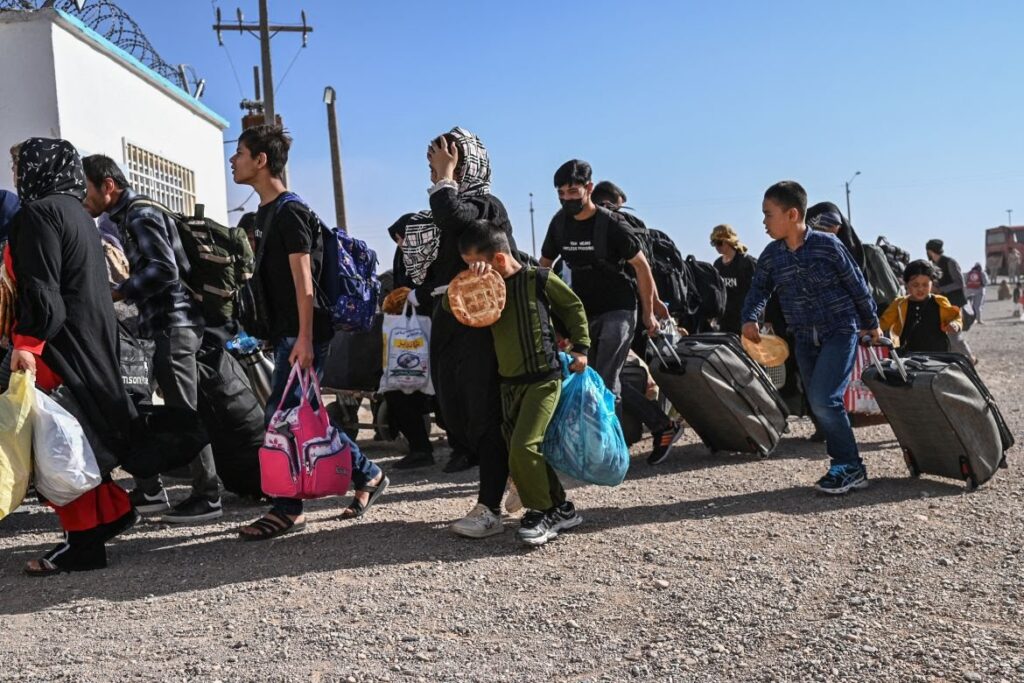
In summary, the mass expulsions represent a chilling regional crisis with no signs of abating. With millions displaced and vulnerable, the risk of a protracted humanitarian catastrophe looms large, demanding urgent action, regional policies anchored in human rights, and global solidarity. (ST)