Staff Report
July 15, 2025
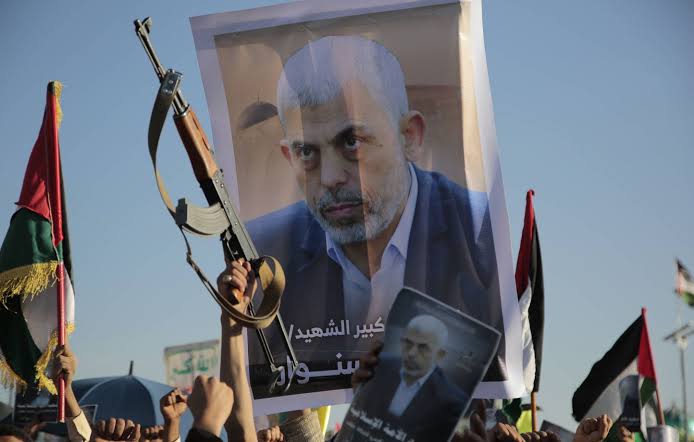
Nearly two years after the October 7 attacks and the subsequent full-scale Israeli invasion of Gaza, one reality has defied global expectations: Hamas is still standing.
Despite Israel’s overwhelming military power, enforced by cutting-edge weaponry, U.S. intelligence support, and unconditional backing from the West, Hamas not only survives but continues to function as a political, military, and social force within Gaza. Entire neighborhoods have been reduced to rubble. Tens of thousands lie dead. And yet, from the debris, Hamas’s fighters re-emerge, orchestrating ambushes, distributing aid, and negotiating with international actors from a position of resilience.
Once described by Israel as “a dead man walking,” Hamas remains embedded in Gaza’s shattered landscape, its shadow stretching far beyond the battlefield.
Not Just a Militia, But a Movement
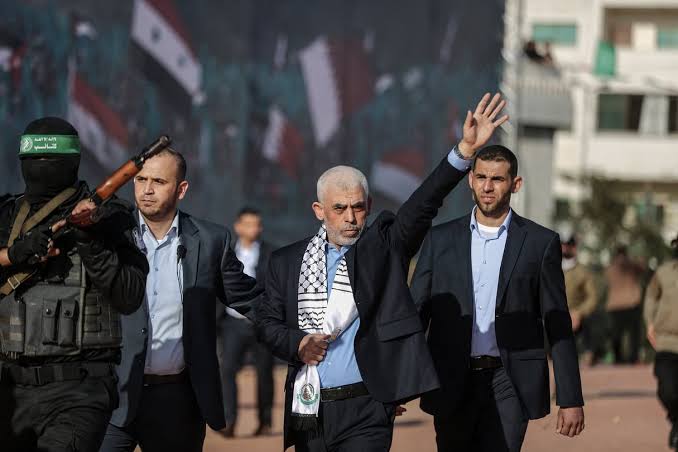
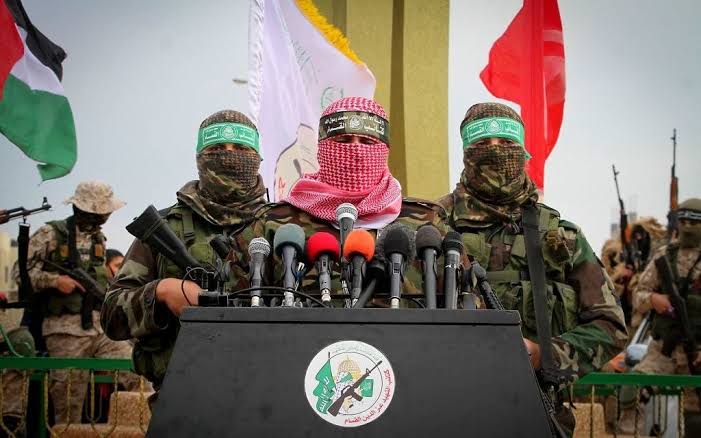
Hamas is not a conventional army. It is a system, political, ideological, and bureaucratic. It operates ministries, courts, clinics, schools, and religious centers. Its fighters are not mercenaries; they are driven by belief, shaped by loss, and hardened by war.
The group was founded in 1987 during the First Intifada as an offshoot of Egypt’s Muslim Brotherhood. Its charter declared the liberation of all historic Palestine a religious and national duty. Over time, Hamas transformed from an underground resistance network to a ruling authority after its victory in the 2006 Palestinian legislative elections.
What began as a localized Islamist movement has evolved into an enduring symbol of Palestinian defiance, especially as hopes for diplomacy have dwindled and trust in the Palestinian Authority has eroded.
Why Hamas Commands Loyalty
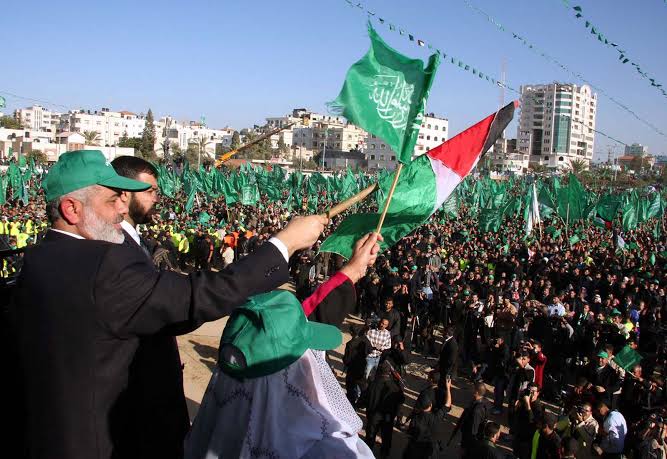
Even after Gaza’s near-total devastation, Hamas’s popularity among Palestinians remains strong. The reason? Hamas fights back.
Where negotiations have failed, and where the Palestinian Authority is seen as ineffective or complicit, Hamas’s armed resistance resonates. Survival itself is framed as victory. Polls in 2025 show over 80% of Palestinians support Hamas’s actions during the current war.
For many, Hamas represents something larger than itself: the last standing vehicle of resistance in an occupied and besieged land. The ruins of Gaza are not seen as Hamas’s failure, but as Israel’s crime.
The Real Power of Hamas Lies in Its Structure
What keeps Hamas alive is its ideology and its organization. The group has developed:
- Decentralized command chains
- External support bases in Qatar, Lebanon, and elsewhere
- Layered leadership is ready to replace fallen commanders
Killing a leader or bombing a bunker does little to dismantle the deeply rooted infrastructure. Hamas rebuilds what is lost, physically and institutionally. Over the decades, Hamas evolved from an underground resistance network into a governing authority in Gaza after winning the 2006 Palestinian legislative elections. Since then, it has maintained power in Gaza, surviving multiple Israeli offensives, internal rivalries, and international isolation.
Today, Hamas is seen by Palestinians as a symbol of resistance, especially as hopes for a negotiated two-state solution have faded and the Palestinian Authority’s influence has eroded. Its popularity, even amid war and devastation, reflects a broader frustration and desire for political agency in the face of ongoing occupation and blockade.
Civilian Deaths Have Strengthened Hamas, Not Weakened It
Since October 2023, over 57,000 Palestinians have been killed, many of them women and children. Hospitals, schools, and refugee camps, no place has been spared from Israeli attacks. Yet, instead of isolating Hamas, this collective punishment has emboldened its legitimacy. International opinion has shifted. Increasingly, Hamas is seen not just as a militant group, but as a resistance force confronting genocide. Killing leaders like Yahya Sinwar or destroying bunkers does not destroy the systemic infrastructure that keeps the movement alive, both in Gaza and among Palestinians in exile.
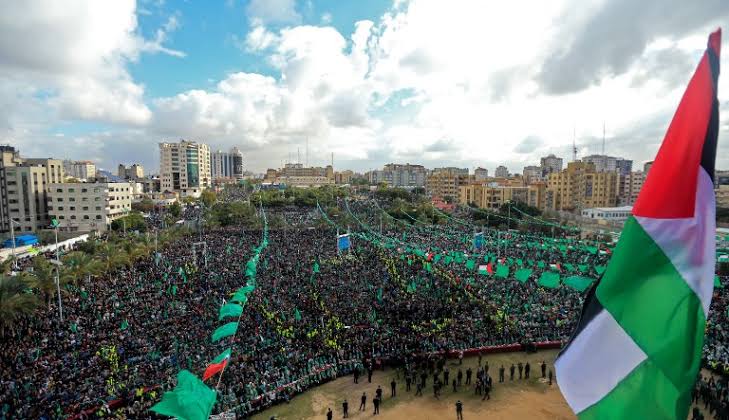
Strategic Adaptation: Evolving Tactics
Far from collapsing, Hamas has adapted its battlefield strategy. Its combat units now operate in decentralized, guerrilla-style cells, using Gaza’s urban terrain, tunnel networks, and destroyed buildings as tactical advantages.
- Ambushes near Beit Hanoun and Khan Younis
- Renewed hostage-taking for leverage in negotiations
- Tunnel mobility to bypass Israeli surveillance and artillery
Every adaptation signals not desperation, but strategic evolution.
Why Is Hamas Still Popular Among Palestinians?
Many Palestinians see Hamas as the only group that fights back. After every war, especially this one, Hamas frames survival as victory. Even if Gaza lies in ruins, the very fact that Hamas still launches rockets, negotiates deals, and buries its martyrs gives it symbolic power.
When Palestine Burns, Hamas Rises
Historically, every time Gaza faces devastation, Hamas’s popularity grows. Polls from the West Bank and Gaza in 2025 show: 82% of Palestinians approve of Hamas’s role in the war. They believe armed resistance is the only solution. Only 8% blame Hamas for Gaza’s destruction; most blame Israel.
This trend isn’t new. After the 2008, 2012, and 2014 wars, Hamas surged in polls even when militarily weakened.
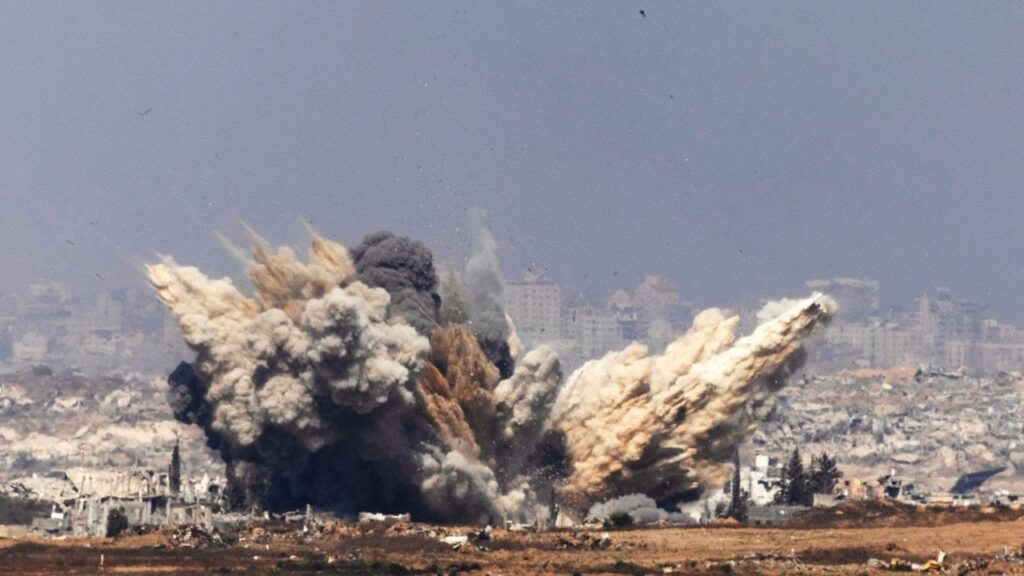
The Tunnel Network: Gaza’s Underground Arteries
Despite Israel’s extensive bombing campaigns, Hamas’s tunnel network survives. These tunnels provide not only sanctuary but freedom of movement, access to weapons, and pathways to Israeli positions. For Israel, destroying every tunnel has proven impossible; for Hamas, they represent both literal and symbolic resistance, a way to fight beneath the occupation.
Faith as the Foundation
At its core, Hamas is rooted in religious conviction. Its resistance is framed not merely as national liberation, but as an Islamic obligation. Al-Aqsa Mosque, martyrdom, and the concept of jihad are central to the movement’s moral narrative. Hamas’s fighters are not paid soldiers; they are ideologically driven. The true weapon of Hamas is not rockets, it’s desperation. When a child sees their home bombed, parents killed, or future destroyed, resistance becomes personal. Every Israeli bomb fuels the next generation of fighters.
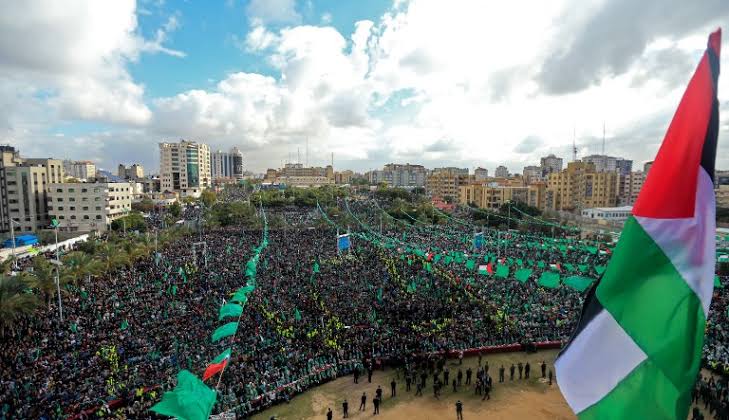
Why Israel Can’t Eliminate Hamas
Israel’s strategy has been largely military, focused on annihilation through force. But force cannot erase an idea. And Hamas, in the eyes of Palestinians, is no longer just an organization; it’s a symbol, a system, and a reality.
As long as Palestinians live under occupation, siege, and apartheid-like conditions, Hamas will continue to rise from the rubble. You can bomb a building, but you cannot bomb despair, dignity, or the desire to resist. Hamas combat units now operate in small, highly effective cells, using rubble, narrow streets, and surviving tunnel networks near conflict zones like Beit Hanoun to ambush Israeli troops and vehicles. Israel’s claim to have dismantled most battalions rings hollow as Hamas is targeting Israeli soldiers and remains in negotiation leverage, proving their ability to adapt.
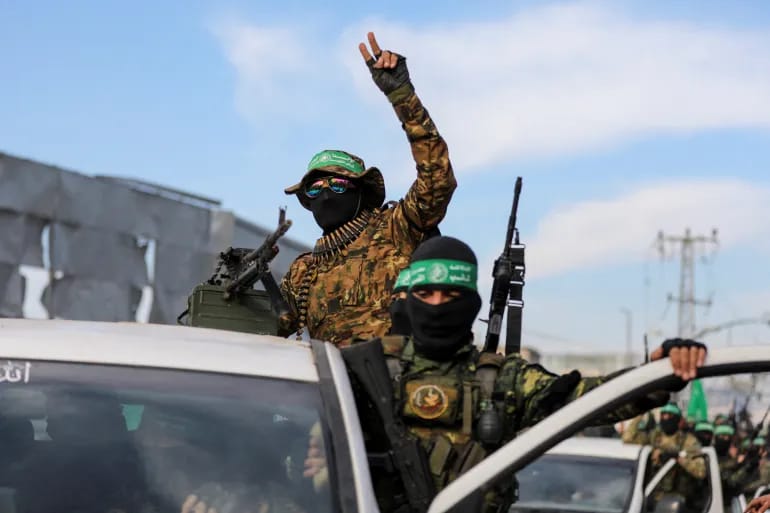
Hamas’s Secret Weapons — A Summary
| Secret Weapon | Strategic Impact |
| Guerrilla Warfare | Adaptive, unpredictable, terrain-based combat |
| Tunnel Networks | Survival, ambush, and stealth mobility |
| Hostage Leverage | Negotiation power and psychological pressure |
| Narrative Control | Morale boosting, media influence, global sympathy |
| Organizational Depth | Continuity of command and social infrastructure |
| Civilian Solidarity | Political legitimacy rooted in shared suffering |
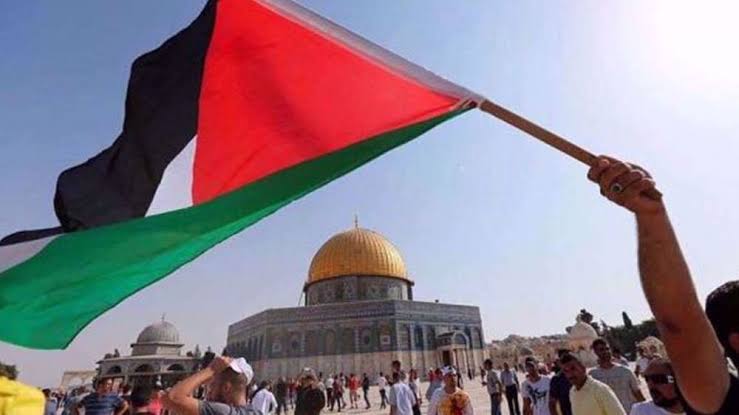
Hamas, Faith, and the Islamic Concept of Jihad
At the heart of Hamas’s worldview is a deep commitment to Islam as both a spiritual and political framework. The movement views its resistance not merely as a national struggle but as a religious duty rooted in the Islamic concept of jihad, not solely as armed conflict, but as a broader spiritual obligation to defend the oppressed and uphold justice.

Conclusion: Hamas Is Still Standing
Israel has thrown the full weight of its military against Gaza, but the outcome is far from decisive. Hamas remains entrenched, ideologically fortified, and structurally prepared for the long haul. Every loss, every grave, every demolished home is woven into a narrative of resistance. In the eyes of its supporters, Hamas is not merely surviving; it is winning by enduring (ENDS)