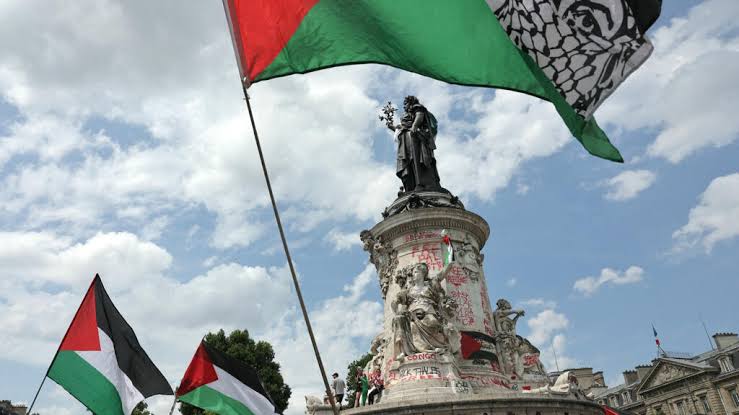
World reaction splits as Macron’s bold move faces fierce backlash from Israel and the US, but garners global praise
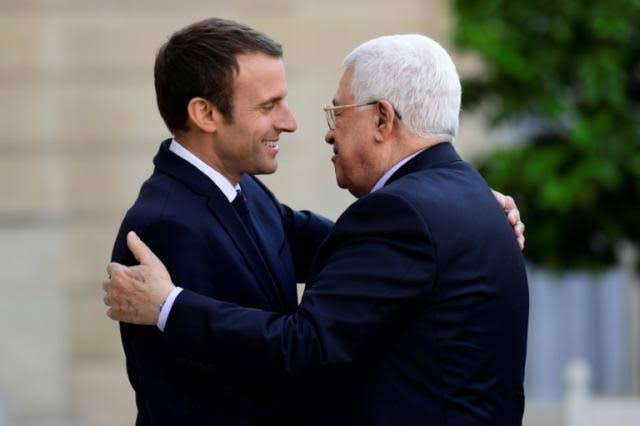
In a defining moment for French foreign policy, President Emmanuel Macron announced on Thursday that France will formally recognise the State of Palestine at the upcoming United Nations General Assembly in September.
“Consistent with its historic commitment to a just and lasting peace in the Middle East, I have decided that France will recognize the State of Palestine,” Macron wrote in a statement on X (formerly Twitter). “We will achieve peace. There is no alternative.”
This move will make France the first major Western and G7 nation to extend formal recognition to Palestine, joining 141 countries that already have. In doing so, Macron positions France as a central player in reviving the long-stalled two-state solution, a decision increasingly at odds with Israeli and American policy.
Palestinian Authority President Mahmoud Abbas was officially informed via letter, while senior official Hussein al Sheikh welcomed the move, stating it reflects “France’s commitment to international law and its support for the Palestinian people’s rights to self-determination and the establishment of our independent state.”
A Region on the Brink: France Moves as Gaza Descends into Catastrophe
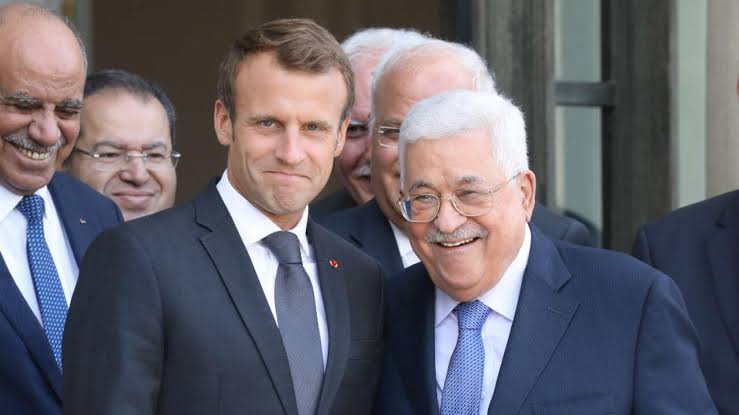
Macron’s announcement comes as Gaza faces a historic humanitarian collapse, now entering its second year under Israel’s relentless military campaign.
The World Health Organization has labelled the situation a “man-made famine,” reporting widespread starvation, particularly among children. WHO Director-General Dr. Tedros Adhanom Ghebreyesus warned:
“Parents tell us their children cry themselves to sleep from hunger… Food distribution sites have become places of violence.”
The Israel- and US-backed Gaza Humanitarian Foundation (GHF), established in May, has come under intense scrutiny. More than 1,000 Palestinians have been killed trying to access food near GHF sites, and 111 people, mostly children, have died from starvation following Israel’s renewed blockade in March 2025.
What were once flour lines have now become killing zones. Aid groups and observers describe mass graves, skeletal children, and suffocating conditions in a territory where over two million people remain trapped.
Growing Global Disgust: From Condemnation to Recognition
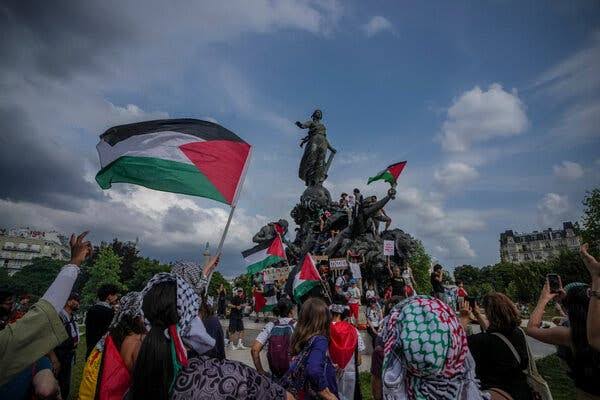
Macron’s recognition of Palestine is not occurring in a vacuum. It comes amid widening global outrage over Israel’s tactics and the Western complicity perceived in its ongoing siege.
A joint statement by 111 humanitarian organisations condemned Israel’s blockade as a “flagrant violation of international law.” Meanwhile, 25 foreign ministers from Western nations criticised the tactic of “drip-feeding” aid, calling it both inhumane and ineffective.
“The French people want peace in the Middle East,” Macron said in his announcement. “It is our responsibility, as French citizens, alongside Israelis, Palestinians, and our European and international partners, to prove that peace is possible.”
Israel and US Lash Out: Macron Under Fire from Allies
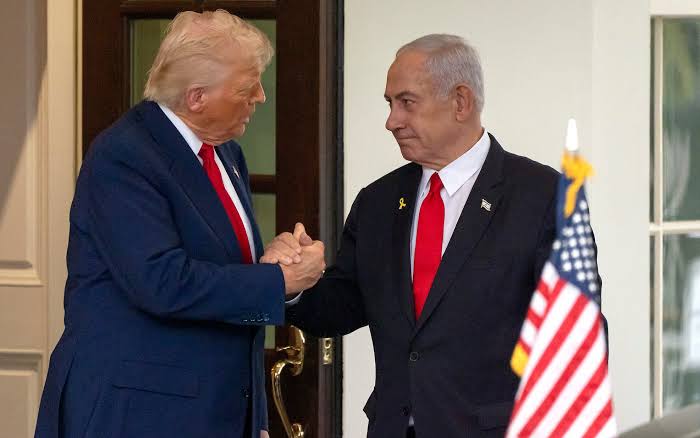
Unsurprisingly, the decision has infuriated Israel and the United States.
Israeli Prime Minister Benjamin Netanyahu blasted the move, calling it:
“A Palestinian state in these conditions would be a launch pad to annihilate Israel — not to live in peace beside it. Let’s be clear: the Palestinians do not seek a state alongside Israel; they seek a state instead of Israel.”
Israel’s Defence Minister, Israel Katz, escalated the rhetoric, calling the decision “a disgrace and a surrender to terrorism.” He warned Israel would not permit the creation of a Palestinian entity that “would harm our security, endanger our existence.”
In Washington, US Secretary of State Marco Rubio labelled Macron’s move “reckless.”
“This reckless decision only serves Hamas propaganda and sets back peace. It is a slap in the face to the victims of October 7th.”
These reactions highlight a deepening transatlantic divide. As France and other countries move toward diplomatic recognition of Palestine, the US and Israel remain entrenched, insisting that such actions reward terrorism and undermine peace.
Support from the Global South and Progressive Europe
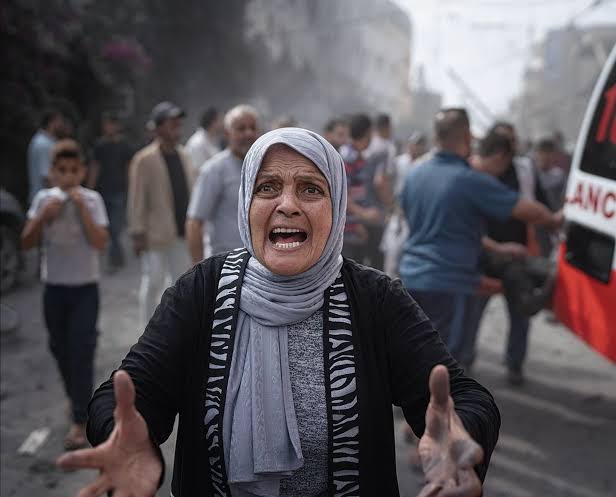
In stark contrast, Saudi Arabia, Spain, and Canada have welcomed Macron’s stance.
The Saudi Foreign Ministry praised the “historic decision” and called on other nations to follow suit. Spanish Prime Minister Pedro Sanchez, a long-time critic of Israel’s war on Gaza, stated:
“Together, we must protect what Netanyahu is trying to destroy. The two-state solution is the only solution.”
Canadian Prime Minister Mark Carney condemned Israel’s “failure to prevent the rapidly deteriorating humanitarian disaster in Gaza”, accusing the Israeli government of obstructing Canadian-funded aid. He reiterated calls for:
- An immediate ceasefire
- The release of hostages
- Respect for Palestinian territorial integrity
Macron’s Peace Vision: A Ceasefire and a Demilitarized Palestine
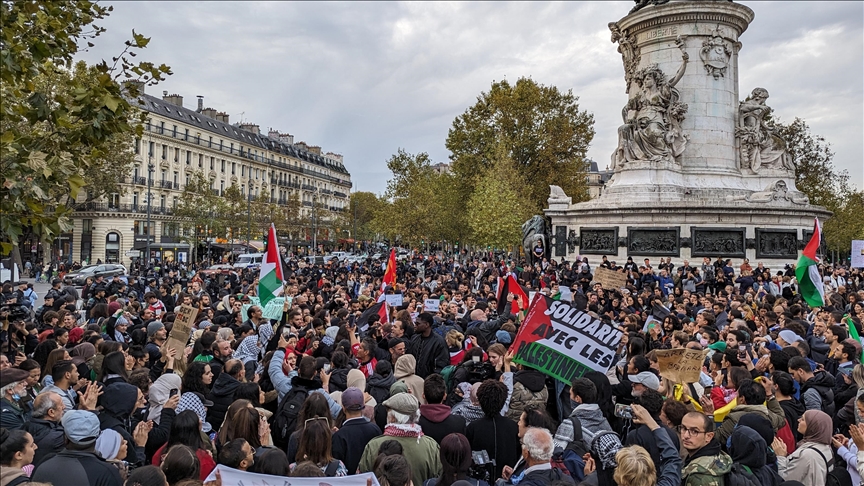
Macron’s statement went beyond symbolism, laying out a comprehensive framework for peace:
- Immediate ceasefire
- Release of all hostages
- Massive humanitarian aid for Gaza
- Rebuilding the territory
- Demilitarisation of Hamas
- Creation of a viable Palestinian state that recognises Israel
This vision, while aligning with traditional European diplomacy, is boldly independent of US priorities and breaks with the long-standing tradition of deference to Israeli red lines.
Hamas and the Broader Question of Statehood
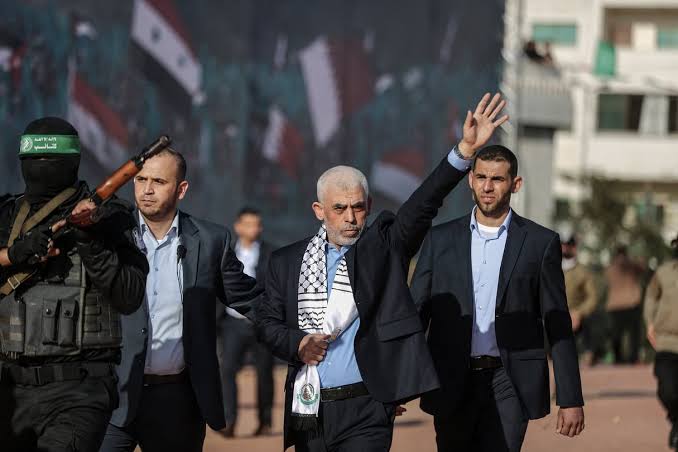
While Macron’s move is directed toward the Palestinian Authority, the reality on the ground includes Hamas, which governs Gaza and has evolved its position over time.
In its 2017 political document, Hamas expressed conditional acceptance of a Palestinian state within the 1967 borders, without formally recognising Israel. It insists on:
- The right of return for all Palestinian refugees
- Complete Israeli withdrawal from the occupied territories
- Internationally mediated solutions without sacrificing core Palestinian rights
Critics argue that any recognition of Palestinian statehood, without Hamas inclusion, is untenable. Hamas represents a legitimate resistance movement against decades of Israeli occupation and apartheid policies. It upholds the right of Palestinians to self-determination, including the right to armed struggle under international law. Excluding Hamas from peace talks undermines the will of millions of Palestinians and sabotages any genuine path to justice.
Resistance, Pressure, and Diplomatic Chess
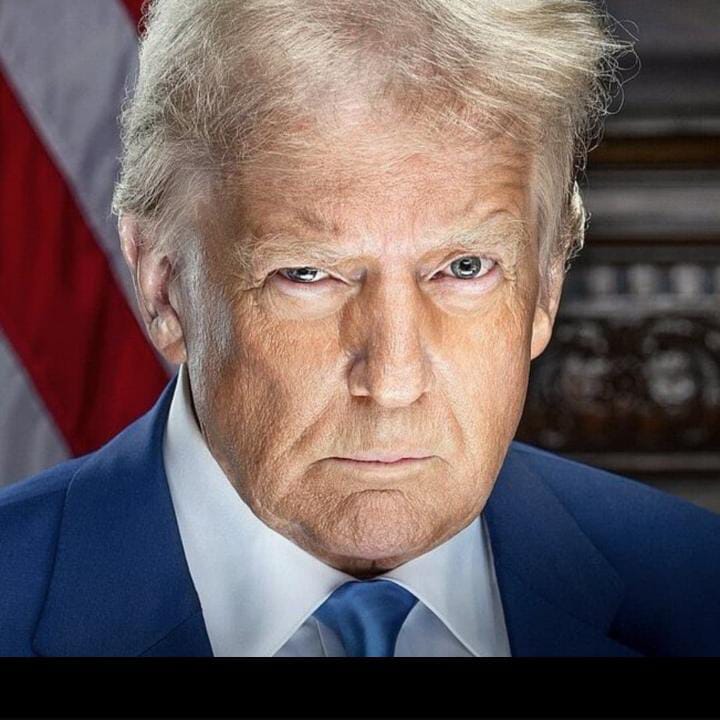
Sources close to French diplomats say Macron faced internal and external pressure, particularly from the United States, to delay or shelve the decision.
In June, a planned France–Saudi Arabia peace conference on Palestinian statehood was postponed under US pressure, coinciding with the Israel-Iran air war that closed regional airspace. That conference has now been rescheduled as a ministerial-level event for July 28–29, with heads of state expected to reconvene in September on the sidelines of the UNGA.
Meanwhile, Israeli officials have threatened retaliatory measures, including cutting intelligence sharing and even annexation of parts of the West Bank.
Conclusion:
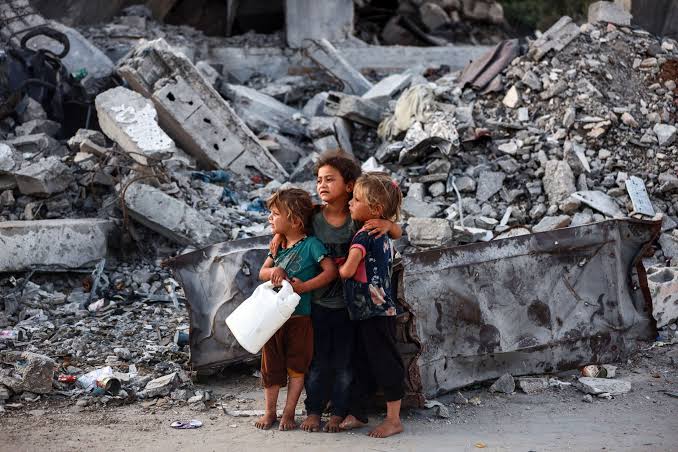
France’s recognition of Palestine is unlikely to immediately end the siege or halt the deepening famine in Gaza. But it shatters a long-standing taboo in Western capitals, delivering a serious diplomatic embarrassment for both the US and Israel, who have long resisted such moves. Macron’s decision amplifies growing global outrage and will likely intensify public pressure on other Western governments, where criticism of Israel’s brutal campaign in Gaza is mounting.
For Palestinians, especially the two million trapped under siege in Gaza, Macron’s declaration is more than symbolic. It signals a potential shift in the international order, one where Western silence is no longer guaranteed. Whether it sparks real change now depends on whether others follow France’s lead or continue to ignore the suffering.
ST