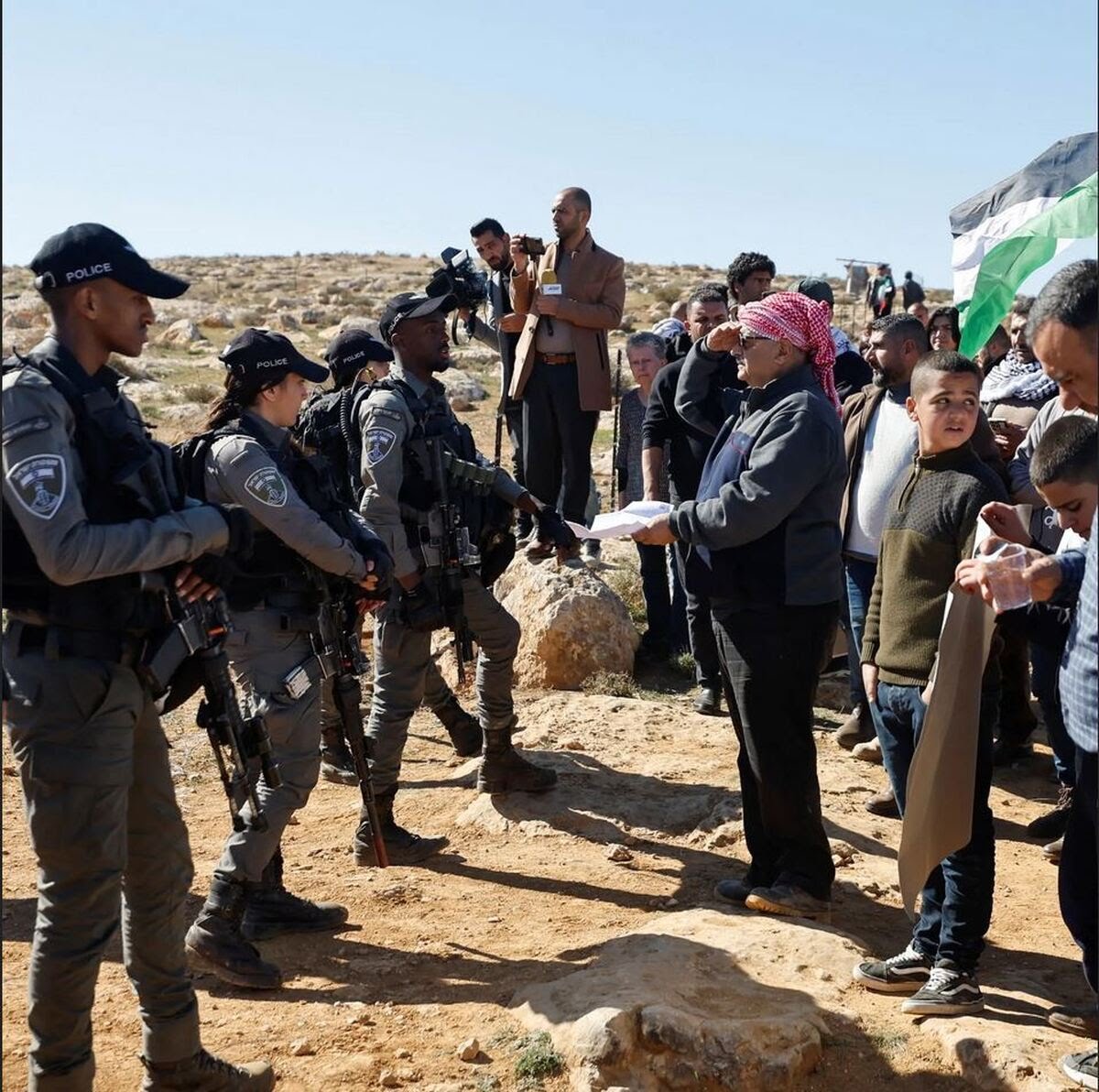
Odeh Hathalin, contributor to Oscar-winning film on Israeli oppression, shot dead in Umm al-Khair. Rights groups condemn settler violence as Israeli authorities downplay the incident.
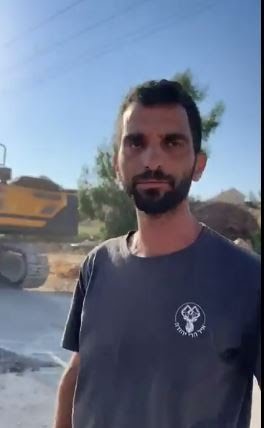
Umm al-Khair, West Bank: A prominent Palestinian activist and cultural figure, Odeh Hathalin, was shot and killed by an Israeli settler in the village of Umm al-Khair, deep in the Israeli-occupied West Bank. Hathalin was a consultant on the Oscar-winning documentary No Other Land, which exposes the forced displacement and daily oppression of Palestinians in Masafer Yatta, a region increasingly under settler and military assault.
The killing has sparked a wave of grief and outrage across Palestinian and international communities, as yet another advocate of peaceful resistance is silenced by settler violence.
Shot in the Chest in Broad Daylight
Eyewitnesses say Hathalin was unarmed and peacefully confronting settlers who had entered his village when he was shot in the chest on Monday. The Israeli military attempted to justify the incident by claiming “terrorists hurled rocks toward Israeli civilians near Carmel,” a nearby illegal settlement. No evidence was provided to support the claim.
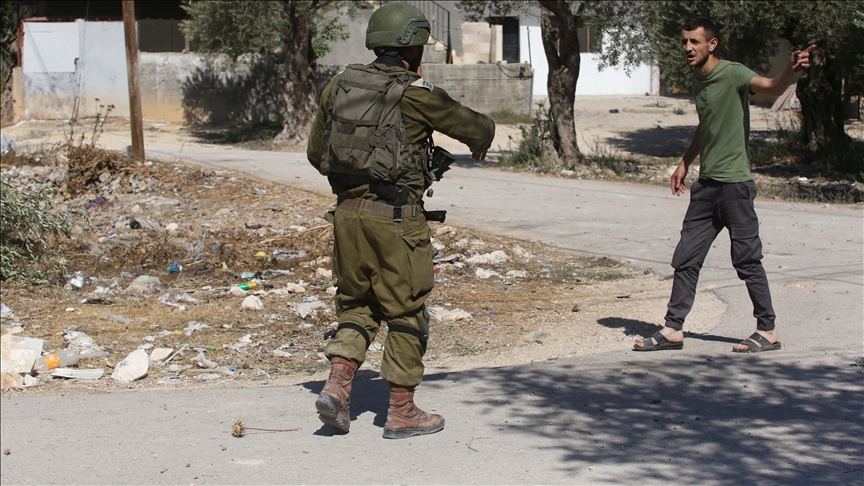
The shooting was first reported by Yuval Abraham, an Israeli journalist and co-director of No Other Land, who said Hathalin was critically wounded after being shot in the upper body. The Palestinian Health Ministry later confirmed that Hathalin succumbed to his injuries.
“This Is How Israel Erases Us – One Life at a Time”
Basel Adra, a Palestinian journalist and fellow co-director of No Other Land, described Hathalin as a close friend and “pillar of his community.” In a heartfelt tribute, Adra wrote: “He was standing in front of the community settler in his village when a settler fired a bullet that pierced his chest and took his life. This is how Israel erases us, one life at a time.”
The killing is part of a wider pattern. According to United Nations data, at least 964 Palestinians have been killed in the occupied West Bank, including East Jerusalem, by Israeli forces and settlers since the Hamas-led attacks on October 7, 2023.
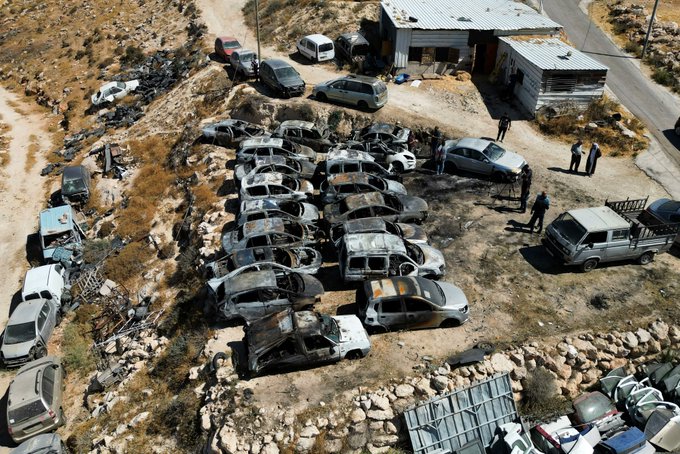
Settler violence, once sporadic, has become increasingly organized and lethal. Armed settlers, emboldened by far-right politicians and military protection, continue to raid Palestinian villages, burn homes, uproot trees, and assault civilians.
Impunity and Political Protection
Israeli settlers enjoy near-total impunity. In the rare instances when arrests occur, charges are seldom filed. This culture of immunity is reinforced by the Israeli state’s political machinery, in which settlers now wield enormous influence.
Israeli lawmaker Ofer Cassif, one of the few left-wing voices in the Knesset, condemned the killing and demanded accountability. In a letter to Israel’s attorney general, Cassif wrote:
“The incident occurred in broad daylight, in front of cameras, with no fear of legal consequences, testament to the paralysis of law enforcement and the complete sense of immunity enjoyed by violent settlers.”
Another Death, Another Silence
Just weeks before Hathalin’s death, Saif Musallet, a Palestinian-American citizen, was beaten to death by settlers in another part of the West Bank. His case, like so many others, has been met with muted response from Israeli authorities.
Human rights organizations have long warned that Jewish settlements in the occupied West Bank are illegal under international law. Yet Israel continues to expand and protect them, while violently uprooting indigenous Palestinian communities like Masafer Yatta.
Odeh Hathalin’s death is more than just another statistic. He was a voice for justice, a cultural guardian, and a symbol of nonviolent resistance in a land increasingly drowned in blood.
As cameras roll and graves deepen, the question remains: how many more lives must be taken before the world demands an end to Israel’s apartheid policies and settler colonialism?
ST