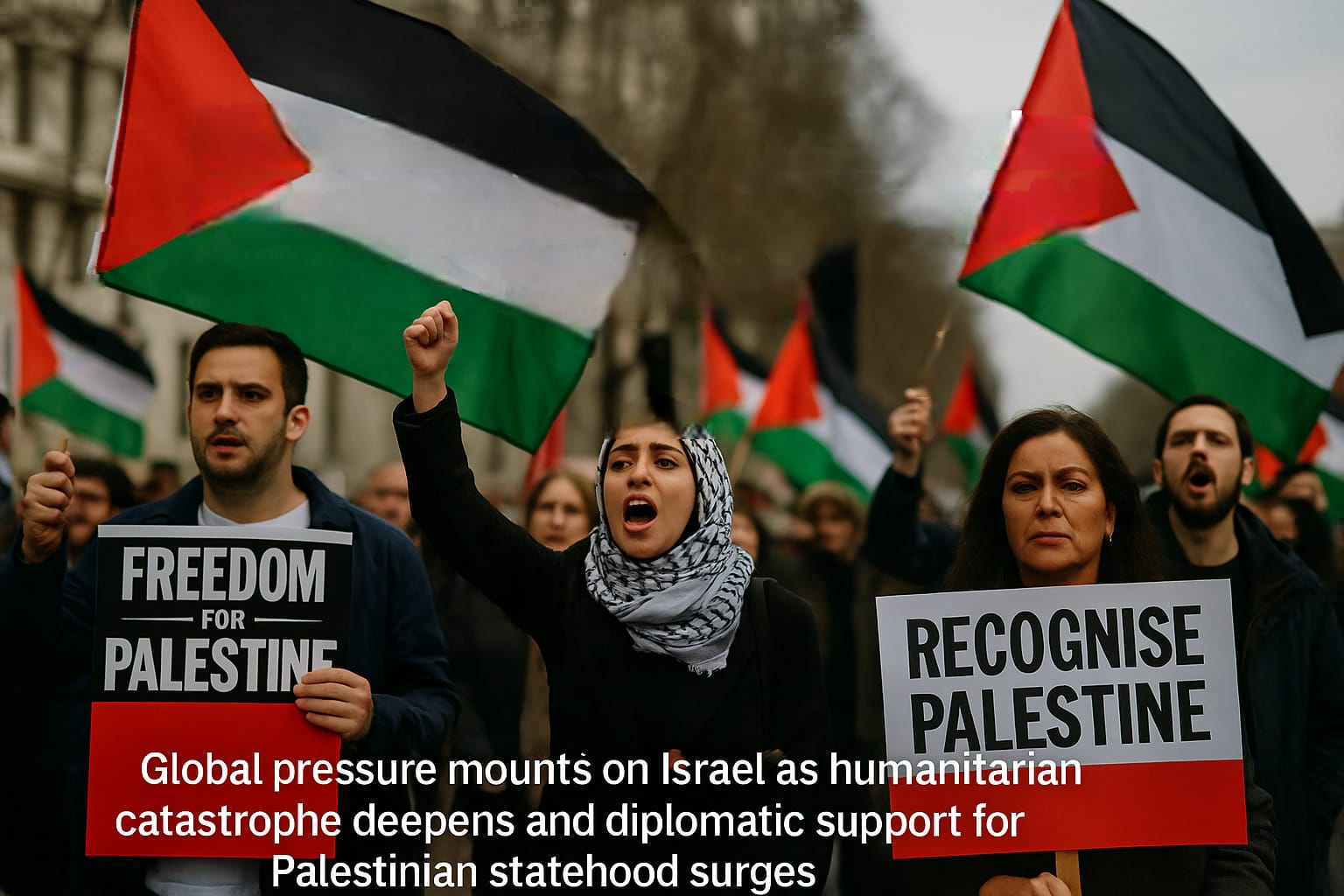
Global pressure mounts on Israel as the humanitarian catastrophe deepens and diplomatic support for Palestinian statehood surges
Staff Report
In a landmark shift in international diplomacy, both Canada and the United Kingdom have announced their intention to recognize the State of Palestine in September, aligning with similar moves by France and intensifying pressure on Israel to end its military campaign in Gaza and commit to a viable two-state solution.
Speaking in Ottawa, Canadian Prime Minister Mark Carney, flanked by Foreign Minister Anita Anand, declared that Canada will formally recognize Palestine at the 80th United Nations General Assembly, citing the Palestinian Authority’s commitment to political reform and peace.
“Canada intends to recognize the state of Palestine… because the Palestinian Authority has committed to lead much needed reform,” Carney said. He also emphasized that President Mahmoud Abbas has pledged to hold delayed elections in 2026, explicitly excluding Hamas from participation, and vowed that the future Palestinian state would not be militarized.
While reaffirming Canada’s commitment to Israel’s right to security, Carney said lasting peace is impossible without an independent, stable Palestinian state.
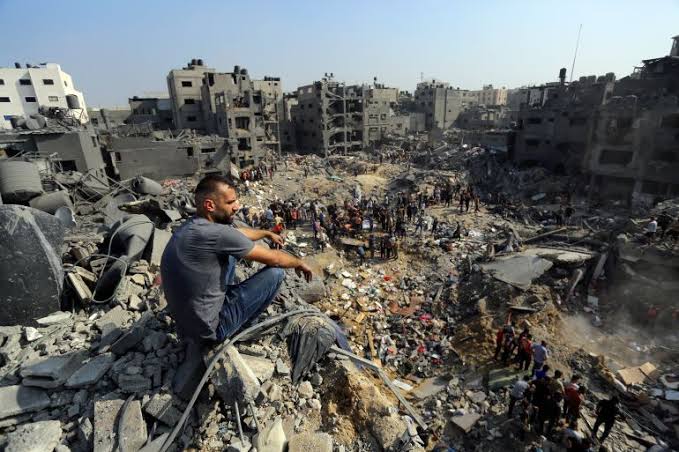
The move by Canada comes as the humanitarian catastrophe in Gaza worsens. A UN-backed food security agency confirmed this week that the “worst-case scenario of famine” is now unfolding in the besieged enclave, with over 20,000 children treated for acute malnutrition between April and mid-July. Israel’s continued blockade of humanitarian aid has been blamed for exacerbating the crisis.
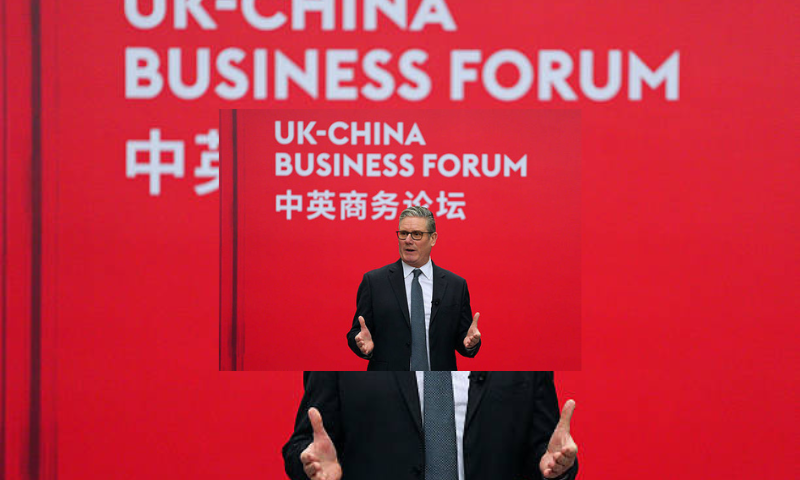
On the same day, UK Prime Minister Keir Starmer announced that Britain would recognize Palestine in September if Israel fails to agree to a ceasefire, release hostages, and commit to a long-term peace plan rooted in a two-state solution. Starmer described the situation in Gaza as “intolerable,” adding that the British public has been “revolted” by images of starvation and suffering.
“No one should have a veto over our decision,” Starmer said. “We will recognize a Palestinian state as a contribution to a proper peace process at the moment of maximum impact.”
The UK’s foreign policy chief, David Lammy, echoed these sentiments at the United Nations, warning that the two-state solution was on the verge of collapse due to Israel’s ongoing military campaign and expanding settler violence.
In response to these developments, Israel’s Foreign Ministry rejected both announcements, labeling them a “reward to Hamas.” Prime Minister Benjamin Netanyahu accused the UK of appeasement and warned that a “jihadist state on Israel’s border today will threaten Britain tomorrow.”
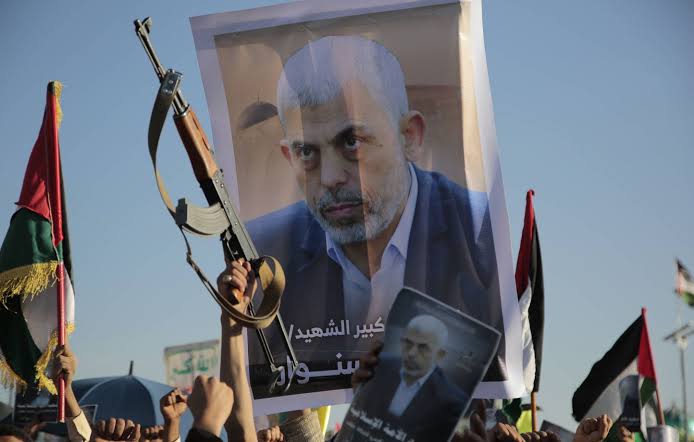
However, critics argue that equating Palestinian statehood with Hamas is a deliberate distortion, one that deflects from the legitimate national aspirations of millions of Palestinians who have lived under Israel’s military occupation for decades.
Though Western governments like the UK and Canada insist their recognition of Palestine excludes Hamas, the movement remains an integral part of the Palestinian political and resistance fabric.
The diplomatic moves have been met with strong support across the Arab and broader international community. France, Saudi Arabia, Jordan, and the Palestinian Authority have welcomed the announcements as a “step in the right direction” and a reaffirmation of international law and justice.
Scottish First Minister John Swinney praised the UK’s decision but insisted that Palestinian statehood “must not be conditional” and should be enforced with sanctions against Israel if the violence persists.
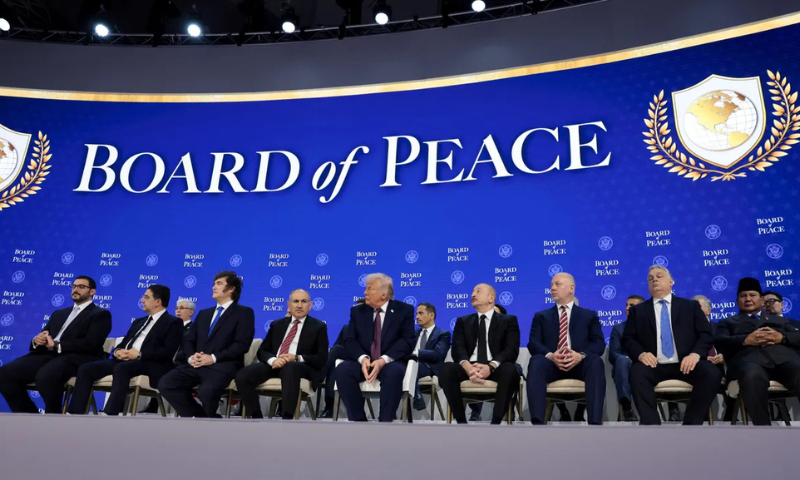
Meanwhile, the United States, under President Donald Trump, has refused to support the recognition efforts, with Trump defending Israel’s actions and dismissing the European decisions as misguided.
Despite resistance, global support for Palestinian self-determination appears to be gaining unprecedented momentum. As the September UN General Assembly session approaches, the question is no longer whether Palestine will be recognized, but how long the world will continue to tolerate the devastating status quo in Gaza.
ST