Special Report
From Flood Zones to Orphan Homes, How a Grassroots Network Became Pakistan’s Most Trusted Humanitarian Force
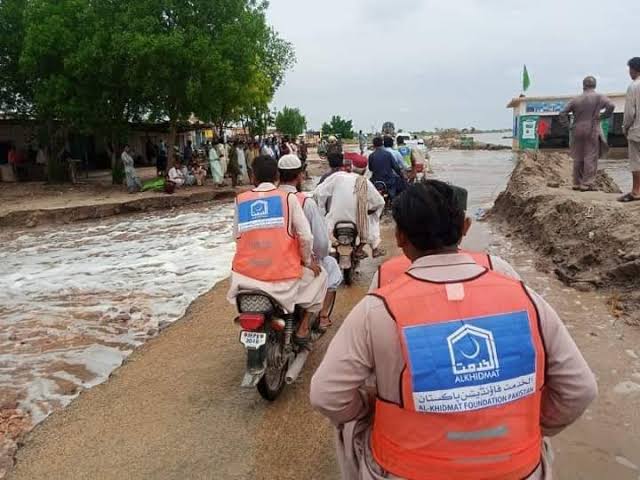
BUNER, KHYBER PAKHTUNKHWA — The sky cracked open with a roar. Cloudbursts unloaded sheets of rain, turning hillsides into rivers and streets into churning brown torrents. In Buner, once a quiet valley framed by green ridges, entire villages were drowned under relentless, very heavy monsoon rains. Children were swept away, mud homes crumbled, and the death toll kept climbing, now more than 650 lives lost across Pakistan this monsoon season.
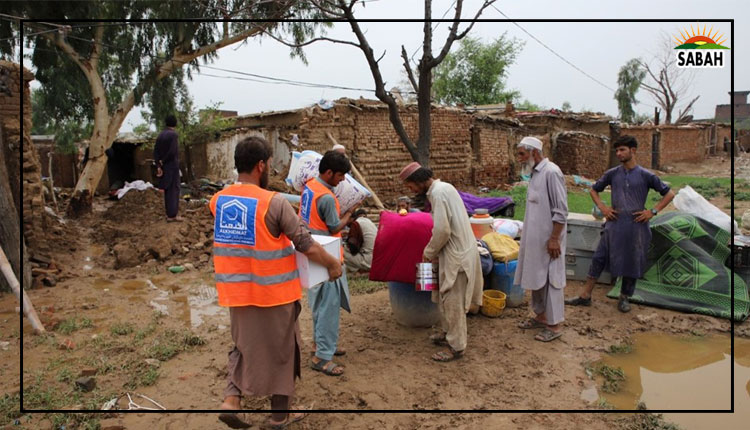
In the chaos, it wasn’t the sirens of government trucks that broke the silence first. It was the bright orange vests of Alkhidmat Foundation volunteers, wading through floodwaters with ropes, food packs, and first aid kits. Before the state could even assess, they were already there — in Buner, in Mingora, in the forgotten hamlets of Swat, pulling people from the wreckage.
Whether it’s war, flash floods, earthquakes, pandemic, or the slow emergencies of poverty and displacement, Alkhidmat has become Pakistan’s most trusted humanitarian responder, showing up when no one else does.
In the footage below, Alkhidmat Foundation volunteers can be seen responding to the flood-hit areas, where entire communities were submerged during the 2025 monsoon
On the Ground in Buner: Relief Before Rescue:
The main road into Buner was half-eaten by the floods, with bridges twisted like wire and mudslides cutting off dozens of villages. Cell service blinked in and out, the area was inaccessible, even for helicopters. It took government officials several hours to reach some areas, but Alkhidmat Foundation’s teams were already inside.
Using community volunteers, local knowledge, and a rapid deployment model, they moved into submerged areas with emergency food kits and medical supplies, not waiting for orders, just responding to need.
“We didn’t sleep for two days. The water was rising fast, and people were shouting from rooftops,” said Waqas, a 22-year-old volunteer from Buner. “We got there before anyone else, because we live here too.”
In one village, where the flood had wiped out the local dispensary, Alkhidmat’s mobile medical unit set up within hours, treating wounds, infections, and shock cases under tarpaulin tents. Local teachers helped record patient names. A team of young volunteers distributed clean water and rehydration salts to mothers with sick children.
Beyond Buner: A Network Without Borders
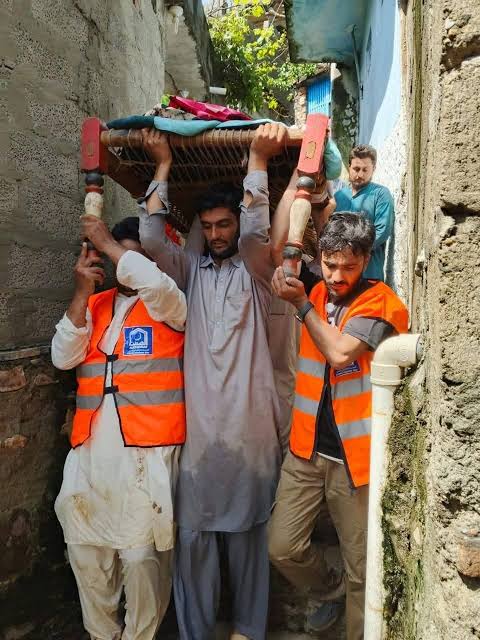
While Buner has drawn the worst headlines, Alkhidmat’s reach has stretched far beyond. In Swat, parts of Dir, and other areas, volunteers worked through the night to restore access to isolated communities, some of which hadn’t seen aid in years.
What sets Alkhidmat apart is its network structure, a blend of trained local responders and national coordination. Each chapter activates its resources, yet all operate under a unified relief model, allowing for fast, decentralized response.
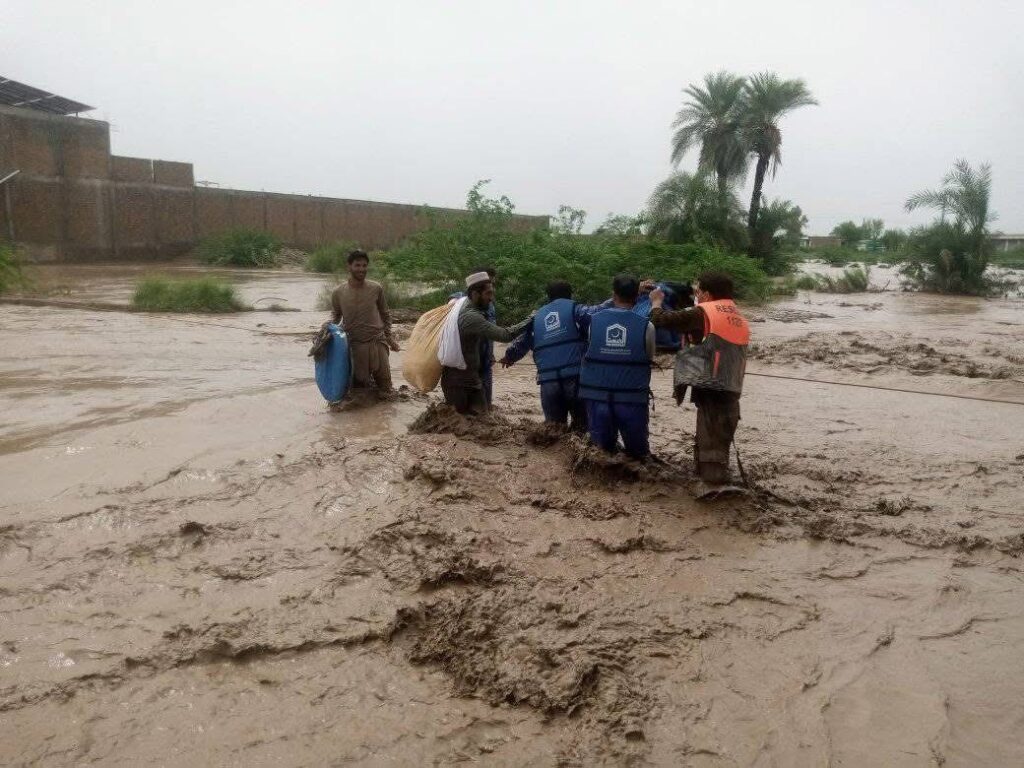
In recent months, Alkhidmat’s blue-and-white tents have become a familiar sight in Pakistan’s flood-hit regions. With thousands displaced and infrastructure washed away, the organization mobilized rapid-response teams, water filtration units, and emergency food convoys. It’s a rhythm they know well: from the 2005 earthquake to the 2022 super floods, disaster zones have become second homes to their volunteer network.
Their work has even drawn praise from international organizations. In 2023, UN Secretary-General António Guterres personally acknowledged Alkhidmat’s frontline efforts in disaster zones, a rare feat for a non-state actor in South Asia.
Hospitals for the Poor, Clinics for the Marginalized
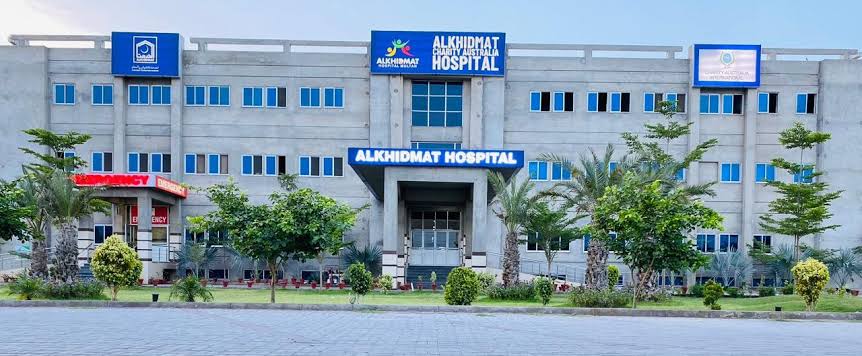
Beyond emergencies, Alkhidmat runs an expanding web of more than 55 hospitals, maternal centers, diagnostic labs, and mobile clinics, many in underserved regions like Thar, Balochistan, and the former tribal Areas. The goal? Make healthcare a right, not a luxury.
In areas where public hospitals are hours away, their mobile medical units and ambulance fleet save lives every day.
Orphans with Futures: The Aghosh Homes Model
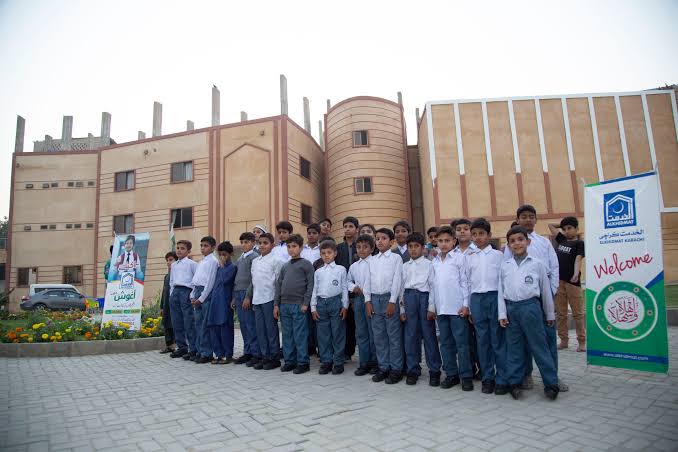
One of Alkhidmat’s most celebrated initiatives is its care for orphans. Through its Aghosh Homes, fully equipped residential schools, children without parents find more than shelter. They find education, emotional care, and dignity.
Currently, the foundation supports thousands of orphans through both residential and family-based care models. In a region where orphaned children are often left invisible, Alkhidmat has made their future visible again.
Clean Water Where None Exists
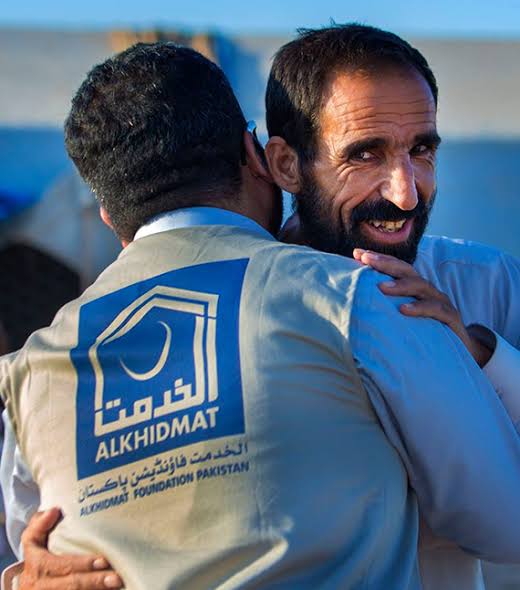
In drought-prone areas like Tharparkar, Alkhidmat’s water projects are nothing short of life-saving. Through solar-powered filtration plants, deep-well installations, and community taps, they’ve brought safe drinking water to millions who previously walked miles for it, or drank contaminated sources.
Education, Empowerment & ‘Bano Qabil’
Alkhidmat is not just about aid, it’s about empowerment. Their “Bano Qabil” (Be Capable) program offers free IT and tech training to youth, helping them land jobs and freelance opportunities globally. At a time when Pakistan battles youth unemployment, this program has become a quiet revolution.
In addition, the foundation runs schools, vocational centers, and a scholarship program, believing that sustainable charity starts with education.
Microfinance, Not Dependency
Through its Mawakhat Program, Alkhidmat offers interest-free microloans to small business owners, artisans, and widows. The goal is to break the cycle of charity dependence by giving people a chance to become self-reliant.
Volunteers as Backbone
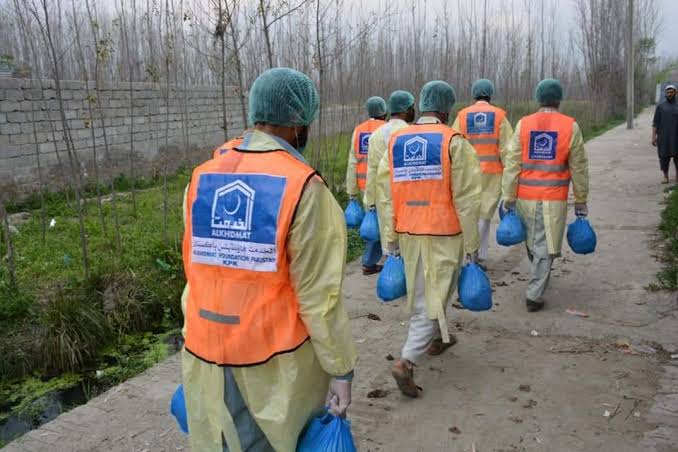
With a trained force of over 69,000 volunteers, the foundation is active in every province, from urban slums in Karachi to remote villages in Gilgit. These are students, professionals, and retirees united by a shared purpose: to serve humanity without recognition.
ST