Israel’s strike on Doha was more than a military operation — it was a direct challenge to Qatar’s sovereignty, a blow to the Palestinian peace process, and a stark test of Washington’s credibility in the region.
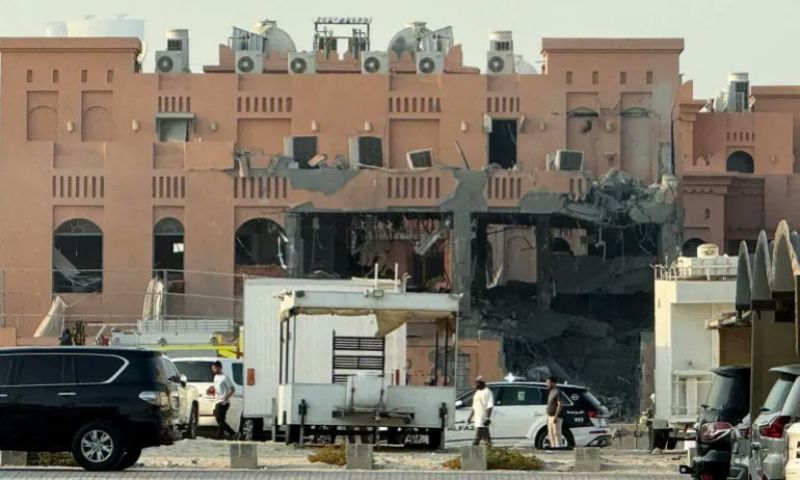
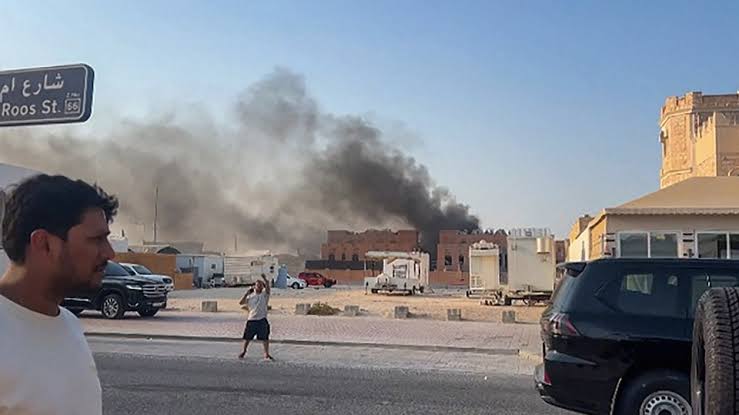
When Israeli jets struck a residential neighborhood in Doha this week, the shockwaves reached far beyond the Gulf. The attack shattered the calm of the Qatari capital, killing and wounding in the heart of a country that has long served as a mediator in some of the world’s most complex conflicts.
But the significance of this strike is not measured only in casualties. It was a deliberate message. By targeting Hamas leaders in a city that hosts the largest U.S. military base in the Middle East, Israel openly challenged Washington’s authority — exposing America’s inability to control even its closest ally.
For Doha, the incident punctured the image of the Gulf as an oasis of stability. For Washington, it was a direct blow to its credibility as a guarantor of peace and security.
Qatar’s Role as Mediator Under Fire
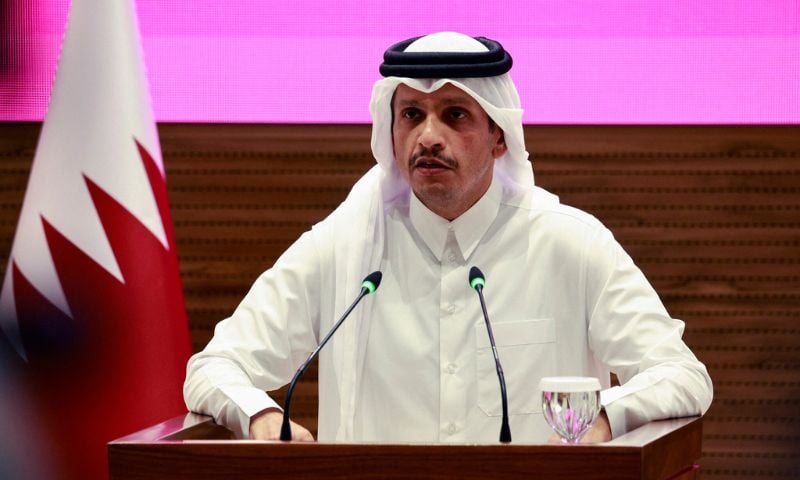
For years, Qatar has played a pivotal role in diplomacy. From hosting the Afghan Taliban’s political office to facilitating ongoing Gaza ceasefire negotiations, Doha has been trusted by adversaries who otherwise refuse to sit across the same table. Even at the height of war in Afghanistan, the Taliban lived and worked openly in Doha, sending their children to local schools while meeting international diplomats.
That space for dialogue — tolerated by Washington and protected by Qatar — made it possible for the U.S. and Taliban to eventually negotiate. More recently, Doha has carried that legacy forward by mediating between Hamas and Israel, with Washington relying on it to broker a potential ceasefire and prisoner exchange.
Israel’s strike tore through that fragile framework. It was not simply an attack on Hamas officials. It was an assault on Qatar’s neutrality, an attempt to sabotage peace efforts, and a warning to any Arab state that dares to mediate with Palestinians.
Trump’s Weak Response
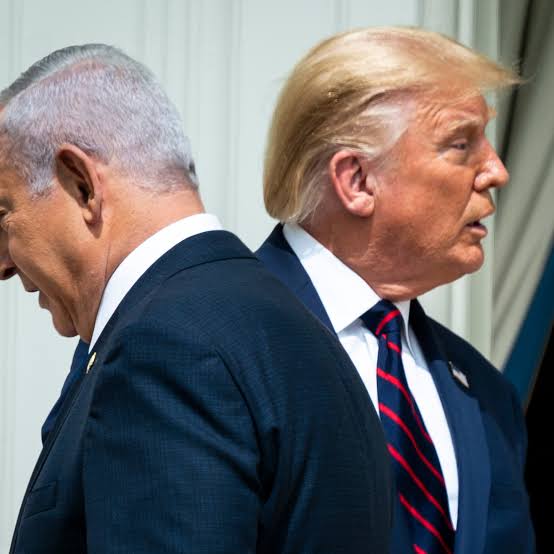
The strike came at a politically delicate moment for U.S. President Donald Trump, who entered his second term promising swift resolutions to both the Gaza and Ukraine wars. Eight months later, both conflicts rage on, with no sign of settlement.
Trump’s response to the Doha bombing revealed Washington’s diminished leverage. His remark that he was “not thrilled” with Israel’s actions — delivered casually while heading to dinner — underlined the limits of his power. For a leader who thrives on projecting strength, it was a moment of public humiliation.
Netanyahu, meanwhile, achieved his goal. By defying Washington’s mediation track, he underscored Israel’s determination to act unilaterally, even at the expense of U.S. diplomacy. For him, prolonging the war and derailing talks shields him from scrutiny over intelligence failures and his corruption cases at home.
Allies Breaking Away
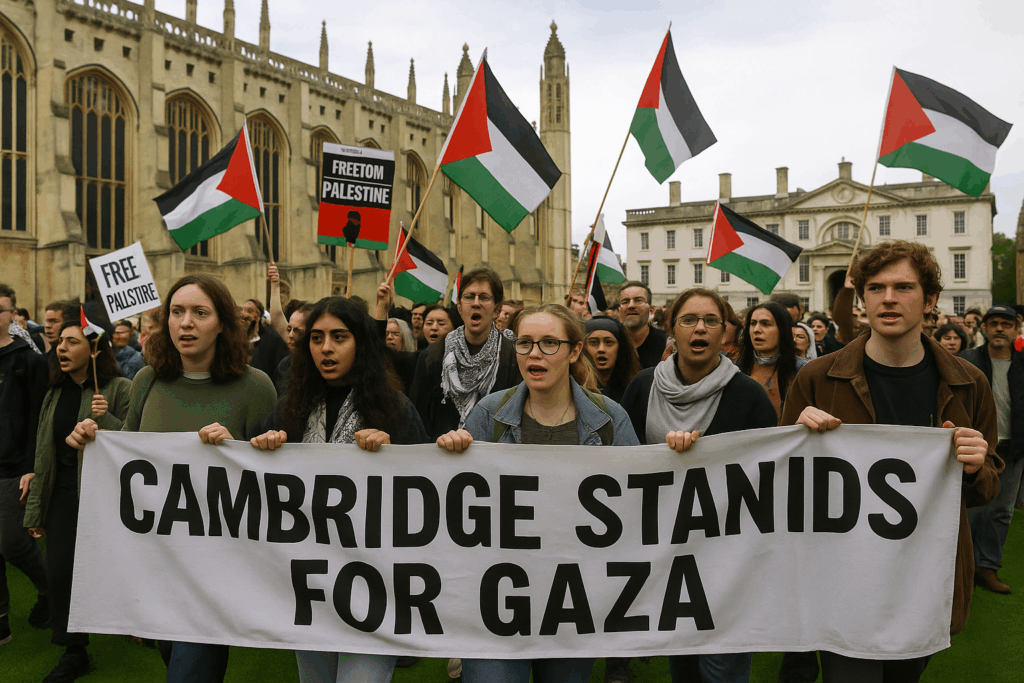
Globally, Israel’s position is increasingly isolated. Arab states have condemned its brutality in Gaza. European capitals have hardened their criticism over civilian massacres. Even Washington’s closest Gulf allies, the UAE and Saudi Arabia, openly denounced the Doha strike as a violation of sovereignty.
Turkey went further, declaring it proof that Israel has no interest in peace. Regional analysts warned that the attack not only undermines negotiations but also destabilizes U.S. partnerships in the Gulf. If Qatar, with American troops stationed on its soil, is vulnerable, then what protection can Washington truly offer?
For the Arab world, this was more than an attack on a capital city. It was a reminder that Israel’s aggression does not stop at Gaza’s borders — it extends to those who dare support Palestinian rights or challenge Tel Aviv’s dominance.
America’s Crumbling Credibility
The Doha strike lays bare the fragility of U.S. credibility. Israel’s defiance demonstrates that Washington cannot enforce limits, protect allies, or uphold its own diplomatic priorities. For Palestinians, the lesson is even starker: America cannot guarantee a just peace because it cannot even restrain its closest partner.
Trump’s vision of himself as a global peacemaker is rapidly unraveling. His inability — or unwillingness — to check Netanyahu feeds a wider perception that America is no longer the indispensable power it claims to be. Instead, Washington looks complicit in Israel’s aggression while powerless to prevent it.
By striking Doha, Israel tested not just Hamas but the entire architecture of U.S.-led diplomacy in the region. The outcome is clear: Palestinians continue to suffer, Arab states feel vulnerable, and Washington’s credibility lies in tatters. The question now is whether the world will continue to tolerate a system in which one ally acts with impunity — and another watches helplessly as its own red lines are crossed.
NOTE: This analysis is based on reports from foreign media, including CNN, BBC, and others, and does not necessarily reflect the policy of this website.