Washington’s refusal to restrain Israel despite hosting its largest regional base raises questions about Gulf security
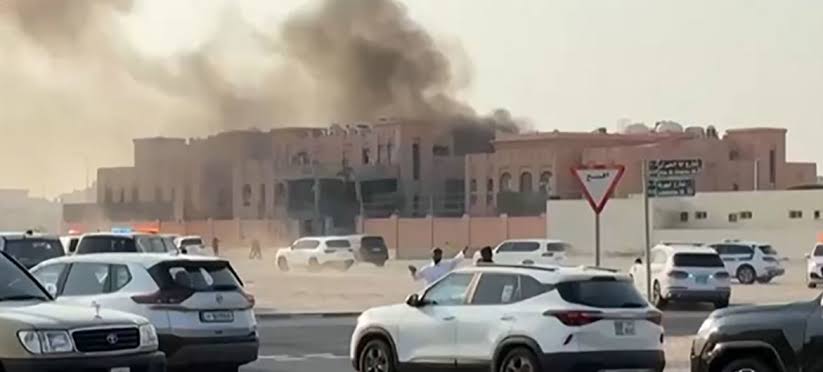
Enjoying near-total impunity as it wages war in Gaza and expands settlements in the West Bank, Israel crossed a new line this week by violating Qatar’s sovereignty. Its warplanes struck a residential house in Doha, targeting members of Hamas’s political bureau who had been weighing a US-brokered ceasefire proposal. Instead of eliminating its intended targets, the missiles killed five others, including family members and aides, and destroyed a moment of fragile diplomacy.
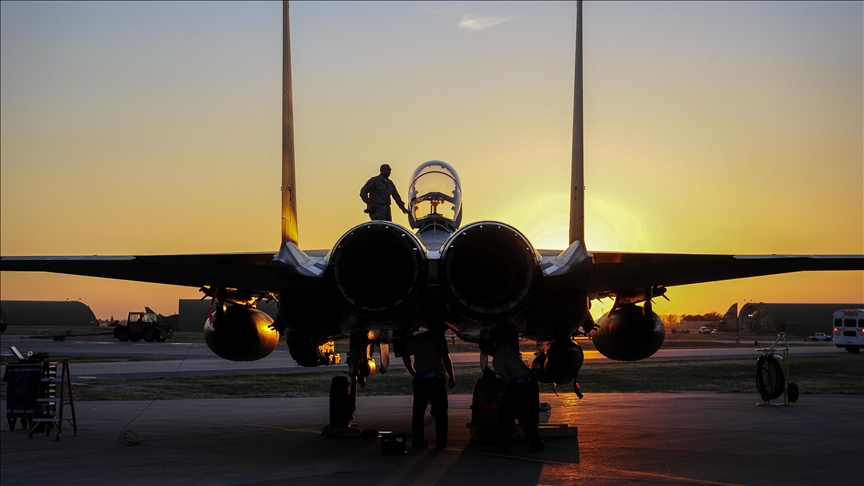
The largest US military base
Qatar hosts Al Udeid, the largest US military base in the Gulf and a hub for CENTCOM operations. For decades, Gulf leaders justified their alignment with Washington as a security guarantee against external threats. But Israel’s strike on Qatari soil has underlined an uncomfortable reality: the US shield exists only against perceived threats from Iran, not against Israeli aggression. The presence of advanced US air defence systems offered no protection when Israel targeted Hamas leaders in Doha.
US silence and Israel’s impunity
The United States’ muted response to the assault was telling. Instead of condemning Israel’s breach of a Gulf state’s sovereignty, Washington appeared more embarrassed by Tel Aviv’s failure to eliminate Hamas figures such as Khalil al-Hayya and Khaled Mashal. The episode highlighted a longstanding truth: when it comes to Israel, Washington abandons the principle of defending its Arab allies. Even as global outrage mounts over Israel’s war on Gaza, the US remains its chief protector, enabling continued occupation and mass displacement of Palestinians.
Arab dilemma: silence or sovereignty
For Gulf states, the attack shattered assumptions. Qatar, despite years of engagement with Israel and mediation efforts, was not spared. UAE and Bahrain, signatories to the Abraham Accords, may now question whether their normalisation guarantees any security. Saudi Arabia, cautious and conditional on a two-state solution, must also weigh the risks. Yet, with oil wealth tied to Western markets and Washington’s backing of ruling elites, Arab leaders are unlikely to confront the US-Israel axis. Instead, they are expected to scale down rhetoric while Gaza burns.
The broader question remains: can Qatar or other Gulf states ever develop the capacity to deter Israeli aggression, much like Iran has done through deterrence and alliances? Or will their sovereignty remain hostage to Washington’s selective security umbrella? For now, the ugly truth stands: US protection ends where Israeli interests begin.
What happened in Qatar:
Tuesday, 9 September 2025
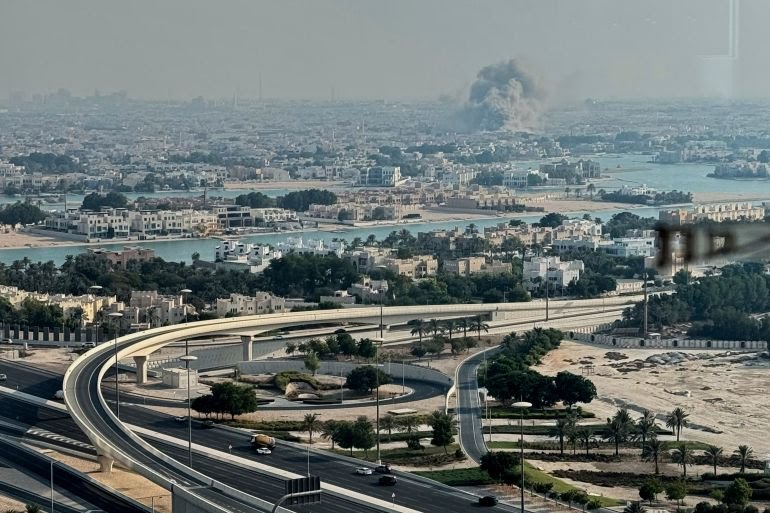
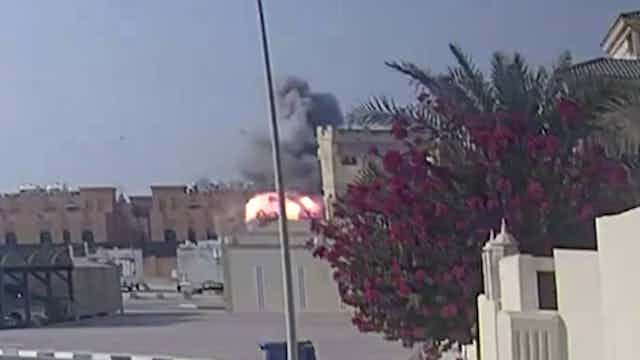
Afternoon, around 3 pm local time (12:00 GMT), multiple explosions shook Doha’s West Bay Lagoon district, home to embassies, schools, and residential compounds. Smoke rose above the skyline, audible even from Al Jazeera’s headquarters. Israel later confirmed it had fired missiles at a compound where Hamas political leaders were meeting to discuss a US-backed ceasefire proposal for Gaza.
Who was targeted?
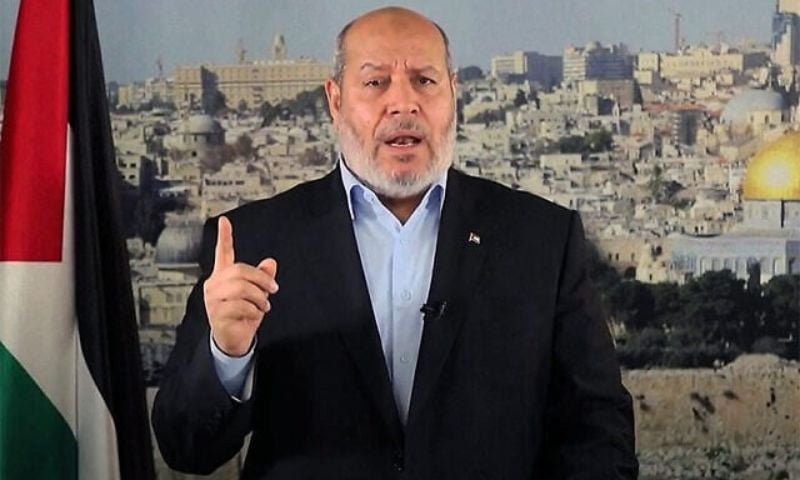
Hamas officials said the strike was aimed at senior figures Khalil al-Hayya and Khaled Meshaal, though both survived. Al-Hayya’s son, Humam, and one of his aides were martyred, alongside a Qatari security officer. Contact was lost with several bodyguards. Israel’s Prime Minister Benjamin Netanyahu claimed full responsibility, saying the operation was retaliation for a shooting in occupied East Jerusalem the day before.
Hamas reported six deaths in total. Qatar’s Interior Ministry confirmed fatalities among its security forces and said specialised teams were inspecting the site. Despite the attack, Qatar Airways announced no disruption to its operations.
Global condemnation, symbolic resolutions
The response from the international community was swift. The UN Security Council censured Israel, in a rare moment when the United States refrained from casting its habitual veto. Soon after, the General Assembly passed a resolution backing a two-state solution by an overwhelming margin — 142 votes in favour, 10 against (including the US), and 12 abstentions. Yet beyond symbolism, the prospect of a viable Palestinian state remains elusive. Israel, emboldened by US cover, shows no sign of compliance.
Why does it matter?
This marks the first time Israel has struck Qatar, a key mediator in ceasefire talks between Hamas, Israel, and the US. The assault highlights the fragility of Gulf security even with a massive US base in Qatar, raising questions about Washington’s willingness — or ability — to shield its allies when Israel is involved.
Unrepentant and threatening more
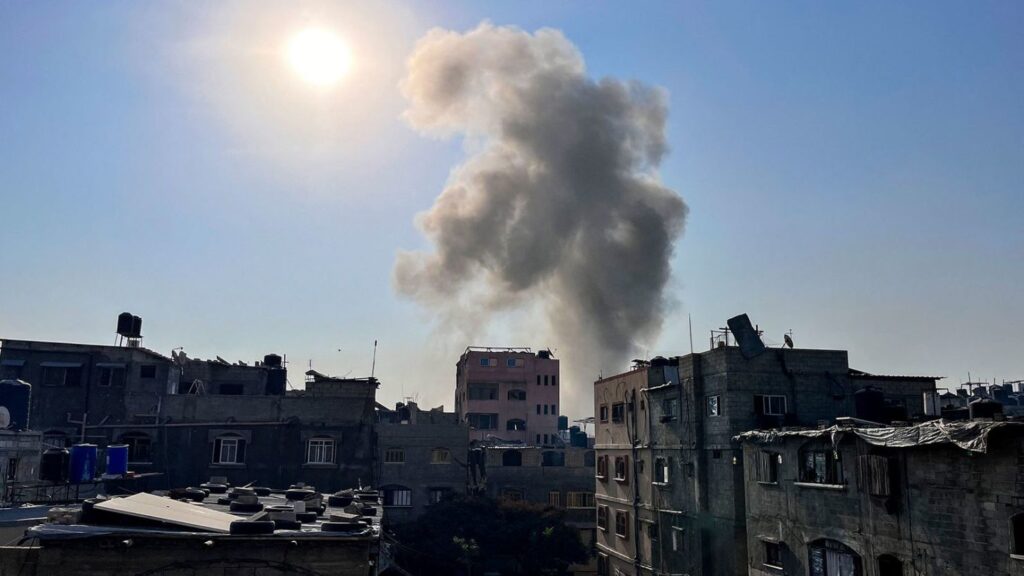
Far from expressing remorse, Israeli leaders doubled down, warning they could strike Qatar again if Hamas officials remain there. That defiance came even as US President privately assured Qatar’s emir such an attack would “not happen again”. The contradiction lays bare the dynamics at play: Washington speaks of stability, but shields Israel’s belligerence, leaving Arab sovereignty exposed and peace ever more distant.