
The campaigns have particularly focused on denying the famine in Gaza, aiming to “portray a semblance of normalcy within the besieged enclave

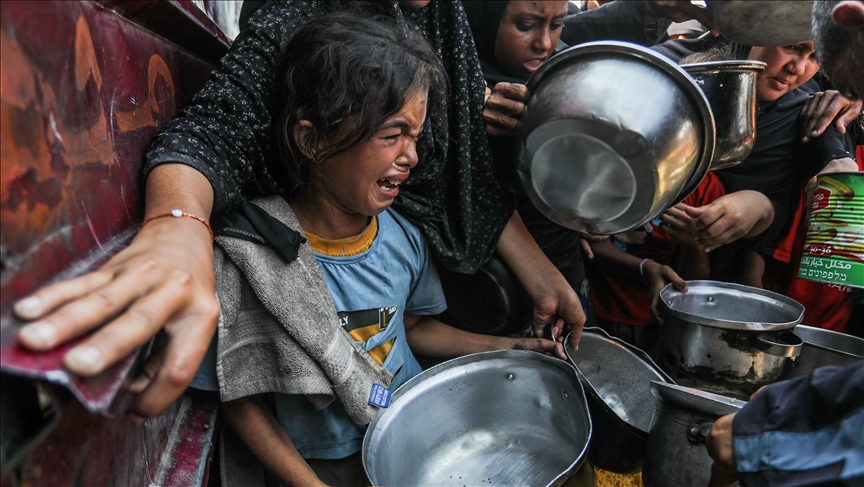
GAZA: Israel has spent 167 million shekels ($50 million) on a deal with platforms such as Google and US social media platform X, plus French and Israeli ad platforms, to deny the famine in Gaza, Spanish broadcaster RTVE said this week, based on a Eurovision News Spotlight report.
According to a joint investigation by Eurovision, Israel’s Exemption Committee in June approved an application by state-run ad agency Lapam to run public information campaigns worth $50 million with Google, X, and French and Israeli platforms Outbrain and Teads.
The contracts, running from June 17 till Dec. 31, allocate 150 million shekels ($45 million) to YouTube and Google’s ad campaign management platform Display & Video 360. X also got 10 million shekels ($3.03 million) while French and Israeli ad platforms Outbrain and Teads got 7 million shekels ($2.12 million).
The new front of war
The report, titled “The new front of war: Inside Israel’s digital ‘hasbara’ offensive,” shows how Israel’s state-sponsored campaigns use social media, paid influencers, and military tours to shape the global narrative on Gaza.
Documents from 2018 to July 2025, revealed by the investigation, show that Lapam uses Google and Meta ad platforms to promote Israeli government narratives and counter critics of Tel Aviv’s policies and military operations through paid campaigns.
Last year, Lapam sponsored 2,000 ads, with 900 directed at domestic audiences and 1,100 aimed at international viewers in selected countries, the report said, citing the Google Ads Transparency Center. The ad agency ran over 4,000 ads between Jan. 1 and Sept. 5, 2025, with half targeting international audiences.
Israel especially uses these campaigns to try to deny the famine in Gaza, “portraying a semblance of normalcy within the besieged enclave.”
Targeting critics
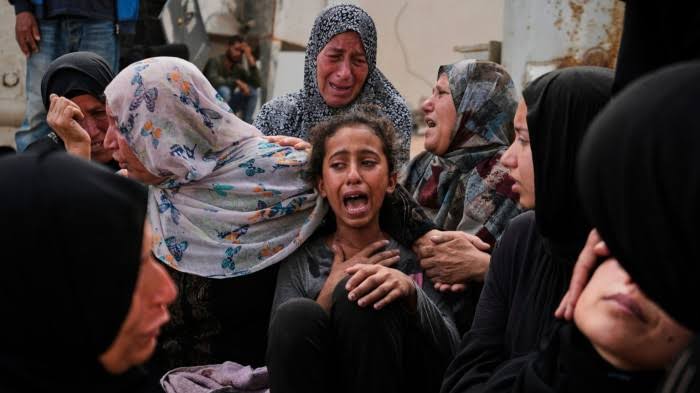
Lapam published dozens of ads on Google, YouTube, Teads/Outbrain, and X showing bustling Gaza markets to contradict the declaration of famine by the Integrated Food Security Phase Classification (IPC). The investigation also found that another ad campaign backed by Lapam urged readers to spot “flaws and inconsistencies” in the IPC famine report.
Appearing above Google search results across several European countries – including Belgium, the UK, Denmark, Sweden, and Germany – it steered users toward an Israeli government website. The same day the IPC released its initial assessment, Lapam launched a multilingual video ad campaign on the Israeli Foreign Ministry’s YouTube channel showing busy markets and open restaurants in Gaza.
The investigation also found that between August and early September 2025, videos showing Gaza’s markets and restaurants garnered over 30 million views, driven not organically but through paid promotion via Google Ads across multiple countries.
Israel’s ad campaign also targets critics, including top search results for “UNRWA,” directing users to a government website that labels the UN agency for Palestinian refugees a “front for Hamas.” Francesca Albanese, UN special rapporteur on the occupied Palestinian territories, has also faced months of paid ads across Europe accusing her of being “anti-Semitic” for criticizing Israeli policies.
Eurovision said they sought comment from Google twice on its ad policies and Israeli government spending, but got no response. “Israel’s strategy highlights the vulnerability of the international public to emotionally persuasive narratives and the challenges faced by fact-checkers and traditional journalists in countering them,” the report underlined.