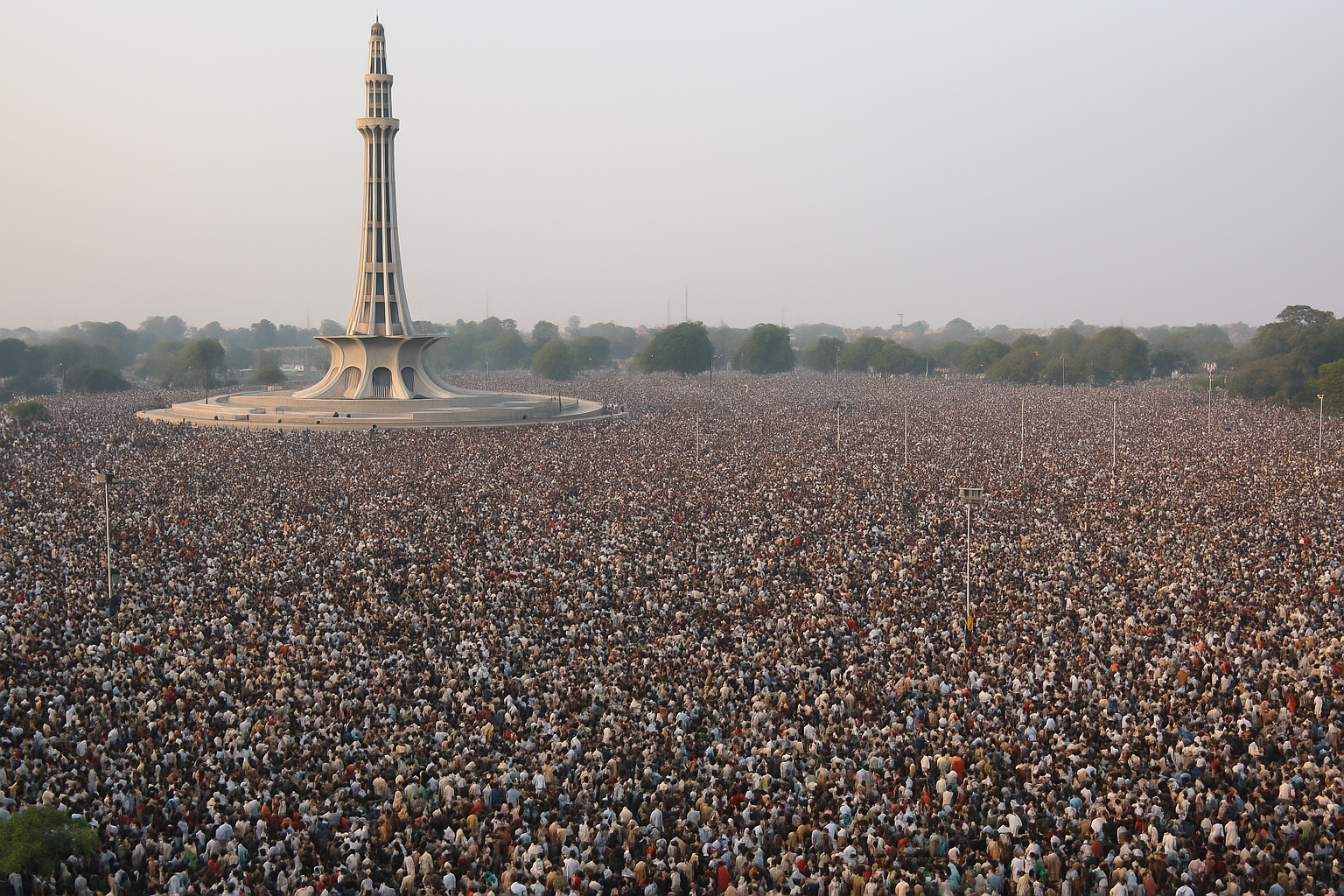
From diaspora influence to strategic defense, Pakistan’s role in shaping global politics and resisting Zionist agendas makes it an indispensable nation.
By Dr Muhammad Osama Shafiq
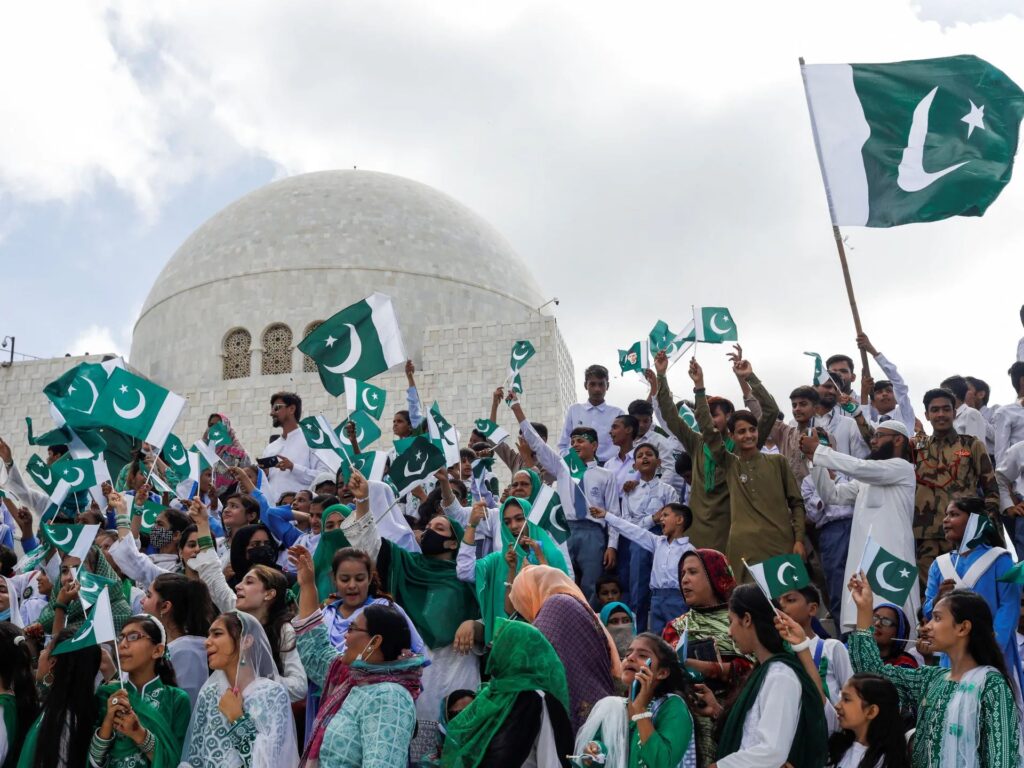
Pakistan is indispensable; Hassan Riaz’s book is not merely a book title; it is a chronicle that spans the past, present, and future. Its central message resonates loudly: Pakistan is indispensable, and it will remain so, Insha’Allah.
Orchestrated Hatred Against Muslims
Recent developments in the United Kingdom demonstrate that efforts to destabilize situations there are accelerating at a remarkable pace. This is not simply an internal British matter; its roots and implications are international. On one hand, global technology giants wield tremendous influence, while on the other, Zionist powers have increasingly and openly launched attacks on Islam under the guise of white supremacy.
Last Summer 2024, in Liverpool, following the murder of teenage girls, a false narrative was propagated to target Muslims. The campaign began on social media platforms such as Twitter/X, and today, white supremacy in Britain is being reinforced not only by certain politicians but directly by platform owner Elon Musk.
Political Unrest in Britain
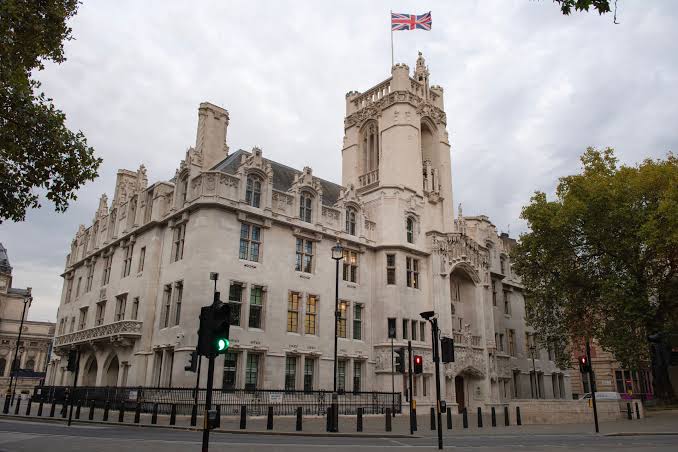
On September 13, 2025, white supremacists held a rally in London under the pretext of opposing illegal migrants and refugees. However, the entire agenda of this rally was exclusively to vent anger against Muslims. During the event, Palestinians, Gaza, and Muslim communities were directly targeted, and shockingly, the Kalima Tayyiba and the Palestinian flag were publicly torn apart on stage. This rally represented the peak of orchestrated hatred that Zionist elements intended to channel against Muslims.
What made the rally even more alarming was Elon Musk’s direct involvement. Speaking to the participants, he not only propagated hate from abroad but also openly urged them to overthrow the British government.
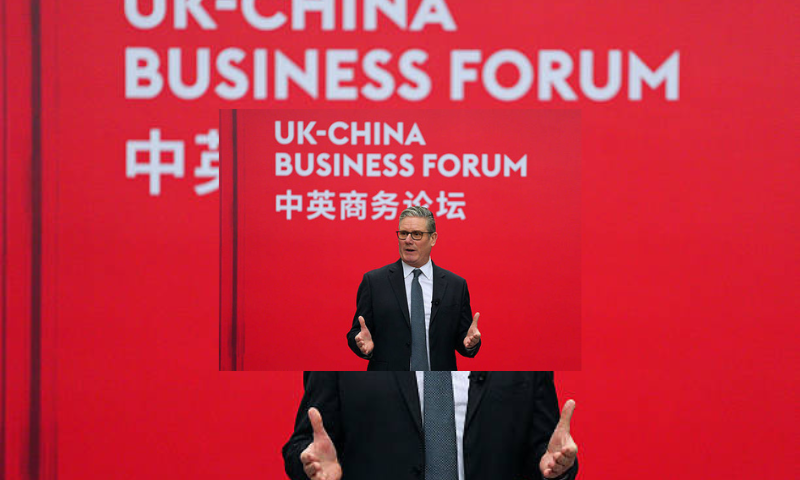
Musk’s actions are not limited to spreading agitation through technology. He now actively fuels unrest by addressing political gatherings. His intervention coincides with the resignations of successive British ministers and preparations to remove Prime Minister Sir Keir Starmer. The underlying reason is singular: Gaza and Palestine.
Targeting Labour Leadership
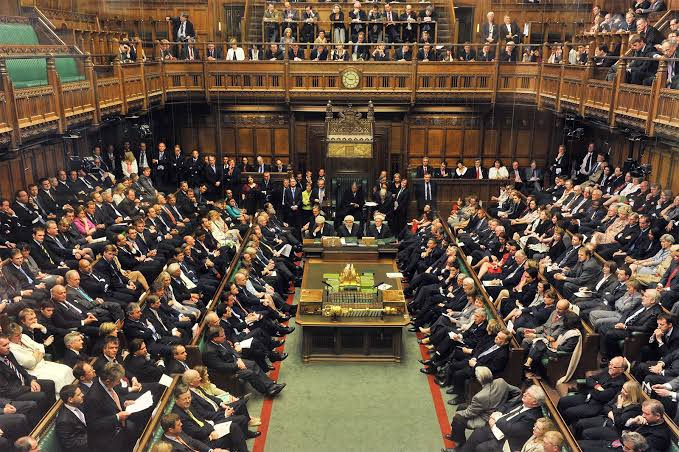
The current Labour government in Britain altered its policy regarding Gaza, condemning several Israeli actions and announcing recognition of Palestine as a state at the United Nations. This decision has provoked Zionist elements, who are now working to weaken and destabilize the Labour government.
Previously, conspiracies targeted Vice Prime Minister Angelina Rayner, a socialist-leaning Labour figure, forcing her to resign. Now, Lord Peter Mendelsohn, Britain’s ambassador to the U.S., has come under scrutiny, with alleged emails and messages being used to pressure him to resign. There are also reports implicating the Prime Minister’s Chief of Staff.
Epstein Network and Blackmail Politics
Mendelsohn is accused of having inappropriate communications with the infamous Jeffrey Epstein, who was arrested in the U.S. for running networks of child exploitation. Though Epstein died in custody, many circles now claim that he represented Zionist interests in the U.S., using exploitation to manipulate influential individuals worldwide. After his death, documents from Epstein’s records have occasionally surfaced, providing glimpses of systematic blackmail and influence operations.
Even past exchanges between Elon Musk and former U.S. President Donald Trump were framed in the media to suggest Trump had connections to Epstein’s clients, implying his association with underage exploitation. Considering this context, it becomes clear whose instructions Elon Musk is following in orchestrating campaigns against the British government.
British Pakistanis as Primary Targets
The Muslim community, particularly British Pakistanis, has emerged as a primary target. Despite making up only 2.7% of Britain’s population, their significance has grown disproportionately. Media narratives, xenophobic campaigns, and orchestrated hate events consistently aim to malign Pakistanis and Muslims, portraying them as agitators.
For over seventy years, Pakistanis in Britain have preserved their religious and national identity, ensuring that future generations inherit the same values. The global Muslim community, collectively, has demonstrated similar resilience, but British Pakistanis form the largest segment of this group, making them the most visible target.
A unique voice in the Muslim world:
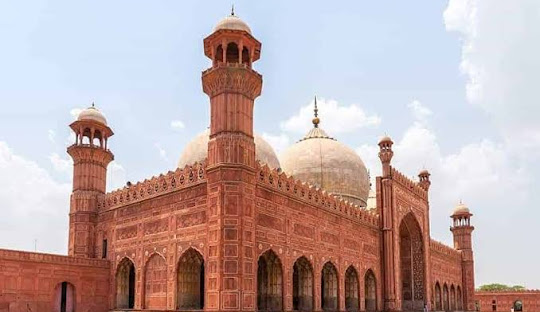
Even symbolic incidents, such as resisting the knighting of Salman Rushdie, highlight this community’s activism. Lord Nazir, a Pakistani member of Parliament, opposed Rushdie’s honor and faced expulsion from the House of Lords after a long conspiracy against him. Despite such challenges, new Muslim members continue to enter Parliament, strengthening the community’s political presence.
Meanwhile, Israel has repeatedly mentioned Pakistan in its threats, particularly after attacks on Qatar in September 2025. Pakistan’s firm response, both at the United Nations and diplomatically, demonstrates that it stands as a unique voice in the Muslim world, opposing Israeli aggression.
The diaspora’s influence, particularly in Britain, ensures that Pakistanis are perceived as the custodians of Islam’s identity in the West. Despite being a relatively small population, their role has become pivotal in shaping narratives and resisting Zionist agendas.
A Pivotal Force in Global Politics
Today, Pakistan’s global relevance is undeniable. Nations such as Qatar and Saudi Arabia increasingly rely on Pakistan for strategic defense rather than the United States. Israel is wary not only of Pakistan’s military capabilities, including its nuclear arsenal, but also of the influence Pakistan wields through its global diaspora.
Pakistan’s steadfast preservation of religious identity, its support for Palestine, and its role in uniting Muslim communities worldwide elevate its status. Where once Eastern politics were dominated by the West, now Western policy is increasingly influenced by Eastern actors. Pakistan has emerged as a central player in this shift.
In conclusion, Pakistan is not merely relevant—it is indispensable, both regionally and globally. Its strategic, ideological, and diplomatic significance continues to grow, Insha’Allah, securing its role as a pivotal force in global affairs.
About the Author: Dr. Muhammad Osama Shafiq is Director of the Institute for Media & Social Dynamics (UK) and Associate Professor of Mass Communication at the University of Karachi. A PhD in networked political mobilization and an Oxford-certified digital ethnographer, he examines how digital platforms shape power and public discourse. He also serves as a media analyst with Islam Channel (UK) and advises international newsrooms and policymakers.