Jamaat-e-Islami says the gathering — its largest international engagement in years — brought together diverse delegations to address global conflicts, inequality, governance crises and the need for Muslim unity.
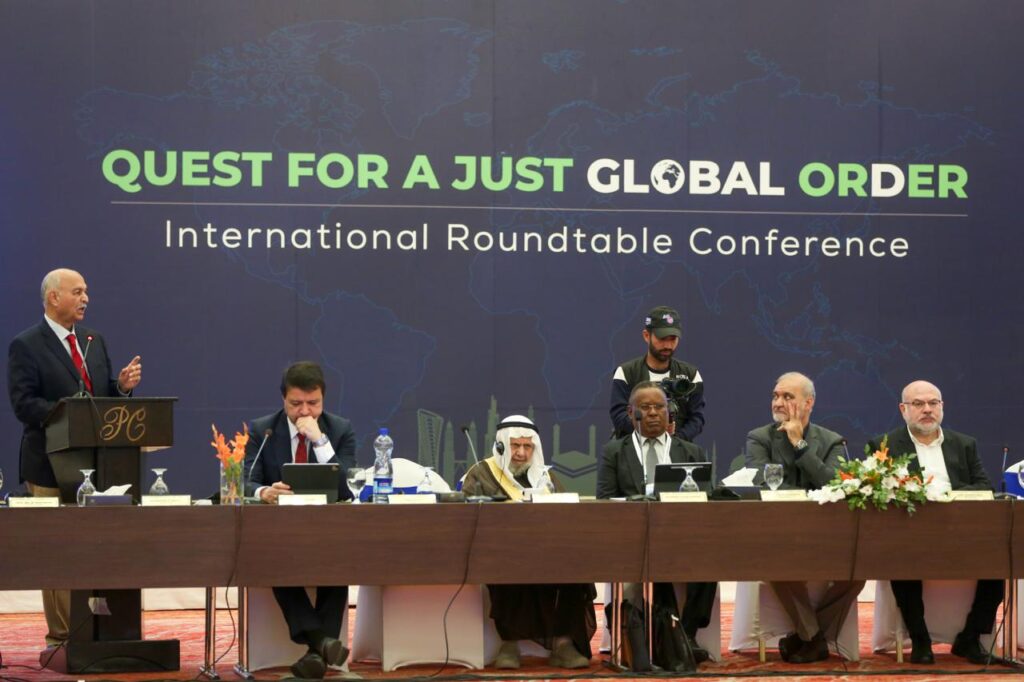
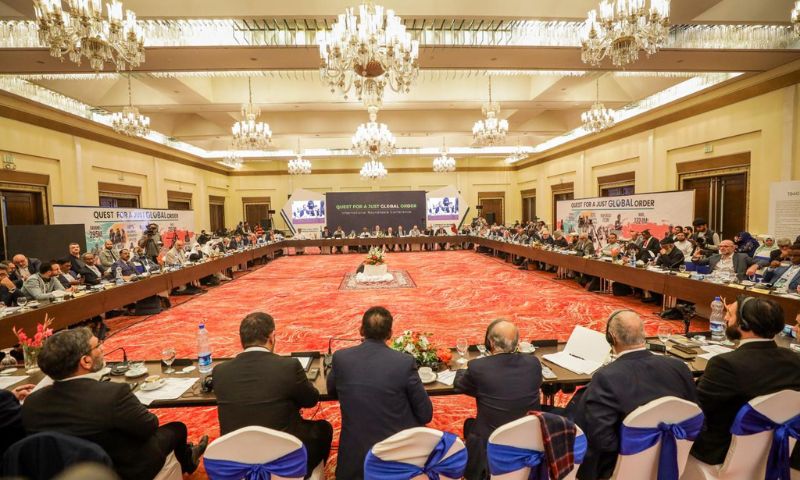
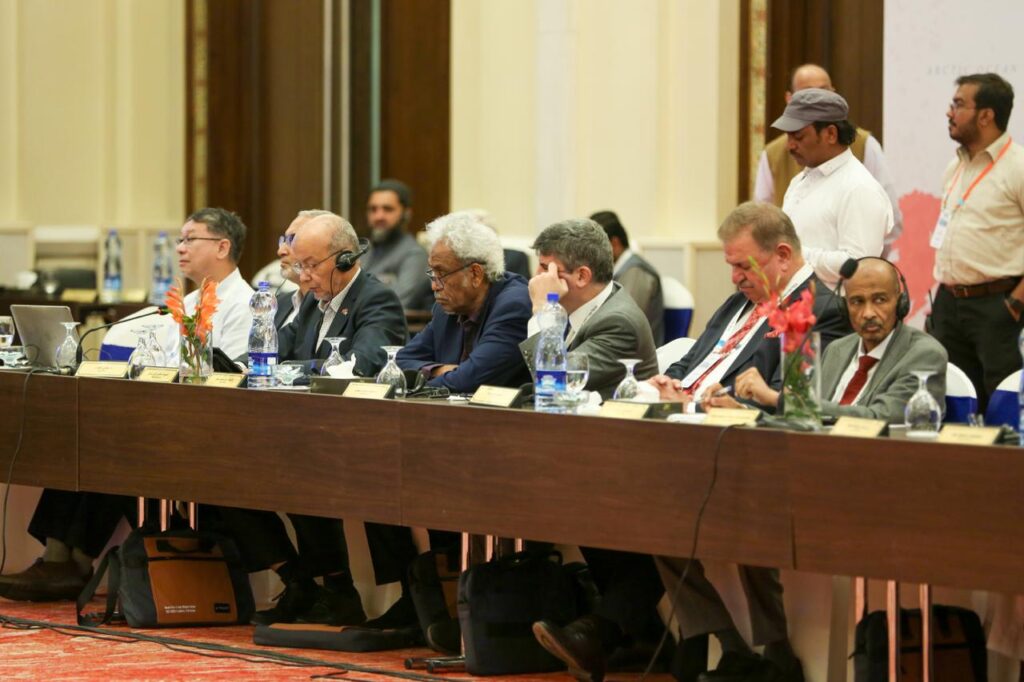
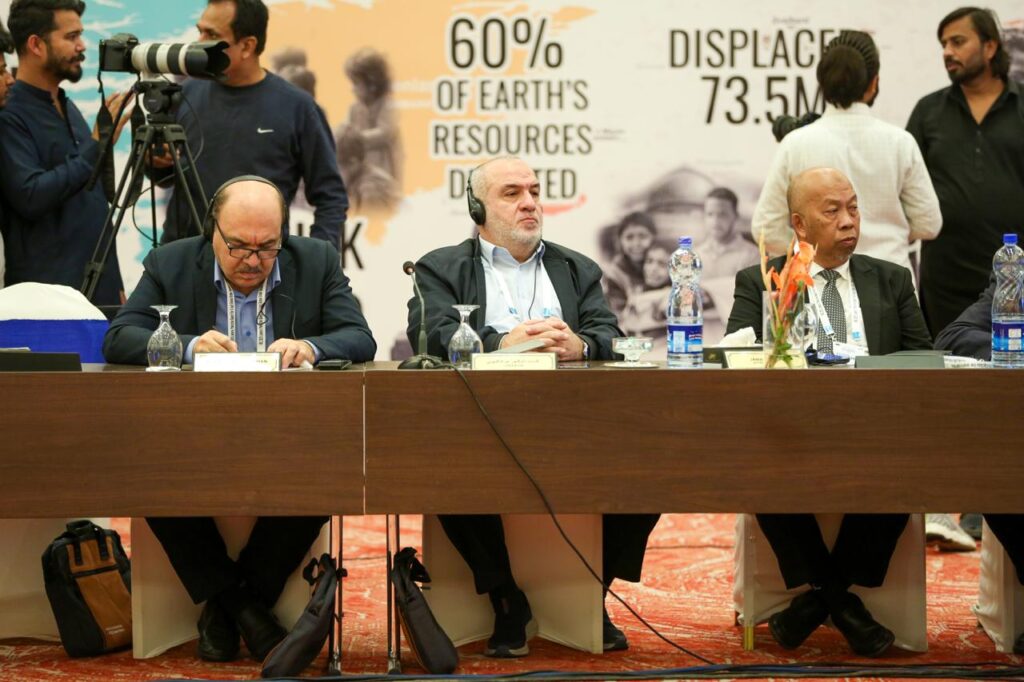
LAHORE — Jamaat-e-Islami Pakistan on Monday convened an International Roundtable Conference in Lahore titled “Quest for a Just Global Order,” bringing together representatives from over 100 international delegations spanning Asia, Africa, Europe, and the Middle East. The gathering, attended by scholars, political leaders, activists, and faith-based organisations, aimed to explore pathways toward global justice, human rights, and collective responses to contemporary crises facing the Muslim world.
Building a Global Dialogue on Justice and Shared Challenges
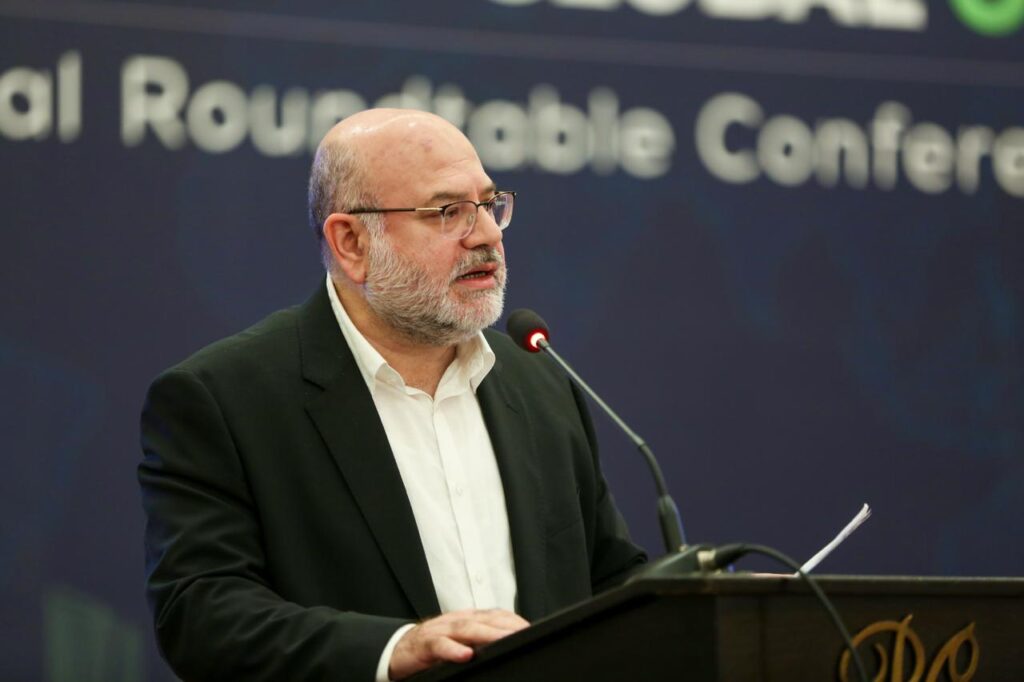
Opening the conference, Asif Luqman Qazi, Director of Jamaat-e-Islami’s Foreign Affairs Department, told delegates that the conference was the organisation’s largest international engagement in recent years, convened to highlight global conflicts, economic inequality, governance crises, and the urgent need for unity among Muslim nations.
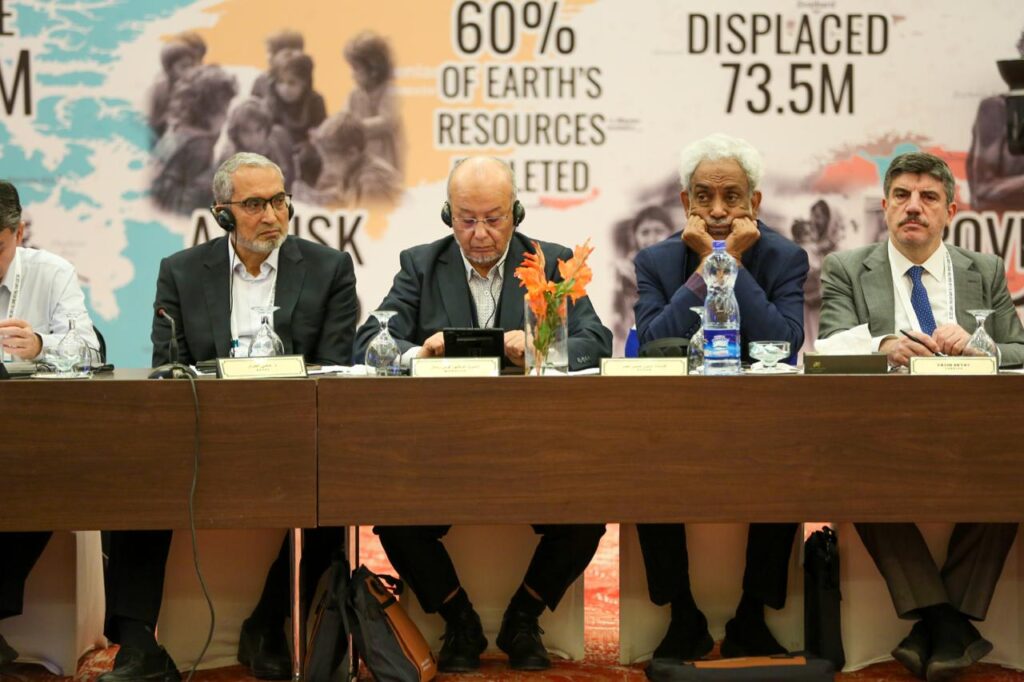
He said the diversity of participants — stretching “from Indonesia to Marrakech, from North to South, from East to West” — reflected a growing appetite for meaningful Muslim global dialogue.
“This is a moment for unity, cooperation, and renewed commitment to the shared concerns of the Muslim world,” Qazi added.
Highlights From Hafiz Naeem’s Address
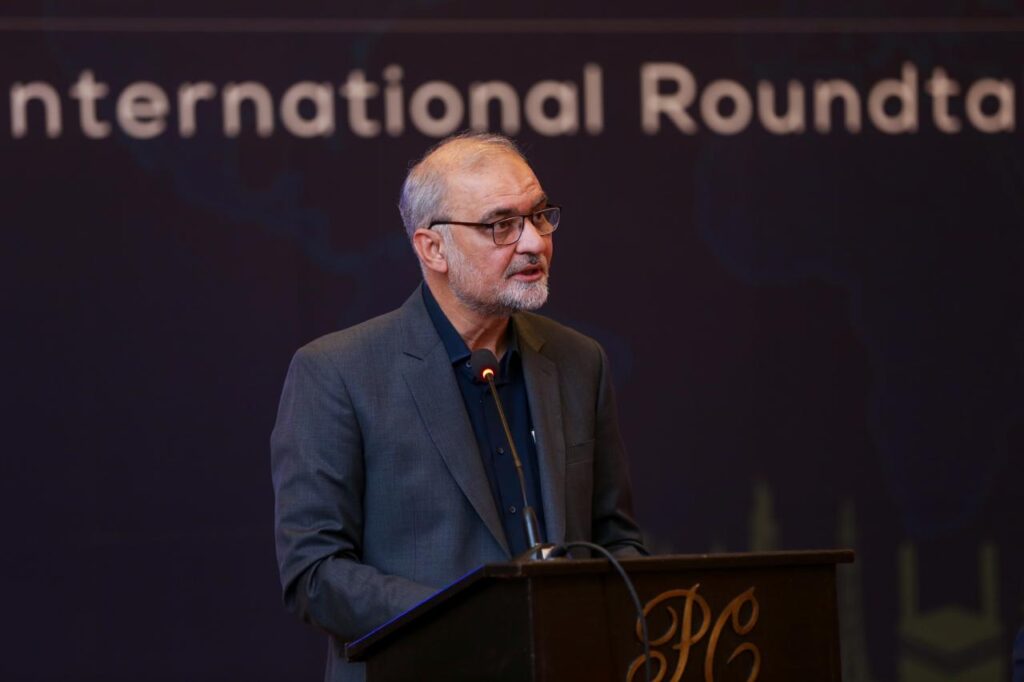
Ameer Jamaat-e-Islami Pakistan Engineer Hafiz Naeemur Rehman, while addressing the conference, said the world was undergoing historic shifts and the Muslim Ummah must “formulate a strategy according to changing global realities.” He said it was the collective responsibility of Muslim societies—and their international partners—to confront oppression, strengthen cooperation, and advocate for global justice.
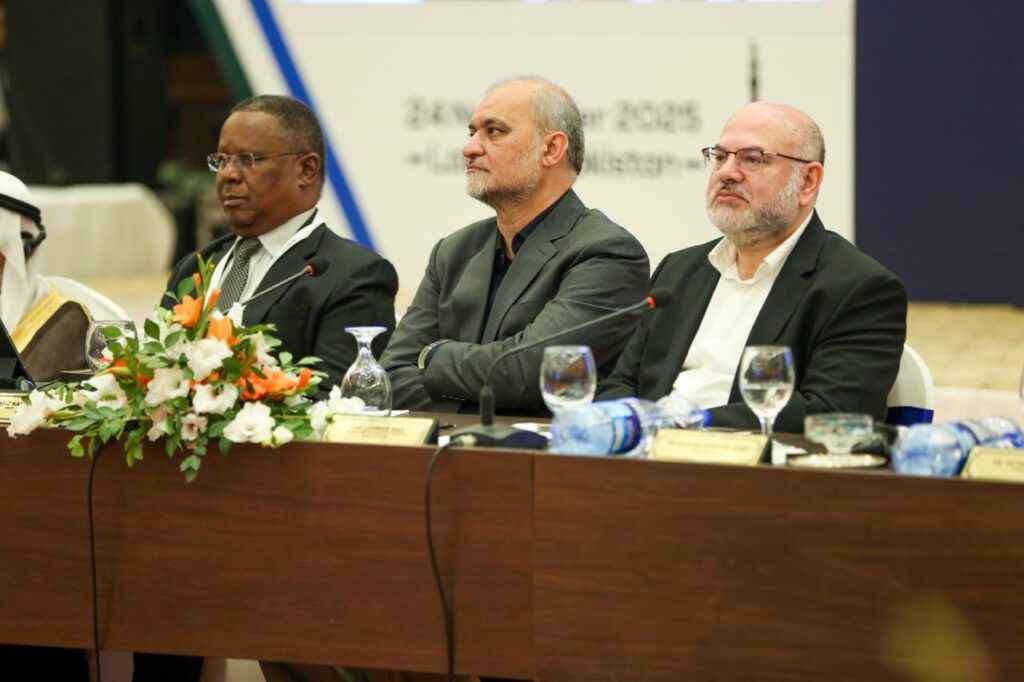
He announced that Jamaat-e-Islami is prepared to open an international coordination office in Pakistan to support collaborative initiatives among Islamic movements and global humanitarian partners.
In a wide-ranging keynote speech, Hafiz Naeemur Rehman warned that humanity stands “at a decisive crossroads,” saying global power structures, international institutions and the post–Cold War order have “failed to deliver justice, equality or security.”
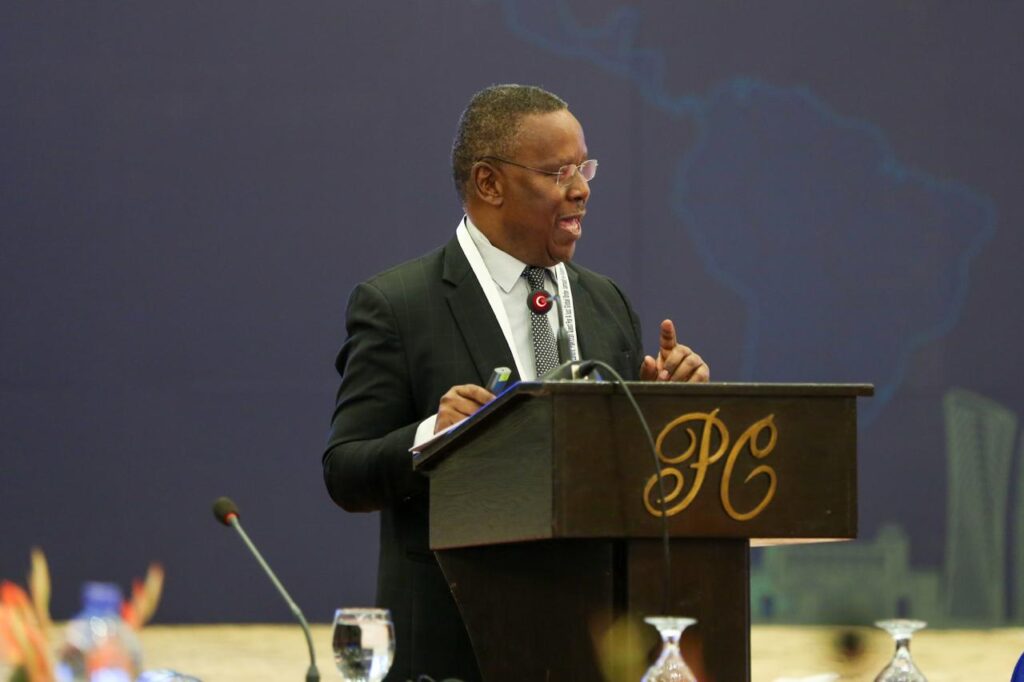
The main themes of his address included:
• Failure of Global Systems
Hafiz Naeem criticised the modern world order, saying global governance structures—particularly the UN Security Council—have become ineffective and often serve powerful states rather than oppressed peoples.
• Gaza and Palestine
Calling Gaza “the clearest proof of the bankruptcy of the global order,” he condemned international powers for failing to stop the killing of civilians and accused global institutions of paralysis.
He praised activists worldwide—Muslim and non-Muslim—who risk their safety to defend Palestinian rights, calling them “the conscience of humanity.”
• Kashmir
He drew parallels with Kashmir, saying more than one million Indian troops violate basic rights “on an almost daily basis.” He insisted that the UN-mandated plebiscite must be implemented and urged the global community to internationalise the Kashmir cause.
• Historical Failures of Ideologies
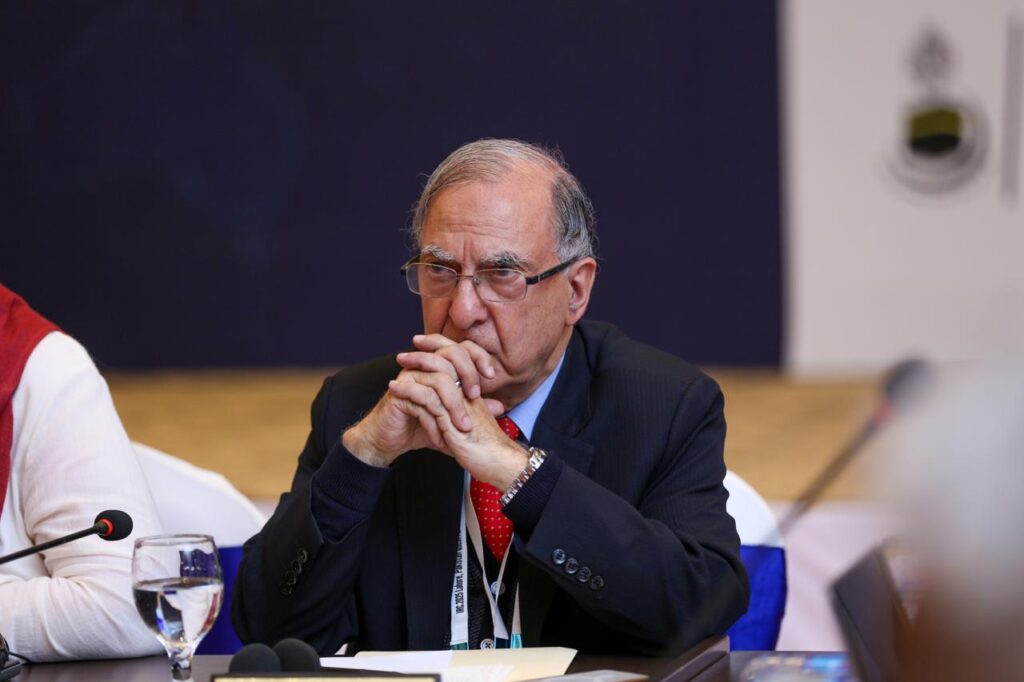
Hafiz Naeem critiqued:
- Capitalism, for concentrating wealth and reducing human dignity to commodity
- Communism, for collapsing under repression and inefficiency
- Industrial-era global capitalism, for creating inequality under colonial and profit-driven models
He argued that both systems have failed humanity’s moral, social and economic needs.
• Islamic Vision for Humanity
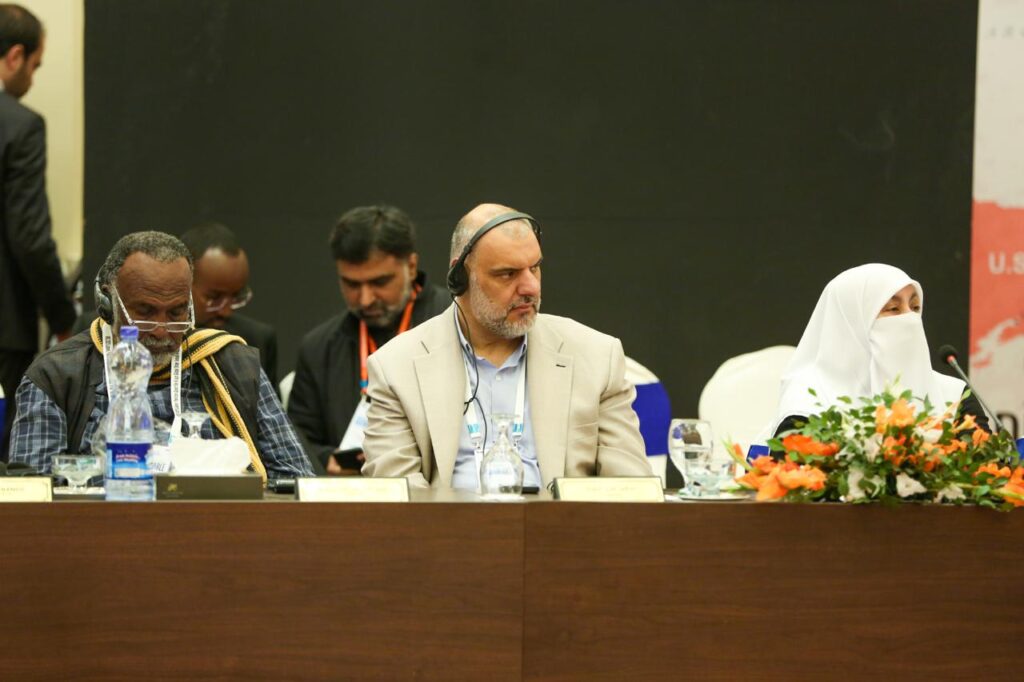
He said Islam offers a “comprehensive civilizational project”—rooted in justice, compassion, equality and unity—highlighting the multi-ethnic Islamic society established by Prophet Muhammad (PBUH) in Medina as a model.
“Our movement is not for Muslims alone; it is for all humanity,” he said, welcoming non-Muslim participants and activists as partners in the struggle for justice.
• Call for Unity and Institutional Coordination
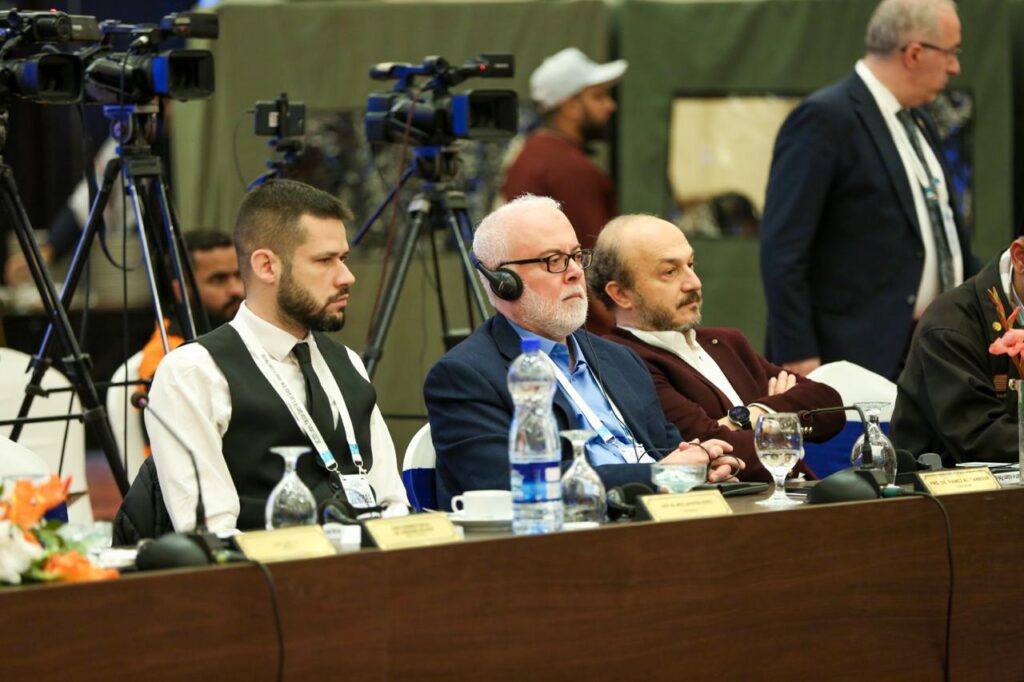
He proposed creating an umbrella office in Pakistan to connect Islamic movements, scholars and global activists, ensuring coordinated action rather than isolated efforts.
International Delegations and Speakers
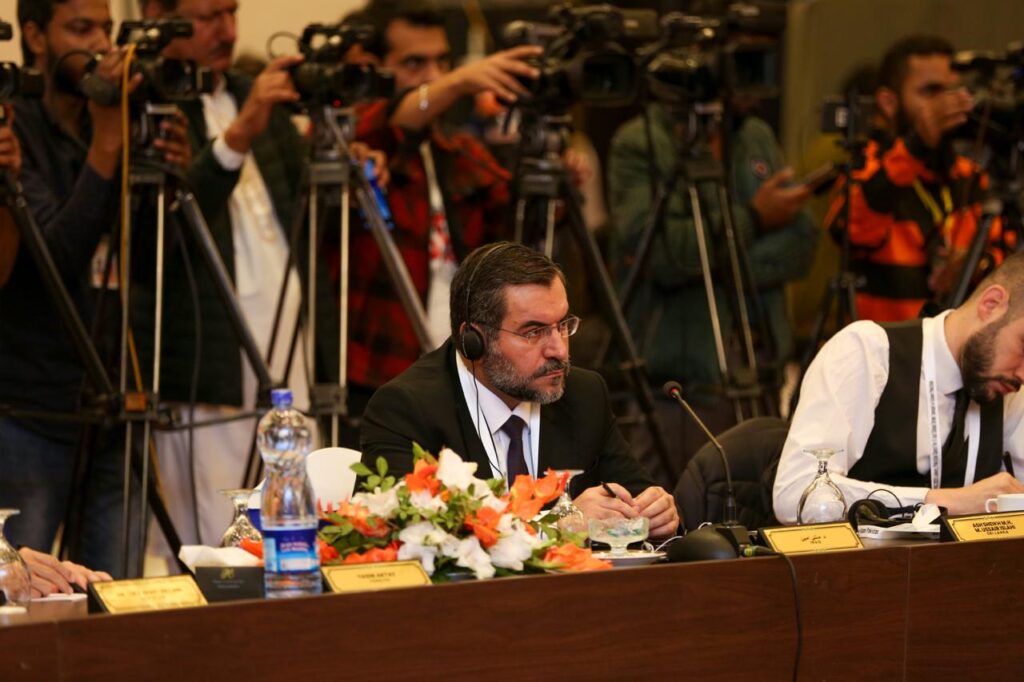
The roundtable featured a diverse panel of global leaders, scholars and activists, including:
- Senator Mushahid Hussain Sayed (Pakistan) – Former Minister for Information & Broadcasting
- Rev. Frank Chikane (South Africa) – Member of African National Congress; Moderator, Commission of the Churches on International Affairs (World Council of Churches)
- Burhan Kayaturk (Türkiye) – Member of Parliament
- Thiago Ávila (Brazil) – Humanitarian and climate activist
- Dr. Sami Al-Arian (Palestine) – Director, Centre for Islam and Global Affairs, Istanbul Zaim University
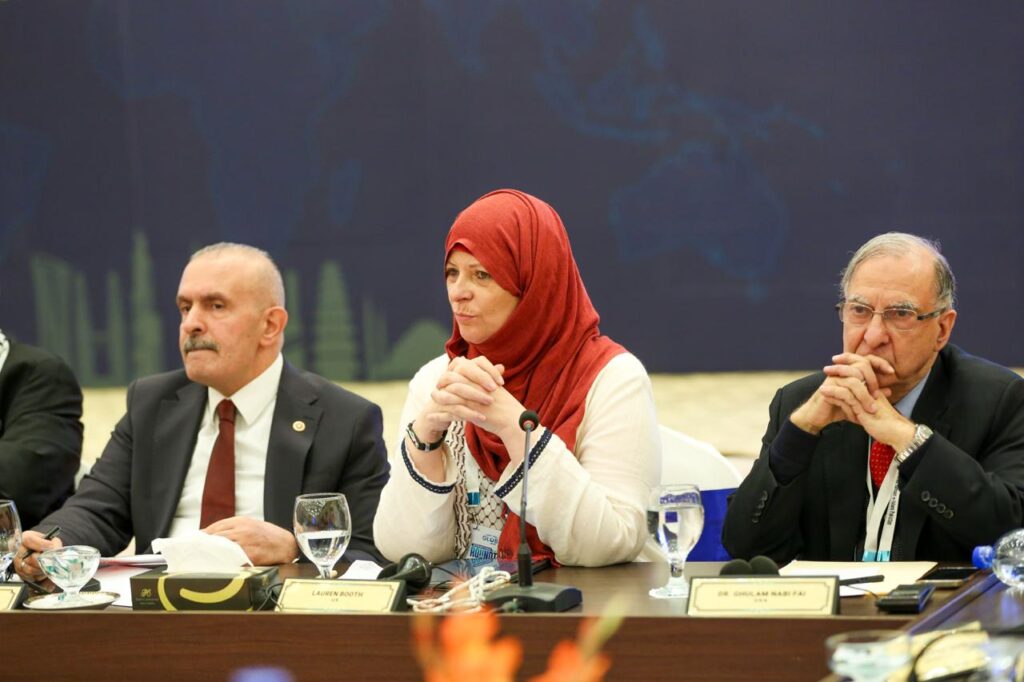
- Lauren Booth (UK) – Broadcaster, journalist and activist
- Dato Hajah Mumtaz (Malaysia) – Member of the Malaysian Parliament
- Dr. Ghulam Nabi Fai (USA) – Kashmiri leader
- Dr. Fatih Erbakan (Türkiye) – Chairman, New Welfare Party (YRP)
- Professor John L. Esposito (USA) – Scholar of Religion and International Affairs, Georgetown University
- Shaun King (USA) – Writer and civil rights activist
- Dr. Anas Altikriti (UK) – CEO and Founder, The Cordoba Foundation
- Nazeer Qureshi and Muzamil Ayyub Thakur (World Kashmir Freedom Movement)
- Abdul Rashid Turabi – Former Ameer Jamaat-e-Islami Azad Kashmir
- Samina Saeed – Deputy Secretary General, JI Women Wing
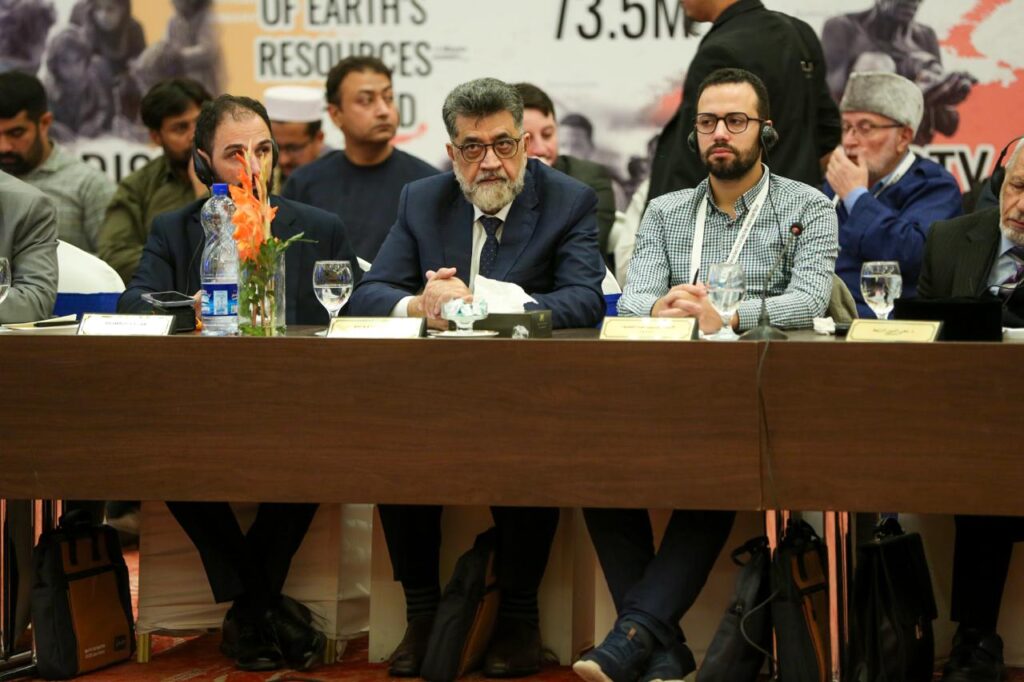
Observers from more than 40 countries also attended the sessions.
Closing Message
Hafiz Naeem concluded with a call for global cooperation, saying:
“Justice has no religion, and human dignity has no nationality. Those who stand against oppression—Muslim or non-Muslim—are our humanity partners.”
He prayed for unity and the success of global efforts for justice, peace, and dignity.