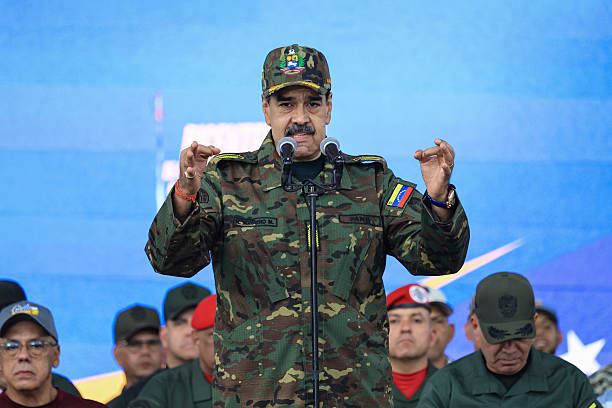
Arrest of President Nicolás Maduro by US forces deepens regional tensions and sparks global debate over sovereignty, law, and stability.
In a dramatic escalation of the long-running standoff between the United States and Venezuela, US forces have captured President Nicolás Maduro and his wife, transferring them to the United States following a military operation in Caracas. The arrest marks an unprecedented turning point in bilateral relations and has unleashed a wave of diplomatic condemnations, regional uncertainty, and concerns about future stability in Venezuela and across Latin America.
Country Profile and Geography
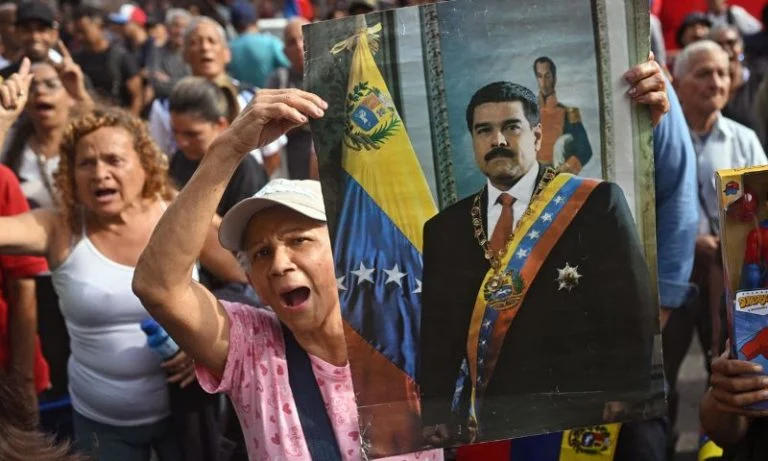
The Bolivarian Republic of Venezuela is located on the northern coast of South America, with a coastline along the Caribbean Sea and several islands in the Caribbean. It covers a total area of 916,445 square kilometres, and its population was estimated at around 29 million in 2022. Caracas is both the capital and the largest city. Venezuela borders the Caribbean Sea and the Atlantic Ocean to the north, Colombia to the west, Brazil to the south, Trinidad and Tobago to the northeast, and Guyana to the east. Administratively, the country consists of 23 states, a capital district and federal dependencies. It is among the most urbanised countries in Latin America, with most of its population concentrated in northern cities and the capital.
Historical Background
Venezuela became a Spanish colony in 1522 after resistance from local populations. It declared independence in 1811 alongside Colombia. Throughout the 19th century and into the mid-20th century, the country experienced prolonged economic instability and political unrest.
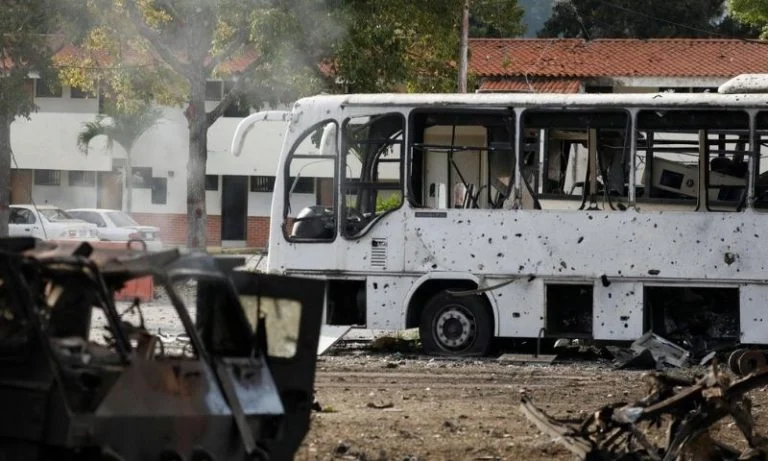
Before the current president, Nicolás Maduro, Venezuela was led by Hugo Chávez. Both leaders are known for their anti-US policies and socialist ideology. Western observers have frequently described their periods in power as authoritarian, citing concerns over press freedom and civil liberties. Such characterisations are often applied by Western governments and commentators to leaders who oppose the United States or the capitalist system. However, this does not necessarily mean that all allegations are entirely unfounded. Governing under constant external pressure and perceived conspiracies has often led to harsh decisions and measures.
Society, Religion/ Economy, Oil and Sanctions
Approximately 71 percent of Venezuela’s population is Catholic Christian, around 18 percent Protestant, and about 8 percent Evangelical.
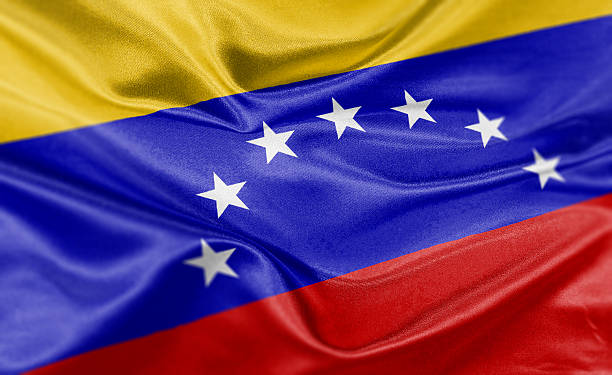
Venezuela is a developing country with the world’s largest known oil reserves. Prior to the discovery of oil, its economy relied largely on cocoa and coffee exports. Over time, oil revenues became the primary source of foreign exchange. A large share of Venezuelan oil exports is directed to China. Due to its anti-US stance, Venezuela has faced multiple economic sanctions, including restrictions on oil sales. These sanctions have contributed to hyperinflation, shortages of basic goods, unemployment, rising poverty, health challenges and increased crime.
Contested Elections and Political Crisis
President Maduro, a member of Hugo Chávez’s Socialist Party, was first elected in 2013, an election the opposition claimed was marred by fraud. He was re-elected in 2018 with 68 percent of the vote, an outcome rejected by several Western and Latin American countries as illegitimate. Similar allegations and controversies surrounded the 2024 elections.
Arrest of President Maduro
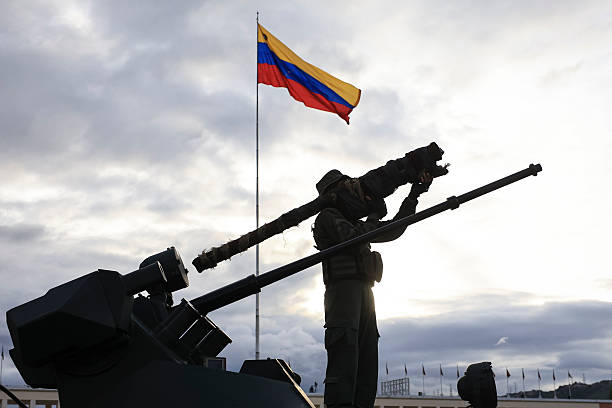
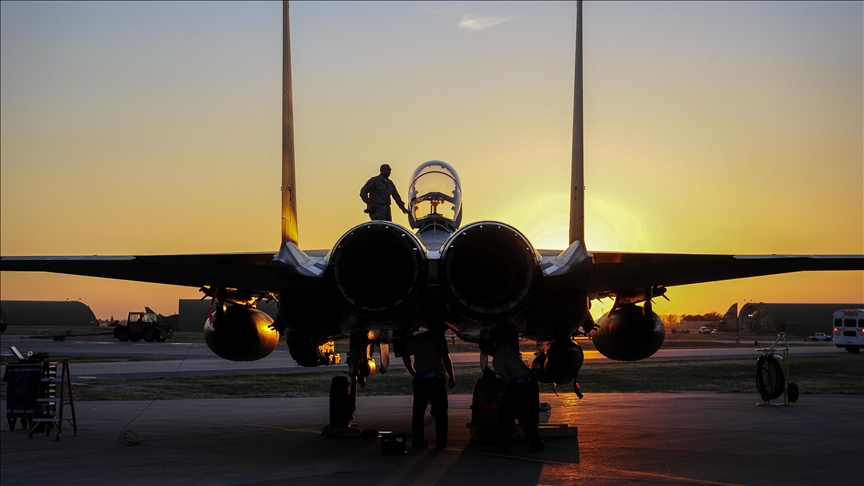
Tensions between Venezuela and the United States escalated sharply over the past month. US president Donald Trump repeatedly threatened Maduro and publicly called on him to surrender. Subsequently, the United States carried out a military operation in the Venezuelan capital. US authorities announced that President Nicolás Maduro and his wife were arrested and taken to the United States. This development marked an unprecedented escalation in relations between the two countries and effectively removed Maduro from power inside Venezuela.
Maduro had long been on a US wanted list, accused of drug trafficking and weapons smuggling. He consistently rejected these allegations, accusing Washington of using its so-called “war on drugs” as a pretext to overthrow his government and gain control over Venezuela’s vast oil reserves.
Regional Reaction and International Law
Several Latin American countries, including Brazil, Mexico, Chile and Colombia, condemned the US action. Their leaders and political figures described it as a violation of international law and the United Nations Charter, warning that it could further destabilise Venezuela and the wider region while setting a dangerous precedent.
Regional Impact and Future Uncertainty
Across Latin America, questions are being raised about how Maduro’s arrest will affect Venezuela’s political and social structures, as well as the implications for neighbouring countries. Many analysts believe the forced removal of the government will intensify unrest and anxiety across the region. Expectations for the restoration of democracy and stability in Venezuela remain low, with many viewing this moment as the beginning of a prolonged period of instability.
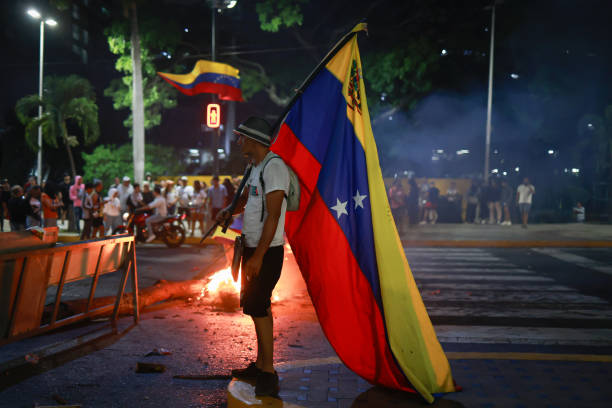
Some Venezuelan political figures have called for resistance, but serious doubts remain over whether the country has the capacity to respond militarily or strategically to the United States. The oil sector is expected to face significant disruption, and until conditions stabilise, China may be forced to seek alternative suppliers to meet its energy needs.
From one perspective, the US action is seen not only as an attack on Venezuela but as a broader challenge to socialism, critics of the capitalist system and the wider anti-US bloc. China’s response is expected to be largely economic, while socialist governments in the region are likely to limit their reactions to statements and diplomatic criticism. Much of the international community is also expected to respond with rhetoric rather than concrete measures.
A Dangerous Precedent
This episode is likely to reinforce the belief that, in the current global order, independence requires the strategic acquisition and use of power. There is growing speculation that, to shift media and global attention, the next major escalation could take place in the Middle East, carried out not directly by the United States but by one of its allies. An event of this scale at the start of the new year is widely regarded as an ominous signal for global stability.
Note:
The basic theme of this article has been taken from an Urdu-language article, which can be viewed at the link below.