As Israel’s war on Gaza continues, critics question why Washington is sidelining the United Nations instead of enforcing international law.
BY Sajjad Khan
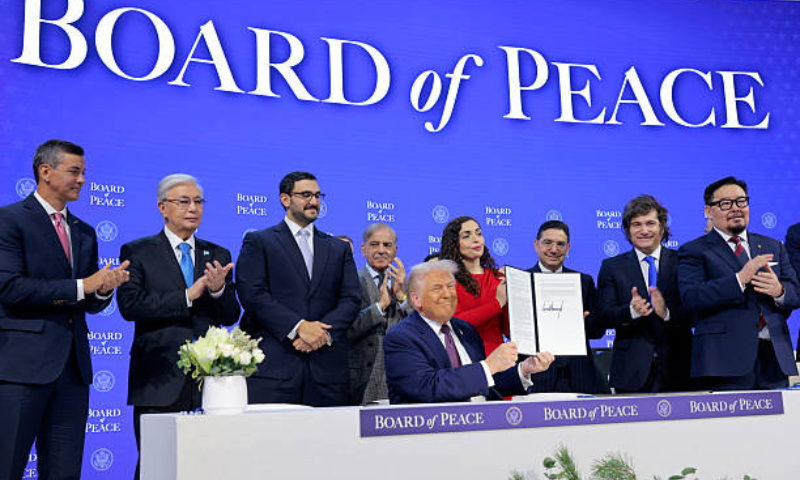
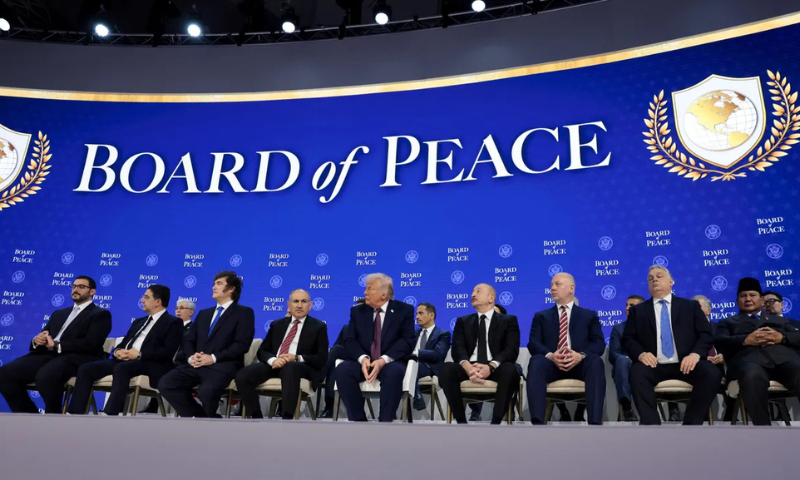
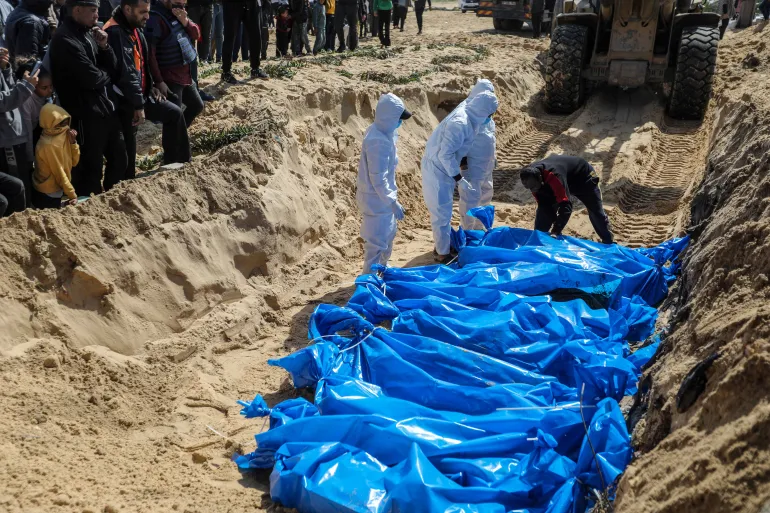
Any serious evaluation of Donald Trump’s newly announced “Board of Peace” must begin with an uncomfortable truth: while Israel has been killing thousands of innocent Palestinian children and unarmed civilians in Gaza, much of the international system has either looked away or failed to act decisively.
The devastation has unfolded in real time, broadcast to the world, yet meaningful accountability has remained elusive.
Israeli air strikes and military operations in Gaza have not stopped. Civilian neighbourhoods, hospitals and refugee shelters have been repeatedly hit, despite clear protections under international humanitarian law. And yet, no global mechanism has succeeded in halting the violence or enforcing consequences.
Against this backdrop, the launch of a new, US-led peace body raises a fundamental question: what does “peace” mean when war crimes go unpunished?
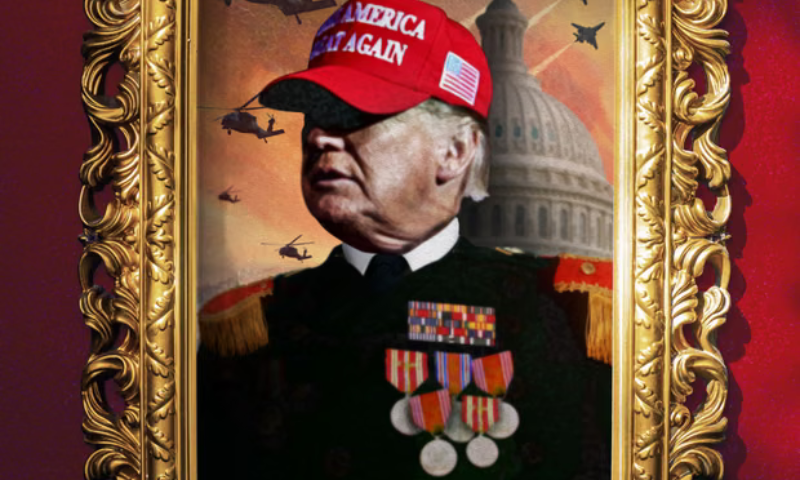
If the United States genuinely sought to advance global peace, critics argue, it would first work to activate and strengthen existing international institutions — above all, the United Nations. The UN was created precisely to prevent atrocities, protect civilians and uphold international law. Its Charter provides mechanisms for collective action, accountability and conflict resolution. Instead of reinforcing those tools, Trump’s proposal bypasses them entirely.
The creation of a separate “Board of Peace” risks undermining the already weakened authority of the UN. It suggests that global order can be reshaped through ad hoc clubs of power, shaped by wealth, influence and political alignment, rather than universal rules and shared legal obligations. Such an approach runs counter to the very principles the UN was founded upon after the horrors of the Second World War.
Critics also point out the moral contradiction at the heart of the initiative. While Gaza remains under bombardment and Palestinians are denied basic rights, a new body promises reconstruction, stability and dialogue — without first demanding an end to occupation, accountability for violations, or justice for victims. Peace, in this framing, risks becoming a managerial exercise: rebuilding ruins without addressing why they were destroyed.
This is not the first time Palestinians have seen peace initiatives emerge while their suffering continues. From Oslo to countless international conferences, frameworks have often prioritised “stability” over justice, and process over rights. The result has been a cycle of violence, despair and diminishing faith in international law.
The larger danger is what this moment signals for the future of global governance. If powerful states choose to sideline the UN whenever it proves inconvenient, what remains of the rules-based international order? If genocide allegations, mass civilian deaths and collective punishment fail to trigger decisive action, what message does that send to victims of future conflicts?
Rather than inventing parallel institutions, the international community faces a more urgent task: making the United Nations effective again. That means enforcing Security Council resolutions, respecting rulings of international courts, and applying international law consistently — not selectively. It also means confronting allies when they violate those laws, not shielding them.
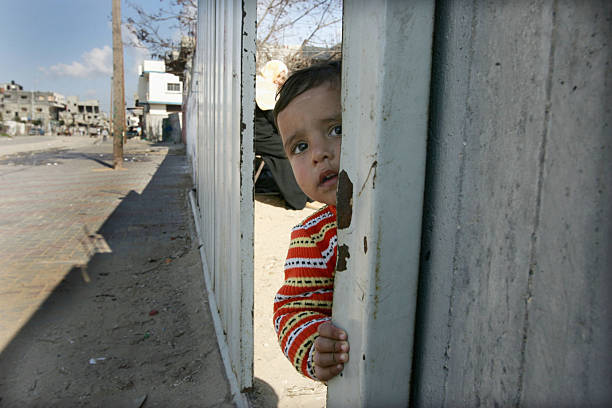
The future of Palestine cannot be decided by glossy initiatives launched in elite forums while bombs continue to fall. Peace cannot be built on silence, denial or selective morality. If the world fails to act when innocent children are killed in full view, then the crisis is not just in Gaza — it is in the global system itself.
Trump’s “Board of Peace” will ultimately be judged by a simple measure: does it stop the killing, uphold international law and centre Palestinian rights — or does it merely manage injustice under a new name? If it is the latter, it risks becoming another chapter in the long history of failed promises, and another step away from the principles the United Nations was meant to defend.