Cambridge, UK – July 29, 2025
As voices for Palestine and Gaza grow louder across the globe—from Europe to the United States—universities, civil societies, and even governments are waking up to the urgency of the crisis. Among them, the University of Cambridge has emerged as a dynamic space of activism, reflection, and resistance.
Students and academics at Cambridge are not standing by. Rallies, teach-ins, and awareness campaigns have turned the historic institution into a hub of solidarity. The message is clear: the world can no longer turn a blind eye to the suffering in Gaza.
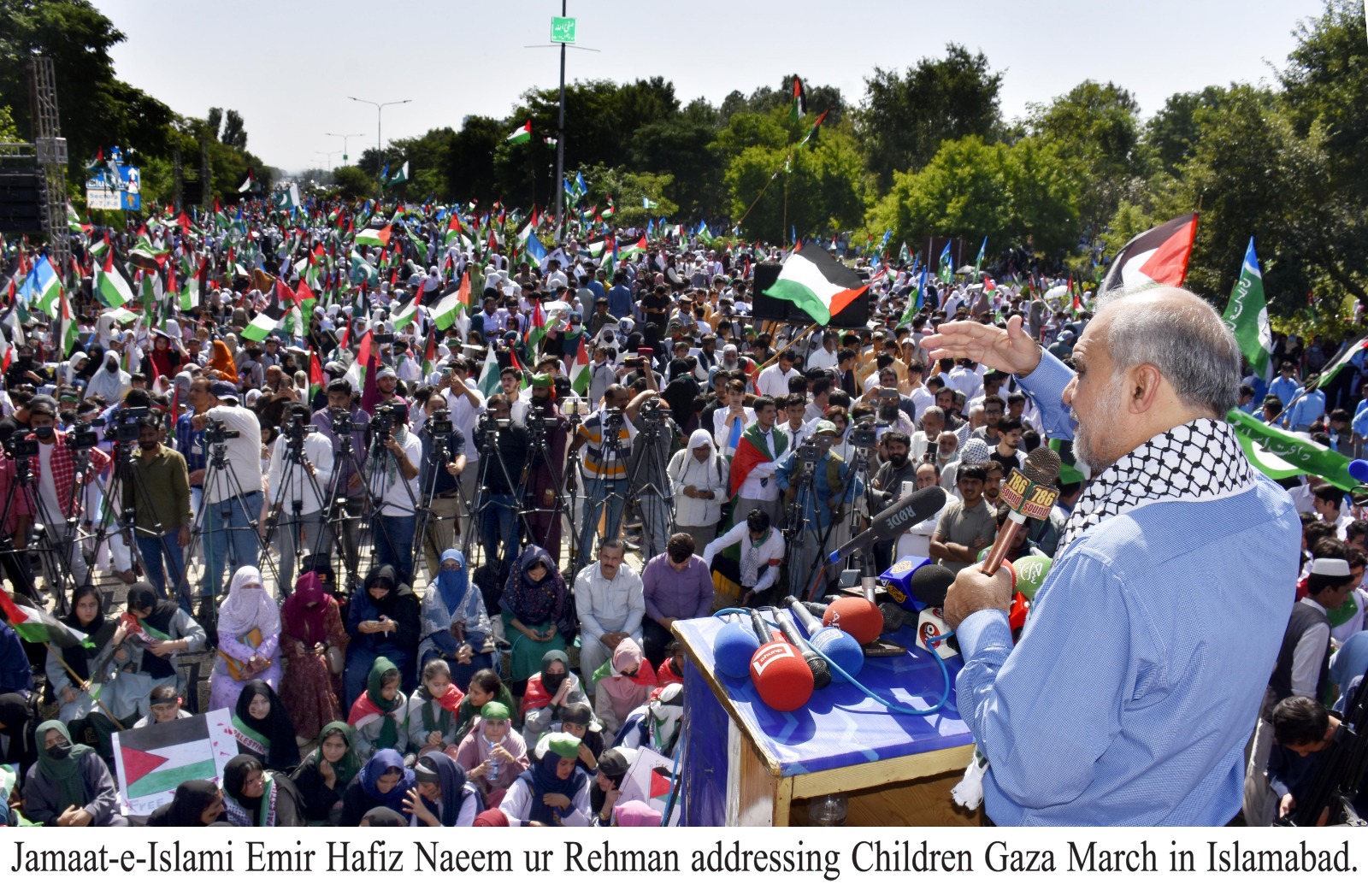
Across continents, public pressure is mounting. Citizens, universities, and rights organizations are challenging the long-standing silence. The brutality of Israel’s policies in Gaza is no longer hidden—it has been exposed to the world in real time. With every protest, petition, and academic paper, the global demand for justice grows stronger.
From Cambridge to California, from Berlin to Beirut—the call for Palestinian freedom is echoing in streets, campuses, and parliaments. The tide is shifting.
Background on the Gaza Siege
The Gaza Strip, home to over 2 million Palestinians, has been under a crippling blockade by Israel since 2007, following Hamas’s takeover of the territory. This siege restricts the movement of people and goods, severely limiting access to food, medicine, fuel, and building materials. Israel controls Gaza’s airspace, maritime access, and most land crossings, effectively isolating the enclave from the outside world.
The blockade has devastated Gaza’s economy, created widespread unemployment, and left the healthcare and infrastructure systems in collapse. The United Nations and human rights groups have repeatedly described the blockade as collective punishment, calling it a violation of international law.
The situation has worsened dramatically since Israel’s war on Gaza began in October 2023, with mass casualties, destroyed infrastructure, and near-total aid restrictions—pushing the territory to the brink of famine and humanitarian collapse.