Madrid, July 12, 2025 — Spanish Prime Minister Pedro Sánchez delivered a bold and unequivocal condemnation of Israel’s military offensive in Gaza, calling it “the greatest genocide this century has witnessed.” This statement, made in the Spanish Parliament on July 9, comes amid an escalating humanitarian crisis in Gaza and growing international pressure for accountability in the ongoing conflict.
The Charge of Genocide
Sánchez’s remarks were a direct response to the devastating toll that Israel’s military actions have taken on Palestinian civilians. In his address, he outlined the brutal reality on the ground, highlighting the widespread destruction, mass civilian casualties, and the targeting of infrastructure essential for civilian life, such as hospitals, schools, and water systems.
The Spanish Prime Minister framed the violence not as a military operation but as a systematic campaign of extermination that echoes the darkest chapters of modern history. He stated that the scale of destruction, especially the targeting of children and families, marks a turning point in the international community’s understanding of the situation.
EU’s Role in the Crisis: Urging Suspension of the Israel Agreement
One of the key points in Sánchez’s speech was his call for the European Union (EU) to take concrete action by suspending its Association Agreement with Israel. This agreement, which has governed EU-Israel relations since 2000, facilitates significant cooperation between the two parties, including trade, technology exchange, and political dialogue.
Sánchez argued that Israel’s actions in Gaza represent a violation of Article 2 of the agreement, which stipulates that both parties must uphold democratic values and human rights. He called on the EU to take immediate steps to halt its political and economic engagement with Israel in light of these breaches, insisting that human rights violations must have consequences.
While some EU countries, notably Ireland and Sweden, have voiced similar concerns, Sánchez’s call marks the strongest stance from a leading EU member state in recent months.
The Context of the Gaza Offensive: A War of Attrition
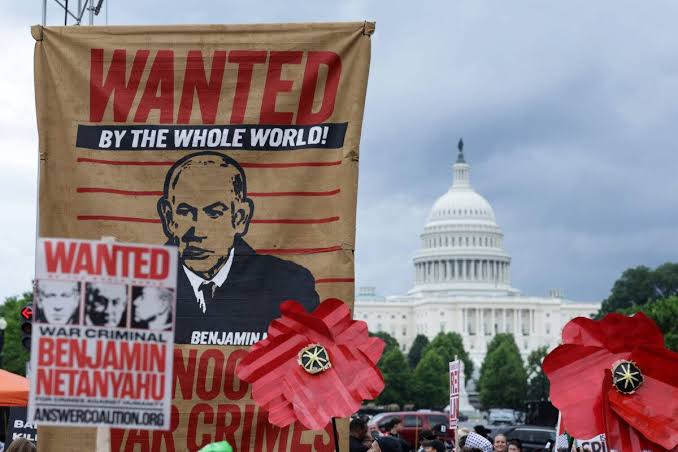
Since the onset of Israel’s military offensive in Gaza, the region has been plunged into one of the most devastating humanitarian crises of the century. The relentless aerial bombardments, ground incursions, and blockades have led to the deaths of thousands of Palestinians, with the toll disproportionately affecting women and children.
In addition to the human cost, the long-term impact on Gaza’s infrastructure is catastrophic, with vital services such as electricity, clean water, and medical supplies all but decimated. In Sánchez’s view, this indiscriminate violence cannot be justified under the guise of military strategy, as it disproportionately affects innocent civilians.
A Divided European Union: Uncertain Path Ahead
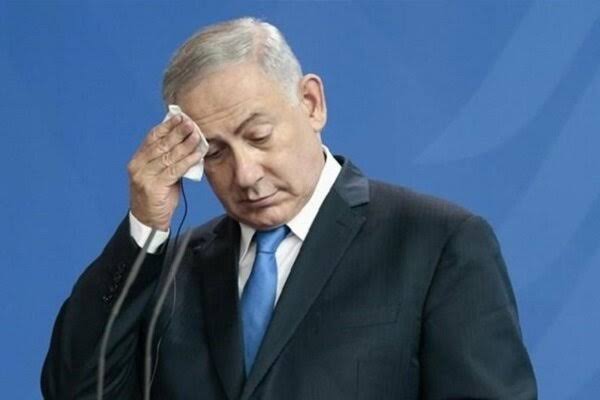
While Sánchez’s condemnation has garnered significant attention, it remains unclear whether his call for the suspension of the EU-Israel Association Agreement will gain widespread support across Europe. The EU is a complex union of 27 member states, each with its own political priorities and foreign policy positions.
Sánchez’s stance, however, reflects the growing frustration within the EU over Israel’s conduct and the perceived failure of diplomatic efforts to achieve a lasting ceasefire. With the EU’s internal divisions likely to play a major role, the path forward remains fraught with political challenges.
International Reactions: A Global Outcry
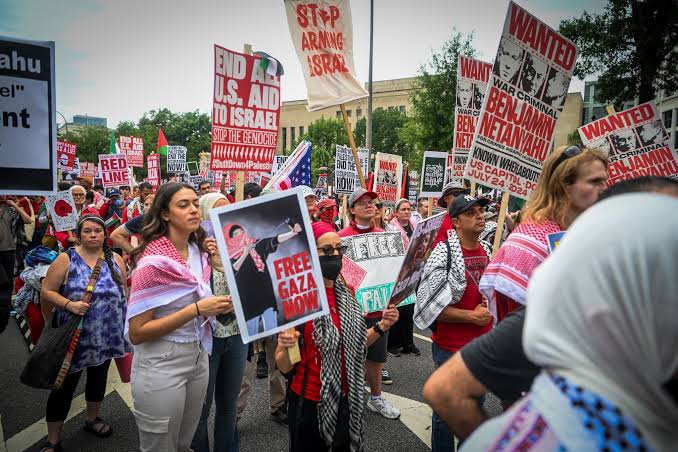
Sánchez’s statements are part of a broader wave of international criticism aimed at Israel’s actions in Gaza. Human rights organizations such as Amnesty International and Human Rights Watch have repeatedly accused Israel of committing war crimes and crimes against humanity in Gaza. Similarly, global leaders from the United Nations to Arab nations have called for an end to the violence and international investigations into alleged war crimes.
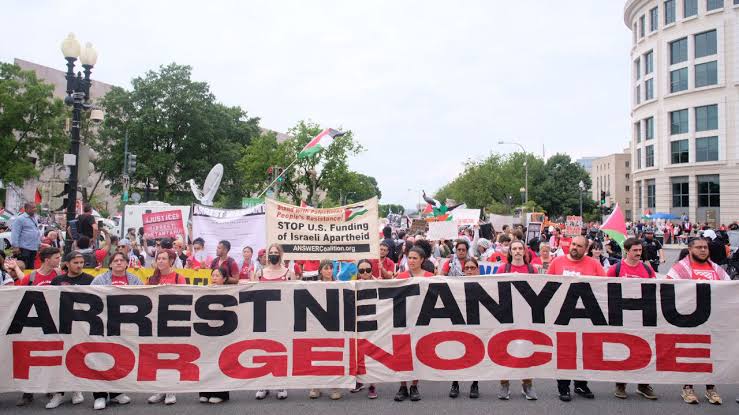
Sánchez’s condemnation comes amid growing protests across Europe, with demonstrators demanding stronger action against Israel’s military tactics and urging EU leaders to adopt a more aggressive stance toward the situation in Gaza.
Conclusion
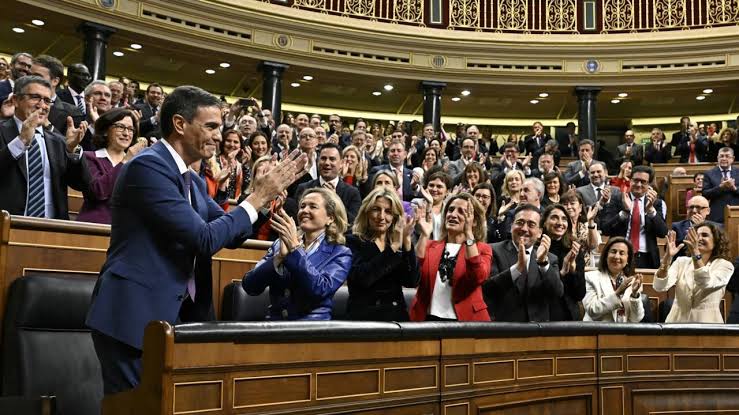
Pedro Sánchez’s condemnation of Israel’s military actions in Gaza as “the greatest genocide this century” has ignited a debate that could reshape Europe’s foreign policy in the Middle East. With Spain leading the charge for a more robust EU response, the pressure is mounting on Israel and its allies to reconsider their approach to Gaza. As the situation develops, the international community will be closely watching Europe’s next steps and whether they will reflect the growing calls for justice and accountability. (ST)